If you’re dealing with tailbone pain or stiffness, everyday activities like sitting, standing, or even sleeping can quickly become uncomfortable. The good news is that massage can be an effective, gentle way to ease tailbone pain and improve mobility—when it’s done correctly.
In this guide, you’ll learn how to massage your tailbone safely, including which surrounding muscles to focus on, step-by-step techniques to reduce tension, and simple tips to get the most benefit from each massage session. We’ll also explain the key benefits of tailbone massage and when it’s best to avoid it. By the end of this article, you’ll feel confident using massage to support tailbone pain relief and restore comfortable movement 😊
Table of Contents
Benefits of Massaging Your Tailbone

Pain Relief
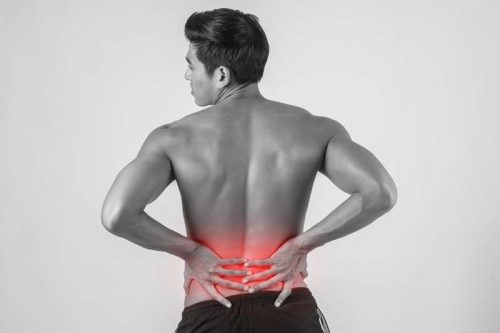
Gentle massage of the muscles surrounding the tailbone can help reduce discomfort linked to tension, prolonged sitting, or minor strain. By relaxing tight glute and lower back muscles, massage may ease pressure around the coccyx and support more comfortable movement 😊
Improved Mobility
Massaging the tailbone area indirectly can help improve flexibility and range of motion in the hips and lower back. Reduced muscle stiffness makes it easier to move, sit, and transition between positions throughout the day.
Reduced Muscle Tension and Stress
Massage encourages muscle relaxation and helps calm the nervous system. This can reduce feelings of tightness and stress in the lower back and pelvic area, especially after long periods of sitting or physical strain 🌿
Improved Circulation
Gentle massage increases blood flow to the surrounding tissues, which can support muscle recovery and reduce lingering stiffness. Improved circulation may also help calm irritated areas and promote overall comfort ✨
Better Posture Awareness
Releasing tension around the tailbone and lower back can make it easier to sit and stand with better alignment. Over time, this increased body awareness may help reduce strain on the spine and lower back during daily activities.
Preparing for a Tailbone Massage
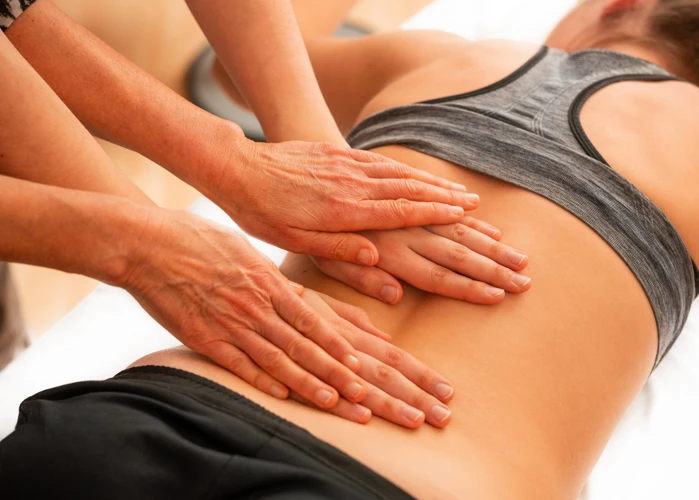
- Hygiene: Before starting a massage of your tailbone, it is important to practice good hygiene. Make sure that both your hands and the area around your coccyx are clean. Wear clean clothes and ensure that the sheets are changed regularly.
- Oil: Different massage oils can be used to help with the massage. Select one that suits your skin type and smells pleasant.
- Warmth: Before beginning the massage, you can heat the area around your coccyx using a warm compress or a heat pack. This will help to relax the muscles and make the massage more comfortable.
- Position: Lie on your stomach with your legs slightly bent. Place a pillow underneath your stomach for comfort. This will help reduce any strain on your back and provide a comfortable surface to massage your coccyx.
- Breathing: When massaging your tailbone, it is important to take deep breaths. This will help to relax the muscles and provide relief from the pain.
How To Massage Your Tailbone: Step-by-step Guide

Step 1: Locate the Tailbone Area Safely
The tailbone (coccyx) sits at the very base of the spine, just below the sacrum. You can identify its location by sitting upright and feeling for a small bony point at the bottom of your spine. However, the tailbone itself should not be massaged directly.
Instead, focus on the muscles surrounding the tailbone, including the glutes, lower back, and tissues around the sacrum. Tight muscles in these areas often pull on the coccyx and contribute to pain and reduced mobility 😊
Step 2: Apply Gentle Pressure to Surrounding Muscles
Begin by placing your fingertips or palm over the upper glutes and lower back, just above the tailbone area.
Use slow, circular motions while applying light to moderate pressure. Keep your movements smooth and controlled, and breathe deeply to help your muscles relax 💆♀️ Massage should feel soothing, not sharp or uncomfortable.
Step 3: Support the Coccyx Indirectly
Rather than massaging the coccyx itself, apply gentle pressure around the sacral area and glute attachment points.
Work slightly to either side of the tailbone and hold tender areas for 15–30 seconds before releasing slowly. This indirect approach helps reduce tension in the tissues that influence coccyx comfort without irritating the bone itself ✨
Step 4: Adjust for a Bruised or Sensitive Tailbone
If your tailbone pain is caused by a bruise, fall, or prolonged sitting, massage should be especially gentle.
Avoid deep pressure and massage only the surrounding muscles. Stop immediately if pain increases. You may find it helpful to combine massage with ice therapy in the first 24–48 hours to reduce inflammation, or heat therapy later to relax tight muscles 🔥 A cushioned seat or coccyx pillow can also reduce pressure while healing.
Step 5: Make It Part of a Routine
Incorporating gentle tailbone-supportive massage into your routine can help reduce pain when sitting, improve lower-back and pelvic mobility, and support better posture over time 🌱
Aim for short, consistent sessions rather than deep or aggressive massage.
Tailbone pain is often linked to tight muscles in the hips, glutes, and lower back. If massage has helped, learning how to massage your back or release tension with a glute massage for pain relief can provide longer-lasting comfort and improve overall mobility.
Safety Considerations for Tailbone Massage
Pain Signals
Massage should never be painful. If you experience sharp pain, increased discomfort, or worsening symptoms while massaging the tailbone area, stop immediately. Massage should feel soothing and supportive, not uncomfortable ⚠️
Pressure Control
Always use gentle to moderate pressure and avoid pressing directly on the tailbone itself. Too much pressure, especially over bony areas, can aggravate symptoms or delay healing. Let comfort guide how much pressure you apply.
Heat and Cold Use
Heat can be helpful for relaxing tight muscles, while ice may be better for swelling or recent injury. Avoid using heat on areas that are inflamed or bruised, and never apply extreme temperatures directly to the skin 🔥❄️ Choose the option that feels most relieving for your symptoms.
Body Positioning
Massage your tailbone area in a comfortable, supported position. Keep your spine neutral and avoid twisting, arching, or straining your lower back while massaging. Proper positioning helps prevent unnecessary stress on surrounding tissues.
Existing Injuries or Conditions
If you have a history of lower back injury, tailbone trauma, or an underlying medical condition, consult a healthcare professional before starting massage. Massage should complement recovery—not replace proper medical care 💙
Other Ways to Relieve Tailbone Pain
Heat Therapy
Applying heat to the area around the tailbone can help relax tight muscles, improve circulation, and ease stiffness. A heating pad, hot water bottle, or warm bath used for 10–20 minutes can provide soothing relief 🔥 Avoid heat if the area is swollen or inflamed.
Ice Therapy
Cold therapy is helpful when tailbone pain involves swelling or inflammation, especially after a fall or prolonged sitting. Apply an ice pack or cold compress wrapped in a towel for 10–15 minutes at a time ❄️ Allow the skin to warm fully between sessions.
Yoga and Gentle Stretching
Certain yoga poses can gently stretch and relax the muscles supporting the tailbone. Child’s Pose and Corpse Pose are particularly helpful for reducing tension and encouraging relaxation without placing pressure on the coccyx 🧘♀️ Move slowly and stop if any pose increases discomfort.
Medication
Over-the-counter pain relievers such as ibuprofen, acetaminophen, or naproxen sodium may help manage discomfort and inflammation when used short-term. Always follow dosage instructions, and speak with a healthcare provider if pain persists or medication is needed regularly 💊
Physical Therapy
A physical therapist can assess posture, movement patterns, and muscle imbalances that may be contributing to tailbone pain. Targeted stretching, strengthening, and mobility exercises can improve comfort and support long-term recovery 💪
Coccyx Cushion
Using a coccyx or donut cushion can reduce direct pressure on the tailbone while sitting. These cushions help distribute weight more evenly and support better posture, making them especially useful for desk work or long car rides 🚗
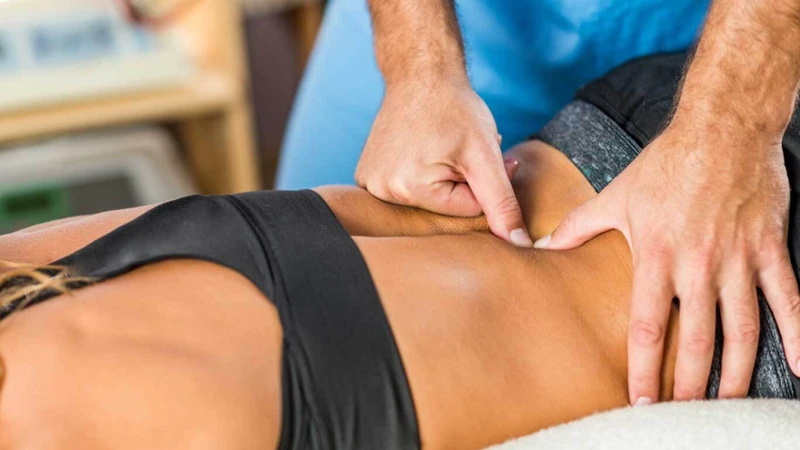
For people who sit for long periods or experience pelvic tension, gentle external pelvic floor massage techniques can also support tailbone comfort—especially when combined with posture awareness and regular movement.
Frequently Asked Questions
Can tailbone massage help relieve sitting pain?
Yes, tailbone massage can help reduce discomfort caused by prolonged sitting, especially when pain is linked to tight glute, hip, or lower back muscles. Massage works by easing muscle tension around the coccyx rather than applying pressure to the bone itself. When surrounding tissues relax, pressure on the tailbone is reduced, making sitting more comfortable over time 😊 Using a coccyx cushion alongside massage can further improve results.
Is tailbone pain caused by the bone or surrounding muscles?
In most cases, tailbone pain is caused by tension, weakness, or imbalance in the muscles and ligaments surrounding the coccyx rather than the bone itself. Tight glutes, pelvic floor muscles, or lower back tissues can pull on the tailbone and create discomfort. This is why massage focuses on nearby soft tissue rather than direct coccyx pressure, which can worsen symptoms if done incorrectly.
What are the benefits of massaging the tailbone area?
Massaging the muscles around the tailbone can help reduce pain, improve mobility, and support better posture. It also promotes circulation, eases muscle tightness, and encourages relaxation 🌿 Many people find that regular, gentle massage improves comfort when sitting, walking, or transitioning between positions, especially when combined with stretching and posture awareness.
How often should you massage the tailbone area?
For most people, massaging the tailbone area two to three times per week is sufficient. Gentle daily massage may be helpful for ongoing stiffness, as long as it doesn’t increase pain. Consistency is more important than pressure 💆♀️ If tailbone pain is chronic or worsening, it’s best to seek medical advice before continuing regular massage.
Can tailbone massage make pain worse?
You should seek medical advice if tailbone pain follows a fall or injury, lasts longer than a few weeks, or is accompanied by numbness, tingling, bowel or bladder changes, or worsening pain. Massage is supportive but not a replacement for medical evaluation, especially when fractures, inflammation, or underlying conditions may be involved.
What techniques are safest for tailbone massage?
The safest tailbone massage techniques focus on surrounding muscles, including gentle soft-tissue massage, myofascial release, and light trigger point work on the glutes and lower back. These methods help reduce tension without stressing the coccyx itself ✨ Deep pressure directly on the tailbone should always be avoided.
Conclusion
Tailbone massage can be beneficial for those who suffer with pain or limited mobility in their lower back. With the right technique and pressure, it can help to alleviate pain, reduce inflammation, and improve mobility. However, it’s always important to speak to a healthcare professional before attempting to massage your tailbone yourself.
📚References
- Clinical Effectiveness of Massage for Low Back Pain: A Systematic Review
- The Effects of Trigger Point Massage on Sacroiliac Joint Dysfunction
- Mayo Clinic: Tailbone pain: How can I relieve it?
⚠️ Disclaimer:
This article is for educational purposes only and does not replace medical advice. Always consult a qualified healthcare provider for concerns about breast pain, swelling, or breastfeeding issues.
About The Author