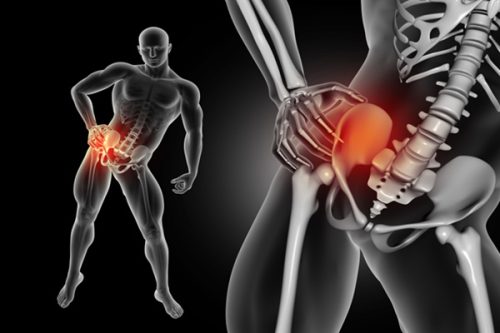
Sciatic pain has a way of taking over your day. It might begin as a dull ache in your lower back, then slowly creep into your hips before shooting down your leg with a sharp, burning sensation that’s hard to ignore 😖
For some people, it comes and goes. For others, it lingers — making it uncomfortable to sit, stand, or even sleep properly.
If you’re dealing with this, you’re not alone. Sciatica is one of the most common causes of lower body pain, and while it can feel overwhelming, there are effective ways to manage it.
One of the most accessible and natural options is massage for sciatica. When done correctly, massage can relieve tension, improve circulation, and reduce the pressure that’s irritating the sciatic nerve.
But here’s the key insight most people miss…
You don’t massage the nerve itself.
Real relief comes from targeting the muscles around it — and once you understand how that works, massage becomes far more effective and much safer 🙌
Quick Answer: Does Massage Help Sciatica?
Massage for sciatica helps relieve pain by reducing muscle tension around the sciatic nerve, improving circulation, and easing pressure from tight muscles like the piriformis. The most effective approach is to massage the glutes, lower back, and legs — not the nerve directly — using controlled, steady pressure 👍
Table of Contents
What Is Sciatica and Why Massage Works
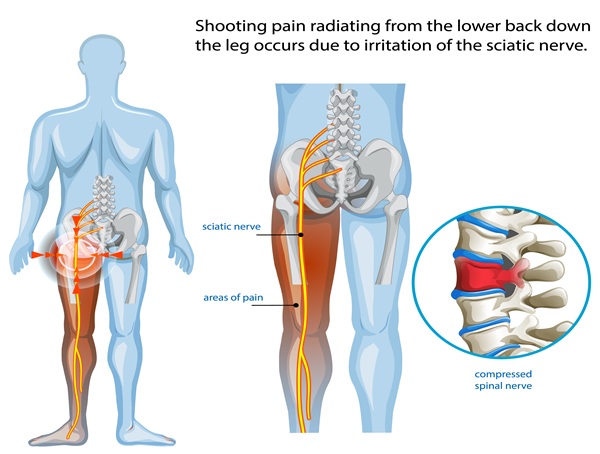
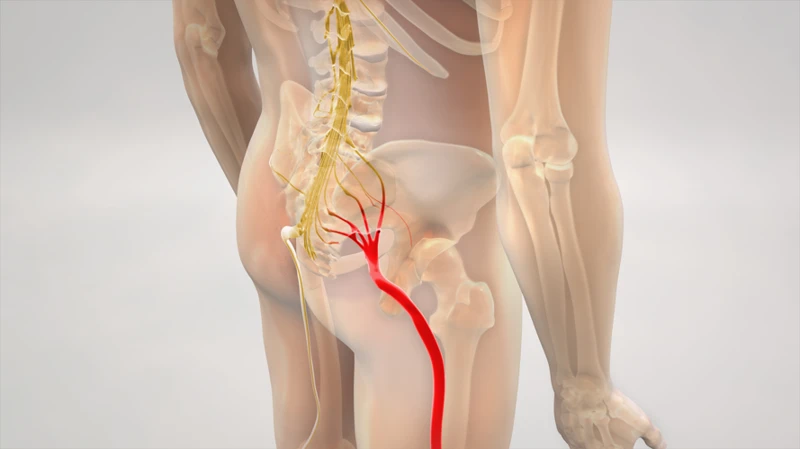
Sciatica isn’t a condition on its own — it’s a symptom caused by irritation or compression of the sciatic nerve.
This nerve is the longest in your body, running from your lower spine through your hips and down each leg. When something presses on it, the result is often pain that radiates along this pathway ⚡
You might notice discomfort in your lower back, a deep ache in your glutes, or a tingling sensation that travels down your leg. In some cases, it can even lead to weakness or difficulty moving.
While spinal issues like herniated discs are a common cause, muscle tension is often a major contributor — especially in the piriformis muscle, which sits deep in the glutes. When this muscle tightens, it can press against the sciatic nerve and trigger the same pain pattern.
Massage works by addressing this tension directly.
By releasing tight muscles, improving blood flow, and reducing inflammation, massage helps create space around the nerve. As that pressure eases, symptoms often improve — sometimes quickly, sometimes gradually 💙
Where to Massage for Sciatica Relief
One of the most common mistakes is focusing only on where the pain feels strongest.
That’s rarely where the problem starts.
Instead, effective massage for sciatica targets the muscles that influence the nerve — particularly those that create compression.
The lower back is often the first area to consider. The muscles surrounding the spine tend to tighten in response to pain, poor posture, or long periods of sitting. This tension can increase pressure throughout the lower body.
From there, attention should shift to the glutes. This is where most sciatic-related tension lives 🔥 The piriformis muscle is especially important, as it sits very close to the sciatic nerve and is often responsible for compression.
Further down, the hamstrings and calves also play a role. While they may not directly compress the nerve, tightness in these muscles can affect movement patterns and increase strain on the lower back and hips.
When all of these areas are addressed together, the body begins to move more freely — and the nerve has more space to settle.
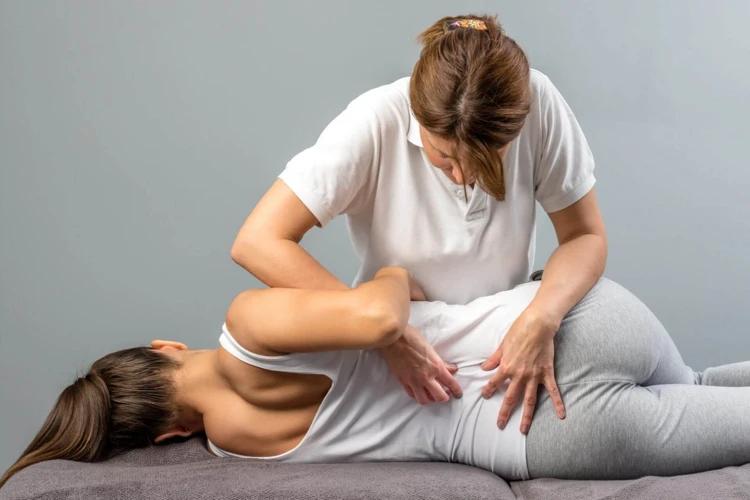
How to Massage the Sciatic Nerve at Home
A good self-massage routine doesn’t need to be complicated. What matters most is consistency, control, and understanding how your body responds.
Start by preparing the muscles. Heat is one of the simplest ways to relax tight tissue. A warm compress or hot shower for ten to fifteen minutes helps loosen the area and makes massage more effective 🔥
Once you’re warmed up, begin with the glutes. This is where you’ll get the biggest impact.
Using your hands, knuckles, or a massage ball, apply slow, steady pressure into tight or tender areas. These spots may feel sensitive at first, but they’re often where tension has built up.
A massage ball against a wall is particularly effective. By leaning into it, you can control the pressure and target specific points with precision. Small, controlled movements tend to work better than aggressive rolling 👍
One of the most effective tools for targeting tight glute muscles is a massage ball. If you’re not sure how to use one properly, this guide on how to use a massage ball for sciatica walks you through it step by step 👍
After working through the glutes, move to the lower back. Use gentle circular motions along the muscles beside the spine, avoiding direct pressure on the spine itself.
From there, work your way down the leg. Long, smooth strokes along the hamstrings help restore circulation, while lighter pressure on the calves completes the sequence.
Finishing with gentle stretching can make a noticeable difference. Opening the hips and lengthening the hamstrings helps maintain the relief you’ve created and reduces the likelihood of tension returning.
Best Massage Techniques for Sciatica Pain
Different massage techniques work in different ways, and understanding this can help you choose the right approach.
Deep tissue massage is often the most effective for long-term relief. It targets deeper muscle layers where chronic tension builds up. While it can feel intense, it’s particularly useful for persistent pain 💪
Trigger point therapy focuses on specific areas of tightness that refer pain elsewhere. This is especially effective in the glutes, where trigger points can mimic sciatic nerve pain.
Myofascial release is slower and more controlled. It focuses on the connective tissue surrounding muscles and helps improve movement while reducing stiffness over time.
If your pain feels more sensitive or inflamed, Swedish massage offers a gentler option. It promotes relaxation and circulation without placing too much stress on the area.
In many cases, the best results come from combining these approaches based on how your body responds.
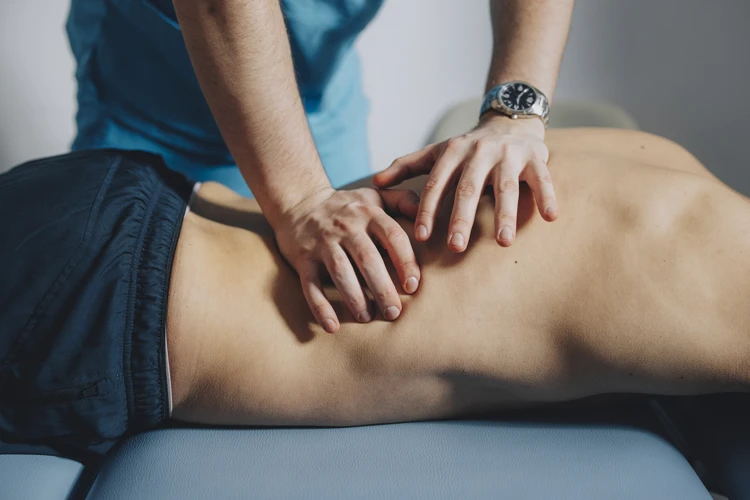
Deep Tissue Massage for Sciatica Pain
Deep tissue massage deserves special attention because it directly targets one of the main causes of sciatic pain — chronic muscle tightness.
This technique works into the deeper layers of muscle and fascia, helping to release long-standing tension that may be compressing the nerve.
For sciatica, this is especially useful in the glutes and lower back. These areas often carry hidden tension that builds gradually over time.
When applied correctly, deep tissue massage can improve flexibility, reduce stiffness, and support long-term recovery.
If you’re considering this approach, it’s worth understanding the full range of deep tissue massage benefits and how they apply to nerve-related pain.
If you’re unsure whether this technique is right for you, this guide on deep tissue massage benefits breaks down exactly what to expect.
Trigger Point Massage for Sciatica
Trigger points are small, tight areas within a muscle that can refer pain to other parts of the body.
In sciatica, these are often found in the glutes. Pressing into them can sometimes reproduce the same pain that travels down your leg — which is actually a sign you’ve found the source 🔍
Applying steady pressure to these points allows the muscle to release and can provide noticeable relief.
While it may feel uncomfortable initially, it’s one of the most effective ways to address stubborn sciatic pain that doesn’t respond to general massage.
Tools That Can Help with Sciatica Relief
Massage doesn’t have to rely on your hands alone. Certain tools can make the process easier and more effective.
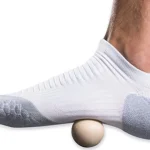
Massage balls are excellent for targeting deep muscle tension, especially in the glutes. They allow you to apply consistent pressure and reach areas that are difficult to access otherwise.
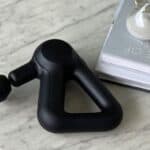
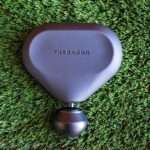
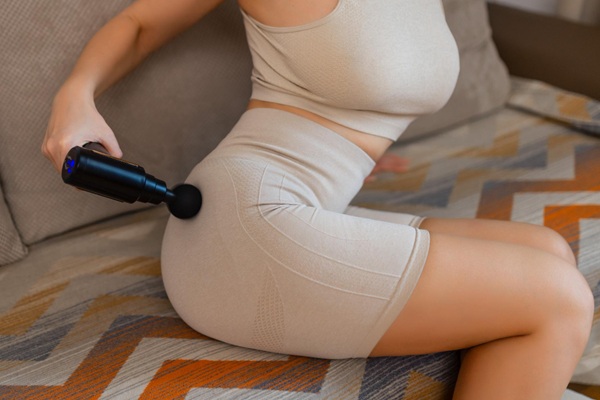
Massage guns are another popular option. They use rapid pulses to stimulate blood flow and reduce tightness. If you’re curious about this approach, here’s a detailed look at whether massage guns are good for sciatica and how to use them safely.
Using the right tools can make a big difference — especially when combined with proper technique.
What Benefits You Can Expect
When massage is done consistently, the benefits go beyond short-term relief.
One of the most noticeable improvements is a reduction in pressure around the nerve, which directly impacts how intense the pain feels. Movement becomes easier, and stiffness begins to fade.
Improved circulation helps support healing, while reduced inflammation allows the body to recover more effectively.
Over time, many people also find they rely less on pain medication, as the underlying cause of discomfort is being addressed rather than masked.
You may also notice improved flexibility, better posture, and increased confidence in movement — all of which contribute to long-term recovery 💙
While massage can be highly effective, it’s also worth understanding common massage side effects so you know what’s normal and what to watch for.
When to Avoid Massage for Sciatica ⚠️
While massage is generally safe, there are situations where caution is needed.
If your symptoms are severe, worsening, or include significant weakness, it’s important to seek medical advice before attempting self-treatment.
Certain warning signs — such as loss of bladder or bowel control — require immediate attention 🚨
Massage should also be avoided after recent injuries or if you have underlying medical conditions affecting nerves or bones.
Most importantly, listen to your body. If something feels wrong or increases your pain, stop immediately.
How Often Should You Massage Sciatica?
Consistency matters more than intensity.
For mild discomfort, a few sessions per week is usually enough to maintain relief. For more persistent pain, more frequent sessions may help — as long as pressure remains controlled.
Daily massage can be beneficial in some cases, but it should always be gentle. Overworking the area can slow recovery rather than improve it.
Think of it as a steady process rather than a quick fix 👍
Does Massage Provide Immediate Relief?
Massage can provide immediate relief in some cases. As muscles relax and circulation improves, pressure on the nerve decreases, which can reduce pain fairly quickly 🙌
However, lasting results usually require consistency.
Sciatica often develops over time, and it typically takes ongoing care to fully resolve. Massage works best as part of a broader approach that includes movement, stretching, and good posture habits.
Supporting Your Recovery Beyond Massage
Massage is powerful, but it works even better when combined with other habits.
Staying active, maintaining good posture, and avoiding long periods of sitting can all help reduce pressure on the sciatic nerve.
Gentle stretching, particularly for the hips and hamstrings, helps maintain flexibility and prevent tension from building up again.
If you’re new to this, learning how to massage yourself at home can be a great starting point for building a consistent routine.
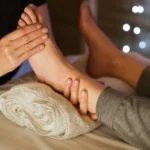
And if you’re considering professional treatment, understanding what to expect during a full body massage can help you feel more confident going in.
Understanding Side Effects of Massage
While massage is generally safe, it’s not unusual to experience mild side effects afterward.
You might feel slightly sore, tired, or even a bit off for a short period. This is often a normal response as your body adjusts to increased circulation and muscle release.
If you’re unsure what’s normal, it’s worth reading about common massage side effects so you know what to expect.
FAQs
How does massage help sciatica pain?
Massage helps sciatica by releasing tight muscles around the sciatic nerve, especially in the glutes and lower back. This reduces pressure on the nerve, improves circulation, and eases inflammation. Over time, this can lead to less pain and better mobility 👍
Where should you massage for sciatica?
Focus on the glutes, lower back, and hamstrings rather than the nerve itself. These areas often create pressure on the sciatic nerve. Releasing tension here helps reduce pain, improve movement, and prevent further irritation ⚡
Can you massage the sciatic nerve directly?
No, you should avoid massaging the sciatic nerve directly. Applying pressure to the nerve can worsen symptoms and increase discomfort. Instead, massage the surrounding muscles like the piriformis and glutes to safely relieve pressure 🙌
What is the best massage for sciatica?
Deep tissue and trigger point massage are the most effective for sciatica. They target deeper muscle tension that contributes to nerve compression, helping reduce pain and improve flexibility when applied correctly 💪
How often should you massage sciatica?
Most people benefit from massage two to three times per week. For more persistent pain, lighter daily massage can help. Consistency is key, but pressure should remain controlled to avoid irritation 👍
Can massage worsen sciatic nerve pain?
Yes, massage can worsen pain if too much pressure is used or the nerve is irritated directly. Always use slow, controlled techniques and stop if pain increases during or after the session ⚠️
Does massage give instant sciatica relief?
Massage can provide immediate relief by relaxing tight muscles and improving circulation. However, lasting results usually require consistent sessions combined with stretching and movement habits 💙

Final Thoughts
Sciatic pain can feel overwhelming, especially when it starts to interfere with everyday life.
But in many cases, it’s manageable — and massage is one of the most effective tools you can use to take control of it.
By focusing on the right areas, using controlled pressure, and staying consistent, you can reduce discomfort and support your body’s natural healing process 💙
It’s not about forcing change overnight. It’s about creating the conditions your body needs to recover — one step at a time.
Reviewed March 2026 by April Merrick, Wellness Editor
📚 References
🔗 Spine Health: Sciatica Exercises for Sciatica Pain Relief
🔗American Massage Therapy Association: Massage Therapy for Sciatic Nerve Pain
🔗 Harley Street Specialist Clinic Clinic: 10 Massage Techniques For Sciatica Pain Relief
🔗 Mayo Clinic: Sciatica – Diagnosis and treatment of Sciatica Pain
⚠️ Disclaimer:
This article is for informational purposes only and does not constitute medical advice. Always consult with a licensed healthcare provider or certified massage therapist before beginning any new treatment, especially if you have pre-existing health conditions or concerns.
About The Author