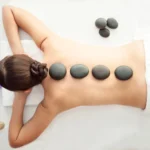
A lot of people book what they think is a “normal massage” and end up surprised when the therapist spends nearly the entire session working on one tight shoulder, an old injury, or stubborn lower back pain instead of doing a relaxing full-body treatment.
That’s usually the difference between relaxation massage and medical massage 😊
Medical massage is designed less around pampering and more around helping solve a physical problem. For some people, that means improving mobility after an injury. For others, it’s about managing chronic muscle tension, posture-related pain, headaches, or stiffness that keeps returning no matter how much stretching they do.
In recent years, medical massage therapy has become increasingly popular among office workers, athletes, active adults, and people dealing with everyday muscular pain from modern lifestyles. Sitting too long, poor posture, repetitive movement, stress, and lack of mobility can all place enormous strain on the body over time.
While medical massage is not a replacement for proper medical care, it can play an important supportive role in pain management, rehabilitation, and recovery 💙
Quick Answer: What Is Medical Massage?
Medical massage is a targeted form of massage therapy designed to help manage pain, improve mobility, and support recovery from injuries or chronic muscle tension. Unlike a regular relaxation massage, it focuses on specific problem areas within the body using techniques such as deep tissue massage, trigger point therapy, stretching, and soft tissue work 😊
Table of Contents
What Is Medical Massage?
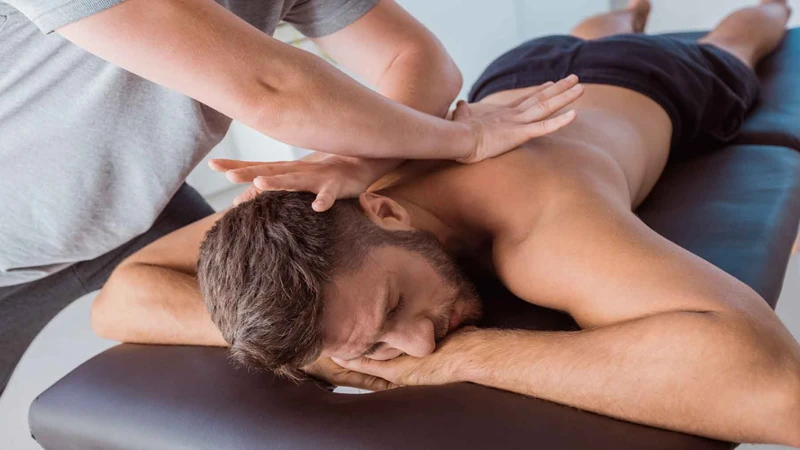
Medical massage is a targeted form of massage therapy focused on treating specific muscular issues, tension patterns, mobility restrictions, or soft tissue dysfunction within the body.
Unlike a spa massage that mainly aims to help you relax, medical massage is usually centered around a treatment goal. The therapist works on areas connected to pain, injury recovery, restricted movement, or chronic muscular tightness rather than simply following a full-body routine.
One reason medical massage feels different is because sessions are often highly customized. Two people may book the same treatment and receive completely different approaches depending on what their body needs.
For example, someone dealing with headaches caused by neck tension may receive focused work around the shoulders, upper back, scalp, and jaw. Another person recovering from a sports injury may need mobility work, stretching, and deeper soft tissue treatment around the hips or calves.
The goal is usually to help reduce discomfort, improve function, support recovery, and help the body move more naturally again 💆♂️
Some clinics may refer to this approach as clinical massage therapy or therapeutic medical massage depending on the treatment style being used.
How Medical Massage Differs From Regular Massage
Many people assume medical massage simply means “a harder massage,” but that’s not really accurate.
A regular relaxation massage is generally designed to calm the nervous system, reduce stress, and create an overall sense of wellbeing. Medical massage is much more focused on addressing a physical issue or muscular dysfunction.
The difference often starts before the treatment even begins.
A medical massage therapist may ask questions about:
- posture habits
- old injuries
- pain triggers
- work setup
- exercise routines
- mobility limitations
Some therapists also assess movement patterns, muscle tightness, or posture before beginning treatment.
During the session itself, the therapist may spend most of the appointment focused on only one or two areas of the body. That surprises some people at first, especially if they expected a traditional spa-style experience.
For example, people who work long hours at desks commonly develop tightness through the neck, shoulders, and upper back. In many cases, the therapist may focus almost entirely on releasing those restricted muscles instead of treating the whole body evenly. People dealing with ongoing upper-body tension often notice improvements in posture and mobility after targeted treatment. The benefits of back massage can extend well beyond simple relaxation 😊
If upper-body tension is something you regularly deal with, massage for tight shoulders explains some of the common causes behind that tight, heavy feeling many people experience after long days sitting or working at a computer 💻
What Conditions Can Medical Massage Help?
Medical massage is commonly used to support a wide range of muscular and mobility-related issues.
One of the most common reasons people seek treatment is chronic back or neck tension. Modern lifestyles often involve long periods of sitting, poor posture, driving, stress, and repetitive movement patterns that gradually overload certain muscles while weakening others.
Over time, that imbalance can create stiffness, restricted mobility, headaches, and ongoing discomfort that never fully settles.
Athletes and active individuals also frequently use massage during rehabilitation and recovery 🏃♂️ Massage may help improve circulation, reduce muscular tightness, and support mobility after training or injury. Some people also use percussion therapy tools between massage sessions to help manage muscular tightness and recovery soreness at home. If you’re new to using one safely, how to use massage gun on lower back explains proper technique and areas to avoid 😊
Some people also turn to medical massage for:
- tension headaches
- shoulder tightness
- jaw pain
- repetitive strain injuries
- hip discomfort
- muscular fatigue
- posture-related stiffness
Stress itself plays a bigger role than many people realize 😓
When stress levels stay elevated for long periods, the body often responds physically by tightening muscles around the shoulders, neck, jaw, chest, and lower back. Many people carry that tension every single day without realizing how much strain it places on the body.
Medical massage may help interrupt some of those tension patterns and encourage the muscles to relax more effectively.
People recovering from muscular strains or overworked muscles sometimes explore targeted treatment options as well. If that sounds familiar, massage a pulled muscle explains how massage is sometimes used during recovery and when deeper pressure should be avoided.

What Happens During a Medical Massage Session?
Your first appointment will usually begin with a conversation about your symptoms, pain history, lifestyle, and movement limitations.
The therapist may ask when the pain started, what activities make it worse, whether you’ve had previous injuries, and how your body feels during daily activities like sitting, standing, exercising, or sleeping.
This part of the process is important because pain doesn’t always originate exactly where you feel it.
For example, tight hips can sometimes contribute to lower back tension. Shoulder pain may be connected to posture problems higher up through the neck and upper spine. Headaches are frequently linked to tight muscles around the shoulders and scalp.
Once treatment begins, the pressure may vary depending on the goal of the session. Some areas may feel tender, especially if the muscles are heavily restricted or trigger points are involved.
That said, treatment should still feel controlled and manageable 👍
A good therapist usually works with your body rather than aggressively fighting against it.
After the session, some people feel immediate relief and improved mobility. Others experience mild soreness for a day or two afterward, particularly if deeper soft tissue work was involved.
That post-massage soreness is actually pretty common. If you’ve experienced it before, why am I sore after a massage explains why it happens and what usually helps the recovery process.
Benefits of Medical Massage
One reason medical massage therapy continues growing in popularity is because many people are searching for non-invasive ways to manage muscular pain and tension without relying entirely on medication.
While results vary from person to person, treatment may help:
- reduce muscle tightness
- improve mobility
- support flexibility
- encourage better circulation
- reduce stress-related tension
- improve overall movement quality
Many people also notice posture improvements over time, especially when chronic tightness around the shoulders, hips, and lower back begins to ease 😊
Office workers often experience this firsthand. Sitting at a desk for years can gradually pull the body into unhealthy movement patterns that create stiffness through the spine, chest, shoulders, and hips.
Massage can sometimes help counteract part of that strain by improving tissue mobility and helping tight muscles relax.
People dealing with ongoing upper-body discomfort may also benefit from learning more about the benefits of back massage, particularly when tension is connected to stress, poor posture, or repetitive daily movement.
Many people combine massage therapy with stretching, mobility exercises, hydration, and other recovery techniques to support long-term muscle recovery and movement quality 💪
People interested in circulation and recovery therapies may also want to explore lymphatic drainage massage, which focuses more heavily on fluid movement and swelling support within the body.
Does Medical Massage Hurt?
This is probably one of the most common questions people ask before booking 😅
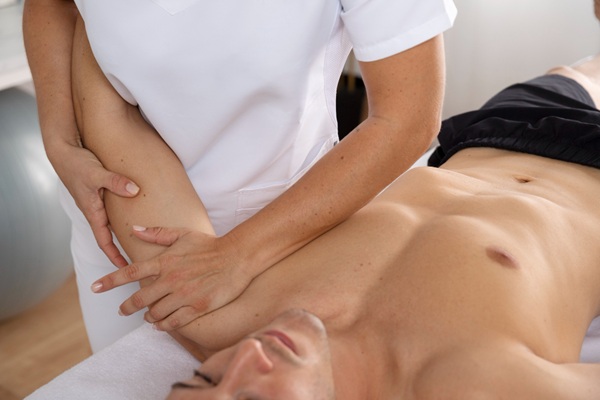
The truth is that medical massage can sometimes feel more intense than a relaxation massage because the therapist is targeting specific muscles, trigger points, or restricted tissues rather than simply helping the body relax.
However, “painful” does not automatically mean “effective.”
A skilled therapist usually adjusts pressure based on your comfort level, injury history, and how your body responds during treatment. Mild tenderness or discomfort can be normal in tight areas, but sharp or overwhelming pain is generally a sign the pressure is too aggressive.
Communication during treatment matters a lot 🤝
The best results usually come from working with the body gradually rather than trying to force muscles to release through excessive pressure.
If you enjoy firmer pressure styles, you may also find it helpful to learn more about deep tissue massage and how it compares to other therapeutic massage approaches.
Is Medical Massage Covered by Insurance?
Insurance coverage varies heavily depending on your provider and location.
In the United States, some health insurance plans may partially cover massage therapy if it’s considered medically necessary or included within a rehabilitation or pain-management program.
Other providers still classify massage as a general wellness service and may not offer reimbursement at all.
Some clinics may require:
- physician referrals
- treatment documentation
- injury records
- specific billing codes
Because policies vary so much, it’s usually best to contact your insurance provider directly before booking treatment 📋
Are There Any Risks?
Medical massage is generally considered safe for most healthy adults, but there are situations where extra caution is important.
People with blood clotting disorders, severe osteoporosis, uncontrolled medical conditions, active infections, or recent surgeries should speak with a healthcare professional before receiving treatment.
Pregnancy is another situation where specialized care matters 🤰 Prenatal massage therapists understand how to safely position the body and avoid techniques that may create unnecessary discomfort.
If pregnancy-related back tension is something you’re currently dealing with, how to massage pregnant woman back may also help.
Organizations such as Cleveland Clinic and Mayo Clinic also recommend speaking with a healthcare provider if you have underlying medical conditions before beginning new therapeutic treatments.
Medical Massage vs Deep Tissue Massage
People often use these terms interchangeably, but they are not exactly the same thing.
Deep tissue massage is a specific technique that uses slower, firmer pressure to target deeper muscle layers and connective tissue.
Medical massage is a broader treatment approach built around a therapeutic goal 🎯
A medical massage session may include deep tissue techniques, but it could also involve stretching, trigger point therapy, mobility work, lighter muscle release methods, or rehabilitation-focused treatment depending on the condition being addressed.
Some people also compare medical massage with remedial massage because both approaches focus heavily on rehabilitation, recovery, and muscular dysfunction.
Final Thoughts
Medical massage is much more than a luxury spa treatment. For many people, it becomes part of a larger strategy for managing pain, improving movement, supporting rehabilitation, and reducing chronic muscular tension.
Modern life places enormous strain on the body. Long work hours, stress, poor posture, repetitive movement, and lack of mobility can all gradually create tightness and discomfort that become difficult to ignore.
Medical massage won’t magically solve every physical problem overnight, but it can often play a valuable supportive role in helping the body feel looser, move better, and recover more effectively over time 💙
FAQs
What is medical massage used for?
Medical massage is commonly used to help manage muscular pain, chronic tension, mobility restrictions, posture problems, sports recovery, and rehabilitation support. Treatment is usually focused on a specific issue rather than general relaxation.
Is medical massage the same as deep tissue massage?
No. Deep tissue massage is one technique that may be used during treatment, while medical massage is a broader therapeutic approach focused on recovery, pain management, and improving movement.
Can medical massage help chronic pain?
Many people use medical massage to help manage chronic muscular pain and stiffness. While it’s not a cure for underlying medical conditions, it may help reduce tension, improve circulation, and support better mobility 😊
How often should you get medical massage?
That depends on the condition being treated. Some people benefit from weekly sessions during recovery, while others schedule treatment every few weeks for ongoing maintenance and tension management.
Does insurance cover medical massage?
Some insurance providers may partially cover massage therapy if it’s considered medically necessary or part of a rehabilitation program. Coverage varies significantly between providers and plans.
Reviewed May 2026 by April Merrick, Wellness Editor
📚 References
- Fried, Seth. What Is Medical Massage?” Verywell Health,
- Mason, Kaleigh. What Is Medical Massage Therapy? Benefits and Techniques. Healthline
- Cleveland Clinic: Medical Massage: What It Is and 4 Benefits
⚠️ Disclaimer:
This article is for informational purposes only and does not constitute medical advice. Always consult with a licensed healthcare provider or certified massage therapist before beginning any new treatment, especially if you have pre-existing health conditions or concerns.