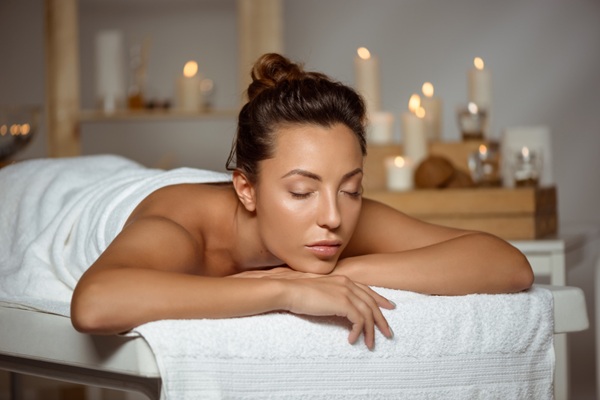
You walk into a massage expecting to feel better — lighter, looser, more relaxed.
But then it happens.
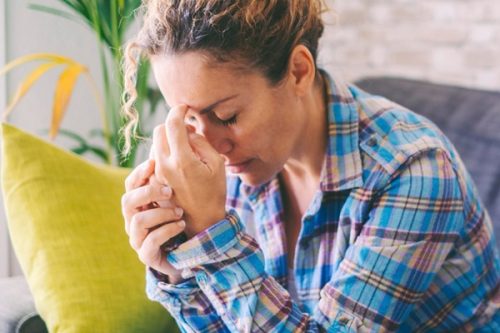
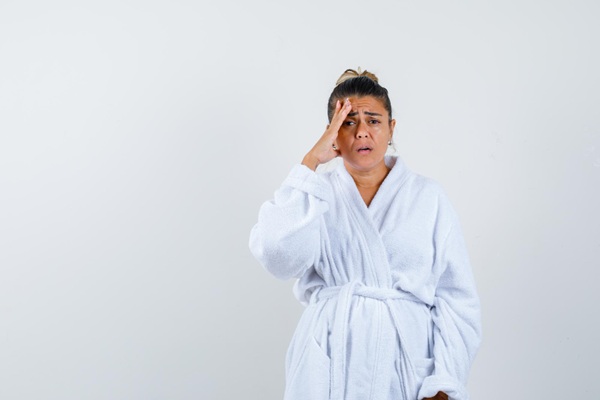
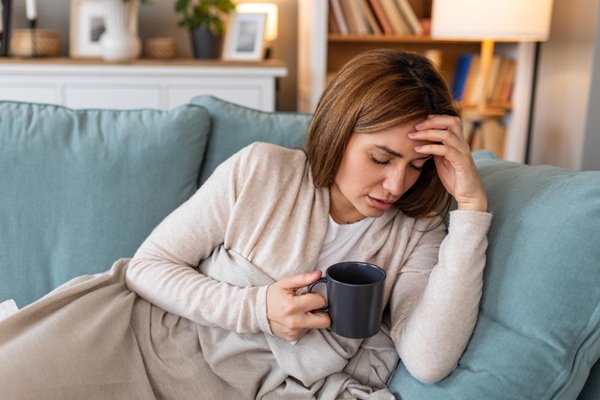
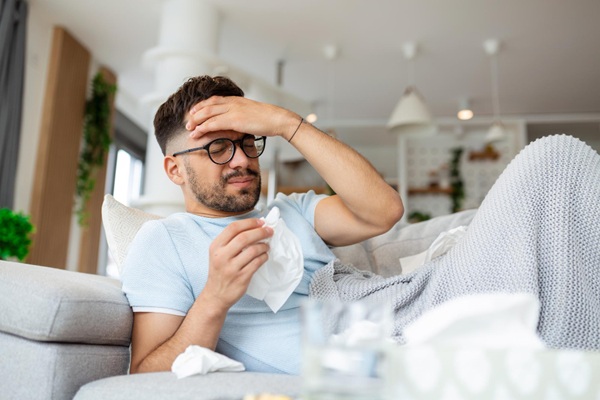
Instead of feeling refreshed, you feel a bit nauseous. Maybe dizzy. Maybe just… off.
And the first thought that hits is: “This wasn’t supposed to happen.”
If you’ve been wondering why do I feel sick after a massage, you’re not alone. It’s a surprisingly common experience — and while it can feel unsettling, it’s usually your body reacting to a series of completely normal changes happening beneath the surface.
The key is understanding why it happens — and when it’s something to pay attention to 👇
Feeling Sick After a Massage: Quick Answer
Feeling sick after a massage is usually caused by changes in circulation, muscle stimulation, and your nervous system shifting into a deeply relaxed state. Symptoms like nausea, fatigue, dizziness, or mild headaches are typically temporary and resolve within a few hours to 24 hours.
Table of Contents
What “Feeling Sick After a Massage” Actually Means
When people say they feel sick after a massage, they’re usually describing a mix of symptoms rather than one specific issue.
It might feel like:
a wave of nausea
lightheadedness when standing
unusual fatigue
a slight headache
or just a general “run down” feeling
👉 In simple terms, it’s your body adjusting to change.
Massage isn’t passive — it’s a physical stimulus that affects multiple systems at once. And sometimes, your body needs a little time to catch up.
What’s Happening Inside Your Body
A massage triggers several responses all at once, and it’s the combination of these that can leave you feeling off.
First, there’s a shift in circulation 💧 Massage increases blood flow and fluid movement throughout your body. This helps deliver oxygen to muscles and remove waste products — which is great — but it also changes how your body distributes energy and pressure in the short term.
Then there’s your nervous system 🧠 Massage activates your parasympathetic state — often called “rest and digest.” If you’ve been stressed or busy, this shift can feel quite sudden. Your heart rate slows, your body relaxes deeply, and for some people, that drop in stimulation can feel like heaviness or even nausea.
Some people also notice unexpected reactions like burping during or after a session, which is linked to nervous system relaxation. If you’re curious, here’s why you burp when you get a massage.
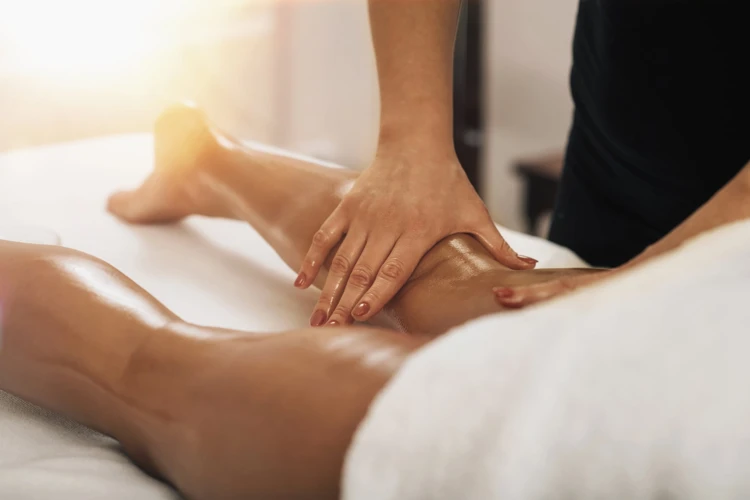
There’s also a muscular response 💪 During the massage, your muscles are stretched, compressed, and worked in ways they may not be used to. This creates a mild recovery response, similar to what happens after exercise. That’s why you might feel sore, tired, or slightly unwell afterward.
In some cases, certain areas — like the neck — may feel worse before they improve. If you’ve experienced that, this guide explains why your neck hurts worse after a massage.
And finally, there’s your body’s overall sensitivity 😵 If the pressure was strong, the session long, or your body wasn’t expecting it, the experience can feel overwhelming rather than relaxing.
Feeling sick isn’t the only reaction people experience after a massage. If you’re noticing other symptoms like soreness, fatigue, or headaches, it may be part of a broader response. 👉 Learn more about common massage side effects and what’s considered normal.
The Most Common Reasons You Feel Sick After a Massage
In most cases, it’s not one single cause — it’s a combination.
Dehydration is one of the biggest contributors 💧 Massage moves fluids through your body, and if you’re not well hydrated, this can leave you feeling dizzy or nauseous. Even mild dehydration can make symptoms feel stronger. This is also why you might feel unusually thirsty after a massage. If you’ve noticed that, here’s why you feel thirsty after a massage and what your body is telling you.
Changes in circulation and blood pressure can sometimes leave you feeling lightheaded or unsteady after a session ⚠️ If that’s something you’ve experienced, this guide on why do I feel dizzy after massageexplains it in more detail.
Muscle recovery is another factor 💪 Deep tissue massage, in particular, creates small micro-stresses in the muscles. As your body begins repairing, you may feel soreness, fatigue, or a general “off” sensation.
And sometimes, it’s simply too much, too soon 😵 If your body isn’t used to massage, or the intensity was higher than expected, your system may react with nausea or fatigue instead of relaxation.
This is also why many people feel sore after a session — especially after deeper work. If that’s something you’ve experienced, this guide on why am I sore after a massageexplains what’s happening.
Why You Might Feel Worse Before You Feel Better
This is something a lot of people don’t expect.
Massage can sometimes make you feel worse before you feel better — especially after deeper treatments.
Think of it like a workout. You don’t always feel amazing straight after exercising. There’s often a short recovery phase where your body feels sore or tired before the benefits kick in.
Massage works in a similar way.
👉 So if you’re sitting there thinking, “this doesn’t feel relaxing at all” — that’s actually more common than you might think.
Deep tissue massage can make these symptoms feel more intense, especially if your muscles aren’t used to that level of pressure. If you’ve ever felt unwell after a deeper session, this guide on can a deep tissue massage make you sick explains why it happens and what to expect.
How Long Does That Sick Feeling Last?
The good news is that it usually doesn’t last long ⏳
For most people:
symptoms last a few hours
sometimes up to 24 hours
occasionally up to 48 hours after deeper work
As your body rebalances, circulation stabilises and your muscles begin recovering, the symptoms fade.
If symptoms last longer than 48 hours or feel severe, it’s worth seeking medical advice.
Is It Normal to Feel Sick After a Massage?
Yes — in many cases, it’s completely normal 😊
Mild symptoms like nausea, fatigue, dizziness, or soreness are all part of how the body can respond to massage.
Your body should feel like it’s recovering — not struggling.
What To Do If You Feel Sick After a Massage
If you feel off after your massage, the goal is simple: support your body.
Start with hydration 💧 Water helps your body stabilise circulation and recover more comfortably.
Slow things down 🛌 Your body has just shifted into recovery mode. Give it time to settle rather than jumping straight back into a busy day.
Eat something light 🍽️ A small meal can stabilise your energy levels and help reduce nausea.
Move gently 🚶♂️ Light movement like walking can help your body adjust without overwhelming it.
And take note for next time 💬 If the pressure felt too intense or the session too long, small adjustments can completely change your experience.
You can also improve how your body responds by following proper aftercare. Here’s exactly what to do after a massageto recover faster and feel better.
How To Prevent Feeling Sick After Your Next Massage
Once you’ve experienced it, preventing it becomes much easier.
Going into your massage hydrated makes a big difference 💧 Your body handles circulation changes much more smoothly.
Communication matters too Let your therapist know your comfort level, especially if you’re sensitive to pressure.
Timing is important If you’re already exhausted, stressed, or unwell, your body is more likely to react strongly.
And don’t go too hard too fast Starting with lighter pressure and building up over time allows your body to adapt.
When Should You Be Concerned?
Most of the time, this reaction is harmless. But there are a few signs to take seriously 🚨
Seek medical advice if you experience:
persistent nausea or vomiting
severe dizziness
fainting
chest pain
symptoms lasting longer than 48 hours
These aren’t typical massage responses and should be checked.
Related: Other Massage Side Effects
Feeling sick after a massage is just one possible reaction. Some people also experience soreness, fatigue, or headaches as their body adjusts.
👉 If you want a broader understanding of what’s normal (and what’s not), explore our guide to massage side effects.
You might also want to read:
why you feel sore after a massage
what to do after a massage
These all connect and give you the full picture.
Other Symptoms You Might Notice After a Massage
Sometimes feeling sick isn’t the only reaction. Your body can respond in different ways depending on the intensity of the massage and your individual sensitivity.
You might also notice things like feeling dizzy after a session, increased thirst, unexpected reactions like burping, or even soreness and pain in certain areas.
Yes, it can be completely normal to feel slightly sick after a massage. Some people experience nausea, fatigue, or dizziness as their body adjusts to increased circulation and muscle stimulation. These symptoms are usually mild and short-lived. If they pass within a few hours to a day, there’s typically nothing to worry about.
Why do I feel nauseous after a massage session?
Nausea after a massage is often linked to changes in circulation, nervous system response, or mild dehydration. Deep tissue work can also create temporary muscle stress, similar to exercise. These factors combined can leave you feeling slightly off. Staying hydrated and resting after your session usually helps reduce these symptoms.
How long does sickness last after a massage?
Most post-massage symptoms, including nausea or fatigue, last only a few hours. In some cases, they can continue into the next day, especially after a deep or intense session. If symptoms persist beyond 24–48 hours or feel severe, it’s a good idea to seek medical advice to rule out other causes.
Can a massage make you feel worse before better?
Yes, especially after deep tissue or intense massages. Your body may go through a short recovery phase where you feel sore, tired, or slightly unwell before the benefits kick in. This is similar to how you might feel after a workout. These effects are usually temporary and improve with rest and hydration.
What should I do if I feel sick after a massage?
If you feel sick after a massage, focus on simple recovery steps. Drink water, eat a light meal, and allow your body time to rest. Avoid strenuous activity for the remainder of the day. Gentle movement like walking can help circulation. If symptoms worsen or don’t improve within a day or two, seek medical advice.
Final Thoughts
Feeling sick after a massage can feel unexpected — especially when you were expecting to feel relaxed and refreshed.
But in most cases, it’s simply your body adjusting to circulation changes, muscle stimulation, and a shift into a deeply relaxed state.
With the right preparation and recovery, these symptoms are usually short-lived — and over time, they become less noticeable ✨
This article is for informational purposes only and does not constitute medical advice. Always consult with a licensed healthcare provider or certified massage therapist before beginning any new treatment, especially if you have pre-existing health conditions or concerns.
John Winter is a wellness writer and massage therapy researcher with a strong focus on musculoskeletal recovery, pain management, and practical self-care techniques. As the founder of Massage For Body, he combines evidence-informed massage knowledge with realistic wellness advice to help readers move better, recover faster, and feel more connected to their bodies.
John’s writing explores topics such as deep tissue massage, muscle tension, posture-related discomfort, recovery techniques, and massage tools. His approach focuses on functional movement, long-term wellness, and making massage therapy easier to understand for everyday people.
At Massage For Body, John shares research-backed guides, technique tutorials, and product insights designed to help readers take a more informed approach to recovery and self-care. Articles written by John are researched using trusted medical references, peer-reviewed studies, and practical wellness resources to ensure content is accurate, helpful, and reader-friendly.
Articles written by John Winter are researched using peer-reviewed studies, trusted medical references, and practical wellness resources to provide accurate, reader-friendly wellness information.
We use cookies on our website to give you the most relevant experience by remembering your preferences and repeat visits. By clicking “Accept All”, you consent to the use of ALL the cookies. However, you may visit "Cookie Settings" to provide a controlled consent.
This website uses cookies to improve your experience while you navigate through the website. Out of these, the cookies that are categorized as necessary are stored on your browser as they are essential for the working of basic functionalities of the website. We also use third-party cookies that help us analyze and understand how you use this website. These cookies will be stored in your browser only with your consent. You also have the option to opt-out of these cookies. But opting out of some of these cookies may affect your browsing experience.
Necessary cookies are absolutely essential for the website to function properly. These cookies ensure basic functionalities and security features of the website, anonymously.
Cookie
Duration
Description
cookielawinfo-checkbox-analytics
11 months
This cookie is set by GDPR Cookie Consent plugin. The cookie is used to store the user consent for the cookies in the category "Analytics".
cookielawinfo-checkbox-functional
11 months
The cookie is set by GDPR cookie consent to record the user consent for the cookies in the category "Functional".
cookielawinfo-checkbox-necessary
11 months
This cookie is set by GDPR Cookie Consent plugin. The cookies is used to store the user consent for the cookies in the category "Necessary".
cookielawinfo-checkbox-others
11 months
This cookie is set by GDPR Cookie Consent plugin. The cookie is used to store the user consent for the cookies in the category "Other.
cookielawinfo-checkbox-performance
11 months
This cookie is set by GDPR Cookie Consent plugin. The cookie is used to store the user consent for the cookies in the category "Performance".
viewed_cookie_policy
11 months
The cookie is set by the GDPR Cookie Consent plugin and is used to store whether or not user has consented to the use of cookies. It does not store any personal data.
Functional cookies help to perform certain functionalities like sharing the content of the website on social media platforms, collect feedbacks, and other third-party features.
Performance cookies are used to understand and analyze the key performance indexes of the website which helps in delivering a better user experience for the visitors.
Analytical cookies are used to understand how visitors interact with the website. These cookies help provide information on metrics the number of visitors, bounce rate, traffic source, etc.
Advertisement cookies are used to provide visitors with relevant ads and marketing campaigns. These cookies track visitors across websites and collect information to provide customized ads.