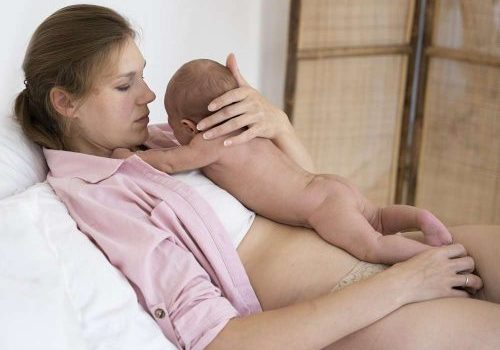
Bringing a baby into the world is an incredible experience—but it can also leave your body feeling exhausted, sore, and physically depleted. Many new mothers experience lower back pain, tight shoulders from feeding, hip discomfort, and general fatigue during the early weeks after childbirth. 🤱
This is completely normal. Pregnancy and labor place enormous strain on muscles, joints, and posture.
Because of this, many women turn to postpartum massage therapy as a way to support recovery after pregnancy and childbirth. 🌿
But one question comes up again and again:
When can you safely get a massage after giving birth?
When Can You Get a Postpartum Massage?
Quick Answer
Most women can safely get a postpartum massage once their body begins healing after childbirth.
In general, healthcare providers recommend:
👶 Vaginal birth: about 2–3 weeks after delivery
🏥 C-section birth: typically around 6 weeks or longer
⏱️Hospital massage: sometimes within 24–48 hours, if approved by medical staff
Every birth experience is different, so it’s always best to check with your doctor or midwife before scheduling a massage.
Many women also ask how soon after birth you can get a massage. While some hospitals provide very gentle massage shortly after delivery, most massage therapists prefer waiting until the body has begun healing to ensure comfort and safety. 💛
The exact timing for postpartum massage depends on your delivery method and overall recovery.
Table of Contents
What is Postnatal Massage?
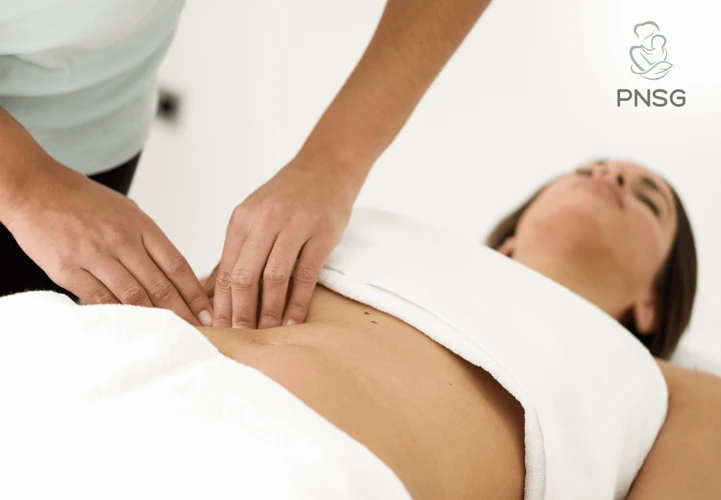
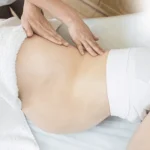
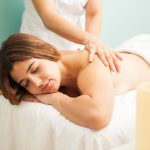
Postpartum massage—also called postnatal massage—is a type of therapeutic massage designed specifically to support a mother’s recovery after childbirth.
During pregnancy, the body undergoes major physical changes. The growing baby shifts posture, muscles stretch, ligaments loosen, and the spine carries extra weight for months. After birth, the body slowly begins returning to its pre-pregnancy state.
Postpartum massage helps support this recovery process.
Therapists typically focus on areas that experience the most strain during pregnancy and early motherhood, including the lower back, hips and pelvis, shoulders and neck, and the legs and feet.
By improving circulation and relaxing tight muscles, massage can help the body recover more comfortably.
Many mothers also find postpartum massage emotionally restorative. The early weeks with a newborn can feel overwhelming, and even a short massage session can provide a rare moment of rest and self-care. ✨
Benefits of Postnatal Massage
A postpartum massage can support both physical recovery and emotional well-being after childbirth.
Relieves Muscle Tension
Pregnancy places significant strain on the back, hips, and shoulders. After birth, feeding and carrying a newborn can add even more tension to these areas.
Massage helps loosen tight muscles and restore mobility, making everyday movements easier and more comfortable.
Helps Reduce Postpartum Back Pain
Lower back pain is extremely common after childbirth. Hormonal changes during pregnancy loosen ligaments, and caring for a newborn often involves bending, lifting, and long hours of feeding.
A gentle postpartum massage for back pain can help release tension in the lower back and hips while improving flexibility and posture. 💆♀️
Many of the same techniques used for pregnancy-related back pain can also help after birth. You can learn more in our guide on how to massage a pregnant woman’s back.
Improves Circulation
After delivery, some mothers experience swelling in the legs and feet. Massage stimulates circulation and lymphatic flow, which can help reduce fluid retention and support tissue recovery.
Improved circulation also helps deliver oxygen and nutrients to healing muscles.
Supports Hormonal Balance
Massage therapy has been shown to reduce cortisol—the body’s stress hormone—while increasing serotonin and dopamine.
These hormonal changes can help improve mood and encourage relaxation during the postpartum period. 🌸
Encourages Better Sleep
Sleep deprivation is common for new parents. Massage activates the body’s relaxation response, calming the nervous system and helping mothers rest more deeply when they have the opportunity.
Even short massage sessions may help reduce fatigue and stress.
When Can You Get a Postnatal Massage After Delivery?
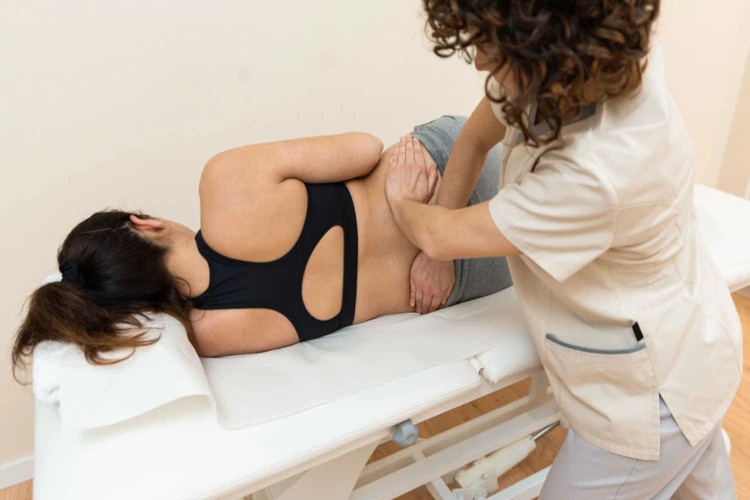
Massage After Vaginal Birth
If you delivered vaginally and experienced no complications, many healthcare providers suggest waiting two to three weeks before receiving a professional postpartum massage.
By this time:
- initial soreness has usually improved
- swelling often begins to decrease
- tissues have started healing
Massage therapists typically begin with gentle pressure and gradually increase intensity as the body recovers.
Some mothers may receive light massage earlier—particularly on the shoulders, neck, or feet—but medical approval is always recommended.
Massage After a C-Section
A C-section delivery requires additional recovery time because it involves abdominal surgery.
Most doctors recommend waiting around six weeks before scheduling a full postpartum massage.
This allows the incision to heal and the abdominal muscles to recover properly.
However, gentle massage may still be possible before six weeks if it avoids the abdominal area. Therapists can often safely work on areas such as the shoulders, upper back, neck, and legs or feet.
Always consult your doctor before booking a massage after a C-section to ensure your body is ready.
If you’re still navigating what’s safe during pregnancy, check out our complete guide to massage during pregnancy to understand what techniques to use and avoid.
Best Types of Massage for Postpartum Recovery

Not all massage techniques are suitable immediately after childbirth. Gentle, restorative techniques are usually the safest choice.
Swedish Massage
Swedish massage is one of the most commonly recommended styles for postpartum recovery. It uses long, flowing strokes that help relax muscles and improve circulation.
This technique is gentle enough for early recovery while still providing relief from muscle tension. 🌿
Lymphatic Drainage Massage
Some mothers experience swelling in the legs or feet after childbirth.
Lymphatic drainage massage uses extremely light movements to encourage fluid movement through the lymphatic system. This technique may help reduce swelling and support the body’s natural healing processes.
Gentle Therapeutic Massage
Some massage therapists specialize in postpartum recovery and combine several gentle techniques to address common discomforts.
These treatments often focus on relieving tension in the back, neck, and shoulders—areas that frequently become tight during early motherhood.
Safety Tips for Postpartum Massage
Postpartum massage is generally safe when performed at the appropriate time and by a qualified therapist. However, a few precautions help ensure the best experience.
Speak With Your Healthcare Provider
Before scheduling a massage, ask your doctor or midwife whether your body has healed enough for massage therapy.
This is especially important if you experienced complications during pregnancy or delivery.
Choose a Therapist Experienced in Postnatal Massage
A therapist trained in postpartum massage understands how the body changes after childbirth and can adjust pressure, positioning, and techniques accordingly.
Avoid Deep Tissue Massage Too Early
Deep tissue massage may be too intense during early recovery. Gentle techniques are usually the safest starting point while muscles and tissues are still healing.
Listen to Your Body
Massage should feel relaxing and restorative. If you experience discomfort or pain, let your therapist know immediately. Your recovery should always come first. 💛
Can Postpartum Massage Help With Stress and Emotional Recovery?
The weeks after childbirth can be emotionally intense. Hormonal shifts, sleep deprivation, and the responsibility of caring for a newborn can leave many mothers feeling overwhelmed.
A gentle postpartum massage can provide more than just physical relief. Massage therapy encourages the body to release endorphins—natural chemicals that help promote relaxation and emotional balance. At the same time, massage may lower cortisol levels, the hormone associated with stress.
For many mothers, a massage session becomes one of the few moments dedicated entirely to their own well-being. Taking this time for self-care can help reduce mental fatigue and restore a sense of calm during the early weeks of motherhood. 🌸
Postpartum Massage and Pregnancy Massage
Massage during pregnancy follows slightly different guidelines than postpartum massage. Some tools and techniques that are safe for general muscle relief may need to be used carefully during pregnancy. For example, many mothers wonder whether massage guns are safe during pregnancy, since these devices deliver deep percussive pressure to muscles.
For example, certain pressure points are avoided during pregnancy because they may stimulate contractions.
You may also find relief from techniques similar to those described in how to massage a pregnant woman’s back, which can continue helping relieve muscle tension after childbirth.

If you’re still pregnant and planning ahead, it’s important to understand which areas to avoid. This guide on pressure points to avoid during pregnancy can help you stay safe before birth.
Frequently Asked Questions
Is it safe to get a massage while breastfeeding?
Yes, massage is generally safe while breastfeeding. Many mothers find that massage helps relieve tension in the shoulders, neck, and upper back caused by feeding and holding their baby. Inform your therapist that you are breastfeeding so they can avoid pressure on sensitive areas and ensure comfortable positioning during the massage. 🤱
How often should you get a postpartum massage?
Many therapists recommend scheduling a massage every two to four weeks during the first few months after childbirth. Regular sessions can help reduce muscle tension, improve circulation, and provide valuable relaxation during the demanding early months of motherhood.
Can postpartum massage help reduce swelling?
Gentle massage techniques—particularly lymphatic drainage—may help reduce swelling in the legs and feet after childbirth. These techniques encourage fluid movement through the body and support healthy circulation. However, significant swelling should always be evaluated by a healthcare professional.
Do you need a doctor’s approval for postpartum massage?
In most cases, it is recommended to speak with your doctor or midwife before receiving a postpartum massage. They can confirm that your body has healed enough and that there are no complications that might make massage unsafe.
Final Thoughts
Postpartum massage can be a powerful way to support recovery after childbirth. When performed at the right time and by an experienced therapist, it may help relieve muscle tension, improve circulation, and promote emotional relaxation.
The most important step is listening to your body and following the advice of your healthcare provider.
Once you’re ready, a gentle massage can offer a much-needed moment of care and relaxation during one of life’s most demanding—and rewarding—transitions. Whether you’re recovering from a vaginal birth or a C-section, a carefully timed postpartum massage can help your body relax, heal, and regain strength during the weeks following childbirth.🌿
If you’re exploring different massage techniques for recovery or relaxation, you may also find our guide to Swedish massage helpful.
📚 References
- American Pregnancy Association: Postpartum Massage
- Mayo Clinic: Massage After Delivery
- My Expert Midwife: A Guide to Postnatal Massage
⚠️ Disclaimer:
This article is for informational purposes only and does not constitute medical advice. Always consult with a licensed healthcare provider or certified massage therapist before beginning any new treatment, especially if you have pre-existing health conditions or concerns.
About The Author






I wanted to thank you for this great read!! I definitely enjoying every little bit of it I have you bookmarked to check out new stuff you post…