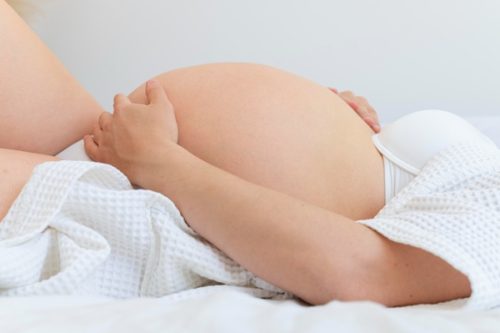
Pregnancy changes your body in ways you don’t always expect. As your posture shifts and muscles work harder to support that change, it’s natural to look for relief. Massage often comes up as an option—but is a massage safe during pregnancy, or something you should avoid?
Is Massage Safe During Pregnacy? Quick Answer
Massage is generally safe during pregnancy when performed by a qualified prenatal therapist, particularly after the first trimester. However, women with high-risk pregnancies or complications should consult a doctor before booking a massage.
If you’re exploring the topic more broadly, this guide to massage during pregnancy covers benefits, safety, and what to avoid in more detail.
Table of Contents
🤰 Is a Massage Safe During Pregnancy?
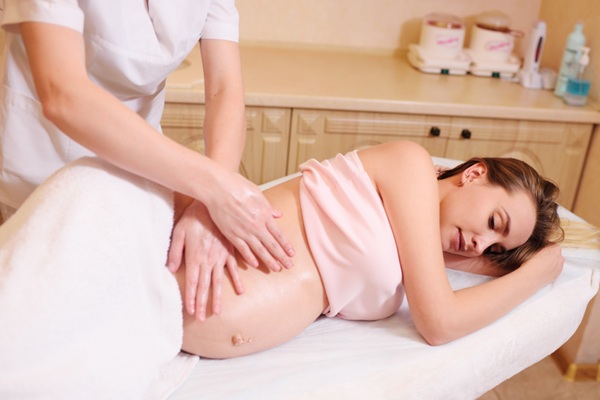
For most women with a healthy pregnancy, the answer is yes—massage can be both safe and genuinely helpful. If you’ve been wondering whether a massage while pregnant is safe, the key factor is how the treatment is adapted.
If you’re new to massage, it can also help to understand what to expect from a full body massage, so you know how treatments are typically structured and what feels normal.
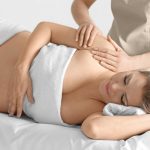
As your body changes, tension tends to build in the lower back, hips, and shoulders. Prenatal massage is designed to support these changes rather than work against them, using gentle techniques that prioritise comfort and circulation.
Most therapists recommend waiting until the second trimester. This cautious approach is common in prenatal massage safety guidelines, even though there’s no strong evidence that massage itself causes harm early on.
⚠️ When Massage May Not Be Safe
While pregnancy massage safety is well established for most women, there are situations where extra care is needed.
If your pregnancy is considered high-risk, or if you’ve experienced complications in the past, it’s worth speaking with your healthcare provider first. Conditions like high blood pressure, unusual swelling, or a history of miscarriage can influence whether massage is appropriate.
According to organisations like Cleveland Clinic, massage can still be beneficial in many cases, but should be adapted carefully when medical conditions are involved.
Even in a healthy pregnancy, listening to your body matters. Massage should never feel uncomfortable or overwhelming—if it does, something needs adjusting.
🚫 What Should Be Avoided During Pregnancy Massage?
A safe massage during pregnancy isn’t just about technique—it’s also about what’s avoided.
Positioning is one of the most important factors. Lying flat on your back later in pregnancy can reduce circulation and leave you feeling lightheaded, which is why most prenatal treatments use a supported side-lying position.
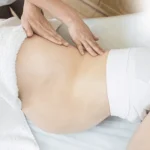
You’ll also notice that certain areas are approached more gently. The abdomen is usually avoided, especially early on, and deeper pressure through the lower back is used with care. Some therapists also avoid strong pressure around the ankles and wrists as a precaution.
Some areas, particularly around the ankles and wrists, are often treated with caution—learn more about pressure points to avoid during pregnancy.
🌿 Benefits of Pregnancy Massage
When done correctly, massage can provide more than just relaxation. It can make a noticeable difference in how your body feels day to day.
As your pregnancy progresses, many women experience less tension in the back and hips, improved sleep, and a reduction in swelling in the legs and feet. These benefits are linked to improved circulation and reduced muscle tightness.
Research-backed health resources like Healthline also highlight the role of massage in reducing stress hormones, which can support overall wellbeing during pregnancy.
It’s not just physical relief either. Taking time to slow down and reconnect with your body can have a powerful calming effect, especially during a time that can feel overwhelming.
Foot massage can also help relieve swelling, although it’s important to understand foot massage when pregnant and how to do it safely.
👶 Can Massage Harm the Baby?
This is often the biggest concern—and completely understandable.
The reassuring reality is that a properly performed prenatal massage does not harm the baby. Your baby is well protected within the uterus, and massage techniques are designed to support your body, not apply pressure to the pregnancy itself.
Where risk can arise is when massage isn’t adapted properly. Incorrect positioning, excessive pressure, or an untrained therapist can create unnecessary discomfort.
Guidance from organisations like Mayo Clinic reinforces that safe massage during pregnancy depends on proper technique and professional experience.
Much of the discomfort during pregnancy comes from muscle strain rather than anything affecting the baby directly, which is why techniques like back massage during pregnancy can be so effective when done correctly.

🌙 How Your Body Changes During Pregnancy
As your baby grows, your centre of gravity shifts and your posture adapts. Muscles that once worked in balance now take on extra strain, particularly through the lower back and hips.
Hormonal changes also play a role. The release of relaxin helps prepare your body for birth by loosening ligaments, but it can also lead to instability and tension in surrounding muscles.
Massage supports these changes rather than trying to correct them. By easing muscle tightness and encouraging circulation, it helps your body adapt more comfortably.
You can also learn simple techniques for relief at home in our guide on how to massage yourself.
🤱 Best Positions for a Safe Massage
Positioning is one of the most important aspects of prenatal massage safety.
After the first trimester, lying flat on your back is generally avoided to protect circulation. Instead, side-lying massage is used, supported with pillows to keep your body aligned and relaxed.
Some clinics offer specially designed cushions that allow for face-down positioning, but side-lying remains the safest and most widely recommended option.
🧘♀️ The Emotional Benefits
Massage during pregnancy isn’t just about physical relief—it can also have a calming effect on your mind.
If you’re feeling unsure, you’re definitely not alone. Pregnancy brings a mix of emotions, and taking time to pause and reconnect with your body can help reduce stress and improve sleep.
Many women find they leave a session feeling more grounded, which can carry through into daily life.
⏳ When Is the Best Time to Start?
Most women begin massage in the second trimester, when early symptoms like nausea and fatigue have settled and physical discomfort becomes more noticeable.
From there, it depends on your needs. Some women prefer occasional sessions, while others incorporate massage more regularly, especially in the third trimester when physical strain increases.
If you want a more detailed breakdown, see massage during pregnancy by trimester, which explains what’s safe at each stage.
🌼 How Often Should You Get a Massage?
There’s no strict rule when it comes to frequency. Many women find that a massage every few weeks is enough to manage tension, while others benefit from more regular sessions later in pregnancy.
While massage is generally safe, it’s also worth understanding common massage side effects so you know what’s normal afterwards.
The key is to listen to your body and adjust based on what feels right.
🛑 Common Myths About Pregnancy Massage
There’s a lot of mixed information out there, and it can make massage seem riskier than it actually is.
One of the most common myths is that massage can trigger miscarriage. In reality, there’s no strong evidence supporting this when massage is performed correctly.
Another misconception is that certain pressure points can induce labour. While these ideas exist in traditional practices, normal massage techniques are unlikely to have that effect in a controlled setting.
🌊 What to Expect After a Massage
After a pregnancy massage, it’s normal to feel relaxed—sometimes even a little sleepy. Your body has shifted into a calmer state, which can take some getting used to.
You may notice less tightness, improved movement, and better sleep that night. Staying hydrated afterwards can help support circulation and recovery.
💡 Making Massage as Safe as Possible
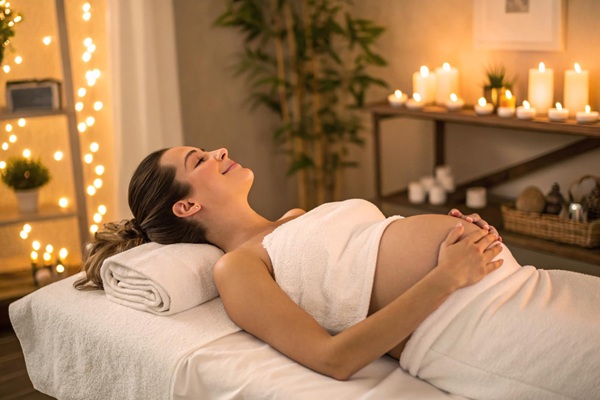
A safe experience comes down to choosing a qualified therapist, communicating openly, and listening to your body.
Let your therapist know how far along you are, and don’t hesitate to speak up if something doesn’t feel right. Massage should feel supportive, not uncomfortable.
If you’re considering tools, you might also be wondering are massage guns safe during pregnancy and how they compare to traditional massage.
🩺 When to Check With Your Doctor
If you have a high-risk pregnancy, are carrying multiples, or have underlying conditions, it’s best to get medical advice first.
This isn’t about avoiding massage—it’s about making sure it’s the right fit for your situation.
🔗 Final Thoughts
So, is a massage safe during pregnancy? For most women, the answer is yes—when it’s done correctly.
With the right approach, massage can be a simple way to ease discomfort, improve sleep, and feel more relaxed during pregnancy. If you’re unsure, a quick check with your healthcare provider can give you peace of mind 🤍
❓ FAQs
Is it safe to get a massage in the first trimester?
Massage in the first trimester is often approached with caution. While there’s no strong evidence of harm, many therapists prefer to wait until the second trimester. If you’re unsure, checking with your doctor can help guide your decision.
What type of massage is best during pregnancy?
Prenatal massage is generally the safest option because it’s specifically designed for pregnancy. It uses gentle techniques and supportive positioning to keep both you and your baby comfortable throughout the session.
Can massage induce labor?
Massage alone is unlikely to induce labor. While certain pressure points are sometimes associated with labor stimulation, normal massage techniques are not typically strong enough to trigger this response.
How often can you get a pregnancy massage?
This depends on your needs. Many women benefit from sessions every few weeks, while others prefer more regular treatments later in pregnancy as discomfort increases.
Can you lie on your stomach during a pregnancy massage?
Lying on your stomach is usually not recommended as your pregnancy progresses. In early pregnancy it may still feel possible, but it quickly becomes uncomfortable and impractical. Most therapists use a side-lying position with pillows to keep you supported and relaxed, which is considered the safest approach.
Are home massages safe during pregnancy?
Home massages can be safe during pregnancy as long as they are gentle and avoid sensitive areas. Light pressure on the shoulders, neck, and upper back is generally fine, but deeper techniques or pressure on the lower back and abdomen should be avoided. If you’re unsure, it’s always best to stick with a qualified prenatal therapist.

📖 References
⚡Cleveland Clinic. Prenatal Massage: Benefits and Safety
⚡Mayo Clinic. Prenatal Care: What to Expect During Pregnancy
⚡Healthline. Prenatal Massage: Benefits, Safety, and What to Know
⚡American Pregnancy Association: Prenatal Massage Therapy
⚡National Institutes of Health: Massage Therapy Effects on Prenatal Depression
About The Author