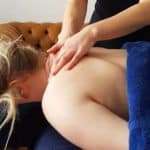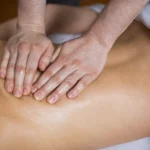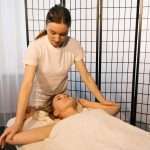
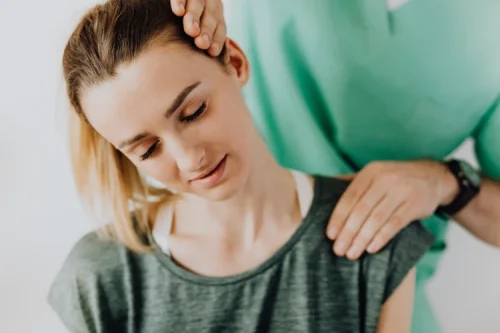
A massage is meant to leave you relaxed and refreshed, so it can be surprising when you feel sore after a massage. Although many people think of massage as a pampering experience, it’s also a form of hands-on therapy — and just like exercise or physical rehabilitation, your muscles sometimes react with temporary soreness afterward. Mild tenderness is completely normal, especially if the session involved deeper pressure or focused work on tense, congested areas.
It’s more common than you might think. According to the Cleveland Clinic, mild soreness after massage is a normal response to increased circulation and tissue manipulation. Healthline also notes that deeper techniques, particularly deep tissue work, often lead to 24–48 hours of tenderness. Even if the session felt incredible in the moment, your body may still respond with short-term discomfort afterward.
In this guide, you’ll learn why soreness happens, which massage styles trigger it most often, how long it lasts, and what you can do to feel better quickly.

Table of Contents
Why Am I Sore After a Massage?
Micro-Stress in the Muscles
Firm pressure can create tiny micro-tears in the muscle fibres, similar to what happens during a workout. This is what leads to Delayed Onset Muscle Soreness (DOMS), the same dull ache you might feel a day or two after resistance training.
Increased Circulation
Massage boosts blood flow into areas that may not have had strong circulation for a while. When these tissues suddenly receive more nourishment and movement, they may feel tender as they adjust.
Releasing Tension in Stubborn Areas
Old injuries, scar tissue, and long-standing knots can react strongly when pressure is applied. Even if you didn’t realise these areas were sensitive, they may feel more noticeable once the session is over.
Individual Sensitivity
Tip: Dehydration, stress, and even hormonal fluctuations (like your cycle) can make you more prone to post-massage soreness.
This kind of soreness is completely normal, especially after deeper treatments, and is one of the most common massage side effects people experience. 📖
Which Massage Styles Are Most Likely to Cause Soreness?
Not all massages work the same way. Some techniques aim to relax, while others are designed to work deep into the muscles — and those are the ones most likely to leave you feeling tender afterward.
💆 Deep Tissue Massage
Deep tissue work targets the deeper layers of muscle and fascia using slow, forceful strokes. Because it focuses on stubborn tension, it commonly creates next-day muscle soreness.
🏃♂️ Sports Massage
Athletes often experience tight quads, calves, hamstrings, or glutes. Sports massage breaks down adhesions and improves mobility, but it can also trigger mild DOMS as the tissues respond.
🌯 Trigger Point Therapy
This technique applies direct pressure to knots. Trigger points often release tension quickly, but the surrounding area may feel a bit achy afterward.
🌊 Thai Massage
Thai massage incorporates stretching, compression, and passive mobility. If you’re not used to being stretched deeply, you may feel sore in the hips, lower back, or shoulders the next day.
🤰 Prenatal and Lymphatic Massage
These treatments use gentle pressure, so they’re less likely to cause soreness. However, if the body is already inflamed or highly sensitive, mild tenderness is still possible.
“A little post-massage tenderness is perfectly normal — especially when we’ve worked through deeper layers of tension.”
— April Merrick, Certified Wellness Educator
How to Relieve Soreness After a Massage
Good news: there are lots of easy ways to relieve sore muscles after a massage and help your body bounce back faster.
💧 Drink Plenty of Water
Hydration helps flush out toxins and supports recovery. Aim to drink water before and after your session—especially if you’re prone to DOMS after massage.
Along with muscle soreness, some people notice head pain or pressure after a massage, which can happen when tight areas in the neck and shoulders begin to relax.
👈 Gentle Movement
Don’t just lie on the couch! Light activity—like walking, stretching, or gentle yoga—can help loosen up stiff muscles and ease back ache after massage.
🛁 Take a Warm Epsom Salt Bath
The magnesium in Epsom salts helps relax your muscles and reduce inflammation. A 20-minute soak is one of the best ways to unwind (and feels amazing after deep tissue work).
🔥 Use Heat or Ice ❄️
Use a warm compress to relax tight spots, or ice to reduce inflammation if the area is swollen. Go with what feels good—your body will tell you.
🌿 Topical Relief
Menthol-based creams (like Tiger Balm), magnesium sprays, or arnica gel can work wonders for relieving soreness after massage.
😴 Get Some Sleep
Rest is when your body repairs itself. Try to get a full night’s sleep after your massage to give your muscles time to heal.
💊 Consider Magnesium Supplements
If you’re consistently sore after treatments, a magnesium supplement may help with muscle relaxation and recovery.
👕 Try Compression Clothing
Post-sports massage, compression leggings or sleeves may improve circulation and reduce DOMS after massage.
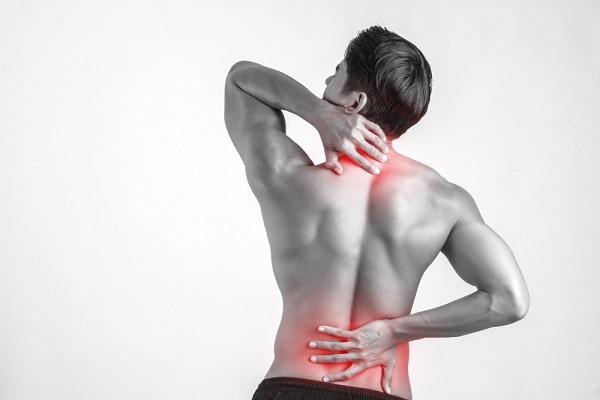
⚠️ When Is Post-Massage Pain a Red Flag?
Mild, achy soreness is normal. Sharp, stabbing, or persistent pain is not.
Get medical advice if you notice:
- Pain lasting more than 72 hours
- Significant swelling or dark bruising
- Tingling or numbness
- Joint pain that feels unstable or “wrong”
- Intense discomfort during simple movements
If you’re on blood thinners, have circulatory conditions, recent injuries, or are pregnant, always let your therapist know before treatment so they can adjust pressure appropriately.
How to Prevent Massage Soreness Next Time
The best way to minimise soreness is to communicate clearly with your therapist. If pressure ever feels too intense, speak up — they can adjust instantly.
A few other simple habits help too:
- Drink enough water the day before and after your session
- Avoid intense workouts immediately after a massage
- Book regular treatments so your muscles adapt
- Warm up your body with a short walk before your appointment
- Request lighter pressure in areas that are extra sensitive
Over time, as your muscles become more flexible and less reactive, soreness after massage tends to fade or disappear entirely.
❓ Frequently Asked Questions
Is soreness after a massage normal?
Yes. It’s a common response, especially after deep pressure or targeted work.
Does soreness mean the massage was effective?
Not necessarily. Effective massage is measured by improved mobility and reduced tension — not how sore you feel afterward.
Is bruising normal?
Light bruising can happen with deeper pressure, but heavy bruising is not expected.
Can a massage therapist feel knots?
Yes. Skilled therapists can detect areas of tightness or congestion.
Can a therapist feel inflammation?
They may notice heat, swelling, or increased sensitivity, which often indicates inflammation.
Can I exercise after a massage?
Gentle movement is fine, but leave high-intensity training for the next day.
Does soreness after deep tissue massage mean it “worked”?
Temporary tenderness is common, but long-term relief is a better indicator of effectiveness.
🛍️ Final Thoughts: Soreness Is Temporary—Relief Is Worth It
Feeling sore after a massage is usually a sign that your muscles are responding and adjusting to the work that was done. With good aftercare — hydration, rest, light movement — most people feel significantly better within 24–48 hours. As your body becomes more accustomed to regular treatments, post-massage soreness typically becomes less frequent, allowing you to enjoy the benefits of massage without the next-day ache.
📙 More Articles on Massage Side Effects
👉 Massage Side Effects
👉 Why Do I Feel Sick After a Massage?
👉 Why Do I Burp After a Massage?
👉 Should You Massage Lymph Nodes When Sick?
📚 References
- Cleveland Clinic. “Why You Might Feel Sore After a Massage.”
- Why You’re Sore After a Massage and What You Can Do About It – Healthline
- Sore After a Massage: Causes and What To Do – Healthline
- What to Do If You’re Sore After a Massage – The Good Body
Reviewed November 2025 by April Merrick, Wellness Editor
⚠️ Disclaimer:
This article is for informational purposes only and does not constitute medical advice. Always consult with a licensed healthcare provider or certified massage therapist before beginning any new treatment, especially if you have pre-existing health conditions or concerns.
About The Author