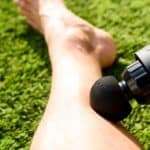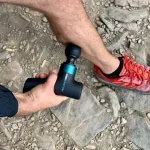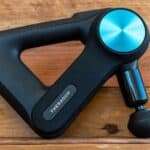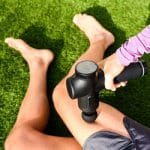
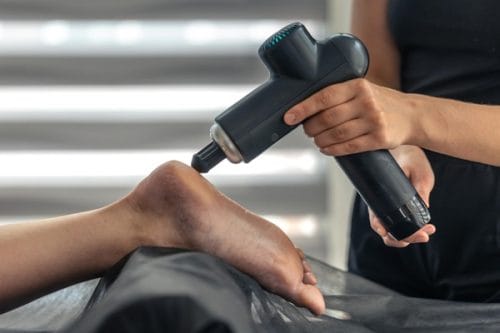
Using a massage gun on your feet can feel incredibly relieving after a long day, intense training, or hours spent standing 🦶. If you’re wondering how to use a massage gun on feet safely, it’s important to understand that feet are very different from larger muscle groups like the calves or thighs. They contain dense connective tissue, sensitive nerves, and load-bearing structures that require a gentler, more controlled approach.
This guide focuses specifically on how to use massage gun on feet based on foot anatomy, which responds very differently to percussion therapy due to thick fascia, high nerve density, and constant weight-bearing demands. When used correctly, a massage gun can help ease tension, improve circulation, and support recovery 😊. When used incorrectly, it can aggravate pain or worsen conditions such as plantar fasciitis — which is why proper technique and restraint matter.
Table of Contents
Can You Use a Massage Gun on Your Feet?
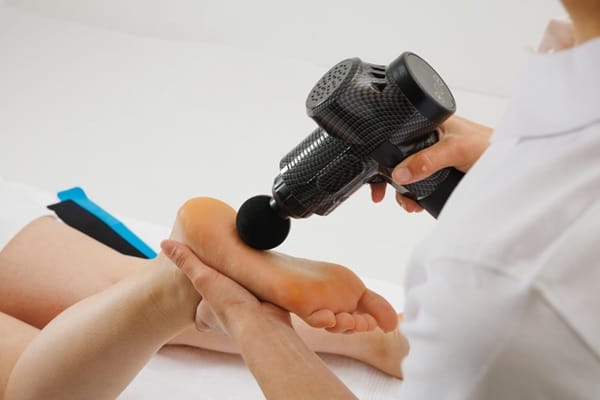
Yes, you can use a massage gun on your feet — but with caution ⚠️.
The soles of the feet are packed with nerve endings and fascia rather than large muscle tissue. Because of this, feet tolerate less pressure, lower speeds, and shorter sessions than areas like the quads or glutes.
A massage gun may be helpful for:
- General foot fatigue after long days 👣
- Tight arches
- Post-exercise soreness
- Mild plantar fascia tightness (not acute inflammation)
It may not be appropriate if you have nerve damage, poor circulation, stress fractures, or severe foot pain. If you’re unsure, it’s best to speak with a podiatrist or healthcare professional before using percussion therapy.
How to Use a Massage Gun on Your Feet (Step-by-Step)
Using a massage gun on your feet is about control, not power 💡.
Start slow, stay gentle, and focus on how your feet respond rather than how intense the massage feels.
Begin by removing shoes and socks and making sure your feet are clean and dry. Avoid lotions or oils, as they can reduce grip and control. Sit comfortably so you can reach your foot without straining.
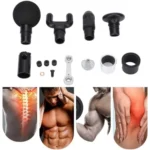
Choose a soft, flat, or rounded attachment. Bullet or fork heads are too intense for the small structures of the feet and can easily irritate nerves.
Always start on the lowest speed setting. You should feel gentle vibration, not sharp impact or discomfort. Glide the massage gun slowly over the foot, keeping it moving at all times 🔄. Never hold it in one spot.
Work in short intervals, spending 30–60 seconds per area. A full session should last no more than 5–10 minutes per foot. If you feel tingling, numbness, or sharp pain, stop immediately — these are signs the pressure or speed is too high.
Tightness in the hamstrings can also affect how your feet and calves feel, so learning about using a massage gun on your hamstrings may help support full lower-body recovery.
Where to Use a Massage Gun on Your Feet
Some areas respond better than others when treated gently and mindfully.
The arch of the foot often holds tension, especially for runners or people who stand all day. Light pressure and slow passes along the arch can feel soothing when done correctly 😊.
The ball of the foot may become sore from prolonged walking or standing. Keep the speed low and avoid pressing down forcefully.
The top of the foot contains small muscles that can benefit from gentle massage, particularly after wearing tight footwear.
You can also lightly massage the lower calf and ankle area, which may help reduce tension that pulls into the plantar fascia and contributes to foot discomfort.
Areas to Avoid When Using a Massage Gun on Your Feet
Some areas should not be treated directly with a massage gun ❌.
Avoid using percussion therapy on:
- The heel bone
- The Achilles tendon insertion
- Swollen or inflamed tissue
- Open wounds or broken skin
- Areas causing sharp or stabbing pain
Targeting these areas directly can worsen irritation or delay healing.
Using a Massage Gun for Plantar Fasciitis
Plantar fasciitis is a common cause of heel pain, often felt most strongly in the morning. While massage guns are frequently discussed as a treatment option, they must be used carefully.
A massage gun should not be used directly on an acutely inflamed plantar fascia. Percussion on active inflammation can increase pain rather than relieve it 😬.
If you choose to use a massage gun, focus on surrounding tissue rather than the painful spot, use the lowest speed only, keep sessions short, and stop immediately if symptoms worsen. For many people, stretching, manual massage, and calf work are safer first-line approaches.
Common Mistakes People Make When Using a Massage Gun on Their Feet
One of the biggest mistakes is using too much intensity. More power does not mean better results — feet usually respond best to gentle vibration.
Another common issue is holding the massage gun in one spot for too long, which can irritate nerves quickly.
Using hard or pointed attachments concentrates force in small areas and often leads to flare-ups. Ignoring warning signs such as tingling or numbness is also a problem — these sensations mean it’s time to stop, not push through 🚫.
What Shouldn’t You Do When Using a Massage Gun on Your Feet?
Do not exceed 10–15 minutes total per session. Overuse can cause soreness or irritation.
Avoid pressing down forcefully — let the device do the work. Do not use a massage gun on your feet if you have diabetes-related neuropathy, poor circulation, blood clots, or reduced sensation unless advised by a healthcare professional.
If pain increases during or after use, stop and allow your feet time to recover 🧘♀️.
Frequently Asked Questions
Are massage guns good for foot pain?
Massage guns can help relieve certain types of foot discomfort, particularly muscle tightness and general fatigue. They may improve circulation and reduce stiffness when used gently. However, they are not suitable for all causes of foot pain, such as stress fractures or acute plantar fasciitis flare-ups. Always match the tool to the condition and avoid excessive pressure.
Can you use a massage gun on the soles of your feet?
Yes, but with caution. The soles of the feet contain many nerve endings and sensitive structures. Use a soft attachment, the lowest speed setting, and keep the massage gun moving at all times. Short sessions are best, and any sharp or uncomfortable sensation is a sign to stop.
Where should you not use a massage gun?
Massage guns should not be used on open wounds, inflamed tendons, areas with active infection, blood clots, or areas with reduced sensation. People who are pregnant, have pacemakers, are on blood thinners, or have certain medical conditions should consult a healthcare professional before use.
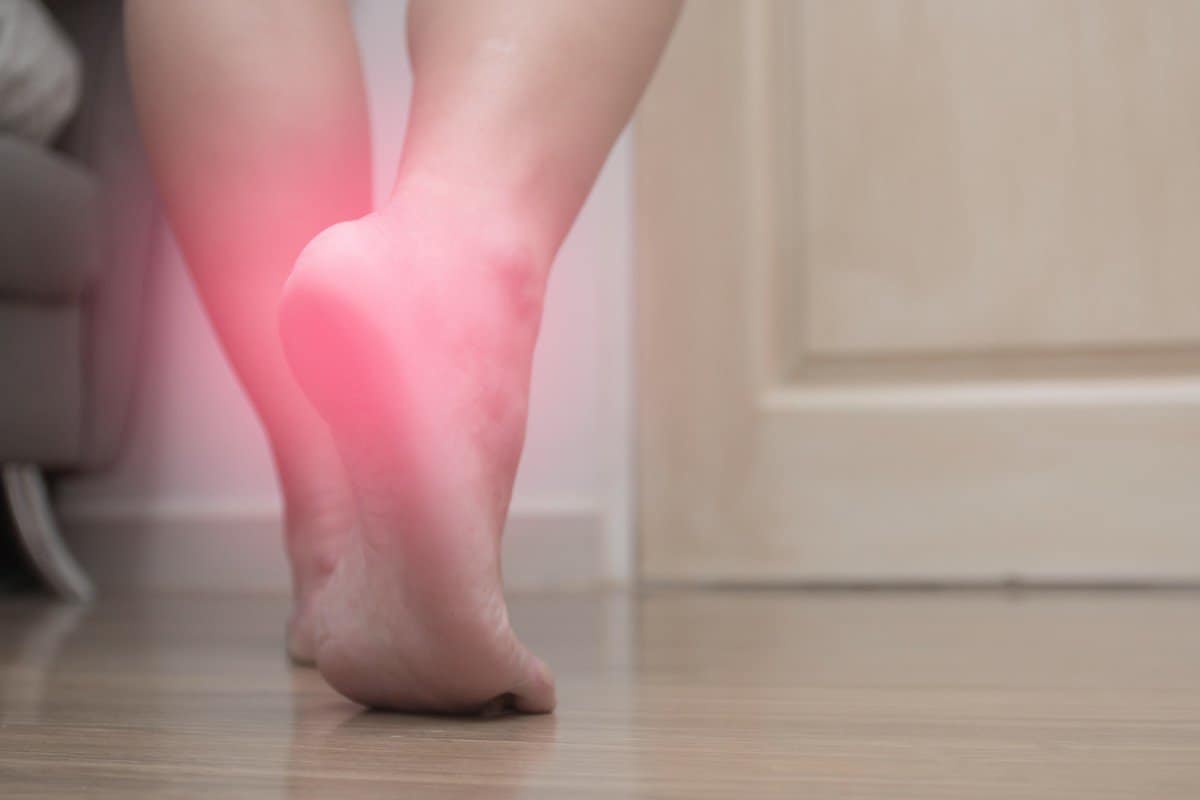
Conclusion
A massage gun can be a helpful tool for easing foot tension and soreness when used correctly. The key is recognizing that feet require a gentler approach than larger muscle groups. Low speed, light pressure, constant movement, and short sessions are essential.
Used mindfully, percussion massage can support relaxation and recovery 😊. Used aggressively, it can do more harm than good. If foot pain is persistent or severe, professional assessment is always the safest option.
💡 Related Articles:
- Can Massage Help a Pinched Nerve?
- Mebak 3 Massage Gun Review
- Review: Compare Theragun Models
- Massage Gun for Knots: Expert Advice for Faster, Safer Relief
📚References:
⚠️ Disclaimer:
This article is for informational purposes only and does not constitute medical advice. Always consult with a licensed healthcare provider or certified massage therapist before beginning any new treatment, especially if you have pre-existing health conditions or concerns.
About The Author