Massage guns are everywhere, from gym bags to holiday gift guides, and they promise faster recovery, looser muscles and less pain. Some of that holds up. Some of it doesn’t. Before you spend money on one, it helps to know what a massage gun can realistically do for you.
This guide covers the main massage gun pros and cons, what the research actually shows, who a massage gun is worth it for, and who might be better off with a foam roller or a professional massage.
Quick Answer: Are Massage Guns Worth It?
For many active people, yes. A massage gun is quick and easy to use, feels good on tight muscles and can briefly improve flexibility and range of motion. The evidence for faster recovery is mixed, and studies show it doesn’t build strength or power. Effects tend to be modest and short-lived. If you want a convenient way to loosen up before or after exercise, a mid-priced model is enough. If you’re on a tight budget, a foam roller does a similar job.
Table of Contents
What Is a Massage Gun?
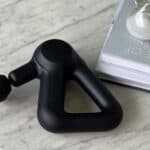
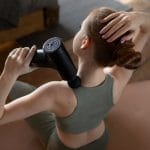
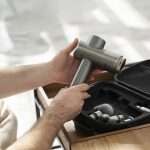
A massage gun is a handheld device with a head that moves rapidly back and forth, tapping into your muscles many times a second. This is called percussive therapy. Most guns come with several heads and speed settings, so you can switch between a gentle massage and a firmer one. If you’re new to the idea, our explainer on what percussive massage is covers how it works.
Massage Gun Pros

- Quick and convenient. A couple of minutes on each muscle group is enough, and you can do it at home, at the gym or while watching TV.
- Short-term flexibility and range of motion. A 2023 systematic review found massage guns can improve range of motion and flexibility for a short time after use.
- It feels good on tight muscles. Many people find a massage gun relieves the feeling of tightness and knots after exercise or a long day.
- Reaches spots a foam roller can’t. It’s easier to target smaller areas like the forearms, the calves or the top of the shoulders.
- Quiet, affordable options exist. You don’t need a premium model. Many budget and mini massage guns are quiet and compact.
- A useful mobility warm-up. Used briefly before a run or a workout, it can help you feel looser, as long as you’re not about to do explosive lifts or sprints.
Massage Gun Cons and Disadvantages

- Modest, short-lived effects. Flexibility gains fade, and studies haven’t shown how long benefits last beyond a day or two.
- It doesn’t build strength or replace stretching. Research shows no strength or power benefit, and a massage gun isn’t a substitute for a proper warm-up, stretching or strength training.
- Easy to overdo. Pressing hard or staying on one spot too long can leave you bruised or sore.
- Not for everyone. Some people should avoid massage guns or check with a doctor first (see the safety section below).
- Can be pricey. Premium models cost much more, and there’s no evidence that pricier massage guns work better.
- Noise, weight and battery issues. Cheaper models can be loud, heavy to hold or short on battery life.
Massage Gun Pros and Cons: What the Research Says

Massage guns are still fairly new, and the research is small. Here’s what the better studies show:
- Flexibility, yes. Strength, no. A 2023 systematic review of 11 studies with 281 people found massage guns improved short-term range of motion and flexibility. They didn’t improve strength or explosive performance and sometimes made it slightly worse. Most participants were young, healthy men.
- Soreness: some promising results. A small 2025 trial in 30 young men found percussion massage after squats eased muscle soreness at 48 hours more than static stretching did.
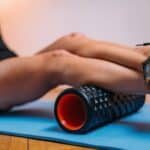
- Foam rolling may do as well or better. A 2025 study in 60 adults aged 30 to 40 found percussion massage modestly improved some muscle-tone measures compared with rest, but foam rolling did better, and neither reduced pain more than resting.
In short, a massage gun can help you feel looser for a while and may ease post-workout soreness, but it isn’t a performance booster and the effects are modest.
Who Is a Massage Gun Worth It For?
A massage gun is most likely to be worth it if you:
- Exercise regularly and want a quick way to loosen up before or after training. Runners may want to look at our picks for the best massage gun for runners.
- Have tight muscles from sitting, standing or repetitive work.
- Find a foam roller awkward or uncomfortable to get down on the floor with.
- Enjoy the feeling and will use it several times a week.
You might want to skip it, or start with a cheaper option, if you:
- Rarely exercise and only want an occasional massage.
- Expect it to fix an injury, back pain or a medical condition.
- Have a health condition from the safety list below.
- Are on a tight budget. A foam roller costs far less and has good evidence behind it.
Massage Gun vs Foam Roller vs Professional Massage

| Massage gun | Foam roller | Professional massage | |
|---|---|---|---|
| Cost | Mid | Low | High, per session |
| Effort | Low | Moderate | None |
| Best for | Targeting specific muscles quickly | Large muscle groups like thighs and back | Overall tension, relaxation and problem areas |
| Evidence | Short-term flexibility; mixed for recovery | Short-term flexibility and soreness | Relaxation and short-term pain relief |
| Drawbacks | Easy to overdo; can be noisy | Hard on wrists; floor-based | Cost and scheduling |
Many people end up using more than one: a foam roller for big muscle groups, a massage gun for smaller or harder-to-reach spots, and a professional massage now and then.
Massage Gun Safety: Where Not to Use It
Massage guns are generally safe for healthy adults, but percussion is strong, so use some common sense. Physical therapists at Houston Methodist recommend about two minutes per muscle and advise against using a massage gun on:
- The front of the neck or the front of the torso.
- Bony areas and joints, such as the spine, knees, elbows and ankles.
- Recent wounds, bruises, swelling or broken bones.
Check with a doctor before using a massage gun if you have osteoporosis, a blood clotting disorder or take blood thinners, have an implanted device such as a pacemaker, or have nerve damage or reduced feeling. If you’re pregnant, read our guide on massage guns and pregnancy first, and if you’re dealing with nerve pain, see whether massage guns help sciatica.
To get the basics right, our step-by-step guide shows how to use a massage gun safely, and there’s a separate guide to using a massage gun for knots.
If You Decide to Buy a Massage Gun

We earn a small commission if you buy through our links, at no cost to you. It doesn’t change what we recommend.
You don’t need to spend a lot. Pick a budget that fits how often you’ll use it, then compare models in our guides:
- Budget: the best massage guns under $50 and best massage guns under $100.
- Mid-range: the best massage guns under $200.
- Portable: the best mini massage guns for gym bags and travel.
- Theragun: our guide to which Theragun to buy.
If you’d like a well-made model with a proven track record, the Theragun Prime 6th Gen is one our team has tested hands-on. It has five speeds, an ergonomic triangle handle and app-guided routines, and it’s a solid middle ground between budget guns and Therabody’s pricier PRO models. Read our full Theragun Prime review for the details, and check whether you can use pre-tax money in our guide to massage guns and FSA eligibility.
Frequently Asked Questions
Are massage guns worth the money?
For people who exercise regularly and will use one several times a week, a massage gun is usually worth it. It’s quick, feels good on tight muscles and can briefly improve flexibility. You don’t need a premium model, since there’s no evidence that pricier guns work better. If you’ll only use one occasionally, a foam roller is a cheaper option with similar benefits.
Is it OK to use a massage gun every day?
Yes, for most healthy adults, as long as you keep sessions short. Spend about one to two minutes on each muscle group, use a comfortable speed and keep the gun moving rather than holding it on one spot. Skip areas that are bruised, swollen or injured, and stop if you feel sharp pain, numbness or tingling. Daily use is no substitute for rest days.
Is a massage gun better than a foam roller?
Not necessarily. Both can improve short-term flexibility, and one 2025 study found foam rolling did slightly better than percussion massage on some muscle measures. A massage gun takes less effort and is better for small or hard-to-reach muscles. A foam roller is cheaper and good for big areas like the thighs and back. Many people use both.
Can a massage gun help back pain?
A massage gun may help tight back muscles feel looser for a while, which some people find helpful for everyday stiffness. Keep it on the muscles either side of your spine, never on the spine itself, and use a low speed. It isn’t a treatment for back conditions. See a doctor if your back pain is severe, follows an injury, or comes with numbness or weakness.
Are massage guns good for sciatica?
A massage gun won’t treat sciatica, which is caused by irritation of the sciatic nerve. Gentle use on tight muscles nearby, like the glutes, may feel good for some people, but avoid pressing over the nerve’s path or anywhere that sends pain down your leg. Ask a doctor or physical therapist first, especially if you have numbness, tingling or weakness.
Are cheap massage guns as good as expensive ones?
For most people, a decent budget or mid-priced massage gun is enough. Houston Methodist physical therapists say there’s no evidence that pricier models work better. What you get for more money is usually a quieter motor, better build quality, longer battery life and more comfortable handles. Very cheap guns can be loud, heavy or short-lived, so read reviews before buying.
The Bottom Line
The main massage gun pros are convenience, a pleasant feeling of looser muscles and a short-term boost in flexibility. The cons are that the effects are modest and brief, it won’t make you stronger, and it’s easy to overdo. For regular exercisers who’ll use one often, a mid-priced massage gun is worth it. For everyone else, a foam roller or an occasional professional massage may be the better buy.
References
- Ferreira RM, et al. The Effects of Massage Guns on Performance and Recovery: A Systematic Review. Journal of Functional Morphology and Kinesiology. 2023;8(3):138.
- Li H, et al. Percussion massage therapy and delayed onset muscle soreness recovery in physically active young men: a randomized controlled trial. Frontiers in Public Health. 2025;13:1561970.
- Szajkowski S, et al. Foam Rolling or Percussive Massage for Muscle Recovery: Insights into Delayed-Onset Muscle Soreness (DOMS). Journal of Functional Morphology and Kinesiology. 2025;10(3):249.
- Houston Methodist. Are Massage Guns Worth It? 4 More Questions About Percussive Therapy, Answered.
Disclaimer:
This article is for general information only and is not a substitute for professional medical advice. Check with your doctor or physical therapist before using a massage gun if you have an injury, a medical condition, a blood clotting disorder, osteoporosis or an implanted device, or if you are pregnant.