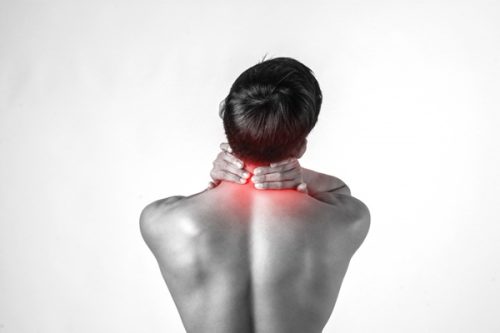
Massage is often seen as one of the safest and most natural ways to relax, relieve tension, and support recovery. But massage side effects can happen, and while most are mild and temporary, some can leave you feeling sore, tired, or even slightly unwell afterward.
For many people, these reactions come as a surprise. You go in expecting to feel better — and instead walk out feeling different than expected.
The good news is that most side effects of massage are completely normal and part of how your body responds to physical stimulation, improved circulation, and nervous system changes.
Understanding what’s normal, what’s not, and how to reduce unwanted reactions can help you get the most benefit from your treatment — without unnecessary concern 💛
Can Massage Cause Side Effects?
Yes, massage can cause side effects, but they are usually mild and temporary. Common massage side effects include soreness, fatigue, headaches, dizziness, and feeling slightly unwell. These symptoms typically improve within 24 to 48 hours. More severe or persistent side effects may require medical attention.
Table of Contents
Why Do Massage Side Effects Happen?
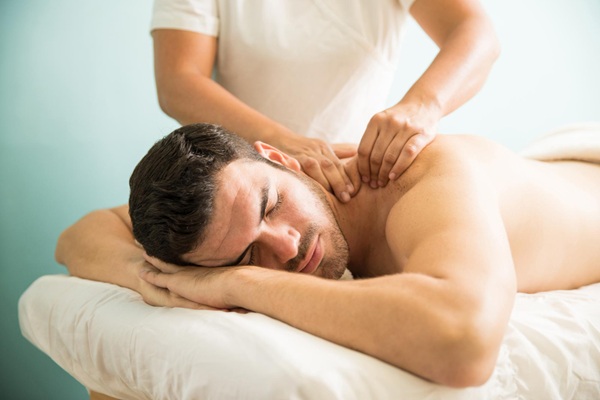
Massage affects more than just your muscles — it influences circulation, fluid movement, and your nervous system all at once.
When pressure is applied to muscle tissue, it creates small, controlled stress responses. This is similar to exercise, which explains why soreness can occur afterward.
Massage also increases blood flow and stimulates lymphatic movement. These changes can temporarily alter how your body feels, especially if you’re not used to regular treatments.
At the same time, your nervous system shifts into a relaxed state, often leaving you feeling calm or even sleepy 🛌
Many side effects of massage therapy are linked to pressure, hydration, and timing. If your body is already stressed or run down, even a good massage can feel more intense than expected.
Are Massage Side Effects Normal or a Bad Sign?
Most massage side effects are completely normal, especially if they’re mild and improve within a day or two. Your body is simply adjusting to increased circulation, muscle stimulation, and nervous system changes.
However, not all reactions should be ignored.
A helpful way to think about it is how your symptoms behave over time. If you notice that soreness, fatigue, or light discomfort gradually improves, it’s a strong sign your body is responding as expected.
On the other hand, if symptoms feel sharp, intense, or continue to worsen, it may indicate that the pressure was too strong or that your body wasn’t in the right condition for that type of massage.
💡 The key difference is progression.
If your body feels better as time passes, it’s a normal response. If it feels worse, it’s a signal to reassess and adjust your approach moving forward.
Common Massage Side Effects
Muscle soreness is one of the most frequently reported massage side effects, particularly after deep tissue work. It often feels similar to post-exercise soreness and usually resolves within a couple of days.
👉 Learn more in sore after a massage 📖
Fatigue is another common response. As your nervous system relaxes, your body may shift into recovery mode, leaving you feeling unusually tired.
Some people experience headaches after a massage, often linked to dehydration or tension release. Staying hydrated before and after your session can help reduce this 💧
Dizziness or lightheadedness can also occur due to changes in circulation, especially if you stand up too quickly after your treatment.

Can Massage Make You Feel Sick or Dehydrated?
Yes, massage can sometimes make you feel slightly unwell or dehydrated, but this is usually temporary. Symptoms like fatigue, headaches, or a flu-like feeling are often linked to increased circulation and pre-existing dehydration. Most symptoms improve within 24–48 hours with rest and hydration.
Some people notice they feel run down or like they’re “coming down with something” after a massage. This is usually not an illness, but rather your body responding to physical and nervous system changes.
If you were already slightly dehydrated or stressed, massage can amplify those feelings.
👉 Read more in why do I feel sick after a massage ⚠️
Emotional Side Effects You Might Not Expect
Massage can release more than physical tension — it can also trigger emotional responses.
Some people feel unexpectedly emotional, tearful, or vulnerable after a session. This can happen when stored tension in the body is released.
While it may feel surprising, it’s usually temporary and part of the body’s natural response to relaxation 💛
Less Common but Important Side Effects
Some massage risks are less common but worth understanding.
Bruising can occur if pressure is too strong, especially in sensitive areas.
Nerve irritation may cause tingling or discomfort if too much pressure is applied in the wrong area.
Massage can also increase inflammation if tissue is already irritated or injured.
If symptoms worsen significantly after a massage, it may indicate that the treatment wasn’t appropriate for your body at that time.
This is especially important when dealing with sensitive systems like the lymphatic system — learn more in can you massage lymph nodes when sick 📖
When Massage May Not Be Safe
Massage is not always the right choice, particularly if your body is already under stress.
If you’re sick, massage may increase fatigue or worsen symptoms.
👉 Learn more in getting a massage when sick — is it safe? ⚠️

It’s also important to be cautious with injuries, infections, or inflammation.
If you’re unsure, it’s better to wait.
How to Reduce Massage Side Effects
Reducing after a massage symptoms often comes down to simple habits.
Staying hydrated supports circulation and helps your body adjust 💧
Communicating with your therapist ensures pressure stays within your comfort level.
Starting with lighter techniques and building intensity gradually can help your body adapt.
Giving yourself time to rest after a session can also improve how you feel 🛌

How Long Do Massage Side Effects Last?
Massage side effects typically last between 24 and 48 hours. Mild soreness or fatigue may last slightly longer after deep tissue massage. Symptoms should gradually improve over time. If side effects persist or worsen after a few days, it’s important to seek medical advice.
What Your Body Is Telling You After a Massage
After a massage, your body often gives subtle signals about how it responded to the treatment. Learning to recognise these can help you understand whether the pressure and technique were right for you.
A feeling of light soreness or fatigue usually means your muscles have been stimulated and your body is shifting into recovery mode. This is similar to how your body responds after exercise.
However, if you notice sharp discomfort, lingering pain, or increased sensitivity, it may indicate that the pressure was too strong or that the area was already inflamed before treatment.
💡 Paying attention to these responses allows you to adjust future sessions, helping you get better results while reducing unwanted side effects.
Massage Type vs Side Effects
Not all massage styles affect the body in the same way. The pressure and technique used can influence how your body responds afterward.
| Massage Type | Pressure Level | Common Side Effects | Best For |
|---|---|---|---|
| Swedish Massage | Light–Medium | Relaxation, mild fatigue 🛌 | Beginners, relaxation |
| Deep Tissue | Medium–Firm | Soreness, fatigue 💪 | Chronic tension |
| Sports Massage | Medium–Firm | Temporary soreness | Active individuals |
| Lymphatic Drainage | Very Light | Minimal effects, slight tiredness 💧 | Recovery, swelling |
| Trigger Point | Firm (targeted) | Local discomfort | Muscle knots |
| Hot Stone | Light–Medium | Deep relaxation 🔥 | Stress relief |
How Your Massage Type Affects Side Effects
The type of massage you choose plays a major role in how your body responds afterward.
Gentler styles like Swedish massage are designed to relax and are less likely to cause soreness. These are ideal if you’re new to massage or prefer a lighter touch.
Deep tissue massage, while effective for tension, often leads to more noticeable soreness and fatigue. This is a normal response, but it does require recovery time — especially in cases covered in can a deep tissue massage make you sick ⚠️

Lymphatic drainage massage uses very light pressure and is less likely to cause discomfort, though it can still leave you feeling slightly tired if your body is already under stress.
Choosing the right type of massage based on how you’re feeling can significantly reduce unwanted side effects 💛
When Should You Worry About Massage Side Effects?
You should be concerned about massage side effects if you experience severe pain, prolonged swelling, or symptoms that worsen instead of improving. Side effects that last longer than a few days or feel unusual should be assessed by a healthcare professional.
The Truth About “Detox” Reactions
Massage is often linked to the idea of detoxing, but this is widely misunderstood.
Your body already removes waste through the liver and kidneys. Massage supports circulation, but it doesn’t release toxins in the way many people think.
What you feel after a massage is your body adjusting — not detoxing.
Final Thoughts
Massage is generally safe and beneficial, but massage side effects can happen.
👉 Most are mild and temporary
👉 Many are part of normal body response
Understanding what’s normal allows you to approach massage with confidence.
The goal isn’t to avoid massage — it’s to use it at the right time and in the right way 💛
FAQs
Is it normal to feel sore after a massage?
Yes, mild soreness is common, especially after deep tissue massage. It typically feels similar to post-exercise soreness and should improve within one to two days as your muscles recover.
Can massage make you feel sick?
Some people feel slightly unwell after a massage due to changes in circulation and relaxation. These symptoms are usually temporary and resolve within 24 to 48 hours.
If you’ve ever wondered can massage make you feel sick, it’s often linked to common massage side effects like fatigue, dehydration, or changes in circulation. 📖
How long do massage side effects last?
Most massage side effects last between 24 and 48 hours. Soreness may last slightly longer, but symptoms should gradually improve rather than worsen.
Should I avoid massage if I feel unwell?
Yes, it’s generally best to avoid massage when you’re sick. Your body needs rest, and massage may increase fatigue or worsen symptoms.
Can deep tissue massage cause stronger side effects?
Yes, deep tissue massage can cause stronger side effects because it targets deeper muscle layers. This often leads to more noticeable soreness and fatigue, but these effects are usually temporary.

Reviewed March 2026 by April Merrick, Wellness Editor
📚 References
🔗 National Institute of Health: Side-effects of massage therapy: a cross-sectional study of 100 clients
🔗 Cleveland Clinic: Why Does My Body Fell Worse After Massage
🔗 WebMD: Is Deep Tissue Massage Good For You?
🔗 American Massage Council: Massage Therapy Side Effects
⚠️ Disclaimer:
This article is for informational purposes only and does not constitute medical advice. Always consult with a licensed healthcare provider or certified massage therapist before beginning any new treatment, especially if you have pre-existing health conditions or concerns.
About The Author