Most people don’t book a remedial massage because they want a luxury spa experience.
They book one because their body feels tight, sore, stiff, or completely wrecked from everyday life.
Maybe your shoulders feel permanently tense no matter how often you stretch. Maybe your lower back feels stiff every morning when you get out of bed. Or maybe your neck starts aching halfway through the workday after sitting at a computer for hours. 😩
That’s usually the point where people start looking into remedial massage.
Unlike a standard relaxation massage, remedial massage is focused on treating muscle pain and tension more specifically. You’re usually there because something feels tight, sore, or off — and you want it fixed.
A good therapist looks beyond the obvious painful area. Tight hips can contribute to lower back pain. Neck tension can trigger headaches. Rounded shoulders from desk work can overload the upper back and chest without you even realizing it.
That’s why remedial massage therapy tends to feel much more targeted and personalized than a regular massage. 💆
Quick Answer: What Is Remedial Massage
Remedial massage is a targeted form of massage therapy designed to treat muscle pain, tightness, injuries, and movement problems using techniques like deep tissue massage, trigger point therapy, stretching, and myofascial release..
Table of Contents
What Makes Remedial Massage Different From Regular Massage?

A relaxation massage is mainly about helping the body calm down and de-stress.
Remedial massage is more focused on identifying what’s actually causing the tension or discomfort in the first place.
Instead of following the same routine on every person, the therapist works around what your body needs that day. If you come in with shoulder pain, they may also work through the chest, neck, upper back, or arm if those areas are contributing to the problem.
A lot of people are surprised by that at first.
Someone books a massage for back pain and ends up getting treatment through the hips and glutes because that’s where the restriction is really starting from. The body is connected in ways most people don’t think about until something starts hurting. 😅
That more personalized approach is one of the biggest reasons remedial massage often gives better long-term relief than a standard massage alone.
What Happens During a Remedial Massage?
Your first session usually starts with a quick conversation about what’s been bothering you.
The therapist may ask where you feel pain or tightness, how long it’s been happening, whether certain movements make it worse, what kind of work or exercise you do, and if you’ve had any previous injuries.
From there, the treatment becomes much more focused than a typical full-body massage.
Sometimes the therapist spends most of the session working on one area if that’s where the tension is coming from. Other times they’ll treat surrounding muscles that are compensating and creating extra strain elsewhere in the body.
For people struggling with ongoing back tightness between treatments, learning how to massage your own back at home can also help reduce stiffness throughout the week 👍
Does Remedial Massage Hurt?
Sometimes, yes — especially if muscles are extremely tight or full of trigger points.
But it shouldn’t feel unbearable.
There’s a huge difference between therapeutic pressure and someone simply digging elbows into your back for an hour. A skilled therapist knows how to work deep into the muscle without making your entire body tense up and fight against the treatment.
You may feel tenderness during trigger point work, mild soreness afterward, or that “good pain” feeling people often describe during deeper muscle release.
That post-massage soreness is pretty common after deeper treatment. If you’ve ever wondered why it happens, our article on why am I sore after a massage explains it in more detail.
A lot of people actually notice they move more freely the next day once the muscles settle down a bit. 🙌
Common Problems Remedial Massage Can Help With
Modern life does a pretty good job of wrecking posture and muscle balance.
Hours sitting at desks, staring down at phones, driving long distances, hard workouts, stress, poor sleep — it all builds tension in the body over time.
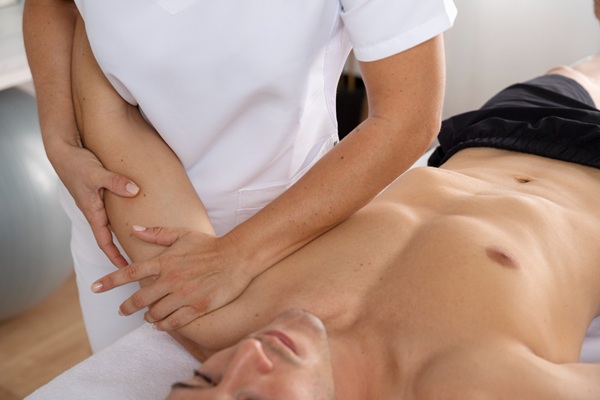
One of the most common issues people seek treatment for is neck and shoulder tightness. Office workers especially tend to carry tension through the upper traps, chest, and base of the neck. Over time, that stiffness can contribute to headaches, reduced mobility, and constant aching through the upper body.
People dealing with constant upper-body tension often reach the point where stretching alone just isn’t enough anymore.
Lower back pain is another huge reason people book remedial massage therapy. In many cases, the lower back itself isn’t even the main problem. Tight hips, glutes, and hamstrings often change the way the body moves and place extra strain on the spine.
People searching for the benefits of back massage are usually looking for exactly this type of relief — less stiffness, reduced tension, and easier day-to-day movement.
Athletes and gym-goers also use remedial massage regularly for recovery 🏋️♂️ Hard training can leave muscles tight, overworked, and full of small tension patterns that slowly affect mobility and performance over time.
Even people who don’t work out much can benefit from treatment. Stress alone causes a surprising amount of muscle tension. A lot of people don’t realize how much they clench their shoulders, jaw, or upper back until the muscles finally start relaxing.
Techniques Used in Remedial Massage
Every therapist works a little differently, but most remedial massage treatments combine several techniques depending on what your body needs that day.
Deep tissue massage is one of the most common approaches. It targets deeper layers of muscle and connective tissue where chronic tightness tends to build up. Many people compare remedial massage with deep tissue massage because both focus on reducing stubborn muscle tension and improving mobility.
Many people describe deep tissue remedial massage as more intense than a standard relaxation massage because it works deeper into tight muscles and muscle knots.
Trigger point therapy is also commonly used during treatment. These tight “muscle knots” can sometimes refer pain into completely different areas of the body. For example, tension around the shoulders and neck may contribute to headaches without people realizing where the pain is actually starting from. 🤕
Some therapists also use stretching and mobility work to help improve flexibility and movement patterns. Others incorporate myofascial release techniques, which focus more on fascia and connective tissue restrictions rather than muscle alone.
Lighter circulation-focused techniques may occasionally be included too, especially when swelling or fluid retention is involved. Treatments like lymphatic drainage massage focus much more on fluid movement than deeper muscle tension.
Remedial Massage vs Relaxation Massage
A lot of people assume all massage is basically the same until they experience remedial treatment for the first time.
Relaxation massage is designed mainly to reduce stress and help the body unwind. The pressure is usually lighter, the flow is smoother, and the overall goal is calming the nervous system.
Remedial massage is different.
The treatment is more focused on muscle pain, tightness, recovery, mobility, and long-term relief. Instead of simply helping you relax temporarily, the therapist is trying to improve the way your muscles are functioning over time.
That said, remedial massage can still feel incredibly relaxing afterward — especially once the body stops holding so much tension. 😌
How Often Should You Get Remedial Massage?
That depends on what your body is dealing with.
Someone recovering from an injury may benefit from weekly sessions at first. Someone using massage for general maintenance may only go once or twice a month.
For chronic tension from desk work, stress, workouts, or poor posture, many people find that getting treatment every few weeks helps keep tightness under control before it builds back up again.
The biggest thing to remember is that long-term muscle tension usually develops slowly over years. One session can absolutely help, but lasting improvement often comes from consistency and better movement habits outside the massage room too.
Is Remedial Massage Worth It?
For a lot of people, definitely.
Especially when stretching, rest, or quick fixes aren’t solving the problem anymore.
Some of the biggest benefits of remedial massage include reduced muscle tension, improved mobility, fewer headaches, easier movement throughout the day, and better recovery after workouts. Research from the National Center for Complementary and Integrative Health also suggests massage therapy may help reduce pain and improve short-term physical function in some individuals.
A lot of people don’t realize how stiff and restricted they’ve become until the tension finally starts easing off.
People commonly notice less stiffness getting out of bed, reduced neck and shoulder tightness, fewer tension headaches, and better posture without constantly trying to “sit up straight.” 👍
Experienced remedial therapists often notice similar tension patterns depending on lifestyle. Office workers usually tighten through the chest, shoulders, and neck, while active people commonly develop tight hips, glutes, calves, and lower back muscles from repetitive training and movement.

Final Thoughts
Remedial massage is basically the middle ground between a relaxing massage and hands-on muscle treatment.
It’s designed to help with chronic tension, tight muscles, movement problems, stress-related stiffness, and pain that keeps coming back no matter how much stretching you do.
The biggest difference is that the treatment is personalized.
A good therapist isn’t just running through the same routine on every client. They’re trying to figure out why certain muscles are overloaded, what areas are compensating, and how to help the body move more naturally again.
And honestly, once you experience that feeling of standing up after a good remedial massage and realizing your shoulders have finally dropped for the first time in weeks… you understand why so many people keep going back. 💆♂️
FAQs
What is remedial massage used for?
Remedial massage is commonly used for muscle pain, tightness, chronic tension, headaches, sports recovery, posture issues, and mobility problems. It focuses on treating the underlying cause of muscular discomfort rather than simply helping the body relax temporarily.
Is remedial massage painful?
It can feel more intense than a relaxation massage because deeper pressure and trigger point techniques are often used. However, the treatment should still feel manageable and therapeutic rather than extremely painful.
Is deep tissue massage the same as remedial massage?
Not exactly. Deep tissue massage is one technique often used during remedial massage therapy. Remedial treatment is broader and may also include stretching, trigger point therapy, mobility work, and myofascial release depending on the problem being treated.
How long does soreness last after remedial massage?
Mild soreness after treatment is fairly common and usually lasts between 24 and 48 hours. Gentle movement, hydration, and light stretching can often help muscles recover more comfortably.
Can remedial massage help with back pain?
Yes, remedial massage is commonly used to help reduce lower back tension and muscle tightness. In many cases, treatment also focuses on surrounding areas like the hips and glutes that may be contributing to the problem.
Reviewed May 2026 by John Winter, Wellness Editor

📚References
- Healthline: Remedial Massage: Benefits, Techniques & Types Explained
- WebMD: Massage Therapy for Pain Relief
- Cleveland Clinic: Trigger Point Therapy
- National Center for Complementary and Integrative Health – Massage Therapy for Health: What the Science Says
⚠️ Disclaimer:
This article is for informational purposes only and does not constitute medical advice. Always consult with a licensed healthcare provider or certified massage therapist before beginning any new treatment, especially if you have pre-existing health conditions or concerns.