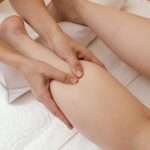

If your thumbs hurt when giving massage, you’re definitely not alone. Thumbs take a lot of pressure during massage work, and when they’re overused or positioned incorrectly, they can quickly become sore, strained, or fatigued. The good news? A few simple adjustments to your technique can significantly reduce thumb pain and make massage more comfortable for both you and the person you’re working on. This guide explains why thumb pain happens and how to protect your hands while giving a massage.
Table of Contents
Reasons Why Thumbs and Hands Hurt When Giving Massage

Overuse of Fingers
Massage therapists, who use their fingers for long periods of time, are more prone to experiencing pain in their thumbs and hands. Repeated movements of the fingers can cause inflammation and can lead to pain. This is especially true when the massage therapist is doing a deep tissue massage as the pressure applied is often greater.
Poor Posture
Another common cause of thumbs and hands hurting when giving massage is poor posture. When a massage therapist has to lean over their client or reach their arms out far in order to reach the massage spot, the posture can be uncomfortable and can add stress to the thumbs and hands. This can lead to pain and strain on the muscles in the hands and thumbs.
Prevention Techniques
Develop Good Posture
Good posture is essential in order to prevent thumbs from hurting when giving massage. When massaging, be sure to maintain an upright posture with your hands and arms close to your body. Your arms should be relaxed with your elbows slightly bent.
Use Proper Hand and Thumb Positioning
When giving a massage, it is important to keep your hands and thumbs in the correct positions. Your thumbs should remain flat and press evenly into the muscle. Avoid using the tips of your thumbs to press too deeply into the muscle as this can cause strain in the thumbs.
Utilize Proper Hand Movements
When giving a massage, it is important to use proper hand movements. Use a sweeping or circular motion with your hands to apply pressure to the muscle rather than making repetitive thumb movements. This will help to relieve strain on your thumbs and reduce the chances of experiencing pain.
Strengthen Fingers
To help prevent thumbs from hurting when giving massage, it is important to strengthen the muscles in your fingers. This can be done by doing finger exercises such as squeezing a tennis ball or using a hand gripper. Regularly performing these exercises will help to strengthen the muscles in your fingers and reduce strain on your thumbs.
Take Breaks
It is important to take regular breaks when giving a massage. Taking breaks will give your thumbs a chance to rest and reduce the risk of experiencing pain.
Frequently Asked Questions
Why do my thumbs hurt when giving a massage?
Thumb pain during massage is usually caused by overuse, poor body mechanics, or pressing too deeply with the tip of the thumb. When the thumb joints aren’t supported, the small muscles in the hand fatigue quickly, leading to soreness or irritation. Conditions like De Quervain’s tendinitis or general thumb strain can also flare up when too much pressure is applied repeatedly.
How can I massage someone without using my thumbs?
You can give an effective massage without relying on your thumbs by using alternative tools: palms, knuckles, fists, forearms, or even a massage ball. These surfaces distribute pressure more evenly and reduce joint strain. Many therapists also use gliding forearm strokes or reinforced knuckle techniques to deliver deep pressure safely while protecting the small joints of the hand.
Is it normal for massage therapists to experience thumb pain?
Yes. Thumb pain is common for both new and experienced massage therapists because the thumbs are small joints not designed for continuous, forceful pressure. Repetitive use can irritate tendons and ligaments over time. With proper body mechanics, reinforced thumb techniques, regular stretching, and scheduling adequate rest between sessions, most therapists can significantly reduce strain and avoid long-term injury.
What’s the safest way to use my thumbs during a massage?
The safest approach is to keep your thumb in a neutral, slightly flexed position and avoid hyperextension. Reinforce your working thumb with your opposite hand, apply pressure using your body weight rather than muscle force, and limit the duration of direct thumb work. Short, precise thumb techniques are generally safe as long as you avoid pressing straight down with the tip.
Why does my thumb joint hurt when I apply deep pressure?
Joint pain during deep pressure often occurs when the thumb bends backward or bears more force than it can comfortably support. This can irritate the tendons around the wrist and thumb, especially during deep tissue work. Adjusting your body position, using a reinforced thumb, or switching to knuckles or forearms for heavy pressure usually resolves this discomfort.
Can massage tools help reduce thumb strain?
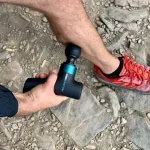
Yes. Massage tools such as gua sha stones, handheld massagers, trigger-point balls, and massage guns can take pressure off the thumbs entirely. These tools help provide consistent, controlled pressure without placing stress on the thumb joints. Many therapists incorporate tools into sessions to protect their hands, especially during deeper or repetitive strokes.
Should I stop massaging if my thumbs start hurting?
If you feel sharp, burning, or persistent pain, stop and give your hands a break. Continuous strain can lead to tendon irritation or overuse injuries. Gentle stretching, shaking out your hands, or switching to palm or forearm techniques can help. If thumb pain continues over several days or interferes with daily tasks, it’s best to rest and speak with a healthcare professional.
How can I strengthen my thumbs to prevent soreness?
Simple exercises like squeezing a soft ball, rubber-band thumb extensions, wrist curls, and gentle isometric holds help build strength in the hands and forearms. Stretching the thumb flexors and massaging the thenar muscles can also reduce tightness. Doing these exercises regularly supports the small joints and improves endurance during massage work.
Can poor posture cause thumb pain during massage?
Yes. When your body weight isn’t aligned over your hands, the thumbs end up absorbing extra force. Leaning too far forward, reaching across the table, or working with a table that’s too high or low can overload the thumb joints. Adjusting your stance, stepping closer to the client, and keeping your shoulders relaxed dramatically reduces thumb stress.
When should I see a doctor about thumb pain from massage?
Seek medical advice if you notice swelling, persistent pain lasting more than a week, numbness, tingling, reduced grip strength, or difficulty moving your thumb. These may indicate tendon inflammation or repetitive strain injuries like De Quervain’s tenosynovitis. Early evaluation helps prevent long-term issues and ensures you can continue giving massage safely.
🌿Related Articles
💆♂️ How to Give a Hand Massage for Beginners
🧠 How to Massage: A Simple Guide to Giving a Relaxing Massage
🤲 How to Massage Sore Muscles
Conclusion
When giving a massage, it is important to remember to use proper form and technique to prevent overworking the thumbs and hand muscles. Gentle massage techniques, warm-up exercises, and proper positioning of the hands can help reduce the strain on the thumbs and ensure a more comfortable massage session for both the giver and the receiver. Additionally, using massage tools can help reduce the strain on the hands and make the massage session more enjoyable.
📚 References
- National Library Of Medicine – Precautions and Safety Considerations for Massage Therapy
- SpaFinder – How to Give a Massage Without Hurting Your Hands
- American Massage Therapy Association – Don’t Get Sidelined: Self-Care for Massage Therapists
⚠️ Disclaimer:
This article is for informational purposes only and does not constitute medical advice. Always consult with a licensed healthcare provider or certified massage therapist before beginning any new treatment, especially if you have pre-existing health conditions or concerns.
About The Author