
Pregnancy is a time of incredible transformation — physically, emotionally, and mentally 🤰. As your body adapts to support your growing baby, it’s completely normal to experience new aches, tension, swelling, and fatigue.
It’s also completely normal to feel unsure — especially when you’re trying to do everything right for your baby.
For many women, massage becomes a go-to way to relieve discomfort and create moments of calm. But alongside the benefits, there’s often a lingering question: are there certain pressure points to avoid during pregnancy?
You may have heard that some areas of the body can trigger contractions or even bring on labor. These ideas are commonly discussed in acupressure and reflexology, and while they aren’t strongly supported by modern clinical evidence, they’re still taken seriously — particularly in prenatal care.
The reassuring news is that massage can absolutely be part of a safe and supportive pregnancy routine. Understanding pressure points to avoid during pregnancy can help you enjoy massage safely and confidently throughout each stage 🌿
Quick Answer
The main pressure points to avoid during pregnancy include the area between the thumb and index finger (LI4), the inner ankle (SP6), and parts of the lower back. These points are associated with acupressure techniques believed to influence uterine activity, so they are typically avoided as a precaution.
If you’re new to prenatal massage, it’s worth starting with our complete guide to massage during pregnancy, which covers safety, benefits, and techniques in more detail.
Table of Contents
What Are Pressure Points?
Pressure points are specific areas on the body that are believed to influence other systems when stimulated. They are commonly used in traditional practices such as acupressure and reflexology, where pressure is applied to promote healing, relieve pain, or restore balance.
These practices are based on the idea that the body is connected through pathways — often referred to as energy channels or meridians — that link different organs and systems together.
Some pressure points are associated with relaxation and pain relief, while others are believed to influence deeper physiological responses. During pregnancy, certain points are approached with more caution because of their traditional link to the uterus and pelvic region.
Even though modern medicine doesn’t strongly confirm these connections, the cautious approach remains widely accepted in prenatal care. It’s less about fear, and more about respecting the body during a sensitive time.

Understanding how pressure sensitivity changes throughout pregnancy is important. You can explore this further in our guide to massage during pregnancy by trimester, which explains what’s safe at each stage.
Pressure Points to Avoid During Pregnancy
There are a few areas that are most commonly mentioned when it comes to pregnancy massage safety. These areas aren’t inherently harmful in everyday life, but they are treated more carefully during pregnancy — particularly when it comes to firm or sustained pressure.
One of the most well-known points is located in the hand, in the soft webbing between the thumb and index finger. This area is frequently used in acupressure to relieve headaches, reduce tension, and manage pain. However, it is also traditionally associated with stimulating contractions, which is why therapists avoid applying strong pressure here during pregnancy ⚠️
Another area that often comes up is the inner ankle. This point, located just above the ankle bone, is believed to be connected to the pelvic region. Because of this, massage therapists typically avoid deep or targeted pressure in this area, particularly during the second and third trimesters when the body is preparing for birth.
The lower back and sacral region are also approached with care. As pregnancy progresses, this area often carries significant strain due to posture changes and added weight. While massage here can be incredibly beneficial, deeper pressure near the sacrum is usually avoided. Instead, therapists use gentle, supportive techniques that provide relief without overstimulation.
Many women also search for where not to massage during pregnancy, which typically includes the hands, inner ankles, and certain areas of the lower back.
Why Are These Areas Avoided?
Understanding the “why” behind these precautions helps remove unnecessary fear and replaces it with clarity.
In traditional therapies like acupressure, certain points are believed to stimulate uterine activity or influence pelvic muscles. These associations are why they’re sometimes used intentionally to support labor — under controlled conditions.
However, outside of those settings, there’s no strong evidence showing that gentle massage on these areas will trigger labor in a healthy pregnancy.
Many prenatal massage guidelines also align with advice from organisations such as the Cleveland Clinic and NHS, which recommend a cautious approach to pressure and positioning during pregnancy.
Because pregnancy is a sensitive time, therapists prioritise safety above all else. Avoiding these points is simply part of a careful, responsible approach — allowing you to relax without unnecessary concern.
Are Pressure Points Actually Dangerous?
This is where things often get misunderstood.
For most healthy pregnancies, pressure points are not dangerous when touched lightly. Everyday contact — like holding hands, walking, or applying lotion — already involves these areas.
The difference lies in how pressure is applied.
Acupressure techniques involve firm, sustained stimulation designed to trigger a response in the body. This is very different from the gentle, flowing techniques used in prenatal massage.
Because of this distinction, the risk is not in the location itself, but in the intensity and intent behind the pressure. This is why trained prenatal therapists focus on relaxation rather than stimulation — ensuring your safety at every stage.
Safe Areas to Massage During Pregnancy
The reassuring part is that many areas of the body can be safely massaged — and these are often the areas that need it most 💆♀️
As your body changes, tension tends to build in predictable places. The shoulders and upper back often become tight as posture shifts forward, while the hips and lower body carry increasing weight as pregnancy progresses.
Gentle massage in these areas can help improve circulation, reduce muscle tension, and ease discomfort without placing unnecessary stress on the body.
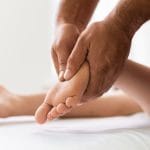
Even the legs and feet can benefit from light massage, particularly when swelling becomes noticeable. The key is to use moderate pressure and avoid deeper stimulation near sensitive areas like the inner ankle.
For a deeper breakdown of safe techniques, you can explore our full guide to massage during pregnancy. You can also look at more targeted approaches like foot massage when pregnant and how to massage a pregnant woman’s back, which walk you through safe and effective methods step by step.
Trimester-Specific Massage Considerations
Massage during pregnancy isn’t one-size-fits-all — your body’s needs change as each trimester progresses.
In the first trimester, many women prefer to take a more cautious approach. While massage is generally safe, fatigue and nausea can make treatments less comfortable.
The second trimester is often considered the most comfortable time for massage. Energy levels improve, and the body is more stable, making it an ideal time to benefit from regular treatments.
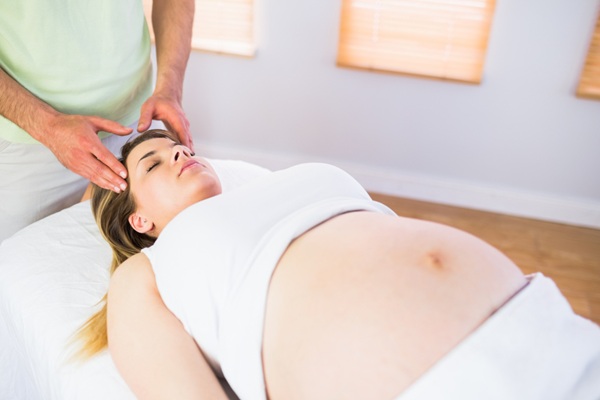
By the third trimester, positioning becomes more important. Side-lying massage is typically used to ensure comfort and safety, and pressure is kept gentle to accommodate increased sensitivity.
Understanding these changes can help you get the most out of massage at every stage of pregnancy 🌿
Signs a Massage Is Too Intense During Pregnancy
Your body is incredibly good at signalling when something doesn’t feel right — and it’s important to listen.
If a massage feels too intense, you may notice subtle warning signs such as discomfort, dizziness, nausea, or a sense of pressure that doesn’t feel relaxing.
In some cases, you might feel tension rather than relief, which is a clear sign the pressure should be reduced.
Massage during pregnancy should never feel painful or overwhelming. It should feel calming, supportive, and restorative. If anything feels off, it’s always best to stop and adjust.
How the Body Changes During Pregnancy (And Why Massage Helps)
As pregnancy progresses, your body goes through a series of structural and hormonal changes that can contribute to discomfort.
Your center of gravity shifts forward, placing additional strain on the lower back. Hormones like relaxin loosen ligaments, which can lead to joint instability and muscle fatigue. Circulation also changes, sometimes causing swelling in the legs and feet.
Massage supports the body during these changes by encouraging blood flow, relaxing tight muscles, and reducing physical stress.
It also helps activate the body’s relaxation response, which can lower stress levels and improve overall wellbeing. These effects may seem subtle, but they can make a meaningful difference when experienced regularly 🌸
When to Avoid Massage During Pregnancy
While massage is generally safe, there are certain situations where extra caution is needed.
If you have a high-risk pregnancy, conditions such as preeclampsia, or a history of blood clots, it’s important to consult your healthcare provider before booking a massage.
Sudden swelling, severe pain, or unusual symptoms should also be assessed before proceeding.
During a massage, your body will usually let you know if something doesn’t feel right. Feelings of dizziness, nausea, or discomfort are signals to stop.
Pregnancy is a time to listen closely to your body and respond with care 🧘♀️
Can You Massage Yourself During Pregnancy?
Self-massage can be a simple and effective way to manage everyday tension.
Many women find relief by gently massaging their shoulders, neck, or legs at the end of the day. These small moments of care can help ease discomfort and promote relaxation.
The key is to keep things gentle and avoid strong pressure, particularly on sensitive areas like the hands and inner ankles.
Simple, slow movements are often all that’s needed to feel a noticeable difference.
If you’re considering using tools at home, it’s also important to understand whether devices are safe — this guide on are massage guns safe during pregnancy explains what to avoid and how to use them properly.
Should You See a Prenatal Massage Therapist?
If you’re looking for the safest and most effective experience, seeing a qualified prenatal massage therapist is a great option.
These professionals are trained to understand how pregnancy affects the body and how to adapt their techniques accordingly. They know which areas to avoid, how to position you comfortably, and how to adjust pressure throughout each trimester.
This ensures both safety and a more deeply relaxing experience.

Many women report feeling immediate relief from gentle prenatal massage, especially in the shoulders and lower back where tension tends to build.
Final Thoughts
Massage during pregnancy can be incredibly supportive — helping to relieve tension, improve circulation, and create moments of calm during a time of constant change 🌿
While certain pressure points are traditionally avoided, this is simply part of a careful and considered approach to prenatal care. With the right techniques and awareness, massage remains safe, effective, and deeply beneficial.
If you’re ever unsure, trust your instincts, consult your healthcare provider, and choose experienced professionals. That way, you can fully relax and enjoy the benefits of massage with confidence.
Frequently Asked Questions
Can pressure points induce labor?
Some pressure points are traditionally associated with stimulating contractions, particularly in acupressure practices. However, there is no strong scientific evidence that gentle massage alone can induce labor in a healthy pregnancy.
Is it safe to massage feet during pregnancy?
Foot massage can be safe and beneficial when done gently. It may help reduce swelling and improve circulation, but deeper pressure around the inner ankle is usually avoided as a precaution.
What areas should not be massaged during pregnancy?
The most commonly avoided areas include the webbing between the thumb and index finger, the inner ankle, and parts of the lower back, due to their association with acupressure points.
Can I accidentally trigger labor with massage?
It is extremely unlikely that gentle massage would trigger labor in a healthy pregnancy. Prenatal massage focuses on relaxation rather than stimulation.
How often can you get a massage during pregnancy?
Many women benefit from monthly massages early on and more frequent sessions in later stages, depending on comfort and individual needs.
For more guidance, you can also read our full article on massage during pregnancy.
Can you massage pressure points in early pregnancy?
Gentle massage in early pregnancy is generally considered safe, but most therapists avoid applying firm pressure to known acupressure points as a precaution. The first trimester is a sensitive time, so lighter techniques and a cautious approach are typically recommended.
Reviewed March 2026 by April Merrick, Prenatal Specialist & Wellness Editor
📚 References
🔗Cleveland Clinic – Considering a Prenatal Massage? Here’s What To Know
🔗NHS – Health and wellbeing in pregnancy
🔗American Pregnancy Association – The Benefits of Prenatal Massage Therapy
🔗 Journal of Bodywork and Movement Therapies – Massage therapy reduces pain in pregnant women, alleviates prenatal depression in both parents and improves their relationships
⚠️ Disclaimer:
This article is for informational purposes only and does not constitute medical advice. Always consult with a licensed healthcare provider or certified massage therapist before beginning any new treatment, especially if you have pre-existing health conditions or concerns.
About The Author