Headaches are one of the most common health complaints worldwide. From tension headaches after a long day at the desk to migraines that knock you out for hours, head pain affects productivity, mood, and overall wellbeing.
While medication is a common choice, many people also look for drug-free ways to ease the pain. Headache pressure points, paired with simple massage techniques, are an easy option to try for tension headache relief. These acupressure spots on the hands, face, neck, shoulders and feet may help by easing muscle tension and helping you relax.
In this guide, we’ll explore the best headache pressure points, how to use massage for headache relief, and when self-massage is most effective compared to professional therapy.
Table of Contents
How Do Pressure Points Work for Headaches? 🧠
Pressure points are specific spots on the body believed to influence pain pathways and circulation. In traditional Chinese medicine, they are tied to energy meridians; in Western science, they’re often explained by nerve stimulation, blood flow, and muscle relaxation.
When applied correctly, pressing or massaging these points can:
- Reduce muscle tension around the head and neck
- Improve blood circulation to the brain
- Trigger endorphin release (your body’s natural painkillers)
- Promote overall relaxation, lowering stress-related headaches

What the Research Says 📊
There’s a growing body of evidence showing that headache pressure points and massage therapy can genuinely make a difference:
- A 2015 study in the Journal of Pain Research found that people with chronic tension headaches reported fewer attacks and lower pain intensity after four weeks of acupressure.
- A randomized clinical trial published in the American Journal of Chinese Medicine showed that migraine sufferers who used acupressure points daily had a significant reduction in headache frequency compared to a control group.
- The Cleveland Clinic notes that acupressure helps release muscle knots and stimulates circulation, which often explains the reduction in pain.
- According to the National Institutes of Health (NIH), massage therapy is particularly effective for tension-type headaches because it reduces stress hormone levels and relaxes tight muscles in the shoulders and neck.
In short, the use of headache pressure points isn’t just folklore — there’s solid science behind why it works.
The Best Headache Pressure Points and How to Use Them ✋
Here are seven headache pressure points you can try today.
1. LI4 (Hegu) – Hand Pressure Point ✋
- Location: Between the base of the thumb and index finger, in the fleshy web.
- How to Use:
- Place your opposite thumb and index finger on the webbing.
- Apply firm, steady pressure for 1–2 minutes.
- Breathe deeply: inhale as you release, exhale as you press.
- Best time: During a tension headache or at the first sign of pain.
- Tips: You can also use a massage tool or pen cap to press deeper.
- Avoid if: Pregnant, as LI4 is traditionally avoided during pregnancy. See our guide to pressure points to avoid during pregnancy.

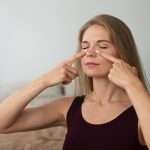
2. Yintang – Third Eye Point 👁️
- Location: Between the eyebrows, just above the bridge of the nose.
- How to Use:
- Use your index finger to press gently.
- Massage in small circles for 1–2 minutes.
- Close your eyes and focus on your breath.
- Best time: During sinus headaches or when feeling eye strain from screens.
- Tips: Combine with warm compress over the forehead for sinus pain.
3. GB20 – Base of Skull (Fengchi) 🧑🦱
- Location: At the back of the head, just below the occipital bone where the neck muscles attach.
- How to Use:
- Place both thumbs in the hollows at the base of your skull.
- Press upward and inward while tilting your head back.
- Hold for 30–60 seconds, release, and repeat.
- Best time: At night before bed or when a migraine begins.
- Tips: You can also ask a partner or therapist to press for deeper release.
4. Temples (Taiyang) 🌸
- Location: On both sides of the head, in the soft depression between the corner of the eye and the hairline.
- How to Use:
- Use your index and middle fingers to apply light pressure.
- Massage in small circles for 2–3 minutes.
- Pair with essential oils (peppermint or lavender) for extra relief.
- Best time: When stress or tension builds up.
- Tips: Works well during breaks at work or in dim lighting before sleep.

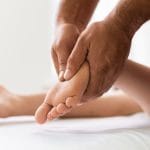
5. Foot Reflexology Points 👣
- Location: On the top of the foot, between the big toe and second toe, about an inch back from the webbing.
- How to Use:
- Sit comfortably and cross one leg over the other.
- Use your thumb to press the point firmly for 1–2 minutes.
- Switch feet and repeat.
- Best time: For migraines or headaches with nausea.
- Tips: Reflexology maps show this point links to the head and brain.

6. Ear Pressure Points 👂
- Location: Just above the ear canal opening or in the upper ridge of the ear cartilage.
- How to Use:
- Pinch or press gently with thumb and index finger.
- Massage in small circles for 30–60 seconds.
- Best time: During stress or cluster headaches.
- Tips: Light pressure works best; don’t overdo it.
7. GB21 (Jian Jing) – Shoulder Well 💪
- Location: On top of the shoulder, halfway between the base of the neck and the outer edge of the shoulder, at the highest point of the muscle.
- How to Use:
- Reach across with the opposite hand and squeeze the muscle gently between your thumb and fingers.
- Hold firm but comfortable pressure for 30–60 seconds while breathing slowly, then switch sides.
- Best time: For tension headaches that start with tight neck and shoulders, especially after long hours at a desk.
- Tips: If reaching across is awkward, lean against a wall with a tennis ball on the spot.
- Avoid if: Pregnant. Like LI4, GB21 is traditionally avoided during pregnancy.
💡 Pro Tip: For maximum results, combine two or three points — for example, LI4 (hand) + GB20 (base of skull) + temples.
Massage Techniques for Headache Relief 💆
Massage complements pressure points beautifully:
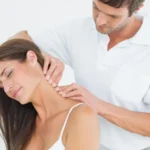
- Neck Massage: Relieves tightness in the cervical spine, common in cervicogenic headaches.
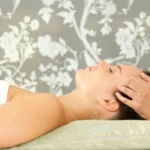
- Scalp Massage: Boosts circulation and reduces stress.
- Temple Massage: Soothes stress headaches.
- Hand & Foot Reflexology: LI4 and foot points are excellent for migraine relief.
- Tension Headache Massage: Focused work on neck, shoulders, and scalp.
Pressure Points and Massage for Different Headache Types 🌀
Different headaches respond differently to acupressure and massage. Here’s how headache pressure points can help each type:
Tension Headaches 😣
- Caused by stress, poor posture, or eye strain.
- Best points: LI4 (hand), temples, and GB20 (base of skull).
- Massage techniques: Neck and shoulder massage to release tight muscles.
Migraines 🌩️
- Often severe, one-sided, and accompanied by nausea or light sensitivity.
- Best points: GB20 (base of skull), foot reflexology points, and temples.
- Massage techniques: Gentle scalp massage and light pressure only — avoid strong stimulation during an active migraine.
Sinus Headaches 🤧
- Caused by sinus congestion and pressure.
- Best points: Yintang (third eye), sides of the nose, and temples.
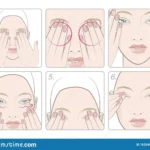
- Massage techniques: Gentle facial massage combined with warm compresses. Our step-by-step sinus massage guide walks through each stroke.
Cluster Headaches 🔥
- Intense, recurring headaches around one eye.
- Best points: Temples and ear points.
- Massage techniques: Limited effect, but relaxation massage may help reduce overall stress.
Lifestyle Integration: Building a Headache Relief Routine 🌿
While pressure points and massage bring immediate relief, they’re even more effective when combined with healthy habits.
Morning Routine 🌅
- Hydrate first thing: A glass of water helps prevent dehydration headaches.
- Quick temple or LI4 massage: Two minutes before work reduces stress buildup.
- Stretching: Gentle neck rolls and shoulder stretches prepare the body for the day.
Workday Routine 💻
- Screen breaks: Every 60 minutes, look away from screens for 2 minutes.
- Eye strain relief: Press Yintang (third eye) point during breaks.
- Posture checks: Keep monitors at eye level and shoulders relaxed.
Evening Routine 🌙
- Foot reflexology or GB20 massage: Helps wind down and relieve tension.
- Warm shower: Enhances relaxation and prepares muscles for sleep.
- Headache diary: Note triggers, points used, and relief outcomes to identify patterns.
💡 Over time, this structured approach creates a “headache prevention routine” that reduces frequency and severity.

Self-Massage vs Professional Therapy 🤲
Self-Massage
✅ Convenient, free, and effective for mild to moderate headaches.
✅ Easy to practice at home, work, or while travelling.
❌ Less effective for chronic or severe migraines.
❌ Risk of pressing too hard or in the wrong location.
Professional Massage Therapy
✅ Provides deeper, more targeted relief.
✅ Corrects posture-related issues and chronic neck/shoulder tension.
✅ Therapists may combine acupressure, trigger point, craniosacral, or lymphatic drainage for better results.
❌ More expensive and requires regular appointments.
Best approach: Combine daily self-massage with periodic professional sessions for long-term headache management.
When to See a Doctor About a Headache 🩺
Pressure points and massage are comfort measures. They can help some people relax tight muscles and ease everyday tension headaches, but they don’t treat the underlying cause of a headache and aren’t a substitute for medical care.
Call 911 or go to the emergency room if a headache:
- comes on suddenly and is the worst you’ve ever had
- comes with confusion, fainting, or trouble speaking, seeing or walking
- comes with numbness or weakness on one side of the body
- comes with a stiff neck or a high fever (around 102°F/39°C or higher)
- comes with nausea or vomiting that isn’t clearly from a stomach bug or a hangover
Make an appointment with your doctor if your headaches:
- happen more often or feel stronger than usual
- don’t improve with over-the-counter pain relievers used as directed
- get in the way of work, sleep or everyday life
- worry you, or you’d like better ways to manage them
❓FAQs
Do pressure points really work for headaches?
They may help some people. Small studies suggest acupressure can ease the intensity of tension-type headaches, and massage can relax tight neck and shoulder muscles that often play a part. The research is still limited, so think of pressure points as a low-risk comfort measure to try alongside, not instead of, the treatment your doctor recommends.
Which pressure points work best for tension headaches?
Many people find GB20 at the base of the skull and GB21 on top of the shoulder most helpful for tension headaches, because they sit over muscles that tighten with stress and long hours at a desk. The temples and LI4 on the hand are other popular options. Try a few and notice which feel best for you.
How long should you press a headache pressure point?
Hold each point for about 30 to 90 seconds with firm but comfortable pressure, breathing slowly as you press. You can repeat your sequence for up to five minutes. If a point feels sharp or painful rather than just firm, ease off or move on to a different spot.
Do pressure points work instantly?
Some people notice their headache easing within a few minutes, others feel a gradual change over 10 to 15 minutes, and some feel little difference at all. Results vary from person to person and from one headache to the next. If a headache isn’t improving or keeps coming back, talk to your doctor.
What are the fastest pressure points for headaches?
LI4, between the thumb and index finger, and the temples are popular for quick relief because they’re easy to reach anywhere, even at your desk. Press gently in small circles for up to a minute. Skip LI4 if you’re pregnant, as it’s traditionally avoided during pregnancy.
Can pressure points help prevent headaches?
Using pressure points and gentle self-massage regularly may help you notice and release neck and shoulder tension before it builds into a headache, but it isn’t a guaranteed way to prevent them. Regular sleep, staying hydrated, eating regular meals, screen breaks and managing stress matter too, and frequent headaches are worth discussing with your doctor.
Are headache pressure points safe for everyone?
Gentle acupressure is low risk for most adults. Avoid LI4 and GB21 during pregnancy, as both are traditionally avoided, and don’t press on broken skin, bruises, swelling or recent injuries. If you have a circulation or bleeding disorder, take blood thinners or have an ongoing medical condition, check with your doctor before starting.
Can children use pressure points for headaches?
Older children can try gentle pressure on spots like the temples or the base of the skull with an adult’s help, using light pressure only. Children’s headaches can have many causes, so talk to your child’s pediatrician if headaches are frequent or severe, wake them at night, or come with fever, vomiting or vision changes.
Is massage or acupressure better for headaches?
They work well together. Massage relaxes tight muscles across the neck, shoulders and scalp, while acupressure focuses steady pressure on specific points. Many people start with a few minutes of gentle neck and shoulder massage, then hold two or three pressure points. Choose whichever feels most comfortable and practical for you.
How often should you use headache pressure points?
During a headache, you can work through your chosen points once or twice. For everyday tension, a few minutes once a day, such as during a work break or before bed, is plenty. Pressing harder or longer doesn’t help; gentle, consistent pressure is more comfortable and less likely to leave you sore.
Are headache pressure points safe if you have migraines?
Gentle acupressure is generally fine to try if you have migraines, but results vary and it shouldn’t replace the treatment plan from your doctor. Some people find pressure uncomfortable during an attack, so go lightly. A headache diary can help you track what helps, and see your doctor if your migraines change or get worse.
📚Related Links
- 👉 Headache After Massage: Causes, Relief & Prevention
- 👉 Reflexology Massage: Pressure Points Explained
- 👉 Lymphatic Drainage Massage: Benefits and Techniques
Conclusion
Headaches are a common part of life, but you have more options than reaching for medication every time. Learning a few headache pressure points and pairing them with gentle massage gives you a simple, drug-free way to look for tension headache relief at home or at your desk.
Whether you practice self-massage at home or book a professional session, techniques like scalp massage, temple pressure and foot reflexology are easy to build into your routine.
Next time a tension headache starts, try two or three of these points and notice what helps. And if your headaches are severe, frequent or different from usual, check the warning signs above and talk to your doctor.
📖 References
- Cleveland Clinic. (2023). Acupressure Points.
- Dovepress. (2015). Acupressure Therapy for Chronic Tension-Type Headache: A Randomized Clinical Trial.
- National Center for Complementary and Integrative Health. (2023). Massage Therapy: What You Need to Know.
- Healthline. (2022). Acupressure for Headaches.
- Mayo Clinic. (n.d.). Headache: When to see a doctor.
⚠️ Disclaimer:
This article is for informational purposes only and does not constitute medical advice. Always consult with a licensed healthcare provider or certified massage therapist before beginning any new treatment, especially if you have pre-existing health conditions or concerns