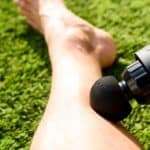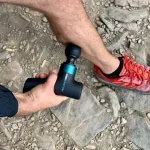
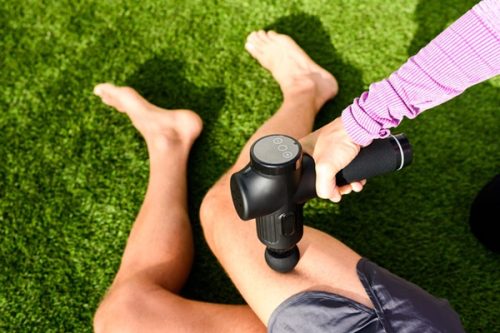
Tight or sore hamstrings can make everything—from walking to working out—feel harder than it should. A massage gun offers a simple, effective way to release tension and support faster recovery, especially if you lead an active lifestyle. 🌿✨
In this guide, you’ll learn how to use a massage gun on your hamstrings safely, which techniques give the best results, and how to choose the right attachments and pressure levels. Whether you’re easing post-workout soreness or improving flexibility, these step-by-step tips will help you get the most out of your massage gun routine.
Table of Contents
What is a Massage Gun?
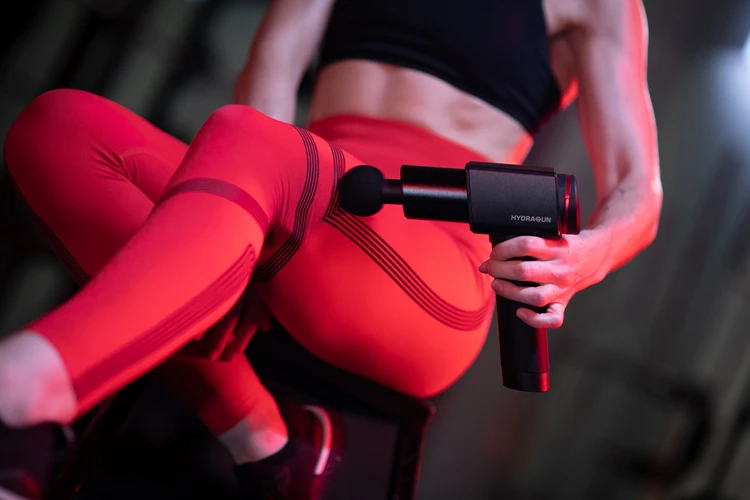
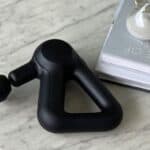
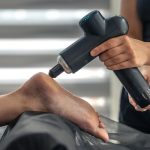
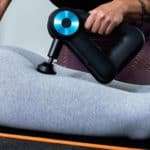
A massage gun is a hand-held device that helps to improve circulation and reduce muscle soreness, stiffness, and pain. It works by applying pressure to the affected areas through percussion therapy. It is designed to penetrate the deeper layers of the muscles and tissue to provide relief from muscle tension and knots.
Interesting Facts About Massage Guns:
- Massage guns are designed with a motor that produces high-frequency vibrations to help relax your muscles.
- Massage guns are also known as percussion massage guns, percussion therapy guns, and deep tissue massage guns.
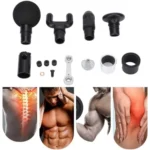
- The massage gun is equipped with a variety of massage heads that can be used to target specific muscle groups.
- The massage gun helps to loosen tight muscles, reduce muscle tension, stimulate blood flow, reduce inflammation, and improve range of motion.
- The massage gun helps to improve flexibility, reduce fatigue, and promote faster recovery.
- The massage gun is an ideal tool for athletes, fitness enthusiasts, and anyone looking to reduce pain, stiffness, and soreness.
Benefits of Massage Gun Use
Pain Relief
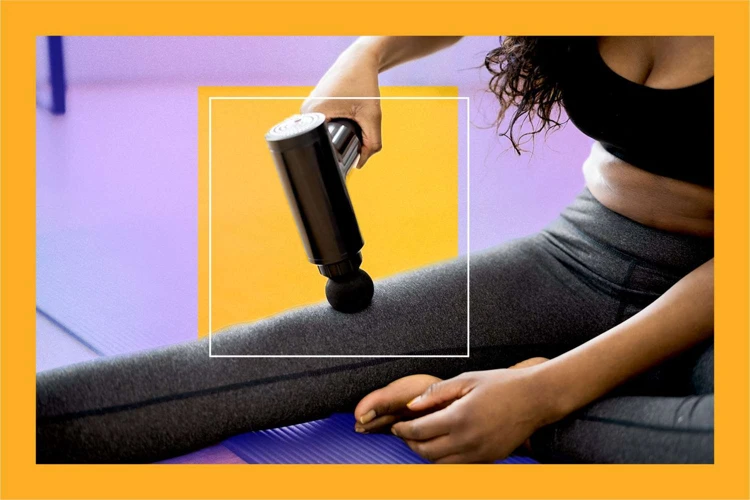
Using a massage gun on your hamstrings can help to reduce tension and pain. The deep tissue massage helps to break up adhesions and stimulate circulation, which can help to reduce muscle soreness and tension.
Improved Mobility
The massage gun can help to improve mobility by breaking up adhesions, which can help to increase flexibility in the hamstrings. This can help to improve your range of motion and help you move more freely.
Enhanced Recovery
The massage gun can help to improve recovery by increasing circulation and reducing muscle tension. This can help to reduce inflammation, which can help to speed up your recovery and help you get back to your activities faster.
How to Use a Massage Gun on Your Hamstrings
| Step | Instructions |
|---|---|
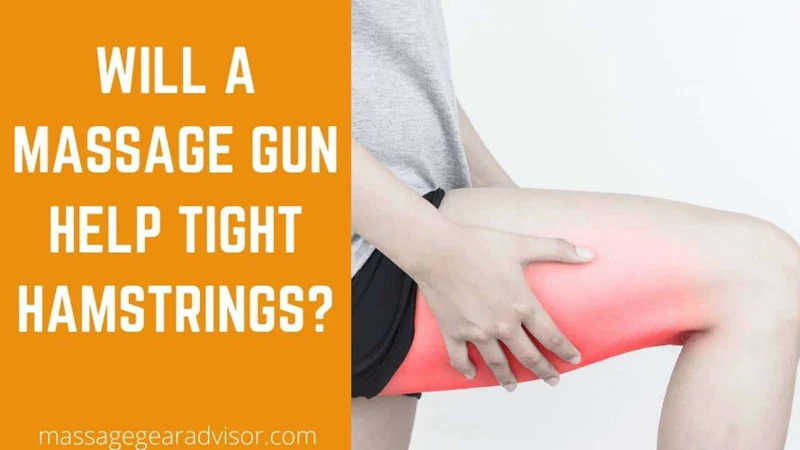
| 1 | Lie on your back on the floor with your legs straight and your feet flat on the floor. |
| 2 | Position the massage gun on your hamstrings, just above your knees. |
| 3 | Start with the lowest intensity setting, and slowly increase the intensity as needed. |
| 4 | Move the massage gun slowly up and down the length of your hamstrings for about 30 seconds. |
| 5 | Turn the massage gun off, and move it to the other leg. |
| 6 | Repeat the process on the other leg. |
| 7 | Repeat the massage gun routine 1-2 times per day, or as needed. |
For best results, use a massage gun for no more than 30 seconds per body part and keep the intensity setting on the low end. If you experience any pain or discomfort, reduce the intensity and/or duration.
Technique and Tips for Effective Massage Gun Use
Start Slowly
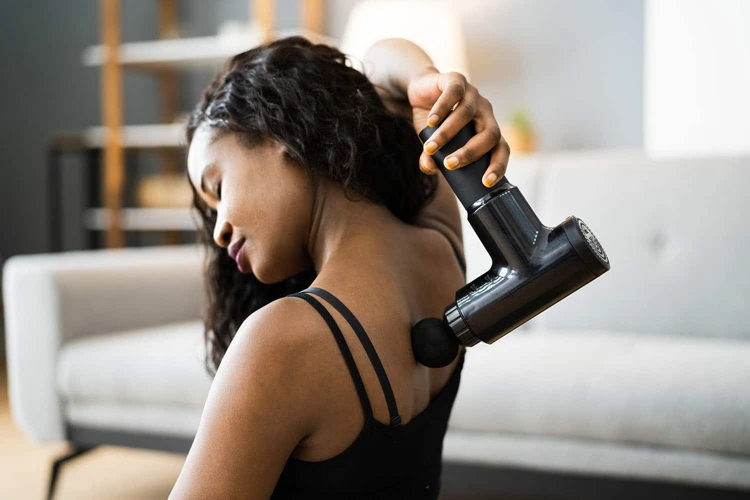
When using a massage gun, it is important to start slowly and gradually increase the intensity of the massage. Begin with light strokes and short bursts of massage across the entire length of the hamstring muscle. Once comfortable, you can increase the intensity of the massage gun and use longer, more intense strokes.
Move Across the Muscle
As you use the massage gun, it is important to move across the entire muscle. Start at the top of the muscle and move from side to side in a sweeping motion. This will ensure that the entire muscle is receiving the massage and help to prevent any areas from being neglected.
Increase Pressure Gradually
When using a massage gun, it is important to gradually increase the pressure of the massage. Start with a light pressure and gradually increase to a medium or firm pressure. This will allow you to find the most effective pressure for your particular needs and ensure that the massage is not too intense.
Change Positions
As you massage your hamstring, it is important to change positions regularly. This will help to ensure that all areas of the muscle are receiving the massage and will help to prevent any areas from being overlooked.
Avoid Injury
When using a massage gun, it is important to avoid any sudden or excessive movements. This can lead to injury and should be avoided. If you experience any pain or discomfort, it is important to stop the massage and seek medical advice.
By following these tips and techniques, you can ensure that your massage gun use is safe and effective. Massage guns can provide relief and recovery, but it is important to use them correctly. With proper technique and knowledge, you can reap the benefits of massage gun use on your hamstrings.
Potential Risks of Using a Massage Gun

Using a massage gun on your hamstrings has the potential to cause risks. These risks include:
| Risk | Description |
|---|---|
| Damage to muscle tissue | Using too much pressure with the massage gun on your hamstrings can cause damage to the muscle tissue, resulting in pain and soreness. |
| Increased inflammation | Using a massage gun can increase inflammation in the area due to the increased blood flow to the muscle. |
| Bruising | Using a massage gun can cause bruising if it is used too often or with too much pressure. |
| Nerve damage | Using a massage gun on your hamstrings can cause nerve damage if it is used too often or with too much pressure. |
It is important to use caution when using a massage gun on your hamstrings to avoid these potential risks. Be sure to read the instructions carefully and use the gun according to the manufacturer’s guidelines.
Common Questions About Using a Massage Gun
Can I use a massage gun on tight hamstrings?
Yes—massage guns are safe for tight hamstrings when used gently. Keep the device moving and avoid pressing directly into painful or swollen areas.
Should I warm up before using a massage gun?
A brief warm-up helps. Light stretching or walking for a minute makes the muscles more responsive and reduces discomfort.
Can I use a massage gun before a workout?
Yes. A short 30–60 second session per hamstring can increase blood flow and improve mobility before training.
Is it normal to feel sore afterward?
Mild soreness is common, especially if your muscles were tight. Sharp or lingering pain means you should reduce pressure next time.
Can massage guns help with hamstring flexibility?
They can. Loosening the tissue first makes stretching more effective and helps improve overall mobility.
What direction should I move the massage gun?
Glide the device along the length of the hamstring—never across it—and keep the strokes slow and smooth.
Should I use a massage gun if I feel a sharp pain?
No. Stop immediately. Sharp, pinpoint, or electric pain can indicate a strain or nerve irritation and needs rest, not percussion.
When to Seek Medical Assistance
- Excessive pain: If you experience excessive pain in your hamstrings after using the massage gun, it is best to seek medical assistance.
- Persistent pain: If the pain persists for more than two weeks, it is best to seek medical advice.
- Feeling unwell: If you feel unwell after using the massage gun on your hamstrings, seek medical attention.
- Infection: If you notice any signs of infection after using the massage gun, seek medical advice.
- Recent injury: If you have recently injured your hamstrings, it is best to seek medical advice before using the massage gun.
Frequently Asked Questions
What type of massage gun is best for hamstrings?
Most massage guns work well on the hamstrings as long as they offer adjustable speed settings and comfortable attachment heads. A medium or large round head provides good coverage for the long hamstring muscles, while softer heads are ideal for sensitive areas. Look for a device with a quiet motor and enough battery life for longer sessions. Choose the model that feels comfortable, controlled, and easy to manoeuvre. 👉
How long should I use a massage gun on my hamstrings?
Start with short sessions—about 1–2 minutes per area—until you understand how your muscles respond. Most people benefit from a total of 3–5 minutes per hamstring. Move slowly, avoid staying on one spot too long, and stop immediately if you feel sharp or uncomfortable sensations. Over time, you can extend the routine slightly if your hamstrings feel tight or fatigued. 🌿
How often can I use a massage gun on my hamstrings?
You can safely use a massage gun on the hamstrings several times per week, especially after workouts or periods of sitting. Daily use is usually fine as long as the pressure stays comfortable and there’s no lingering soreness. If your muscles feel tender the next day, give them time to recover before your next session. Consistency matters more than intensity. ✨
Are there any safety precautions I should follow?
Yes—always start on the lowest setting and increase only if it feels comfortable. Avoid using a massage gun directly over bones, bruises, varicose veins, recent injuries, or areas with swelling. Keep the device moving rather than pressing in one spot. If your leg becomes numb, overly red, or painful, stop right away. Anyone with circulation issues or nerve conditions should consult a healthcare professional first. ⚠️
What are the benefits of using a massage gun on my hamstrings?
Using a massage gun can help loosen tight hamstring muscles, improve flexibility, support recovery after workouts, and reduce post-exercise soreness. It also increases local circulation, which may enhance mobility and comfort. Many people find it helps relieve tension from long hours of sitting. When used regularly, it can make your legs feel lighter, smoother, and more responsive. 🏃♂️
Should I stretch before or after using a massage gun?
Most people benefit from using a massage gun before stretching. The percussive therapy helps warm the tissues, reduce resistance, and make your hamstrings more receptive to deeper stretches. You can also use the massage gun afterward to calm the muscles and reduce any tightness that remains. Pairing both methods supports better flexibility and recovery. 🙌
Can a massage gun help with hamstring injuries?
A massage gun may help ease general tightness and support recovery during later stages of healing—but it should not be used on acute injuries, sharp pain, bruising, or fresh strains. In early injury phases, percussive therapy can worsen inflammation. Always get medical clearance if your hamstring strain is moderate to severe or affecting your ability to walk comfortably. 🌼
Related Articles
👉 How to Use a Massage Gun on the Lower Back → Safe techniques for releasing deep tension in the lower back.
👉How to Massage a Hamstring Strain → Learn safe steps for easing tension and supporting recovery after a hamstring injury.
👉How to Massage the Hamstrings → A simple guide to relaxing tight hamstring muscles and improving flexibility.
Final Thoughts
Using a massage gun on your hamstrings can be a simple and effective way to release tightness, improve mobility, and support recovery after exercise or long periods of sitting. The key is to move slowly, stay within a comfortable pressure range, and pay attention to how your body responds. 🌿
With consistent use and proper technique, a massage gun can become a helpful addition to your wellness routine—making your legs feel lighter, looser, and ready to move again. And as always, if you experience sharp pain or a persistent injury, checking in with a healthcare professional is the safest next step. 💛
Reviewed December 2025 by April Merrick, Wellness Editor
📚References
- Efficacy of Percussive Massage Gun for Myofascial Release and Recovery for Exercise Performance: A Systematic Review and Meta-Analysis
- The Effects of Percussive Massage on Hamstrings Muscle Tissue: A Pilot Study
⚠️ Disclaimer:
This article is for informational purposes only and does not constitute medical advice. Always consult with a licensed healthcare provider or certified massage therapist before beginning any new treatment, especially if you have pre-existing health conditions or concerns.
About The Author