
Swollen breasts can feel heavy, tight, and intensely tender — the kind of discomfort that makes clothing or movement suddenly noticeable 💛. Whether your swelling is caused by PMS, hormones, fluid retention, breastfeeding, or engorgement, learning how to massage swollen breasts gently and safely can bring soothing, meaningful relief.
Breast massage is not about applying pressure or “working out knots.” Instead, it’s a soft, rhythmic technique that encourages lymphatic flow, reduces inflammation, and eases tissue tension. According to the Cleveland Clinic, gentle lymphatic-style breast massage can help relieve swelling when performed with light pressure and slow strokes.
This guide walks you through how to massage swollen breasts step-by-step, how to prepare, what causes swelling, how to adjust your technique for breastfeeding or engorgement, and when swelling should be reviewed by a healthcare professional.
Table of Contents
What Causes Swollen Breasts?
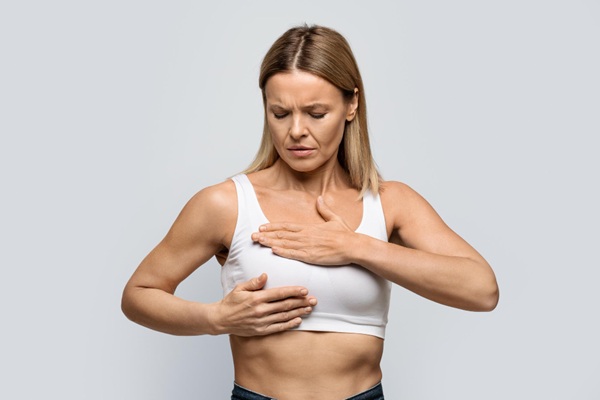
There are many reasons why breasts can swell — most of them temporary and completely normal. Hormonal changes during PMS, ovulation, pregnancy, and perimenopause often cause breast tissue to retain fluid 💧. The lymphatic system also becomes slower during these times, contributing to puffiness and heaviness.
Breastfeeding introduces another layer of complexity. Engorgement happens when milk builds up faster than it’s removed, making the breasts feel firm, shiny, and painfully full. The Mayo Clinic notes that engorgement is most common in the early postpartum period or when feeds are delayed.
Other common causes include tight bras, friction from exercise, dehydration, certain medications, and minor inflammation. Sudden swelling on one breast, swelling paired with fever, or redness should be reviewed promptly by a doctor.
Understanding the cause matters, because it guides how you’ll massage and care for your breasts 🌿.
Need More Relief? Explore Our Gentle Guide to Breastfeeding Massage
If you’re navigating fullness, engorgement, or latch challenges, the right massage technique can make feeding more comfortable for both you and your baby 💛.
Learn how to soften tissue, support milk flow, and relieve pressure safely.👉 Read the full guide: How to Massage Breasts While Breastfeeding
Is It Safe to Massage Swollen Breasts?
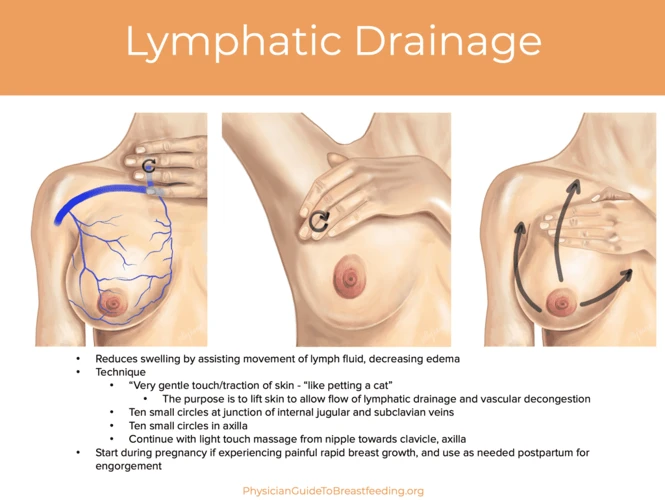
For most people, yes. Learning how to massage swollen breasts safely can help reduce fluid buildup, ease soreness, and soften tight tissue. The key is gentleness — breast tissue is delicate and sits over a network of lymph vessels just below the skin.
According to the Cleveland Clinic, deep pressure can worsen inflammation, especially when swelling is linked to hormonal changes or breastfeeding. The goal is always to support drainage, not push deeply into the tissue.
Massage is not recommended if your breast is hot, red, sharply painful, or swollen suddenly. These symptoms may signal mastitis (inflammation) or mastitis with infection and require medical care.
Benefits of Massaging Swollen Breasts
When performed correctly, breast massage can offer a wide range of benefits:
💛 Supports lymphatic drainage, reducing puffiness and congestion
💛 Softens tender, swollen areas
💛 Encourages healthy circulation and relaxation
💛 Helps ease PMS-related heaviness
💛 Supports breastfeeding comfort by easing fullness and promoting gentle milk flow 🍼
These benefits build over time — even a few minutes once or twice a day can make a noticeable difference.
How to Prepare for Breast Massage
Before learning how to massage swollen breasts, take a moment to create a relaxed space. Choose a comfortable position — sitting upright, lying back slightly, or standing in a warm shower works well.
Warm your hands and apply a soft moisturizer or light oil (jojoba, sweet almond, or a fragrance-free lotion). Breastfeeding parents should always choose breastfeeding-safe oils.
Take a few slow breaths to soften your chest wall and ease tension. This helps your lymphatic system function more effectively 🕊️.
The intention should always be slow, soft, and responsive to what your body needs.
How to Massage Swollen Breasts: Step-by-Step Guide
Below is the complete technique showing you how to massage swollen breasts to encourage comfort and natural drainage.
1. Prepare the lymphatic pathways
Start above your breasts, near your collarbone. Using very light pressure — imagine brushing a feather across your skin — stroke downward toward the collarbone. Repeat several times. These nodes act like “drainage stations,” so opening them first helps swelling move more effectively.
Next, move to the underarm and sweep downward toward the ribs. These motions clear room for fluid to travel 💧.
2. Begin gentle circular motions
Place your hand on the outer side of your breast. Use soft circular motions, moving slowly toward the center. Keep the pressure light; breast massage works best with gentle, rhythmic touch.
If you’re tender, imagine smoothing warm oil over calm water — soft, even strokes that allow your tissue to relax 💛.
Continue for one to two minutes on each breast.
3. Sweep fluid toward the armpit
Rest your hand beneath your breast and make long, gliding strokes toward the underarm. This technique encourages lymphatic drainage and is one of the core steps in how to massage swollen breasts.
Keep the pressure light-to-medium — enough to feel contact, but never enough to cause discomfort. Repeat several times with slow, steady motions.
4. Soften areas of fullness
If you feel a spot that seems firm or swollen, pause and use small circular fingertip motions. Move in the direction of the collarbone or underarm. According to the National Library of Medicine, lymphatic drainage works best with slow, superficial strokes rather than deep pressure.
Tender areas respond best to patience and warmth 🌿.
5. Finish with light compression
Cup your breast gently between your hands and hold for five seconds. This grounding touch helps settle tension and may soothe remaining discomfort 🔄.
Technique Variations
Different forms of swelling may respond better to different techniques:
🌿 Warm shower massage — Softens breast tissue and promotes relaxation
💧 Cooling afterward — A cool compress reduces inflammation
🕊️ Very light lymphatic strokes — Ideal for hormonal swelling or fluid retention
Choose the variation your body responds to best.
Essential Oils: What’s Safe?
Some natural oils can be helpful when learning how to massage swollen breasts:
- Lavender — calming and reduces tenderness
- Chamomile — gently anti-inflammatory
- Rose — softens skin and supports emotional comfort
- Frankincense — reduces tension and soothes irritated tissue
Always dilute essential oils in a carrier oil. Breastfeeding parents should avoid peppermint oil, as it may reduce milk supply.
Lifestyle Tips to Reduce Swelling
Massaging routinely is powerful, but pairing it with simple lifestyle shifts can amplify relief:
💛 Wear a supportive but non-tight bra
💧 Stay hydrated to reduce fluid retention
🌿 Add anti-inflammatory foods (berries, ginger, turmeric, leafy greens)
✨ Reduce caffeine during PMS if your breasts become tender
🕊️ Use warm compresses for hormonal swelling
💤 Prioritise rest — the lymphatic system is more efficient when you’re well-rested
These habits create an environment where your body can naturally reduce swelling.
Breastfeeding & Engorged Breasts: Safe Modifications
Engorged breasts can feel hard, shiny, hot, or intensely full. This swelling is different from hormonal swelling and requires specialized care. The Mayo Clinic notes that engorgement often results from inefficient milk removal, delayed feeds, or oversupply.
Deep pressure can worsen engorgement by pushing milk deeper into the tissue, potentially leading to inflammation.
Reverse Pressure Softening (RPS)
The La Leche League International recommends RPS to soften the areola and make latching easier:
- Place your fingertips around the areola.
- Press inward gently toward the chest wall.
- Hold for 60 seconds.
- Repeat until the area feels softer.
This technique helps milk flow more comfortably 🍼.
Gentle lymphatic drainage for engorgement
Follow RPS with featherlight strokes from the top of the breast toward the underarm. These strokes reduce inflammation and help fluid move without traumatizing the tissue.
Warmth before feeding and cool compresses afterward can provide additional relief.
If engorgement lasts longer than 24–48 hours, seek breastfeeding support.

When to Avoid Breast Massage
Pause massage and speak with a professional if you experience:
⚠️ A red, hot, or painful wedge-shaped area
⚠️ Persistent fever or flu-like symptoms
⚠️ Sudden swelling in one breast
⚠️ A lump that feels firm or fixed
⚠️ Pain that worsens during or after massage
These may indicate mastitis or another condition requiring medical treatment.
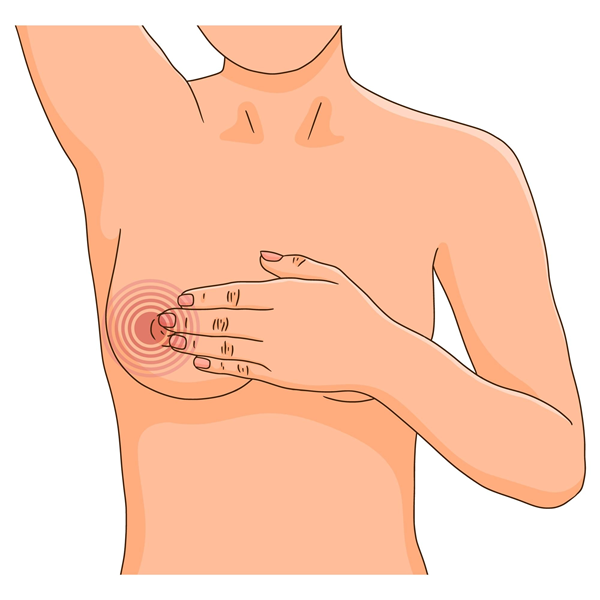
When to See a Doctor
Seek evaluation if:
➜ Swelling persists beyond several days
➜ You notice new lumps or areas of thickening
➜ One breast becomes significantly larger
➜ There is nipple discharge not related to breastfeeding
➜ Pain intensifies rather than eases
Early assessment helps rule out infection, cysts, hormonal imbalances, or other concerns.
Frequently Asked Questions
How often should I massage swollen breasts?
Once or twice a day is usually enough. Stop if discomfort increases.
Will breast massage help with PMS swelling?
Once or twice a day is usually enough. Stop if discomfort increases.
Is breast massage safe while breastfeeding?
Yes, as long as pressure stays gentle and techniques are adjusted for engorgement.
Does this technique help with fluid retention?
Absolutely. The sweeping motions used in how to massage swollen breasts support lymphatic movement and natural drainage.
Should I massage a blocked duct?
Avoid deep pressure. Use warmth, feeding, gentle strokes, and lactation support.
👉 Read more: How to Relieve a Blocked Milk Duct Safely
Conclusion
Learning how to massage swollen breasts can be a comforting and empowering way to support your body through swelling, tenderness, and fullness. With slow, gentle strokes, you can ease discomfort, improve circulation, and help your breast tissue feel softer and more relaxed. Whether your swelling is hormonal, fluid-related, or connected to breastfeeding, these safe techniques offer real relief 💛.
Massage should always feel nurturing — never forceful. If swelling worsens, becomes one-sided, or is paired with fever, seek medical guidance to understand what your body needs.
References
- CDC: Breast Swelling
- NCBI: Exploring the Massage Therapy Experience for Women with Breast Cancer Related Lymphedema
- University of Pennsylvania: Massage Therapy for Lymphedema Management
- Cleveland Clinic. Breast Pain (Mastalgia): Causes, Symptoms & Treatment
- Mayo Clinic. Breast Pain: Causes & When to See a Doctor
⚠️ Disclaimer:
This article is for educational purposes and is not a substitute for medical advice. Always consult a qualified healthcare provider for concerns about breast swelling, breastfeeding issues, or breast pain.
About The Author