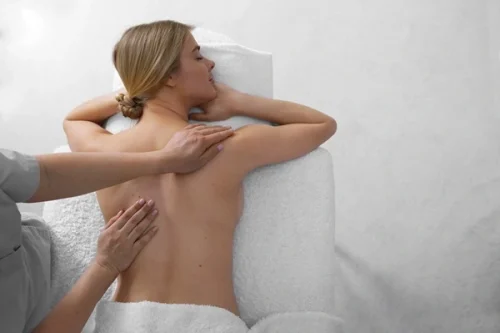
Swedish massage is one of the most popular and time-tested forms of therapeutic bodywork. Known for its gentle yet effective techniques, it’s praised for reducing stress, improving circulation, and promoting overall relaxation. Studies from the Cleveland Clinic and the National Center for Complementary and Integrative Health highlight its benefits for pain management, mental health, and overall wellness.
In this guide, we’ll explore everything you need to know about Swedish massage treatment—from its signature strokes to its powerful mind-body benefits. Whether you’re new to massage or seeking a deeper understanding, you’re in the right place.

Table of Contents
What Is Swedish Massage?
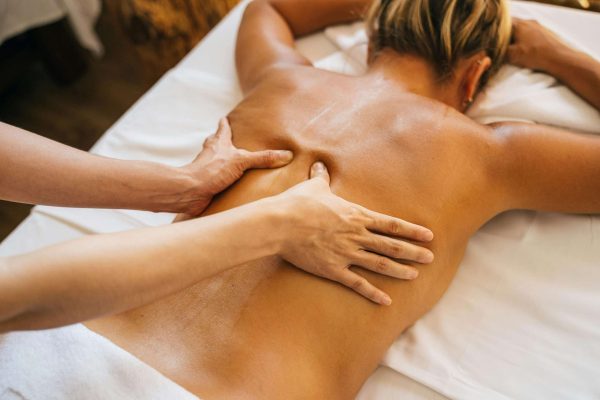
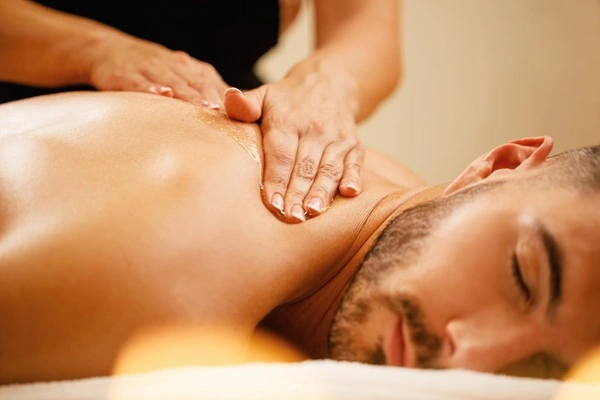
A Swedish massage is a type of full-body massage therapy that uses long:
💆 Gliding strokes
💆 Kneading
💆 Friction
💆 Tapping
💆 Gentle stretching
to relax muscles and increase circulation. It’s known for being both deeply calming and physically therapeutic—making it ideal for first-timers and seasoned spa-goers alike.
This style originated in Europe and was influenced by the work of Swedish physiologist Per Henrik Ling in the early 1800s. Though modern Swedish massage techniques evolved over time, they remain the foundation of most Western massage therapy.
The 5 Core Techniques of Swedish Massage
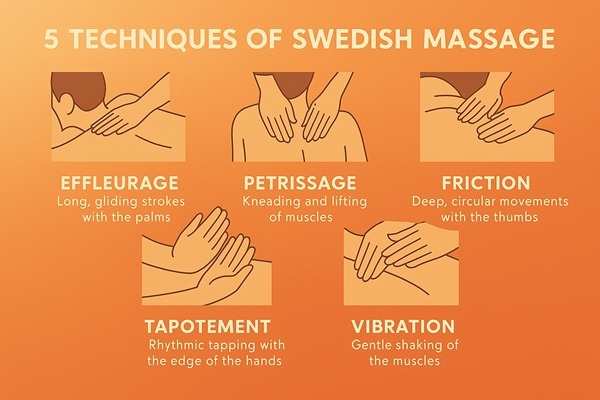
Swedish massage treatment typically includes a flowing combination of the following techniques:
1. Effleurage
Long, smooth gliding strokes that warm up the muscle and stimulate blood flow. Often used at the beginning and end of the session to relax the body and set a calming tone.
💫 Want to go deeper into effleurage—the foundational technique in Swedish massage?
👉 Read our full guide →
2. Petrissage
Kneading, rolling, and lifting of soft tissues to loosen tight muscles and promote lymphatic flow. It’s especially effective for areas like the shoulders and upper back.
3. Friction
Deep circular rubbing or pressure applied with the fingertips or thumbs to break down adhesions (muscle knots) and increase mobility.
4. Tapotement
Rhythmic tapping or percussion using the edge of the hands or cupped palms. This technique stimulates nerves and muscles, often used at the end of a massage to invigorate.
5. Vibration
Fine, rapid shaking or trembling motions that relax deep muscle tension and promote nervous system regulation.
Health Benefits of Swedish Massage
Swedish massage treatment isn’t just relaxing—it provides measurable benefits for both the body and mind. These benefits are not only based on centuries of anecdotal use but are also supported by modern clinical studies:
💪 Reduces muscle stiffness and promotes flexibility – Loosens tight muscle fibers, reduces spasms, and improves overall mobility in joints and soft tissue.
🩸 Enhances blood circulation and oxygen delivery – Gliding strokes stimulate blood flow, which helps deliver oxygen and nutrients more efficiently to cells and tissues.
😌 Lowers stress levels by reducing cortisol production – Swedish massage helps activate the parasympathetic nervous system, easing the ‘fight or flight’ response and lowering physical tension.
😴 Improves sleep quality and energy levels – Many clients report better sleep and a refreshed feeling the day after a session, especially those who struggle with insomnia or restless nights.
🧠 Boosts mood by increasing serotonin and dopamine – Gentle touch and muscle manipulation stimulate neurochemical activity, improving mood and emotional resilience.
🛡️ Supports immune function by improving lymph flow – Swedish massage gently activates the lymphatic system, which is key to removing toxins and defending against illness.
🧘 Reduces anxiety and tension, supporting mental well-being – Clients often experience a significant drop in perceived stress, anxiety, and depressive symptoms after a session.
✨ According to the Cleveland Clinic, Swedish massage is known to assist with pain relief, stress management, and overall physical restoration.
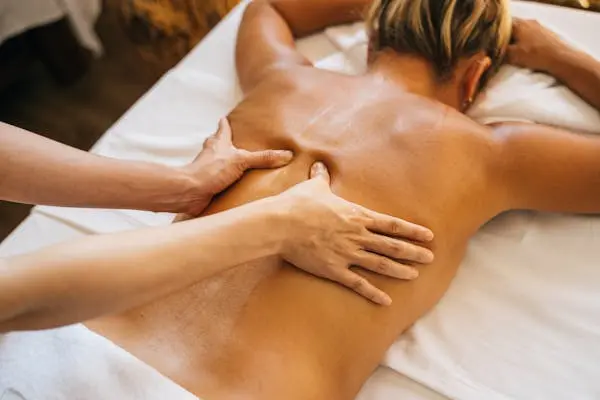
What to Expect During a Swedish Massage
Here’s a breakdown of a typical 60–90 minute session:
Before the Massage
✨ You’ll fill out a brief health intake form
✨ The therapist will ask about areas of concern and pressure preferences
✨ You’ll undress to your comfort level and lie under a clean sheet
During the Massage
✨ The therapist uses oil or lotion for smooth gliding
✨ Massage begins with gentle strokes and builds gradually
✨ Each technique is applied across the full body—back, legs, arms, shoulders, and neck
After the Massage
✨ You may feel deeply relaxed or slightly drowsy
✨ Light soreness can occur in areas of deeper pressure
✨ Hydrate to help your body flush out toxins
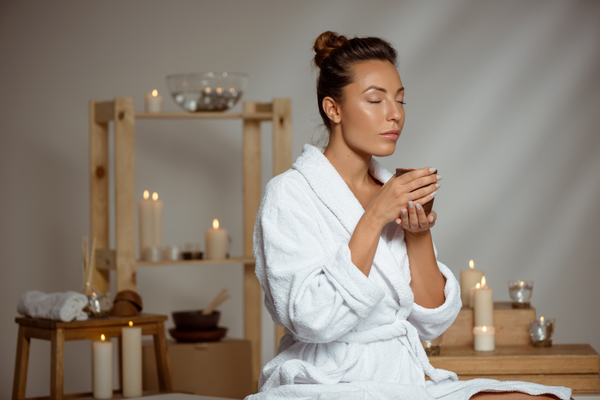
Who Should Try Swedish Massage?
Swedish massage is suitable for nearly everyone, including:
✨ First-time massage clients
✨ Office workers and people with sedentary lifestyles
✨ Older adults seeking gentle pain relief
✨ Pregnant women in the second or third trimester (with a trained therapist)
✨ Athletes in recovery between intense training periods
✨ Anyone experiencing stress, burnout, or trouble sleeping
🔍 If you have serious medical conditions, consult your doctor before booking a session.
Swedish Massage vs. Other Techniques
| Massage Type | Pressure | Best For | Techniques Used |
|---|---|---|---|
| Swedish | Light–Medium | Relaxation, circulation, stress | Gliding, kneading, tapping |
| Deep Tissue | Medium–Firm | Chronic pain, knots, injuries | Deep friction, trigger points |
| Thai | Medium–Firm | Flexibility, posture, energy flow | Stretching, compression |
| Hot Stone | Light–Medium | Relaxation, warmth, muscle relief | Stones + Swedish strokes |
| Sports Massage | Variable | Athletic recovery and performance | Friction, stretching, compression |
👉Looking for a massage style that blends movement, stretching, and deep relaxation? Discover the healing power of traditional Thai massage—perfect for improving flexibility, circulation, and energy balance.
Not Sure Which Massage Is Right for You?
If you’re still deciding between a Swedish massage and a deep tissue massage, you’re not alone. Each has unique benefits—and the right one depends on your body, your goals, and even your mood.
👉 Read our full breakdown: Swedish vs Deep Tissue Massage →
How Often Should You Get a Swedish Massage?
📅 Monthly – For general stress relief and muscle health
📅 Biweekly – If you sit at a desk or stand for long hours
📅 Weekly – During intense periods of physical or emotional stress
📅 Occasionally – For self-care, travel recovery, or pampering
Consistent sessions offer cumulative benefits, improving flexibility, sleep, and mental clarity over time.
Maximize the Benefits: Tips Before and After
📌 Arrive early and stay calm before your session
📌 Communicate openly with your therapist about pressure and preferences
📌 Avoid heavy meals beforehand
📌 Drink plenty of water after the massage
📌 Schedule some downtime after your session—avoid intense exercise
Aromatherapy and Oils in Swedish Massage
Massage therapists often incorporate essential oils for an enhanced sensory experience. Common oils used include:
✨ Lavender – Calming, great for relaxation and sleep
✨ Eucalyptus – Refreshing and helpful for mental clarity
✨ Almond or jojoba – Non-scented carrier oils for smooth gliding
If you’re sensitive to fragrances, you can request unscented options.
Can You Use Swedish Massage Techniques at Home?
Yes! While it won’t replace a full session with a licensed therapist, you can apply the basics at home:
✨ Use light effleurage strokes on your forearms or thighs with massage oil
✨ Apply gentle kneading to shoulders with your thumbs
✨ Use a warm compress or massage tool on your neck or back
✨ Breathe deeply and move slowly to recreate the calming effect
How to Find a Good Swedish Massage Therapist
When booking a Swedish massage treatment, look for:
✅ Licensed Massage Therapists (LMTs) in your state
✅ Certifications from trusted bodies like AMTA or ABMP
✅ Positive online reviews and professional demeanor
✅ Clean, welcoming treatment space and clear communication
🧭 Use trusted directories like AMTA’s Find a Massage Therapist tool or ABMP’s locator to find certified therapists in your area.
Frequently Asked Questions
Is Swedish massage painful?
No—it should be relaxing. Always speak up if the pressure feels too intense.
Do I have to get completely undressed?
No—you undress to your comfort level and will remain fully covered except for the area being worked on.
Can Swedish massage help with anxiety?
Yes, it reduces cortisol levels and encourages serotonin production, supporting emotional balance.
Is Swedish massage safe during pregnancy?
Yes, after the first trimester and with a prenatal-certified therapist.
Common Conditions Swedish Massage Can Help With (Expanded)
✅ Swedish massage treatment is widely recognized for its ability to ease physical and mental tension. Here are some of the most common conditions it helps address:
✅ Headaches and migraines – by reducing neck and shoulder tension that often contributes to head pain
✅ Sciatica and back pain – with gentle strokes that improve circulation and ease inflammation in the lower back
✅ Chronic fatigue – by supporting better sleep and nervous system balance
✅ Depression or seasonal affective disorder – through its calming effects and increased production of serotonin and dopamine
✅ Postural strain – especially for people who sit or stand all day for work
Muscle soreness after exercise – as a recovery technique for light or moderate activity
Fluid retention – with light lymphatic drainage effects to reduce swelling in hands, feet, and legs
Regular sessions can complement physical therapy, support holistic wellness, and help restore a better mind-body connection.
Testimonials
“After three sessions, my sleep improved and my neck tension disappeared. It’s now part of my monthly self-care routine.” — Samantha B., 42
“I booked my first Swedish massage out of curiosity. Now I can’t imagine going a month without one. It’s helped me feel calmer, more focused, and pain-free.” — Jason L., 35
Final Thoughts: Is Swedish Massage Right for You?
If you’re looking for a gentle yet effective way to manage stress, relieve muscle tension, or simply take a break from the daily grind, Swedish massage is one of the most accessible and rewarding treatments available.
Unlike deeper or more intense massage techniques, Swedish massage offers a soothing approach that encourages the body to let go, the mind to unwind, and the nervous system to recalibrate. Whether it’s a one-off session or part of your monthly self-care plan, it offers benefits that last far beyond the massage table.
Ready to give your body and mind the care they deserve? Schedule a Swedish massage session and feel the difference for yourself.
🌿 Related Articles
🔗 Why Am I Sore After a Massage?
🔗What Is Traditional Thai Massage? The Ultimate Guide to Thai Bodywork
🔗Reflexology Explained: The Ancient Pressure-Point Therapy That Rebalances the Modern Body
📚 References
- Cleveland Clinic. (2022). Massage Therapy: Types and Benefits. Retrieved from https://my.clevelandclinic.org/health/treatments/17694-massage-therapy
- American Massage Therapy Association (AMTA). Benefits of Massage. Retrieved from https://www.amtamassage.org/about/benefits-of-massage/
- National Center for Complementary and Integrative Health (NCCIH). (2022). Massage Therapy: What You Need To Know. Retrieved from https://www.nccih.nih.gov/health/massage-therapy-what-you-need-to-know
- Mayo Clinic. (2021). Massage: Get in touch with its many benefits. Retrieved from https://www.mayoclinic.org/healthy-lifestyle/stress-management/in-depth/massage/art-20045743
⚠️ Disclaimer:
This article is for informational purposes only and does not constitute medical advice. Always consult with a licensed healthcare provider or certified massage therapist before beginning any new treatment, especially if you have pre-existing health conditions or concerns.
About The Author