If you’re wondering “how big should a massage room be” to provide the perfect relaxation experience, then you’ve come to the right place. In this article, we’ll discuss the ideal size and layout of a massage room to ensure a comfortable and calming environment for both the massage therapist and the client. We’ll also provide tips on how to make the most of a smaller massage room. So, read on to find out all the information you need to create the perfect massage room.
Setting Up a Massage Room in Your Home

Selecting a Room
When selecting the right room for a massage, you should consider the size of the space you are using. A massage room should be large enough to comfortably accommodate both the massage therapist and the client. It should also be free from any outside noise or distractions that could disrupt the relaxation experience.
Furniture and Decor
For the perfect massage experience, you’ll need furniture and decor that is comfortable and inviting. A massage table, massage chair, and other furniture pieces should be chosen to create a calming atmosphere. Additionally, consider adding decorations and artwork that will enhance the relaxation experience.
Lighting and Ambience
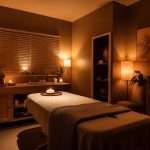
The lighting in a massage room should be subdued and calming. Soft lights or candles can help to create a peaceful atmosphere. Additionally, you may also want to add scented candles or essential oil diffusers to further create a relaxing ambience.
Sound
Music can be a great addition to a massage room, as it can help to set the tone for relaxation and help to block out any external noise. Choose music that is calming and soothing, as this will help to create the perfect atmosphere for a massage.
Designing a Massage Therapy Room
What’s Needed
Setting up a massage therapy room can be a daunting task. It is important to plan ahead and make sure that you have all the necessary elements before you begin. A few of the essentials include a massage table, towels, and massage oils. You’ll also need to consider the size and layout of the room, the colors, flooring and carpeting, and accessories such as aromatherapy.
Room Size and Layout
When it comes to designing the perfect massage room, size is an important factor. The ideal size for a massage room is 10 feet by 10 feet, which provides enough space for a massage table, storage, and a comfortable atmosphere for the client. If the room is too large, it may feel overwhelming, and if it is too small, it may be difficult to move around and access all the necessary items.
Color Palette
The color palette of a massage room should be chosen with care. Warm, calming colors such as pastels and earth tones are best. Bright colors should be avoided, as they can be distracting and can make the room feel overwhelming. The colors should also be chosen to complement the furniture and accessories in the room.
Flooring and Carpeting
When it comes to flooring and carpeting, comfort and safety are key. Carpeting is best for massage rooms, as it provides cushioning for the client and helps to reduce noise. If possible, it is best to avoid tile or hardwood flooring, as these can be slippery and loud during massage therapy.
Accessories and Aromatherapy
Accessories such as candles, plants, and music can help create a relaxing atmosphere. Aromatherapy can also be used to create a calming atmosphere. Essential oils can be diffused in the room to create a soothing environment for the client.
By taking the time to carefully design your massage room, you can create a space that is comfortable and inviting. With the right size, layout, colors, flooring, and accessories, you can create an atmosphere that is perfect for the perfect relaxation experience.
Frequently Asked Questions
How Much Furniture Should I Include in My Massage Room?
The amount of furniture you should include in your massage room should be based on the size and purpose of the room. Generally, it’s recommended to keep the furniture limited to the essentials – a massage table, a chair, and a shelf for storing supplies. You can also opt to add a few relaxing touches, such as a comfortable couch, a few plants, and low lighting. Remember, the goal is to create a calming and inviting atmosphere that will help your clients feel relaxed.
What type of Flooring is Best for a Massage Room?
The best flooring for a massage room is easy to clean, quiet and comfortable to stand on for hours. Luxury vinyl, cork and rubber are popular because they resist water, feel warm underfoot and are simple to clean between clients. Hardwood looks good but can be noisy and harder on your feet, while carpet feels soft but soaks up oil and is harder to keep hygienic. Add an anti-fatigue mat where you stand most.
What are the Benefits of Having a Larger Massage Room?
Having a larger massage room can offer a variety of benefits, such as improved comfort for the therapist and client, increased privacy and improved ambiance. A larger massage room allows for more space to move around, improving the level of comfort for both the therapist and the client. Additionally, it also provides more privacy, as the client will not feel as exposed or cramped in a larger space. Finally, a larger massage room can provide a more calming and inviting atmosphere, allowing the client to truly relax and be at ease.
What type of lighting is ideal for a massage room?
The ideal lighting for a massage room is soft, warm and adjustable. Use dimmable lamps or ceiling lights with warm-white bulbs, around 2,700K, and position them so they don’t shine into the client’s eyes when they lie face up. Natural light is pleasant if you can soften it with blinds or sheer curtains. Keep a brighter setting for cleaning and checking skin, and avoid harsh fluorescent tubes.
What type of air filtration system should I use in my massage room?
For the perfect massage experience, it is important to ensure that air filtration is in place. The ideal air filtration system should:
• Remove dust, pollen, and other airborne impurities from the air.
• Eliminate odors and airborne germs from the massage room.
• Circulate fresh, clean air throughout the space.
The best types of air filtration systems are those with high efficiency particulate arresting (HEPA) filters, which can trap particles as small as 0.3 microns. HEPA filters also have low air resistance, which means they can circulate air quickly and efficiently. Additionally, air filtration systems should be equipped with activated carbon filters, which can absorb odors, reduce chemical vapors, and eliminate harmful gases from the air.
Conclusion
A massage room should be large enough to accommodate the massage therapist and their equipment, and comfortable enough for the client to be able to relax. The size of the room should also take into account the type of massage that will be performed and the number of people who will be in the room at one time. With the right size and layout, a massage room can create a perfect relaxation experience for both the client and the masseur.