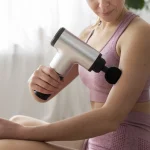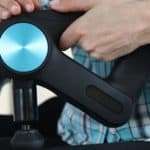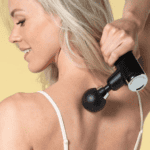
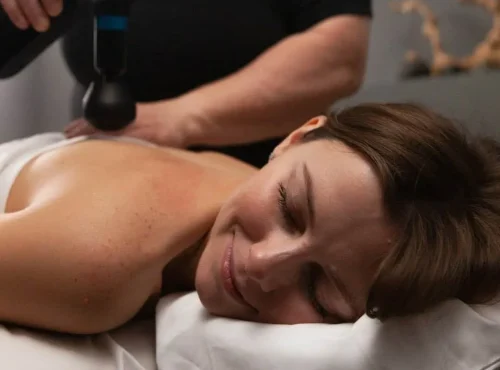
Percussive massage, or percussion therapy, is a therapeutic technique that uses rapid, repetitive taps to stimulate muscles and tissues. Using a handheld device, it delivers short, powerful strokes to relieve tension, reduce inflammation, and enhance circulation. This massage method is commonly used for pain relief, stress reduction, and restoring movement to injured muscles. This article explores the benefits of percussive massage and how it supports healing and overall health.
What is Percussive Massage?
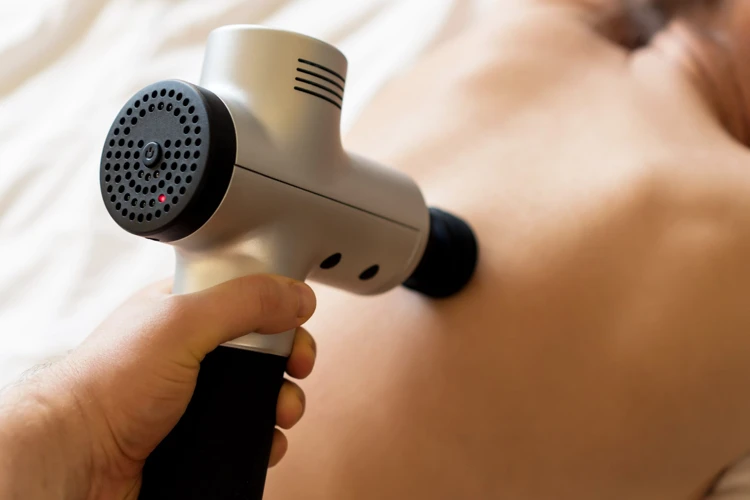
Percussive massage is an advanced, non-invasive therapy that uses rapid, repetitive strokes to penetrate deep into muscles and tissues. This technique helps reduce muscle tension, enhance circulation, and accelerate healing, making it an effective tool for recovery and overall well-being.
Benefits of Percussive Massage:
- Reduces muscle tension
- Improves circulation
- Increases range of motion
- Relieves pain
- Improves flexibility
- Improves posture
- Releases toxins and lactic acid
- Reduces inflammation
- Improves recovery time
- Boosts the immune system
Percussive massage is performed using a specialized instrument, such as a handheld percussive massage tool. The tool is designed to produce rapid, repetitive strokes that penetrate deep into the muscles and tissue. This helps to break up adhesions and promote healing.
The therapist will apply slow, gentle pressure with the tool and varying speeds and depths of stroke. This allows the therapist to customize the treatment to the individual patient’s needs.
The percussive massage technique is often used with other forms of massage, such as Swedish massage, deep tissue massage, and trigger point therapy. It is a safe and effective way to reduce muscle tension, improve circulation, and promote healing.
What is a Percussive Massager?
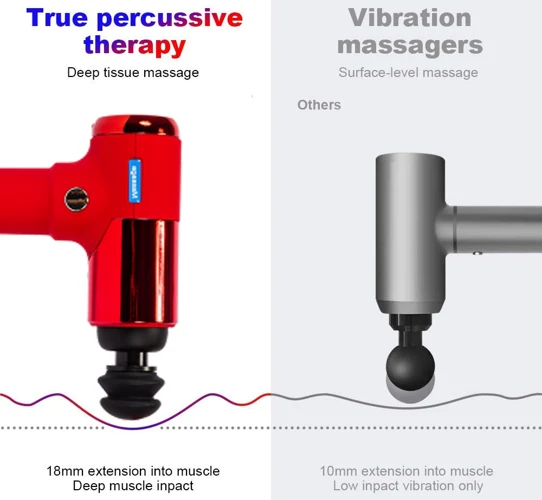
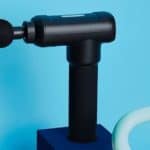
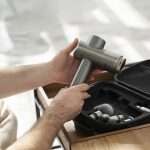
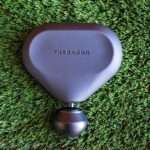
A percussive massager is a handheld device that delivers rapid and repetitive pressure to the body to provide therapeutic benefits. It is equipped with an electric motor, which generates a unique and powerful vibration that delivers a deep, penetrating massage. Athletes, chiropractors, physical therapists, and massage therapists favour this type of massager to help alleviate muscle soreness and fatigue, break up scar tissue, and improve range of motion and flexibility. The device is typically lightweight and easy to use. It can be used on various areas of the body, including the neck, back, arms, and legs.
📢 Interested in learning more about Massage Guns? How do they stack up against each other? Check out our other expert roundups:
- ➡️ Best Mini Massage Guns Under
- ➡️ Best Massage Guns Under $100
- ➡️ Best Massage Guns Under $150
- ➡️ Best Massage Guns Under $200
Benefits of Percussive Massage
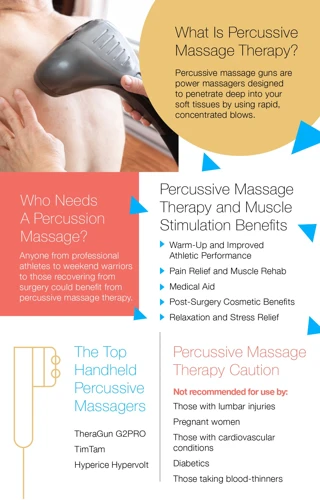
Pain Relief
Percussive massage is an effective technique for relieving muscle tension and pain. The deep tissue massage provided by this type of technique can help to reduce inflammation and stiffness, leading to improved mobility and reduced pain.
Improved Mobility
Deep tissue massage techniques such as those used in percussive massage can help to improve the range of motion in the joints and muscles. This type of massage is particularly effective for people who suffer from chronic pain or have been injured due to overuse.
Increased Circulation
Percussive massage helps to increase the flow of blood and oxygen to the muscles, improving circulation and helping to reduce fatigue. This increased circulation can also help to reduce swelling, improve flexibility and reduce muscle soreness.
Reduced Muscle Soreness
The deep tissue massage provided by percussive massage helps to reduce muscle soreness and stiffness. This can help to improve flexibility, reduce pain and improve overall performance.
Improved Flexibility
Percussive massage increases flexibility by loosening tight muscles, improving range of motion and reducing pain. This type of massage is particularly beneficial for athletes or those who are physically active, as it can reduce the risk of injury and improve overall performance.
What is Percussion in Massage?
Percussion in massage is a type of massage therapy that utilizes rhythmic tapping or pounding of the muscles and tissues. This type of massage is used to provide deep tissue relief, improve circulation, reduce soreness and stiffness, and improve flexibility.
Types of Percussion Massage
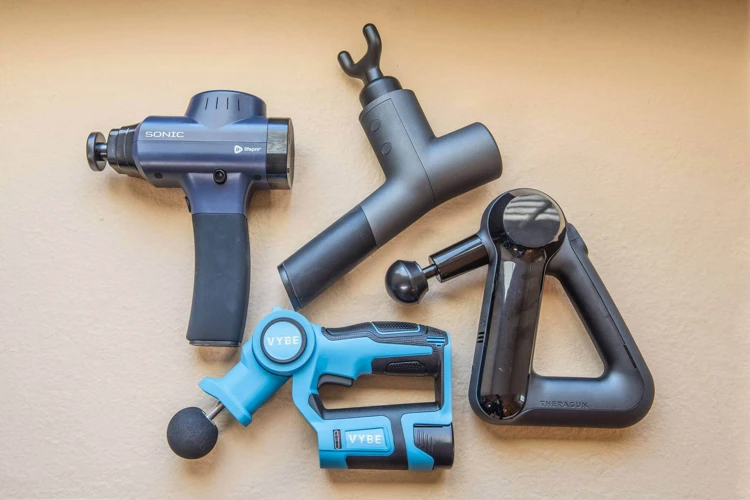
Vibration
Vibration is a type of percussive massage therapy that involves the use of a mechanical device to deliver rapid pulses of pressure to the body. The device vibrates rapidly, sending pulses of pressure into the muscle tissue. This type of massage is often used to help relax tight muscles and reduce tension and stress.
Friction
Friction is another type of percussive massage therapy that involves the use of a mechanical device to deliver rapid pulses of pressure to the body. The device rapidly rubs the skin, sending pulses of pressure into the muscle tissue. This type of massage is often used to help reduce pain, improve mobility, and increase circulation.
Tapotement
Tapotement is a type of percussive massage therapy that involves the use of a mechanical device to deliver rapid taps of pressure to the body. The device rapidly taps the skin, sending pulses of pressure into the muscle tissue. This type of massage is often used to help break down adhesions, stimulate circulation, and increase range of motion.
📢 Interested in learning more about Massage Guns? How do they stack up against each other? Check out our other expert roundups:
- ➡️ Best Mini Massage Guns Under
- ➡️ Best Massage Guns Under $100
- ➡️ Best Massage Guns Under $150
- ➡️ Best Massage Guns Under $200
Risks of Percussive Massage

Percussive massage is a powerful therapy that can bring many benefits to your health and wellbeing, but it is important to be aware of the potential risks.
- Injury: Percussive massage can be quite intense and vigorous, which can lead to bruising, swelling, and soreness. It is important to talk to your massage therapist about any existing injuries or areas of discomfort before a session.
- Pain: Percussive massage can be painful, especially for those who are not used to deep tissue massage. The therapist should adjust the intensity of the massage accordingly.
- Exhaustion: Percussive massage is physically demanding, both for the therapist and the client. This can lead to exhaustion, so it is important to drink plenty of water and to rest after a session.
- Allergic reactions: If you are allergic to the oils or creams used in the massage, you may experience an allergic reaction. Make sure that you tell your therapist about any allergies before the session.
It is important to be aware of the risks associated with percussive massage before you book a session. Talk to your therapist about any injuries or allergies to make sure that the treatment is as safe and effective as possible.
Techniques for Percussive Massage
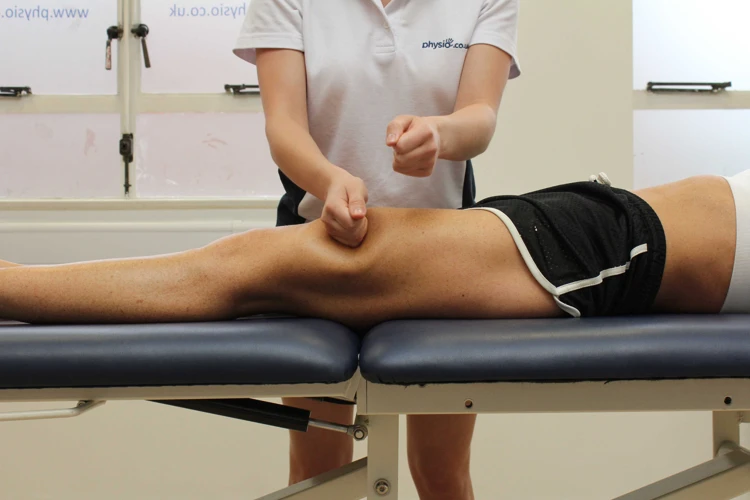
- Tapotement: This technique involves rapid and repetitive tapping motions that create a pleasant sensation and stimulate circulation.
- Effleurage: This technique involves slow and gentle strokes that are meant to relax and soothe the recipient.
- Vibration: This technique involves vibrating the recipient’s muscles with a hand-held device or an electric massager.
- Friction: This technique involves rubbing the recipient’s skin to create heat and loosen tight muscles.
- Compression: This technique involves applying pressure to specific points to reduce inflammation and discomfort.
- Trigger Point Therapy: This technique involves applying pressure to specific points on the body to relieve tension and reduce pain.
Percussive massage is a powerful therapy that can be used to relieve tension, reduce pain, and improve circulation. The techniques used in this type of massage are designed to stimulate the body’s natural healing processes. Each technique has its own specific purpose and can be combined with other techniques to provide the most effective treatment.
Who Should Not Receive Percussive Massage?
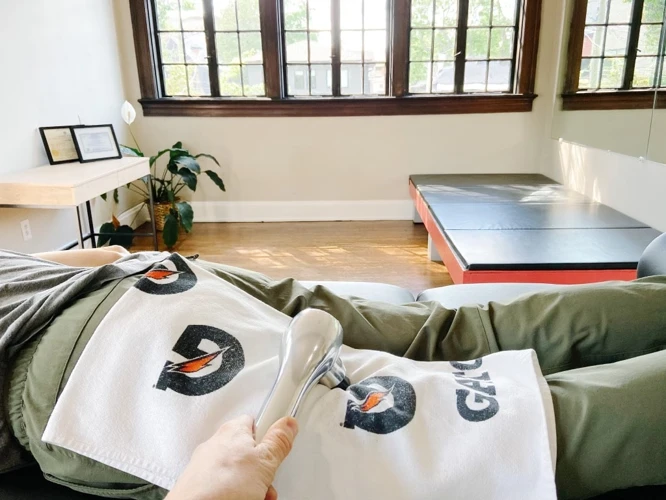
While percussive massage offers numerous benefits, it is not suitable for everyone. Individuals who should avoid percussive massage include:
- Those with severe osteoporosis
- Individuals with acute inflammation
- People with heart or vascular problems
- Those with infectious diseases or cancer
- Pregnant women
- Individuals with burns, fractures, or open wounds
- Those with thrombosis or varicose veins
- People with skin diseases or nerve damage
- Individuals experiencing internal bleeding
- Those with hernias or metal implants
- People who have undergone surgery within the last three months
If you have any underlying health conditions, consult a healthcare professional before using percussive massage therapy.
It is important to consult with a doctor before receiving percussive massage to ensure it is safe.
How to Find a Qualified Percussive Massage Therapist
Finding a qualified percussive massage therapist is essential to get the best out of a session and to ensure that you have a safe, comfortable and beneficial experience. Here are some tips to help you find the right therapist for you.
Word of Mouth – Ask your friends, family and colleagues for recommendations. You may find that someone you know has had a great experience with a percussive massage therapist and can recommend them to you.
Check Credentials and Qualifications – Make sure that the therapist you choose has the appropriate qualifications and experience. They should be able to provide evidence of their qualifications and should be a registered practitioner with a recognized professional organization.
Consider Experience and Specialties – It is important to choose a therapist with the right experience and specialties to meet your needs. Experience in percussive massage therapy is essential, and a therapist who has specific experience in the area you are looking to treat is also ideal.
Talk to Your Therapist in Advance – Before you book your appointment, have a conversation with your therapist. Ask questions about their experience, qualifications and approach to treatment. This will help you get an idea of what to expect from the session and whether or not the therapist is the right fit for you.
Read Reviews – Take the time to read reviews of your potential therapist. This will give you an idea of what previous clients have thought about the quality of their services and the results they achieved.
By following these tips, you will be able to find a qualified percussive massage therapist who can provide you with a safe and effective treatment. With the right therapist, you will be able to experience the many benefits of this powerful therapy.
📢 Interested in learning more about Massage Guns? How do they stack up against each other? Check out our other expert roundups:
- ➡️ Best Mini Massage Guns Under
- ➡️ Best Massage Guns Under $100
- ➡️ Best Massage Guns Under $150
- ➡️ Best Massage Guns Under $200
Frequently Asked Questions
What are the main benefits of percussive massage?
Percussive massage provides rapid bursts of pressure that help release deep muscular tension, improve circulation, and reduce soreness after workouts. This type of percussion therapy also improves mobility, supports faster recovery, and helps break up adhesions in tight tissue. Many people use percussive massage to ease chronic thigh, back, or shoulder stiffness and to enhance athletic performance by loosening tight areas before training.
How often should I use percussive massage for best results?
Most people benefit from using percussive massage 3–5 times per week, depending on activity level and muscle sensitivity. For intense training or heavy leg workouts, short daily sessions can help reduce DOMS and improve recovery. Start with 1–2 minutes per muscle group and increase slowly. If an area becomes sore or sensitive, reduce frequency or switch to lighter settings.
Is percussive massage suitable for everyone?
Percussive therapy is generally safe, but some people should use caution. Avoid strong percussion if you’re pregnant, have osteoporosis, nerve disorders, varicose veins, blood clot history, or uncontrolled circulation issues. If you have a medical condition, check with your healthcare provider before using a massage gun or receiving percussive treatment. Always listen to your body—pain, numbness, or sharp discomfort is a sign to stop.
What conditions can percussive massage help with?
Percussive massage can help with muscle tension, post-workout soreness, tight quads and hamstrings, lower-back stiffness, and shoulder or neck pain. It may also support conditions like chronic muscle tightness, limited mobility, or mild inflammation by improving circulation and reducing muscular adhesions. Many people use percussion therapy to warm up before exercise and accelerate recovery afterward.
How do I choose a therapist or practitioner for percussive massage?
Look for a therapist trained in percussion therapy or neuromuscular massage, and ask about their experience using percussive tools. Certification isn’t mandatory, but specialized training is valuable. Check reviews, ask about safety practices, and make sure they understand how to adapt percussive massage for sensitive areas like the thighs or lower back. A skilled practitioner will tailor pressure and speed to your goals and comfort level.
Can I use a massage gun instead of seeing a therapist?
Yes — massage guns are one of the most common tools used for at-home percussive massage. They can effectively loosen tight thigh muscles, reduce soreness, and improve circulation when used correctly. Start on the lowest setting, glide slowly across the muscle, and avoid bones or joints. While a massage gun won’t replace a trained therapist entirely, it’s excellent for daily recovery and maintenance.
Conclusion
Percussive massage is an effective form of therapy that can help to relieve pain, tension, and stress in the body. It is a safe and non-invasive technique that can be used to help improve circulation, increase range of motion, and reduce inflammation. It is a powerful therapy that has a variety of benefits, and can be used to treat a wide range of conditions.
📚 References
- Effects of Percussive Massage on Acute Low Back Pain
- UCLA Health: Considering a massage gun? Here’s what you need to know about percussive therapy
- Cleveland Clinic: Try a Massage Gun for Relieving Aches and Pains
📢 Interested in learning more about Massage Guns? How do they stack up against each other? Check out our other expert roundups:
- ➡️ Best Mini Massage Guns Under
- ➡️ Best Massage Guns Under $100
- ➡️ Best Massage Guns Under $150
- ➡️ Best Massage Guns Under $200
Enjoyed the read? Drop us a comment below — we’d love to hear your thoughts! 👇👇👇
⚠️ Disclaimer:
This article is for informational purposes only and does not constitute medical advice. Always consult with a licensed healthcare provider or certified massage therapist before beginning any new treatment, especially if you have pre-existing health conditions or concerns.
About The Author