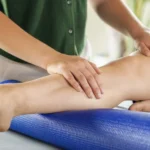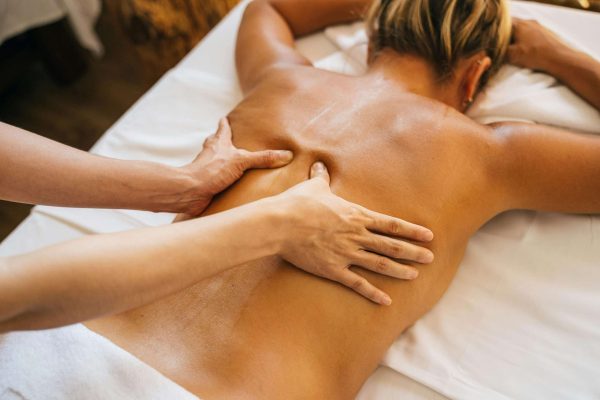

Are you looking to experience the refreshing benefits of ice massage? If so, you’re in the right place. This article will explain what ice massage is, how it works, and the potential benefits of this unique therapy. In short, ice massage is a type of massage that utilizes a device that applies cold temperatures to the body. It is thought to reduce inflammation, improve circulation, and ease muscle pain and tension. So, let’s dive into what ice massage is and what it can do for you.
Table of Contents
What is Ice Massage?
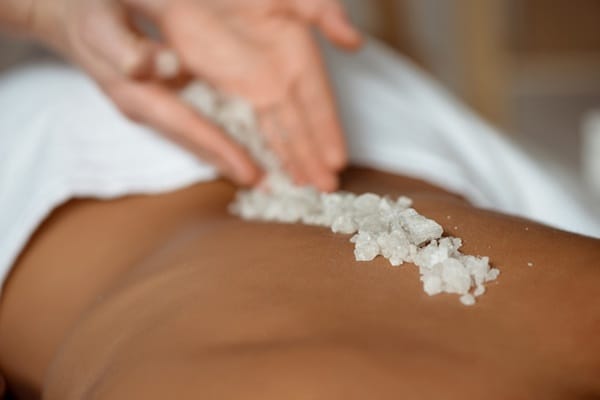
Ice Massage is a type of alternative therapy that utilizes cold temperatures to help relieve pain and inflammation in the body. It also stimulates blood circulation and can be used to reduce swelling.
- Ice Massage is used to treat a variety of conditions, including muscle tension and sprain, tendonitis, arthritis, plantar fasciitis, and general muscle soreness.
- It is a form of cryotherapy, which is the use of cold temperatures to treat medical conditions.
- Ice massage can also be used for recovery after exercise.
- The most common way to do an ice massage is to use an ice cube by rubbing it over the affected area for a few minutes.
- The ice cube should not be applied directly to the skin, as it can cause frostbite.
- Instead, it should be wrapped in a cloth or paper towel before it is applied.
- The cold temperature of the ice cube helps to reduce inflammation and numb the area, providing relief from pain.
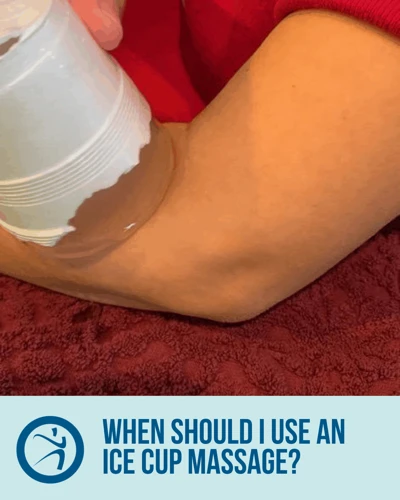
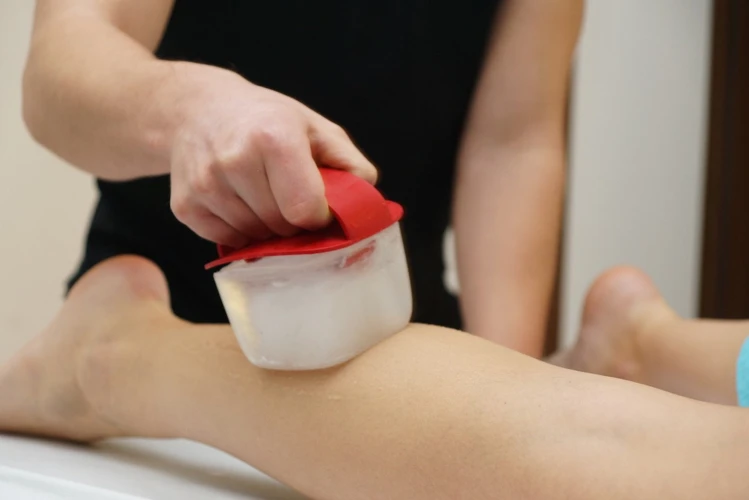
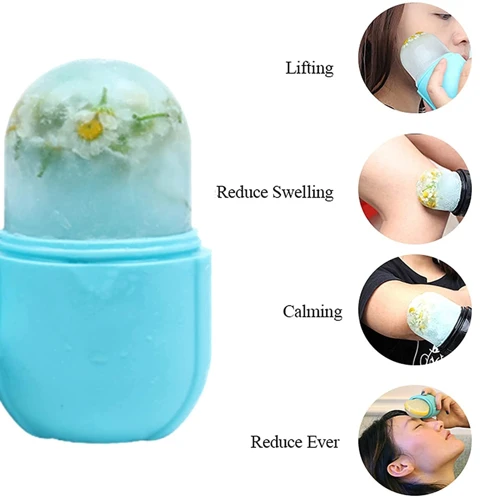
- Ice massage can also be done with a cold pack or an ice cup, which is a tool specifically designed for ice massage.
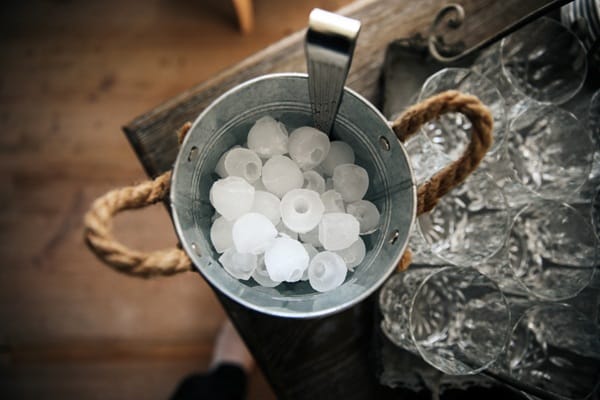
- The ice cup is filled with water and then frozen, and it is used to massage the affected area with a circular motion.
Ice massage can be used in conjunction with other treatments, such as massage therapy and physical therapy, to help reduce pain and inflammation. It is a safe and effective way to provide relief from muscle pain and soreness. If you are interested in trying ice massage, consult a healthcare professional to ensure it is right for you.
How to Do an Ice Massage
- Prepare the Ice: Fill a container with cold water and add several pieces of crushed or cubed ice. Allow the ice to settle for a few minutes.
- Clean the Skin: Clean the area of skin you will be massaging with a gentle cleanser and warm water.
- Apply the Ice: Dip a clean cloth in the cold water and wring it out. Place the cloth on the skin and press it against the area for 1 to 2 minutes.
- Massage the Skin: After applying the ice, begin massaging the area in a circular motion. Move the cloth in circles for 2 to 3 minutes.
- Repeat: Re-immerse the cloth in cold water, wring it out, and repeat the process until the skin is numb.
- Finish: When the skin is numb, remove the cloth and gently dry the area with a towel.
Ice massage is a great way to reduce inflammation and discomfort, especially when used in combination with other treatments. It is most effective when done in short bursts, so it is important to use it as part of an overall treatment plan. Ice massage can be used to treat acute injuries, chronic pain, and overuse injuries, and should also be used when swelling is present.
When to Use Ice Massage
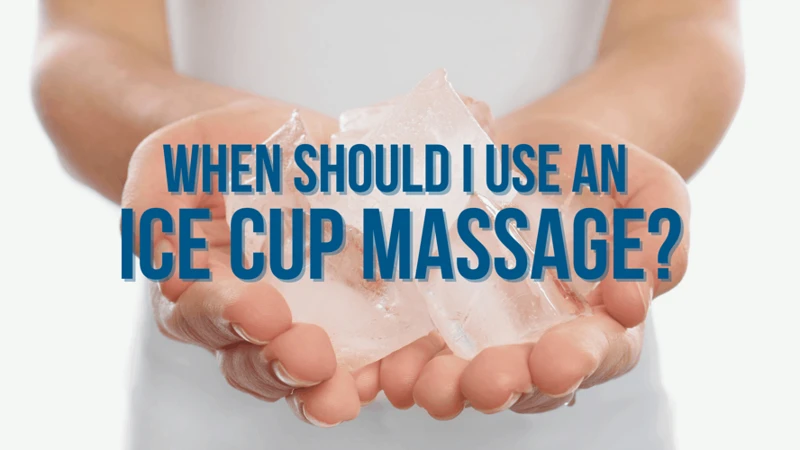
- Injuries: Ice massage is often used to reduce pain, swelling, and inflammation after an injury. It can be used to treat muscle strains, sprains, and bruises.
- Sore Muscles: Ice massage can be used to treat sore muscles due to overexertion, exercise, or intense physical activity.
- Tendonitis: Ice massage can help reduce pain and inflammation caused by tendonitis.
- Bursitis: Ice massage can be used to reduce pain and inflammation caused by bursitis.
- Joint Pain: Ice massage can be used to reduce joint pain caused by arthritis or other conditions.
Ice massage should only be done for a short period of time, usually no more than 15 minutes at a time. It should not be done more than twice a day, and should be followed by a period of rest. It is important to take breaks in between ice massages to allow the body time to recover.
How Long should an Ice Massage go for?
| Time | Frequency |
|---|---|
| 1-2 minutes | Every 3-5 minutes |
| 3-5 minutes | Every 10-15 minutes |
Ice massage is a technique that typically involves holding a piece of ice over the affected area for a short period of time, usually 1-2 minutes. This should be performed every 3-5 minutes. For larger areas of the body, such as the back, a longer massage period of 3-5 minutes can be used, with intervals of 10-15 minutes.
Benefits of Ice Massage
| Benefits | Description |
|---|---|
| Pain Relief | Ice massage can provide relief from soreness, inflammation, and pain. |
| Reduced Swelling | Ice massage may help reduce swelling by constricting the blood vessels. |
| Improved Circulation | Ice massage increases blood flow and circulation to the area, helping to reduce muscle spasms and tension. |
| Reduced Stress | Ice massage can help reduce stress and tension, leading to a feeling of relaxation and wellbeing. |
| Healing Benefits | Ice massage can help heal injuries, reduce inflammation, and speed up recovery time. |
Ice massage can provide a variety of benefits, including pain relief, reduced swelling, improved circulation, reduced stress, and healing benefits. The cold temperatures of the ice can help constrict the blood vessels, reducing swelling and inflammation. Ice massage can also increase blood flow and circulation to the area, helping to reduce muscle spasms and tension. Additionally, this type of massage can help reduce stress and tension, leading to a feeling of relaxation and wellbeing. Finally, ice massage can also help heal injuries, reduce inflammation, and speed up recovery time.
Safety Considerations
- Always use clean ice – Never use used ice, as this can transmit germs and bacteria.
- Check the area of application – Make sure that the skin is free of any cuts or bruises, and that there are no areas of inflammation.
- Avoid sensitive areas – Never directly apply the ice to the face or throat, as this can cause harm.
- Avoid direct contact with the eyes – If you need to apply ice to the face, make sure it is not in direct contact with the eyes.
- Keep the ice moving – Do not keep the ice in one spot for too long, as this can cause tissue damage.
- Stop if there is any discomfort – If the person experiences any pain or discomfort, stop the treatment immediately.
- Stay hydrated – Make sure to drink plenty of fluids before, during, and after the treatment.
Types of Ice Massage
Ice massage is a popular form of cryotherapy, and there are several ways to perform it. Depending on the desired therapeutic effect, the type of ice used, and the speed of application can vary. Here are some of the most popular types of ice massage:
| Type | Description |
|---|---|
| Static Ice | Using an ice cube or compress, the practitioner holds it in place for up to 10 minutes. |
| Continuous Ice | The practitioner moves the ice cube or compress in slow, circular motions. |
| Ice Cupping | The practitioner applies the ice cube or compress to the area of discomfort, and then quickly removes it. |
| Ice Massage Roller | The practitioner rolls a stainless steel roller on the surface of the skin, which is cooled with ice. |
The type of ice massage used will depend on the practitioner and the patient’s preferences. It is important to remember that ice massage should not be done if the patient has any skin conditions such as eczema, psoriasis, or diabetes.
Cost of Ice Massage
Ice massage is an affordable and accessible form of therapy, with relatively low costs depending on how often it is used. The main cost of ice massage is for the ice, which can range from a few dollars for a package of ice cubes to a few hundred dollars for a specialized ice massage device.
Low Cost: Ice massage is one of the least expensive forms of massage therapy. Depending on the type of ice used and the frequency of use, a package of ice cubes, a massage ice bag, or a specialized ice massage device can cost anywhere between a few dollars to a few hundred dollars.
Few Tools Needed: Ice massage requires minimal tools, so the cost of supplies is relatively low. All that is needed for a successful ice massage is a few ice cubes or an ice massage device.
Easy to Do at Home: Ice massage can be done at home, so there is no need to pay for a massage therapist, or for a massage session. This saves money, as well as time.
No Membership Fees: There are no membership fees or other costs associated with ice massage. It is a simple, cost-effective way to reduce pain and promote relaxation.
Long-Term Benefits: Ice massage can provide long-term benefits and can be used on a regular basis to maintain good health. The cost of ice massage is an investment in one’s overall health and well-being.
Frequently Asked Questions
What Does Ice Massage Therapy Involve?
ce massage therapy involves applying a cold or frozen object—such as an ice cube, ice cup, or ice pack—directly to a targeted area of the body. The cold helps calm sore tissues and temporarily reduce pain signals. Ice massage is typically performed using slow, controlled movements and is usually limited to short sessions of around 5–15 minutes to avoid skin irritation or cold-related injury ❄️
Is Ice Massage Therapy Safe?
Ice massage therapy is generally safe for many people when used correctly and for appropriate durations. However, it should always be performed with care. Prolonged exposure to cold or applying ice directly to the skin without protection can cause irritation or tissue damage. Using light pressure, limiting session time, and paying attention to skin response helps reduce risks 😊
Are There Any Side Effects Associated With Ice Massage Therapy?
Most people tolerate ice massage well, but potential side effects can include temporary numbness, redness, or sensitivity in the treated area. If ice is applied for too long, it may cause skin irritation or, in rare cases, cold injury. Anyone experiencing sharp pain, prolonged numbness, or skin discoloration should stop immediately and allow the area to warm naturally ⚠️
Who Should Avoid Using Ice Massage Therapy?
Ice massage may not be suitable for everyone. People with conditions such as Raynaud’s syndrome, cold sensitivity, nerve disorders, poor circulation, or certain skin conditions should avoid cold-based therapies. Pregnant individuals or those with cardiovascular or kidney conditions should consult a healthcare professional before using ice massage 🌿
How Often Should Ice Massage Therapy Be Used?
How often ice massage is used depends on the purpose. For acute soreness or minor injuries, short sessions may be used once or twice daily. For general muscle relief or recovery, a few times per week is usually sufficient. Ice massage should always be used in moderation, as excessive use can irritate tissues rather than help ✨
When Should Ice Massage Therapy Be Avoided?
Ice massage should be avoided on open wounds, areas with reduced sensation, or regions with active skin irritation. It’s also not recommended immediately before intense physical activity, as cold can temporarily reduce muscle flexibility. If you’re unsure whether ice massage is appropriate for your situation, seeking professional guidance is the safest option 🛑
Final Thoughts
Ice massage is a simple and accessible technique that can help reduce discomfort, calm inflammation, and ease muscle soreness when used correctly. By applying cold directly to a targeted area, ice massage may support circulation changes and provide a refreshing, invigorating sensation that many people find helpful during recovery or after physical activity.
Because it’s inexpensive and easy to perform, ice massage can be used at home or in a clinical setting as part of a broader self-care routine. As with any therapy involving cold, it’s important to use ice massage mindfully and for appropriate durations. When used safely, it can be a practical addition to a healthy, well-rounded approach to muscle care ❄️
📚 References
- Turkoglu, H., & Demir, S. (2014). The effects of ice massage on sciatica. Journal of physical therapy science, 26(4), 583-585.
- The truth about ice therapy for injury recovery
⚠️ Disclaimer:
This article is for informational purposes only and does not constitute medical advice. Always consult with a licensed healthcare provider or certified massage therapist before beginning any new treatment, especially if you have pre-existing health conditions or concerns.
About The Author