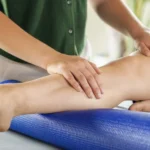

If you’re interested in working with athletes, fitness-focused clients, or people recovering from physical strain, you’ve likely come across the term sports massage qualification. But what does it actually involve—and is it worth pursuing?
A sports massage qualification is a professional certification that trains therapists to work with active bodies, performance demands, and injury-prone muscles. Unlike relaxation massage, sports massage focuses on assessment, recovery, injury prevention, and long-term physical performance 💪.
In this guide, we’ll explore what a sports massage qualification is, how it differs from general massage training, what’s required to earn one, and how it can benefit both therapists and clients in the United States.
Table of Contents
What Is Sports Massage?
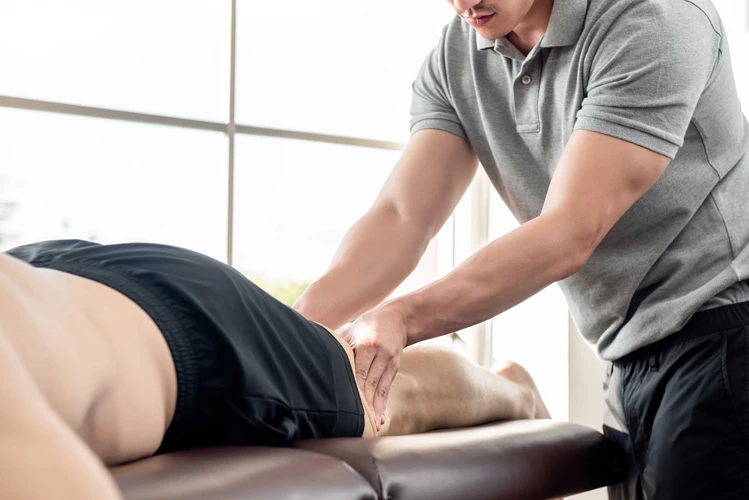
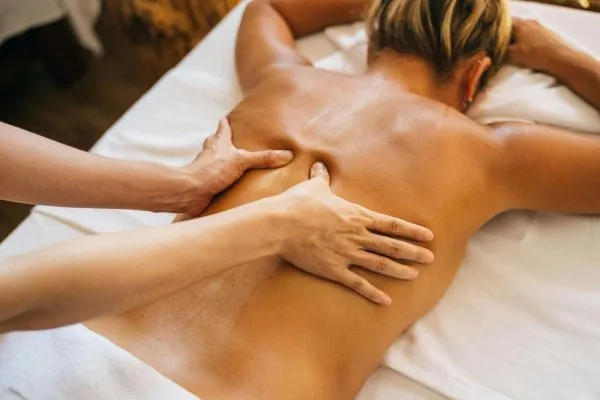
Sports massage is a specialized form of massage therapy designed to support muscle performance, recovery, and injury management. While it’s commonly associated with professional athletes, sports massage is just as valuable for runners, gym-goers, cyclists, manual workers, and anyone who places regular physical demands on their body 🏃♂️.
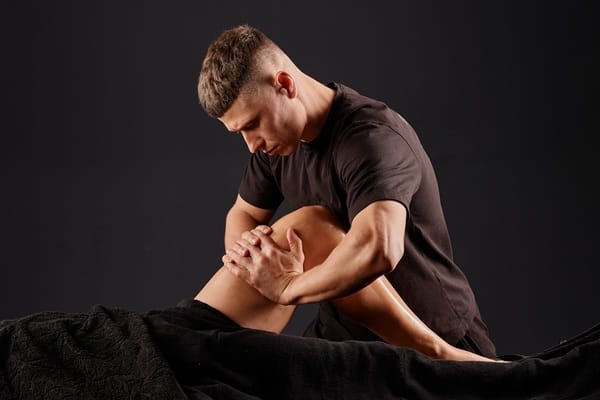
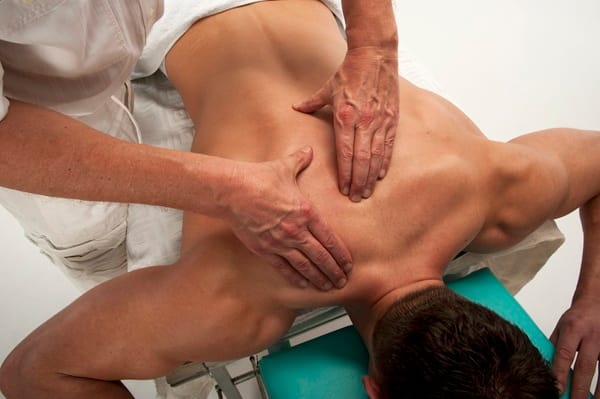
Unlike relaxation massage, sports massage targets deeper muscle layers and connective tissue. Sessions are usually focused on specific problem areas rather than full-body relaxation. Techniques may include deep tissue work, trigger point therapy, stretching, and myofascial release.
Sports massage can be used before activity to prepare muscles, after exercise to support recovery, or during rehabilitation following injury. Because of this clinical focus, therapists need advanced knowledge of anatomy, movement, and soft-tissue behavior 🧠.
What Is a Sports Massage Qualification?
A sports massage qualification is structured training that teaches therapists how to safely and effectively treat active and injured bodies. It goes beyond basic massage skills and introduces assessment techniques, treatment planning, and clinical reasoning.
Most programs include in-depth anatomy and physiology, sports-specific massage techniques, contraindications, injury awareness, and professional ethics. Courses combine theory with extensive hands-on practice so graduates are confident working with real clients 🙌.
Holding a sports massage qualification signals professionalism and competence, particularly when working with performance-focused or rehabilitation clients.
Benefits of Sports Massage
Sports massage offers a wide range of benefits, especially for people who regularly push their bodies.
Physically, it can help reduce muscle tension, improve circulation, and speed up recovery after exercise. Many clients experience less soreness, better flexibility, and improved joint mobility when sports massage is used consistently 🔄.
It may also help prevent injury. By identifying tightness, imbalances, or overworked muscles early, therapists can help address issues before they become chronic or severe.
Beyond physical benefits, sports massage often supports mental performance too. Clients frequently report improved focus, reduced stress, better sleep, and greater body awareness—key factors in long-term performance and recovery 😌.
Types of Sports Massage Qualifications
Sports massage qualifications are typically structured in levels, with each level building on the previous one.
Level 3 – Sports Massage Certificate
This is the most common entry-level qualification. It’s suitable for those starting a career in sports massage or adding sports-focused skills to an existing massage or fitness background.
Level 3 training covers foundational anatomy, core sports massage techniques, and professional practice. Graduates can usually work with non-acute injuries and general athletic clients.
Level 4 – Advanced Sports Massage Diploma
Level 4 training introduces injury assessment, postural analysis, and advanced treatment planning. Therapists at this level often work more independently and in clinical or sports environments.
Level 5 – Sports Massage Therapist
Level 5 qualifications are advanced and focus on complex injury management and rehabilitation. While not required for all practitioners, this level can significantly expand scope of practice and career options.
Requirements to Become a Qualified Sports Massage Therapist
To enroll in a sports massage qualification, most programs require a basic anatomy and physiology qualification and an interest in physical health or sport.
Higher-level courses may also require prior massage training, CPR or first aid certification, and hands-on experience. Because sports massage can be physically demanding, good body mechanics and self-care are essential 💆♂️.
Once qualified, therapists are expected to complete continuing professional development (CPD) to keep skills current and maintain professional standards.
Advanced training becomes especially important when working with injuries, such as knowing when and how to massage a pulled muscle safely.
Cost of a Sports Massage Qualification
The cost of a sports massage qualification varies based on the level of training, provider, and study format.
Introductory courses are generally more affordable, while advanced diplomas require a larger investment. Additional costs may include textbooks, massage equipment, professional insurance, and membership fees.
While there’s an upfront cost, many therapists find the qualification pays for itself over time through higher session rates and better career opportunities 💼.
Exams and Assessment
Sports massage qualifications typically involve both theory and practical assessments. This ensures graduates understand the science behind their work and can apply techniques safely.
Assessments may include written exams, practical demonstrations, and client case studies. This balanced approach prepares therapists for real-world practice and builds confidence 🧪.
Training Providers and Study Options
Sports massage training is offered by colleges, private training providers, and specialist massage schools. Quality programs offer accredited certifications, experienced instructors, and supervised hands-on practice.
When choosing a provider, it’s important to ensure the qualification aligns with state licensing requirements and long-term career goals.
Professional Membership and Career Pathways
After qualifying, many therapists join professional associations to access insurance, education, and networking opportunities.
Career pathways include private practice, sports teams, fitness centers, rehabilitation clinics, and corporate wellness programs. With experience, many sports massage therapists become self-employed or specialize further 🚀.
Is a Sports Massage Qualification Worth It?
For many practitioners in the United States, a sports massage qualification is absolutely worth the investment—especially for those who want to work with active clients, athletes, or injury-focused treatments rather than relaxation-only massage 💪.
This qualification provides advanced training in anatomy, soft-tissue assessment, and sports-specific techniques, allowing therapists to confidently address muscle strain, overuse injuries, and recovery needs. Instead of simply treating symptoms, therapists learn how to support long-term movement health 🧠.
Sports massage therapists often charge higher session rates and enjoy stronger referral networks. Over time, the qualification can pay for itself while opening doors to more rewarding work 💼.
Frequently Asked Questions
How long does it take to get a sports massage qualification in the U.S.?
Program length varies depending on the level and study format. Entry-level qualifications can often be completed in a few months, while advanced training may take six to twelve months, including practical experience.
Can you work as a sports massage therapist without certification?
Most U.S. states require a massage license to practice. While some therapists offer sports-style treatments without additional certification, a sports massage qualification significantly improves credibility and job opportunities.
What’s the difference between a massage license and a sports massage qualification?
A massage license allows legal practice, while a sports massage qualification is a specialization focused on performance, recovery, and injury prevention.
Do sports massage therapists make more money?
In many cases, yes. Sports massage therapists often charge higher rates due to specialized skills and client demand.
Is sports massage physically demanding?
It can be, but proper training teaches efficient body mechanics that help protect the therapist’s hands, wrists, and shoulders.
What should clients wear to a sports massage?
Clients should wear comfortable, flexible clothing that allows easy movement and access to the areas being treated. Athletic shorts, loose-fitting tops, or workout wear are common choices. In many cases, clients may be asked to undress to their comfort level and will be properly draped throughout the session. For a more detailed breakdown, our guide on what to wear to a sports massage helps clients feel prepared and confident before their appointment 😊.

Conclusion
A sports massage qualification is more than just a certificate—it’s a pathway into performance-focused, clinically informed massage therapy. With the right training, therapists can support recovery, reduce injury risk, and help clients move at their best.
For clients, it means treatment from someone who understands movement and recovery. For therapists, it offers a respected, flexible, and rewarding career path 🌟.
📚 References
- NCFE Sports Massage Level 3 Qualifications
- ITEC Sports Massage Qualification
- Wikipedia: Sports Massage
⚠️ Disclaimer:
This article is for informational purposes only and does not constitute medical advice. Always consult with a licensed healthcare provider or certified massage therapist before beginning any new treatment, especially if you have pre-existing health conditions or concerns.
About The Author