
Pregnancy is an exciting journey, but it can also bring significant physical changes as the body adapts to support a growing baby 🤰. Many expectant mothers experience back pain, swollen feet, muscle tension, fatigue, and trouble sleeping as pregnancy progresses.
Because of these changes, many women wonder whether massage during pregnancy is safe and whether it can help relieve common pregnancy discomforts.
The good news is that massage during pregnancy — often called prenatal massage — can be both safe and beneficial when performed correctly. Gentle massage techniques adapted for pregnancy may help reduce muscle tension, improve circulation, ease swelling, and promote relaxation.
However, there are also important precautions to consider. Certain pressure points should be avoided, body positioning needs to be adapted, and women with high-risk pregnancies should always consult their healthcare provider before receiving massage therapy.
In this guide, we’ll explain everything you need to know about massage during pregnancy, including safety considerations, benefits, massage techniques, positioning, and when it’s best to seek help from a trained prenatal massage therapist.
What Is Massage During Pregnancy?
Massage during pregnancy, often called prenatal massage, is a type of therapeutic massage designed specifically for pregnant women. It uses gentle techniques and supportive positioning to relieve muscle tension, reduce swelling, improve circulation, and promote relaxation while avoiding pressure points that may stimulate uterine contractions.
Can I Get A Massage When Pregnant?
Massage during pregnancy is generally considered safe when gentle techniques are used and certain pressure points linked to labor stimulation are avoided. Prenatal massage may help relieve back pain, reduce swelling, improve circulation, and promote relaxation. However, women with high-risk pregnancies should consult their healthcare provider before receiving massage therapy. 🌿
Table of Contents
What Is Prenatal Massage?
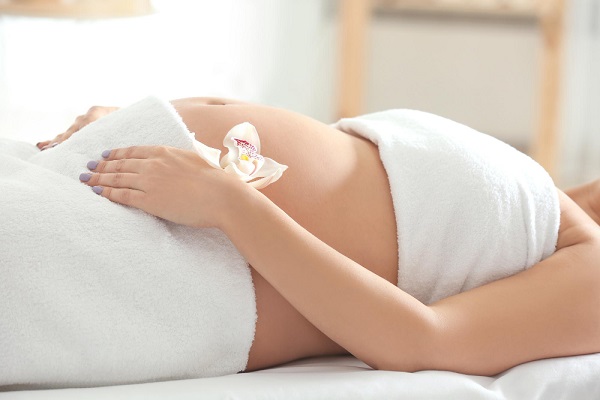
Prenatal massage is a form of massage therapy specifically designed for pregnant women. It uses gentle techniques and supportive positioning to help relieve pregnancy discomforts such as back pain, swelling, muscle tension, and fatigue.
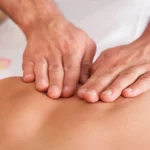
Unlike traditional massage, prenatal massage therapists adapt their techniques to accommodate the physical changes that occur during pregnancy. Pressure is typically lighter, the abdomen is avoided, and body positioning is carefully adjusted to protect circulation and support the growing belly.
Most prenatal massage sessions are performed with the mother lying on her side while pillows support the head, hips, and legs. This side-lying position allows the therapist to safely work on the back, shoulders, hips, and legs without placing pressure on the abdomen.
For many women, prenatal massage becomes an important part of their pregnancy wellness routine, helping them stay comfortable and relaxed as their body changes ✨.
Is Massage Safe During Pregnancy?
For most healthy pregnancies, massage is considered safe when performed with appropriate care and technique.
According to the Cleveland Clinic, prenatal massage performed by a trained therapist carries minimal risk for most healthy pregnancies after the first trimester.
Massage during pregnancy differs from traditional massage because therapists adapt their approach to accommodate the body’s changes. Pressure is typically lighter, positioning is modified, and certain pressure points are avoided.
Many therapists avoid performing massage during the first trimester as a precaution. This is not necessarily because massage causes miscarriage, but because early pregnancy naturally carries a higher risk of pregnancy loss.
For this reason, it is often recommended to choose a therapist trained in prenatal massage therapy who understands pregnancy physiology and safe treatment techniques.
When performed safely, massage during pregnancy may help relieve muscle tension, reduce stress, and promote overall wellbeing 😌.
When Is the Best Time to Get a Massage During Pregnancy?
Many prenatal massage therapists recommend waiting until the second trimester before scheduling regular massage sessions.
The first trimester carries a naturally higher risk of miscarriage, and some therapists prefer to avoid treatment during this time as a precaution.
The second trimester is often considered the most comfortable stage for prenatal massage. Morning sickness typically improves, and the body has not yet reached the physical strain that may occur later in pregnancy.
Massage can also be beneficial during the third trimester, when many women experience increased back pain, swelling, and muscle tension.
At this stage, therapists usually use side-lying positioning and supportive pillows to keep the body comfortable and safe 🛌.

For a more detailed breakdown of how massage changes across pregnancy, see our guide to massage during pregnancy by trimester, which explains what’s safe at each stage.
Benefits of Massage During Pregnancy
Massage during pregnancy can provide more than relaxation. When performed safely, prenatal massage may support both physical and emotional wellbeing.
Relieves Back and Hip Pain
As pregnancy progresses, the growing uterus shifts the body’s center of gravity, placing additional strain on the lower back and hips.
Massage may help relax tight muscles and reduce tension in these areas, providing relief from pregnancy-related aches 💆♀️.
Reduces Swelling
Swelling in the legs, ankles, and feet is common during pregnancy due to fluid retention.
Gentle massage may help stimulate circulation and encourage lymphatic movement, which may help reduce swelling in the lower body 💧.
Improves Circulation
Massage may help promote healthy circulation and improve the flow of oxygen and nutrients throughout the body.
Improved circulation can also help reduce muscle fatigue and tension.
Reduces Stress and Anxiety
Massage stimulates the body’s relaxation response and encourages the release of serotonin and dopamine.
Many women report feeling calmer and more emotionally balanced after prenatal massage 🧘♀️.
Supports Better Sleep
Pregnancy can disrupt sleep due to discomfort and hormonal changes. Massage may help relax muscles and improve sleep quality 😴.
May Help Reduce Pregnancy Sciatica
Gentle massage of the lower back and hips may help relieve tension around the sciatic nerve 🌿.
How Prenatal Massage Supports Circulation
During pregnancy, a woman’s blood volume increases significantly to support the developing baby. This increased circulation plays a vital role in delivering oxygen and nutrients throughout the body.
However, the additional fluid volume can sometimes contribute to swelling in the legs, ankles, and feet. Many pregnant women notice fluid retention as pregnancy progresses, particularly during the later months.
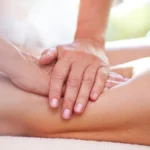
Gentle massage may help encourage healthy circulation and lymphatic movement throughout the body. When muscles relax and blood flow improves, it may help reduce the sensation of heaviness or tightness in the lower body.
Massage cannot eliminate swelling entirely, but many women report feeling relief after massage sessions that focus on gentle strokes directed toward the heart.
Improved circulation may also help deliver oxygen and nutrients more effectively to the muscles, which can help reduce fatigue and muscle tension.
For this reason, prenatal massage is often used as part of a holistic approach to maintaining comfort during pregnancy 🌿.

Emotional and Mental Benefits of Prenatal Massage
Pregnancy affects not only the body but also emotional wellbeing. Hormonal changes, physical discomfort, and anticipation about childbirth can sometimes increase stress or anxiety.
Prenatal massage may help support emotional balance by encouraging relaxation and reducing stress levels.
Massage stimulates the parasympathetic nervous system, which helps the body shift into a calm state. This process may reduce stress hormones while encouraging the release of mood-supporting hormones such as serotonin.
Many women find that prenatal massage offers a valuable opportunity to slow down, breathe deeply, and reconnect with their body during pregnancy 🌸.
Common Pregnancy Discomforts Massage May Help Relieve
Pregnancy places physical strain on the body as muscles and joints adapt to a growing baby.
Massage may help relieve several common pregnancy symptoms.
Lower Back Pain
Massage may help relax tight muscles and improve mobility. If you’re massaging a partner at home, our guide on how to massage a pregnant woman’s back explains safe techniques that can help relieve lower back tension.
Shoulder and Neck Tension
Changes in posture can lead to tension in the shoulders and neck.
Massage may help release tight muscles and improve circulation in these areas.
Leg Cramps
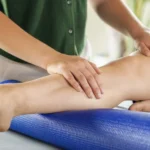
Gentle massage of the calf muscles may help reduce muscle tension and improve circulation.
Fatigue
Massage helps stimulate the body’s relaxation response and may improve overall comfort during pregnancy ✨.
Pressure Points to Avoid During Pregnancy
Some pressure points used in reflexology and acupressure are believed to stimulate uterine contractions.
For this reason, prenatal massage therapists avoid applying strong pressure to these areas.
Commonly mentioned areas include:
• the webbing between the thumb and index finger
• areas around the inner ankle
• certain lower back acupressure points
Avoiding these areas is considered a precautionary approach.
If you want a deeper understanding of which areas to be cautious around, see our full guide on pressure points to avoid during pregnancy, where we break down each location and explain why they’re best avoided.
Safe Massage Techniques for Pregnancy
Prenatal massage uses gentle techniques designed to relax muscles without excessive pressure.
One common technique is effleurage, which involves long gliding strokes that encourage circulation 🌼.
Another technique sometimes used is light lymphatic-style massage, which focuses on encouraging fluid movement through the body.
This technique may help reduce mild swelling in the legs and feet.
Oils and Lotions Used in Prenatal Massage
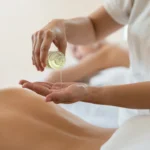
Massage therapists often use oils or lotions to help their hands glide smoothly across the skin.
Natural oils such as coconut oil, almond oil, or grapeseed oil are commonly used because they are gentle on sensitive skin.
Pregnancy can sometimes increase skin sensitivity, so therapists often choose unscented or lightly scented products.
Some practitioners avoid strong essential oils during pregnancy because certain oils may not be recommended.
If you have allergies or sensitive skin, it’s helpful to ask what products your therapist plans to use.
Best Massage Positions During Pregnancy
Positioning plays an important role in prenatal massage.
Most sessions use a side-lying position, where the pregnant woman lies comfortably on her side with pillows supporting the head, belly, and legs.
This position helps maintain healthy circulation and reduces pressure on the abdomen 🛌.
Prenatal Massage vs Traditional Massage
Although prenatal massage shares similarities with traditional massage therapy, there are several key differences designed to protect the mother and baby.
Traditional massage therapy often involves deeper pressure and may require clients to lie face down on a massage table. During pregnancy, these techniques are usually modified.
Prenatal massage therapists are trained to adjust both pressure levels and body positioning. The most noticeable difference is that pregnant clients are usually placed in a side-lying position supported by pillows instead of lying face down.
This positioning helps protect circulation and prevents unnecessary pressure on the abdomen.
Another important difference is that prenatal massage therapists avoid certain acupressure points that may stimulate uterine contractions. While research on these pressure points is limited, avoiding them is considered a precautionary approach.
Because of these adjustments, prenatal massage focuses more on relaxation, circulation, and gentle muscle relief rather than deep tissue work.
Can You Lay on Your Stomach for a Massage While Pregnant?
Many pregnant women wonder whether it’s safe to lie face down during a massage.
During early pregnancy, some women may still feel comfortable lying on their stomach for short periods. However, as the abdomen grows this becomes uncomfortable and is generally avoided.
Some massage clinics use prenatal massage tables with belly cut-outs, but many therapists prefer side-lying positions because they provide better support and circulation.
Massage Tools During Pregnancy
Some people wonder whether massage tools such as massage guns or handheld massagers are safe during pregnancy.
While some gentle massage tools may be used cautiously, strong percussive massage devices should generally be avoided unless approved by a healthcare provider. If you’re considering using one, our guide on whether massage guns are safe during pregnancy explains the potential risks and safer alternatives.
Foot Massage During Pregnancy
Foot massage can help relieve tired feet and swelling during pregnancy. If you’d like step-by-step guidance, our article on foot massage during pregnancy explains safe techniques and pressure areas to avoid.
Gentle massage may improve circulation and reduce tension in the feet.
However, deep pressure around the ankles should be avoided because certain reflexology points are associated with labor stimulation 👣.

Can You Massage Yourself During Pregnancy?
Some women perform gentle self-massage at home to relieve tension.
Self-massage may help relieve discomfort in the shoulders, neck, lower back, and feet.
However, strong pressure should always be avoided, particularly around the abdomen or sensitive acupressure points.
Choosing a Prenatal Massage Therapist
Choosing a therapist with prenatal massage training is important for safety.
Look for someone who:
• has prenatal massage certification
• understands pregnancy anatomy
• uses side-lying positioning
• communicates clearly about safety
A trained therapist will ask about your pregnancy history before beginning treatment.
How Often Should You Get a Prenatal Massage?
Many expectant mothers wonder how frequently prenatal massage can be performed safely.
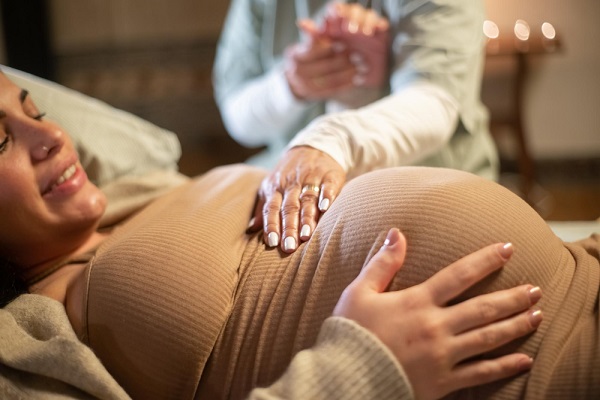
The ideal schedule often depends on the stage of pregnancy and individual comfort levels. For women experiencing mild discomfort, scheduling a prenatal massage once every three to four weeks may be enough to maintain relaxation and reduce muscle tension.
As pregnancy progresses, some women choose to receive massage more frequently.
During the third trimester, when physical strain on the body increases, massage sessions every two weeks or even weekly may help relieve pressure in the lower back, hips, and legs.
Regular prenatal massage can also help maintain relaxation and reduce stress as the body prepares for childbirth.
However, every pregnancy is unique. A qualified prenatal massage therapist can help recommend an appropriate schedule based on the individual’s needs and comfort level.
Women with medical concerns or pregnancy complications should always consult their healthcare provider before beginning regular massage therapy.
What to Expect During a Prenatal Massage
Most sessions begin with a consultation about your pregnancy and areas of discomfort.
During the massage, you will typically lie on your side with supportive pillows.
Sessions usually last 45–60 minutes, and many women find them deeply relaxing 🌸.
Signs You Should Stop a Prenatal Massage
Although prenatal massage is generally safe, it’s important to stop if unusual symptoms occur.
Signs a massage should be stopped include:
• dizziness
• nausea
• shortness of breath
• sudden pain
• unusual swelling
If symptoms continue after the massage, contact your healthcare provider.
Frequently Asked Questions
Is massage safe during the first trimester?
Massage may be safe when gentle techniques are used, but many therapists prefer to wait until the second trimester as a precaution.
Can massage cause miscarriage?
There is no strong evidence showing gentle massage causes miscarriage in healthy pregnancies.
Can massage induce labor?
Certain acupressure points are associated with labor stimulation, which is why therapists avoid these areas during pregnancy.
Is foot massage safe during pregnancy?
Foot massage can be safe when gentle pressure is used.
How often can you get prenatal massage?
Some women receive massage monthly, while others schedule sessions more frequently later in pregnancy.
Is prenatal massage different from regular massage?
Yes. Prenatal massage uses gentler techniques and different positioning.
Can partners perform prenatal massage?
Yes, simple massage techniques can be safely performed at home with gentle pressure.
Final Thoughts on Massage During Pregnancy
Massage during pregnancy can be a gentle and supportive way to manage many of the physical and emotional changes that occur as the body adapts to a growing baby 🤰. When performed safely, prenatal massage may help relieve muscle tension, reduce swelling, improve circulation, and promote relaxation throughout pregnancy.
The key to safe massage during pregnancy is using gentle techniques, avoiding sensitive pressure points, and choosing a therapist who understands prenatal care. Proper positioning, light pressure, and clear communication with your therapist can help ensure the experience remains comfortable and beneficial.
Many women find that regular prenatal massage becomes an important part of their self-care routine. Taking time to relax and care for the body during pregnancy can support both physical comfort and emotional wellbeing.
If you are considering massage during pregnancy, it’s always a good idea to speak with your healthcare provider, especially if you have a high-risk pregnancy or underlying medical conditions.
With the right precautions and guidance, massage during pregnancy can be a safe and soothing way to support your body during this unique and transformative time 🌿.
Prenatal Massage and Postpartum Recovery
Many women continue massage therapy after pregnancy as part of their recovery routine.
After childbirth, the body gradually begins returning to its pre-pregnancy state. Muscles that stretched during pregnancy may feel tight or fatigued, and the back and shoulders often carry additional strain from feeding and holding a newborn.
Gentle postpartum massage may help relieve muscle soreness and encourage relaxation during this transition.
Some women also find massage helpful for managing stress and fatigue during the early weeks of caring for a baby.
If you are considering massage after giving birth, it is generally recommended to wait until your healthcare provider confirms that your body has healed sufficiently.
Many therapists who offer prenatal massage also provide postpartum massage, allowing mothers to continue benefiting from massage therapy during recovery.
📚 References
🔗 Cleveland Clinic – Prenatal Massage: Benefits, Types and What To Expect
🔗 What To Expect – Prenatal Massage: What’s Safe, What Helps, and What to Avoid
🔗 National Library of Medicine – Safety and Pregnancy Massage: a Qualitative Thematic Analysis
⚠️ Disclaimer:
This article is for informational purposes only and does not constitute medical advice. Always consult with a licensed healthcare provider or certified massage therapist before beginning any new treatment, especially if you have pre-existing health conditions or concerns.
About The Author