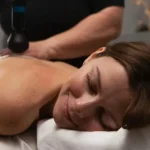

If you’re dealing with shoulder pain, stiffness, or limited mobility, your rotator cuff may be playing a bigger role than you realise. This group of small but powerful muscles works constantly to stabilise your shoulder during lifting, reaching, and rotation. When they become tight or irritated, everyday movements can suddenly feel uncomfortable or restricted.
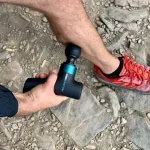
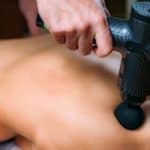
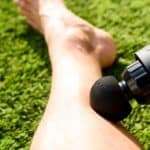
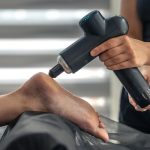
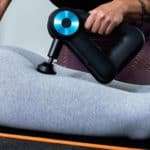
A massage gun can be a helpful tool for easing muscular tension around the shoulder and supporting recovery — when it’s used correctly. Used improperly, however, it can aggravate symptoms or slow healing. In this guide, you’ll learn how to use a massage gun on your rotator cuff safely, which areas to focus on, how long to use it for, and when it’s best to avoid percussive therapy altogether.
Table of Contents
Understanding the Rotator Cuff and Shoulder Pain
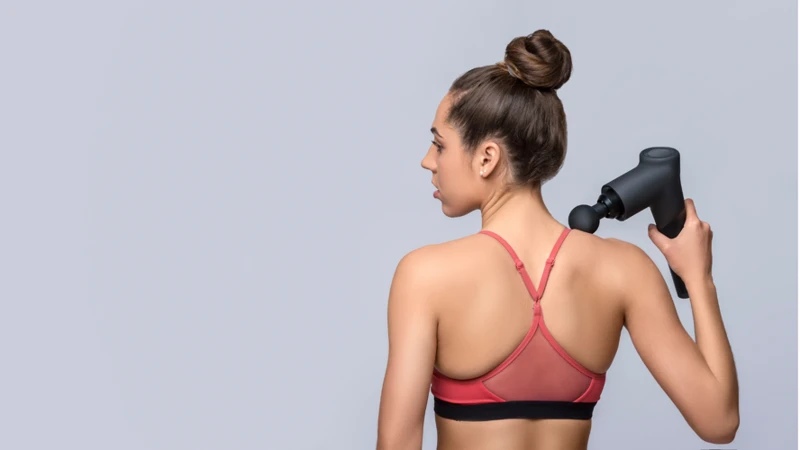
The rotator cuff is made up of four muscles and their tendons that keep the upper arm bone centred in the shoulder socket. Because these muscles are involved in nearly every arm movement, they’re vulnerable to overuse, poor posture, repetitive strain, and sports-related stress.
Common rotator cuff issues include muscle tightness, tendon irritation, inflammation, and shoulder impingement. While a massage gun won’t repair a torn tendon, it can help relax surrounding muscles, improve circulation, and reduce protective tension that contributes to pain and stiffness.
Rotator cuff discomfort is often just one part of a broader shoulder issue. Learning how to massage shoulder pain more generally can help you understand which surrounding muscles may be contributing to tension and why targeted relief often works best when the whole shoulder complex is considered.
Benefits of Using a Massage Gun on the Rotator Cuff
When used mindfully, a massage gun can complement stretching, rest, and rehabilitation exercises.
Improved Range of Motion
Tight shoulder and upper-back muscles often limit how freely your arm can move. Percussive therapy helps loosen these tissues, making movement feel smoother and more comfortable over time.
Reduced Pain and Stiffness
Massage guns stimulate blood flow and help break up adhesions in overworked muscles, which can reduce lingering stiffness after workouts, desk work, or repetitive lifting 💪
Enhanced Circulation
Improved blood flow delivers oxygen and nutrients to tired tissues, supporting recovery and reducing that “heavy” or compressed feeling in the shoulder.
Injury Prevention
Keeping the muscles around the shoulder relaxed may reduce strain on the rotator cuff tendons, lowering the risk of overuse injuries.
Using a massage gun around the shoulder can be helpful for relieving tightness, but it’s important to remember that overworked muscles may already be sensitive. If you notice muscle soreness after massage it’s often a sign that the tissues need gentler pressure or more recovery time rather than deeper stimulation.
What Is Shoulder Impingement?
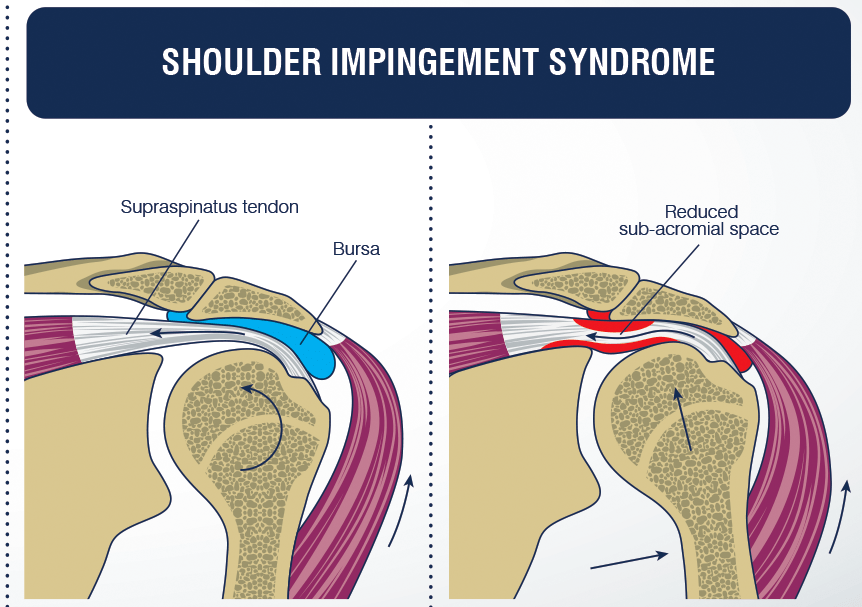
Shoulder impingement occurs when the space between the upper arm bone and the shoulder blade narrows, compressing the rotator cuff tendons or bursa. This often causes pain when lifting the arm overhead or reaching behind the body.
A massage gun does not treat impingement directly, but it can help by relaxing tight muscles around the shoulder blade and upper back. This indirect relief may reduce pressure on irritated structures and improve mobility when combined with rest and corrective exercises.
How to Use a Massage Gun on the Rotator Cuff
1. Choose the Right Attachment
Use a soft, rounded, or flat head. Avoid sharp or bullet-style attachments, as the shoulder area is sensitive and contains important structures close to the surface.
2. Start on the Lowest Setting
Always begin with the lowest speed and intensity. The rotator cuff responds best to gentle stimulation rather than aggressive pressure.
3. Focus on Supporting Muscles
Avoid placing the massage gun directly on the front of the shoulder joint. Instead, target surrounding muscles such as:
- Upper back and trapezius
- Rear shoulder (posterior deltoid)
- Side shoulder (lateral deltoid)
- Muscles around the shoulder blade
These areas often contribute most to tension and discomfort.
4. Keep the Massage Gun Moving
Move the device slowly in small circles or short passes. Never hold it in one spot for longer than 10–15 seconds ⏱️
5. Limit Session Length
Five to ten minutes per shoulder is sufficient. Overuse can irritate tissues rather than help them recover.
If you’re new to percussive therapy, mastering proper massage gun technique on larger muscle groups first can make it easier to apply safe pressure when working around the rotator cuff. The same principles of slow movement and light pressure apply to the shoulder.
Using a Massage Gun for Shoulder Impingement
If you suspect shoulder impingement, caution is essential. Use only low intensity, avoid the front of the shoulder, and focus on relaxing the upper back and shoulder blade muscles. Gentle, slow movements are far more effective than deep pressure when dealing with sensitive shoulder conditions.
How to Avoid Injury When Using a Massage Gun
Massage guns are powerful devices, and improper use can worsen pain.
- Warm up with gentle movement before use
- Start with light pressure and increase gradually
- Avoid bruised, swollen, or inflamed areas
- Do not use directly over bones, joints, or the neck
- Limit use to once per day unless advised otherwise
If pain increases during or after use, stop immediately and allow time for recovery ⚠️
Common Mistakes to Avoid
Many people unintentionally aggravate shoulder pain by:
- Applying too much pressure too soon
- Targeting the shoulder joint instead of surrounding muscles
- Using high-speed settings for long periods
- Ignoring pain signals from the body
Less intensity and better technique almost always produce better results.
Frequently Asked Questions
What are the benefits of using a massage gun on the rotator cuff?
Using a massage gun on the rotator cuff can help reduce muscle tension, improve circulation, and ease stiffness around the shoulder. This often leads to improved mobility and comfort during daily activities. While it doesn’t repair tendon damage, it can support recovery by relaxing surrounding muscles and improving tissue health when used correctly.
What precautions should I take when using a massage gun on my rotator cuff?
Start on the lowest intensity setting and avoid applying pressure directly to the shoulder joint or bony areas. Keep sessions short and stop immediately if you feel sharp pain or worsening symptoms. If you have a diagnosed rotator cuff tear, impingement, or recent shoulder surgery, consult a healthcare professional before using a massage gun.
How often should I use a massage gun on my rotator cuff?
For general tightness or post-exercise soreness, one to three sessions per week is usually sufficient. If managing chronic muscle tension, short daily sessions may be helpful as long as there’s no inflammation or flare-up. Always allow recovery time between sessions.
How long should I massage the area for optimal results?
Most people benefit from five to ten minutes per shoulder. Longer sessions aren’t necessarily more effective and can irritate sensitive tissues. If relief feels gradual and comfortable, you’re on the right track. Pain or soreness afterward is a sign to reduce duration or intensity.
How do I know if I’m using the correct intensity setting?
You should feel a deep, soothing vibration — not sharp pain or numbness. The massage gun should move easily over the muscles, and the sensation should feel therapeutic rather than aggressive. If your muscles tense or you instinctively pull away, the setting is too high.

When Not to Use a Massage Gun on the Rotator Cuff
Avoid using a massage gun if you have:
- A confirmed rotator cuff tear
- Acute inflammation or swelling
- Recent shoulder surgery
- Severe or worsening shoulder pain
In these cases, professional assessment is essential before self-treatment.
Final Thoughts
When used correctly, a massage gun can be a valuable addition to your shoulder care routine. By focusing on surrounding muscles rather than sensitive tendons and joints, you can reduce tension, improve mobility, and support long-term shoulder health 🙌
📚 References
- What You Need to Know About Rotator Cuff Injuries and Treatment
- Rotator Cuff Injury
- Massage Envy – Rotator Cuff Massage
⚠️ Disclaimer:
This article is for informational purposes only and does not constitute medical advice. Always consult with a licensed healthcare provider or certified massage therapist before beginning any new treatment, especially if you have pre-existing health conditions or concerns.
About The Author