If your feet and legs feel swollen, heavy, or uncomfortable, even simple daily activities can become frustrating 😮💨 Swelling can be caused by fluid retention, circulation issues, long periods of sitting or standing, pregnancy, or recovery after illness or surgery.
Learning how to massage swollen feet and legs can be a gentle and effective way to ease discomfort and support circulation. When done correctly, massage may help reduce pressure, calm inflammation, and encourage excess fluid to move out of the affected areas 🌿
In this guide, you’ll learn safe, practical massage techniques you can use at home, including how much pressure to apply, which areas to focus on, and when massage may not be appropriate. We’ll also cover helpful tips on oils, timing, and comfort so you can support relief without overstimulating sensitive tissues.
Table of Contents
Causes of Swollen Feet and Legs
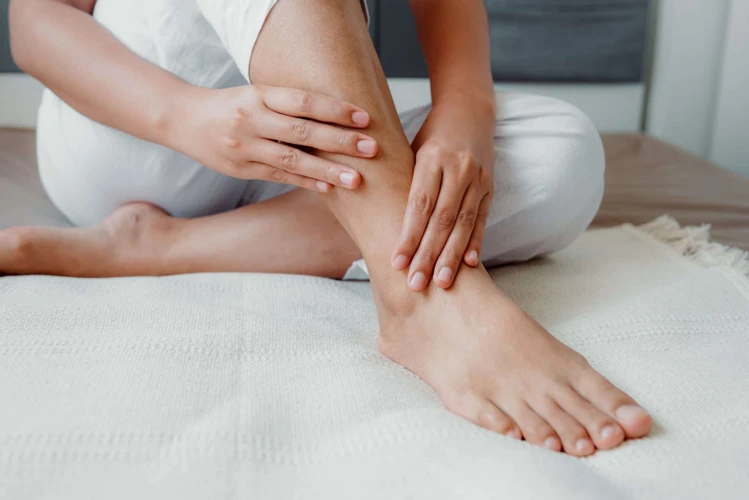
Swollen feet and legs can be caused by many things, such as standing or sitting for too long, being overweight, pregnancy, and certain medical conditions. Other causes of swelling include:
| Cause | Description |
|---|---|
| Venous Insufficiency | This condition occurs when the valves in the veins of the lower legs don’t work properly, resulting in the pooling of blood in the legs. |
| Lymphedema | This condition is caused by an abnormal buildup of lymph fluid in the legs, ankles, and feet. |
| Heart Failure | When the heart isn’t able to pump enough blood to meet the body’s needs, fluid can build up in the lower extremities. |
| Kidney Disease | Kidney issues can cause the body to retain excess fluid, resulting in swollen legs and feet. |
In some cases, the swelling may be a result of a combination of these causes.
If you are experiencing swollen feet and legs, it is important to consult with a medical professional to determine the cause and get treatment if necessary. Massage can be an effective way to reduce the swelling and pain associated with swollen feet and legs. In the next section, we will explore how to massage legs to reduce swelling.
🌿 Benefits of Massage for Swollen Feet and Legs
Massage can be a gentle yet effective way to relieve swelling and discomfort in the feet and legs 🤍 By encouraging healthy circulation, massage helps move excess fluid away from swollen areas, which can ease pressure, reduce pain, and support overall comfort.
Regular massage may also help reduce stiffness and improve flexibility, especially when swelling makes movement feel heavy or restricted. As muscles relax, inflammation can settle, allowing the legs and feet to feel lighter and less tense. Many people also find that massage promotes relaxation and stress relief, which can further support the body’s natural healing processes ✨
Over time, these benefits can make everyday activities—such as walking, standing, or simply resting—feel more comfortable and manageable.
Massage Techniques for Swollen Feet and Legs
General Massage Techniques
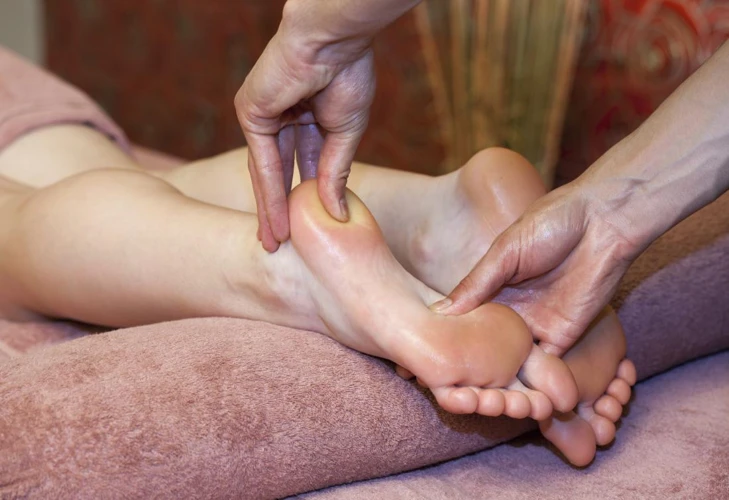
Massage can help reduce swelling and provide relief from pain and discomfort associated with swollen feet and legs. It is important to use gentle strokes and techniques when massaging swollen areas. Avoid intense pressure as this could cause further irritation. It is also important to be aware of any areas that are particularly tender or sore, as these will require gentler massage techniques.
Massage Techniques for Swollen Feet
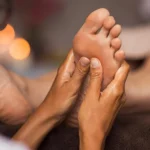
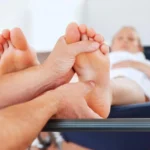
Begin by applying gentle pressure along the entire foot and ankle. Use circular motions with the hands to massage the area. This can help to reduce swelling and improve circulation to the area. Additionally, use kneading techniques on the toes and the arch of the foot to help reduce swelling and pain.
Massage Techniques for Swollen Legs
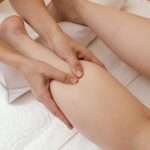
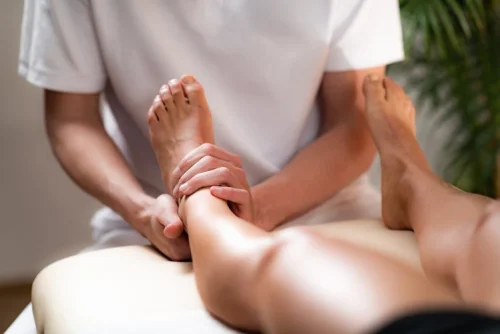
For swollen legs, use a combination of kneading and circular massage strokes. Start by massaging the calf muscles and move up towards the thigh. When massaging the thigh, focus on the area around the knee and use gentle strokes. It is important to avoid applying pressure directly to any areas that are particularly tender or swollen.
Massage Techniques for Edema
When massaging swollen feet and legs, it is important to be aware of any signs of edema. Edema is a condition where excess fluid is trapped in the body’s tissues, resulting in swelling. It is important to use gentle massage techniques when massaging areas of edema to avoid irritating the skin. Use light strokes and circular motions to massage the area.
Massage Techniques for Swollen Feet and Ankles
When massaging swollen feet and ankles, it is important to pay attention to the entire foot, from the toes to the heel. Use circular massage strokes to reduce swelling and improve circulation. Additionally, use kneading techniques on the toes and the arch of the foot.
Massage Techniques for a Swollen Foot
When massaging a swollen foot, use gentle strokes and a combination of kneading and circular motions. Begin by applying pressure along the entire foot and ankle. Use circular motions with the hands to massage the area. This can help to reduce swelling and improve circulation to the area. Additionally, use kneading techniques on the toes and the arch of the foot to help reduce swelling and pain. For more information on how to massage legs with edema, consult with a medical professional.
⚠️ When to Use Caution When Massaging Swollen Feet and Legs
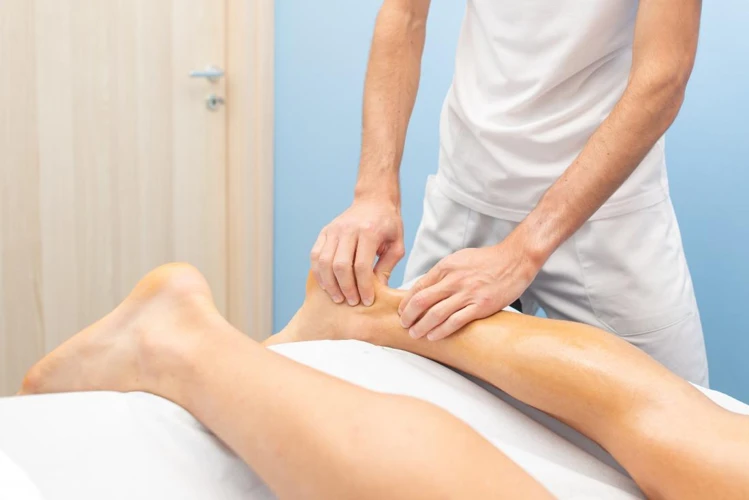
Massage can be helpful for swollen feet and legs, but it should always be done gently and with care 🤍 Swelling is often linked to fluid retention, circulation issues, or underlying medical conditions, so not all massage techniques are appropriate.
Lymphatic drainage massage is generally the safest option for swelling 🌿 It uses slow, light strokes to encourage lymph fluid to move away from the affected area and support natural drainage. Deep or aggressive massage techniques should be avoided, as they can worsen inflammation and discomfort.
Using a light lubricant, such as massage oil or lotion, helps reduce friction and protects sensitive skin 💧 Pressure should remain light to moderate, and massage sessions should be kept short—around 5 to 10 minutes—to avoid overstimulating the tissues.
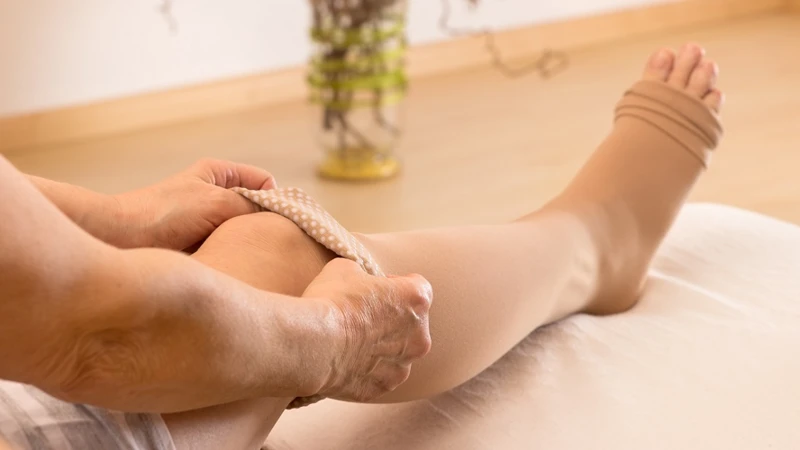
In some cases, compression socks or stockings may be used after massage to help manage ongoing swelling, particularly for people who stand or sit for long periods 🧦
👉 Swelling in the feet and legs is often linked to fluid retention. Learn how gentle techniques support drainage in our guide to lymphatic drainage massage.
💆 Practical Tips for Massaging Swollen Feet and Legs
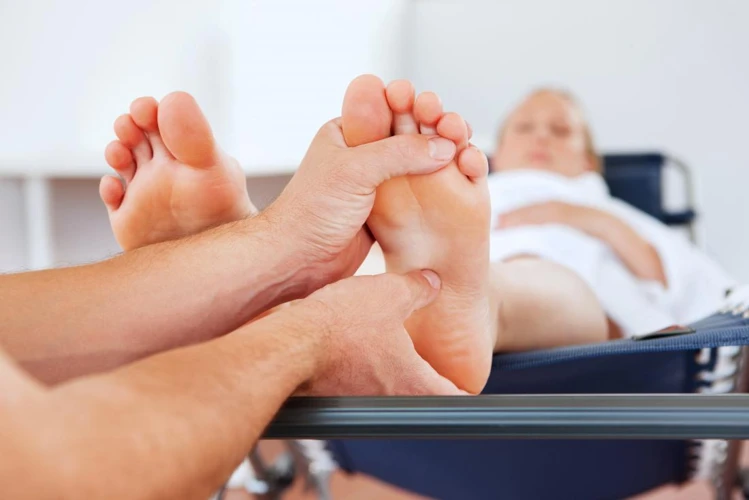
When massaging swollen feet and legs, slower is always better. Gentle circular or upward movements help encourage circulation without placing extra stress on swollen tissues 🔄
It’s also important to avoid heat. While a hot shower or bath may feel comforting, heat can actually increase swelling. Lukewarm water is a better option, and in some cases a short cool compress can help calm inflammation ❄️
Light movement between massage sessions—such as walking, ankle circles, or gentle stretches—can further support circulation 🚶 Stretching after massage helps release muscle tension and encourages fluid movement without overloading the tissues 🧘
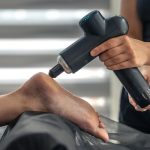
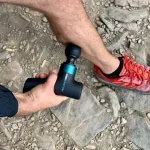
For some people, hand massage isn’t always practical—especially when swelling is frequent or affects both legs. In these cases, leg massagers can offer a convenient way to support circulation and relaxation at home 🦵
When choosing a massager, look for options designed for gentle compression or low-intensity vibration. Strong pressure or aggressive settings should be avoided, particularly if swelling is linked to circulation issues or medical conditions. Used correctly, a massager should feel supportive and soothing, not uncomfortable.
👉 If you’re considering extra support, explore our guide to the best leg massagers for swollen or tired legs.
🛑 Safety Considerations to Keep in Mind
Massage should never feel painful. If swelling worsens, tenderness increases, or discomfort appears during or after massage, it’s best to stop ⚠️
Extra caution is needed for people with conditions such as diabetes, circulation problems, nerve sensitivity, or fragile skin. The same applies during pregnancy or in older adults, where gentler techniques are especially important. Deep tissue, trigger point, or percussive massage should be avoided on swollen areas, as these methods can aggravate inflammation.
When in doubt, checking with a healthcare professional before continuing massage is always the safest choice 👩⚕️
🚑 When to Seek Medical Advice for Swollen Feet and Legs
Massage and home care can be helpful, but they are not a substitute for medical advice when swelling may signal a more serious issue. If swelling lasts longer than two weeks, appears suddenly, affects only one side, or is accompanied by redness, warmth, fever, or shortness of breath, medical attention should be sought promptly 😮💨
Persistent or unusual symptoms should always be evaluated by a professional to rule out underlying conditions such as infection, circulatory issues, or blood clots.
Frequently Asked Questions
What types of massage techniques can help relieve swollen feet and legs?
Gentle massage techniques are best when swelling is present. Light effleurage, using slow gliding strokes, can help encourage circulation and fluid movement without irritating sensitive tissues. Soft kneading motions may also be used cautiously, but only with minimal pressure. Avoid deep or forceful techniques, as swollen areas respond better to slow, rhythmic movements that feel soothing rather than intense 💆♀️
Are there any risks associated with massaging swollen feet and legs?
Yes, massage should be approached carefully when swelling is involved. Using too much pressure can worsen inflammation, cause bruising, or increase discomfort. In some cases, massage may not be appropriate at all—particularly if swelling is linked to circulation problems, blood clots, infection, or fragile skin. Massage should never feel painful, and if swelling increases afterward, it’s best to stop and seek medical advice ⚠️
Are there health conditions that may prevent massage for swollen feet and legs?
Certain medical conditions may make massage unsafe or require professional guidance first. These include diabetes, deep vein thrombosis, blood clotting disorders, active infections, open wounds, recent surgery, or certain skin conditions. Swelling related to heart, kidney, or vascular issues should also be assessed by a healthcare provider. If you’re unsure about the cause of swelling, it’s always safest to check before starting massage 👩⚕️
What precautions should be taken when massaging swollen feet and legs?
When massaging swollen feet and legs, gentle pressure and slow movements are essential. Use a light oil or lotion to reduce friction, avoid deep tissue or pressure-point techniques, and keep sessions short. Elevating the legs during massage may help reduce fluid buildup, and stopping immediately if pain or discomfort occurs is important. The goal should always be comfort and support—not intensity 🤍
Final Thoughts
Massage can be a gentle and supportive way to ease discomfort in swollen feet and legs 🤍 When done correctly, light massage may help encourage circulation, calm inflammation, and reduce the heavy or tight feeling that often comes with swelling.
That said, massage works best as part of a broader self-care approach. Using gentle pressure, keeping sessions short, and paying attention to how your body responds are all important. If swelling is persistent, worsening, or accompanied by other symptoms, it’s always best to seek medical advice before continuing 👩⚕️
With the right care and awareness, massage can be a simple tool to support comfort and mobility—while knowing when to pause is just as important as knowing how to begin.
Reviewed December 2025 by John Winter, Licensed Massage Therapist
📚 References
- Healthline: How to Massage Swollen Feet and Legs
- MedicineNet: Swelling of the Feet and Ankles Symptoms & Causes
- Healthline: 10 Home Remedies for Swollen Feet
⚠️ Disclaimer:
This article is for informational purposes only and does not constitute medical advice. Always consult with a licensed healthcare provider or certified massage therapist before beginning any new treatment, especially if you have pre-existing health conditions or concerns.
About The Author