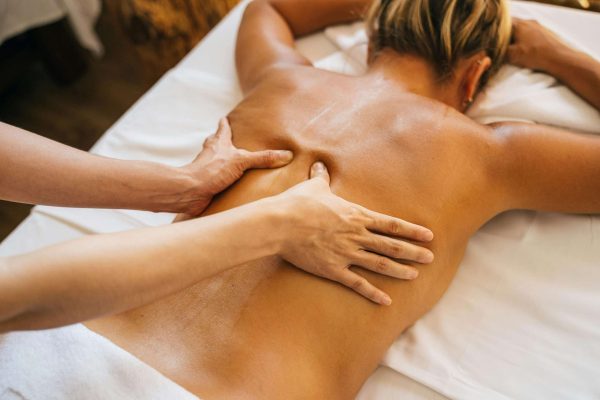
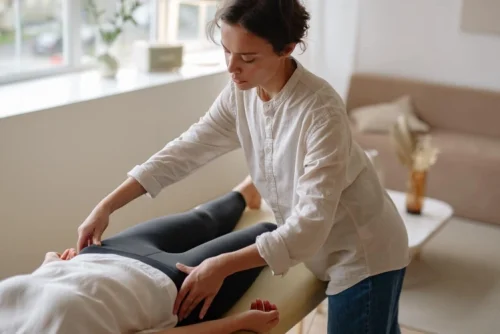
Tight or uncomfortable hips are incredibly common, especially if you sit for long periods, exercise regularly, or carry tension through your lower body. Learning how to massage hips correctly can help relieve muscle tightness, improve mobility, and reduce everyday hip discomfort.
Hip massage isn’t just about relaxation — it can also support better circulation, ease stiffness, and help the surrounding muscles function more effectively. When you understand how to massage your hips safely and with the right techniques, you can target common problem areas and feel more comfortable in daily movement.
In this guide, we’ll explain how to massage hips at home, the benefits of hip massage, which muscles to focus on, and practical techniques you can use to get the most relief. Whether your hips feel tight, sore, or restricted, this article will help you massage them with confidence and care 😊
Table of Contents
Benefits of Massaging Hips

Massaging the hips is a great way to relax the body and relieve stress. It can improve circulation, reduce pain, and help to improve flexibility and mobility. Here are some of the main benefits of massaging your hips:
- Reduces pain – Massaging the hips can help to reduce pain in the hip area and surrounding muscles, as well as reduce stiffness and inflammation.
- Improves mobility – Massaging the hip flexor muscles helps to improve flexibility and mobility in the hips, which can be especially beneficial for those with limited hip range of motion.
- Improves circulation – Massaging the hips helps to increase circulation throughout the area, which can help to improve healing and reduce inflammation.
- Relieves stress and tension – Massaging the hips can help to relieve stress and tension in the body, which can help to improve overall relaxation and wellbeing.
In addition to these benefits, massaging the hips can help to improve posture, reduce muscle tension, and even help to reduce the risk of injury. Massaging the hip flexor muscles can also help to improve flexibility and strength in the hips, which can be beneficial for those who are looking to improve their performance in sports or other physical activities.
Preparation for Massaging Hips

Warm Up
It is important to warm up before massaging the hips, as it can help to increase circulation and reduce any muscle tension. A warm bath or shower can be taken to help relax the muscles, or a hot water bottle or heating pad can be used to apply localized heat.
Tools and Materials
Massaging the hips can be done using the hands, or with the help of massage tools, such as a tennis ball, foam roller or kneading tool. It is important to have a comfortable surface to lie down on, such as a bed or massage table, and massage oil or lotion can be used to help the hands glide over the skin. To help reduce hip pain, it is also important to have a hot and cold pack ready for use.
How to Massage Hips Safely and Effectively: Techniques
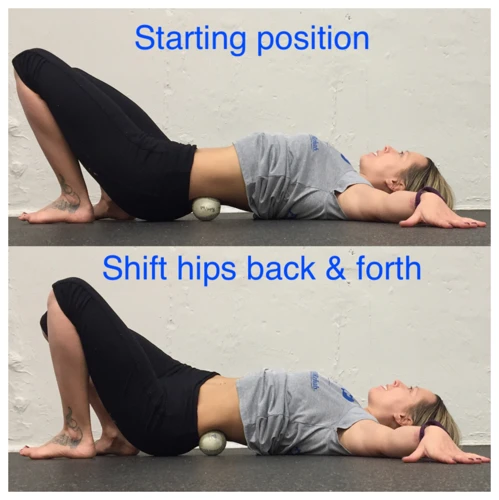
Understanding how to massage hips correctly helps release tension, reduce discomfort, and avoid placing unnecessary strain on sensitive areas like the hip joint. The techniques below focus on the surrounding muscles that most commonly contribute to hip tightness and pain.
Basic Hip Massage Technique
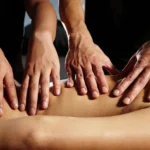
To massage your hips, begin by placing your hands over the outer hip muscles, just below the waistline. Using your palms or fingertips, apply slow circular movements, starting with light pressure and increasing only if it feels comfortable. Work in both clockwise and counter-clockwise directions, and incorporate gentle kneading or long sweeping strokes to encourage circulation and relaxation 😊
How to Massage Hip Flexors
Hip flexors often become tight from prolonged sitting or repetitive movement. Sit or lie in a comfortable position and apply gentle circular pressure to the soft tissue at the front of the hips, avoiding direct pressure on the hip joint. Keep movements slow and controlled. This area can be sensitive, so lighter pressure is usually more effective than deep force ⚠️
How to Massage Hips for Pain Relief
When massaging hips for pain relief, focus on the surrounding muscles rather than pressing directly on the painful spot. Use circular or kneading motions over the outer hips and upper glutes, gradually easing tension. If you find tender areas, slow down and reduce pressure. Massage should feel relieving, not sharp or uncomfortable 💆♀️
How to Massage Tight Hip Muscles
For tight hips, lie on your back with your knees bent and feet flat on the floor. Place your hands over the tight muscle area and apply steady, moderate pressure using circular or kneading motions. Move across the muscle slowly instead of staying in one spot too long. This helps loosen the tissue evenly and prevents irritation ✨
How to Massage Sore Hips
Sore hips respond best to gentler techniques. Use slow, sweeping strokes and light kneading rather than deep pressure. This supports circulation and helps calm irritated muscles. If soreness increases during massage, ease off and switch to broader movements. Consistency over time is more effective than intensity 🌿
How to Release Tight Hips and Improve Mobility
To release tight hips, combine massage with slow, rhythmic movements such as circular strokes and gentle kneading. These techniques help improve blood flow and muscle flexibility. After massage, light stretching or easy movement can help maintain the release and support better hip mobility 🧘♀️
Tips for Massaging Hips
Prepare the area first. Before you start, warm up the hips with light stretching or a warm compress, such as a heat pack or hot water bottle. This helps loosen tight muscles and makes massage more effective 😊
Use a small amount of oil. Massage oil or lotion reduces friction and allows your hands to glide smoothly over the skin, making the massage more comfortable and relaxing.
Start with slow circular movements. Use your palms or fingertips to massage the hips in gentle circular motions. Keep the pressure light at first and gradually increase only if it feels comfortable.
Pay attention to sore or tight areas. If you notice tenderness, slow down and use slightly firmer pressure — but never push through sharp pain. If discomfort increases, ease off and move to another area ⚠️
Incorporate kneading motions. Gently knead the muscles using your hands, working from the outer hips toward the glutes and upper thighs. This helps release deeper tension.
Finish with long, calming strokes. End the massage with slow, sweeping strokes to encourage relaxation and help the muscles settle into a more relaxed state ✨
Hydrate afterwards. Drinking water after massage supports recovery and helps your body feel refreshed, especially if the muscles were very tight 💧
Exercises and Tools to Support Hip Massage
Massage works even better when combined with gentle movement and the right tools. These additions can help maintain flexibility and reduce recurring hip tightness.
Simple Exercises to Do After Hip Massage

- Hip flexor stretch: Gently stretching the front of the hips after massage can help maintain mobility and reduce stiffness.
- Glute stretch: Stretching the glutes supports the muscles that stabilise the hips and often hold tension.
- Pelvic tilts or gentle mobility movements: These help the hips move more freely and prevent tightness from returning 🧘♀️
Keep stretches slow and pain-free, holding each for 20–30 seconds.
Helpful Tools for Hip Massage
- Massage ball: Great for targeting tight spots around the outer hips and glutes.
- Foam roller: Useful for broader areas like the outer thighs and hip muscles, especially if you experience stiffness from sitting.
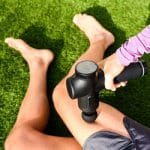
- Massage gun: Can be helpful on low settings when used around the hip muscles (not directly on the hip joint).
- Heat packs: Ideal before massage to relax muscles and improve circulation 🌿
Tools are optional — hands and mindful technique are often enough — but they can add variety and support deeper muscle release when used gently.
Possible Risks
- Excessive Pressure: While massaging the hip area, it is important to not apply too much pressure, as this can cause muscle strain, discomfort and even injury. It is best to start with light pressure and increase the pressure gradually, as needed.
- Sensitivity: People with sensitive skin may experience some pain or discomfort when massaging the hip area. If this occurs, it is important to reduce the pressure or stop the massage.
- Infection: If not done correctly, hip massage can lead to skin infections, especially if oils or creams are used. It is important to use clean hands, massage oils and creams that are safe for the skin and to avoid using the same product on different people.
- Allergies: Some people may be allergic to certain massage oils or creams. It is important to test the products on a small area of skin before using them in order to check for any reactions.
When it comes to how to loosen hip flexors massage, it is important to be aware of the potential risks and to use the correct techniques. Massaging the hip area can be beneficial for relaxation and comfort, but it is important to be aware of the risks and to use the correct techniques to avoid any potential harm.
Frequently Asked Questions
What Massage Techniques Work Best for the Hips?
Several massage techniques can be effective for the hips, depending on your comfort level and goals. Swedish massage uses long, gentle strokes to relax muscles and improve circulation, while deep tissue massage targets deeper muscle layers to release stubborn tension. Trigger point therapy focuses on tight knots, and myofascial release helps loosen restricted connective tissue. Sports massage and acupressure can also support mobility and pain relief when used correctly 😊
Is There Anything I Should Avoid When Massaging My Hips?
Yes. Avoid applying excessive pressure, massaging for too long, or working aggressively over sensitive or irritated areas. Massaging too quickly or forcefully can strain muscles rather than relax them. You should also avoid massaging directly over injuries, inflammation, or the hip joint itself. Gentle, controlled movements are far more effective and safer than forceful techniques ⚠️
Are There Any Tools or Products That Help With Hip Massage?
Hip massage can be done using just your hands, but some tools may help. Massage balls are useful for targeting tight spots, while foam rollers can provide deeper pressure across larger muscle areas. Massage oils reduce friction and help muscles relax, and heat packs can warm the area before massage. These tools are optional — comfort and technique matter more than equipment 🌿
Is It Safe to Massage My Hips if I Have a Medical Condition?
Hip massage is generally safe, but if you have a pre-existing medical condition such as arthritis, joint problems, diabetes, or circulatory issues, it’s best to consult a healthcare provider first. Always inform a massage therapist about any conditions before treatment. If you experience pain, dizziness, or discomfort during massage, stop immediately and reassess 🛑
How Often Should I Massage My Hips for Best Results?
For most people, massaging the hips two to three times per week is enough to reduce tension and improve comfort. Short, gentle sessions can be done more frequently if your hips feel tight from sitting or activity. Daily massage isn’t always necessary and can sometimes lead to soreness. Consistency matters more than frequency ✨
Can Hip Massage Improve Flexibility and Relaxation?
Yes, hip massage can support flexibility and relaxation by reducing muscle tightness and improving circulation. When combined with gentle stretching and regular movement, massage can help your hips feel looser and more comfortable. While massage alone won’t dramatically change flexibility, it can make movement easier and stretching more effective over time 😊
What Should I Do If Hip Massage Feels Uncomfortable?
Hip massage should feel relieving, not painful. If you feel sharp pain or discomfort, reduce the pressure, slow your movements, or change the area you’re working on. Using cushions or adjusting your position can also help. Persistent discomfort may signal an underlying issue, and professional advice may be needed ⚠️

Related Articles
🔹 How Often Should You Massage Tight Muscles?
Not sure how frequently to massage? This article helps you find the right balance between relief and overdoing it, especially for large muscle groups like the hips
🔹Thigh Massage Techniques for Muscle Relief and Faster Recovery
Tight thighs can pull on the hips and limit movement. This article shows how to massage the upper legs to reduce strain on the hip muscles.
🔹How to Massage Feet and Legs for Ultimate Comfort and Relaxation
If hip tightness or discomfort travels down into your legs or feet, this guide shows how to massage the lower body safely to improve circulation, release tension, and support full-body relaxation.
Conclusion
Massaging the hips can provide a great sense of relaxation and comfort. It helps to ease tension in the muscles, reduce stress and improve circulation. When done properly and with the right techniques, hip massage is a great way to treat yourself to some relaxation and comfort.
📚References
- Bergman, T. J. (2015). The Benefits of Massage Therapy. Journal of Physical Therapy Science, 27(7), 2075–2078.
- National Center for Complementary and Integrative Health. (n.d.). Massage Therapy: What You Need to Know. Retrieved June 10, 2020, from https://www.nccih.nih.gov/health/massage-therapy
- Moody, B. (n.d.). 5 Benefits of Hip Massage. Retrieved June 10, 2020, from https://www.houstonmethodist.org/blog/post/5-benefits-of-hip-massage/
⚠️ Disclaimer:
This article is for informational purposes only and does not constitute medical advice. Always consult with a licensed healthcare provider or certified massage therapist before beginning any new treatment, especially if you have pre-existing health conditions or concerns.
About The Author