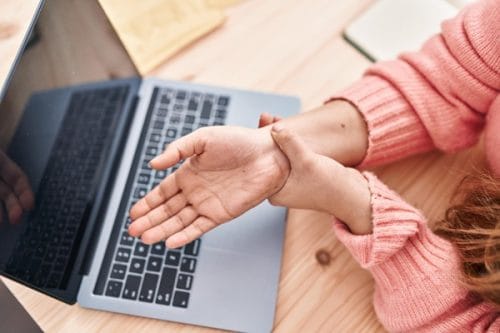
Carpal tunnel pain has a way of interrupting everything — from typing and scrolling to gripping a steering wheel or holding a cup of coffee. If you’ve been dealing with tingling, numbness, or that deep ache through your wrist and hand, you might be wondering whether massage can help ease the pressure. The good news? The right techniques can support better mobility, soothe irritated tissues, and reduce discomfort, especially when symptoms are mild to moderate.
This guide walks you through how to massage carpal tunnel safely and effectively at home, what to avoid, and when it’s time to see a professional. You’ll also learn simple wrist-friendly habits that help protect the median nerve and support long-term relief. Let’s get your hands feeling better, one step at a time.
Table of Contents
Common Causes of Carpal Tunnel Pain
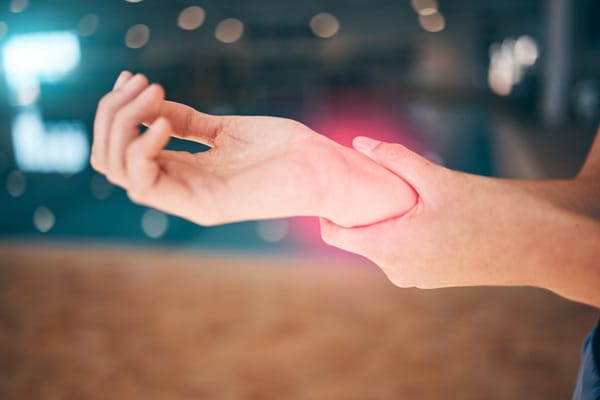
Carpal tunnel syndrome develops when the median nerve becomes compressed inside the narrow passageway of the wrist. Several factors can contribute to this pressure, and most people experience a mix of causes rather than just one.
Common contributors include:
• Repetitive hand and wrist movements
Tasks like typing, using a mouse, drawing, knitting, or repetitive gripping can irritate the tendons and create inflammation over time. This is one of the most common triggers. 💻✍️
• Underlying joint or tendon issues
Conditions such as arthritis, tendinitis, or degenerative joint changes may thicken surrounding tissues and reduce the space available for the nerve.
• Hormonal and fluid shifts
Pregnancy, menopause, and certain medical conditions can lead to temporary fluid retention, increasing pressure within the carpal tunnel. 🤰
• Previous wrist injuries
Fractures, sprains, or dislocations can alter the structure of the wrist and make the nerve more vulnerable.
• Growths or structural changes
Though less common, cysts, lipomas, and other masses inside the wrist can physically narrow the tunnel.
• Use of vibrating tools
Prolonged use of power tools—especially those that vibrate strongly—can irritate the tendons and wrist tissues. 🔨
• Body weight and overall inflammation
Higher body weight and systemic inflammation can increase fluid retention and pressure on the nerve, making symptoms more noticeable.
Understanding these contributors helps you manage symptoms more effectively. While massage won’t fix structural causes, it can help reduce muscle tension, improve circulation, and make wrist movements feel more comfortable when used alongside good ergonomics and supportive habits. 🌿
Symptoms of Carpal Tunnel Syndrome
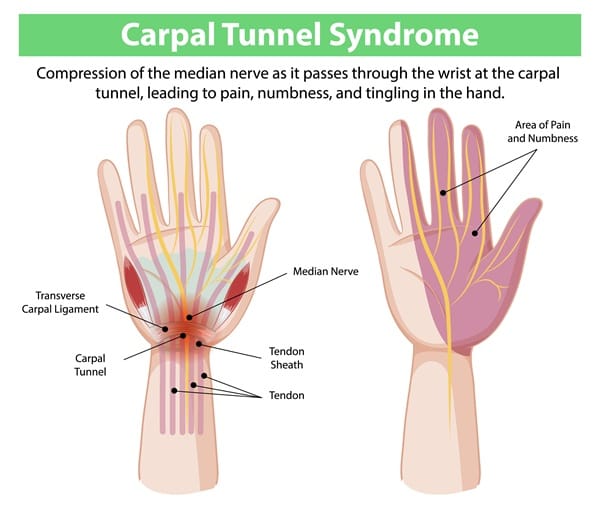
Carpal tunnel syndrome happens when the median nerve becomes compressed as it passes through the narrow tunnel in your wrist. The symptoms often develop gradually and may come and go at first before becoming more persistent.
Common signs include:
- Tingling or “pins and needles” in the thumb, index, middle, and half of the ring finger.
- Numbness, especially during activities that involve gripping, typing, or holding a phone.
- Weakness or reduced grip strength, making everyday tasks like opening jars or carrying bags feel harder.
- A dull ache in the wrist or forearm, sometimes radiating upward.
- Night-time symptoms, which are often worse because many people sleep with their wrists bent.
These sensations are caused by irritation of the median nerve—not simply “tight muscles”—which is why recognising symptoms early is so important. While massage can’t cure structural compression, it can help ease surrounding tension, improve circulation, and support short-term relief when used alongside good wrist habits and ergonomic adjustments.
Many people find that when they regularly massage carpal tunnel, their symptoms improve more quickly.
✨How to Massage Carpal Tunnel
A gentle routine to massage carpal tunnel can noticeably reduce tension in the forearm muscles that compress the nerve. Massage for carpal tunnel should never involve pressing directly on the median nerve. Instead, the aim is to soften tight muscles and connective tissue around the wrist so the nerve has more space and less irritation. Here’s a simple, safe routine you can follow at home to ease tension and support comfort. 💛
1. Ease Into It With Gentle Warm-Up Strokes
Start by warming the forearm and wrist so the tissues relax. Lightly glide your hand from the elbow toward the wrist, then circle around the palm and thumb area. A minute of gentle warming boosts circulation and prepares the muscles for deeper work. ✨
2. Release Tight Forearm Muscles
Tight flexor muscles along the inner forearm often contribute to carpal tunnel symptoms. Slowly work your way down that line of tissue using smooth, steady pressure—gliding, pausing, and releasing any tense spots. This can noticeably reduce strain on the wrist.
3. Stretch and Mobilise the Wrist
Extend your arm with the palm facing upward and gently pull the fingers back until you feel a comfortable stretch—not pain. While holding this stretch, lightly sweep across the wrist crease with your other hand. This helps the tissues glide more freely without irritating the nerve. 🤲
4. Soften the Base of the Thumb
The muscles beneath the thumb can tighten and reduce space within the carpal tunnel. Using small, slow circles in this fleshy area helps improve mobility and ease tension. Stop immediately if anything feels sharp or electric. ⚠️
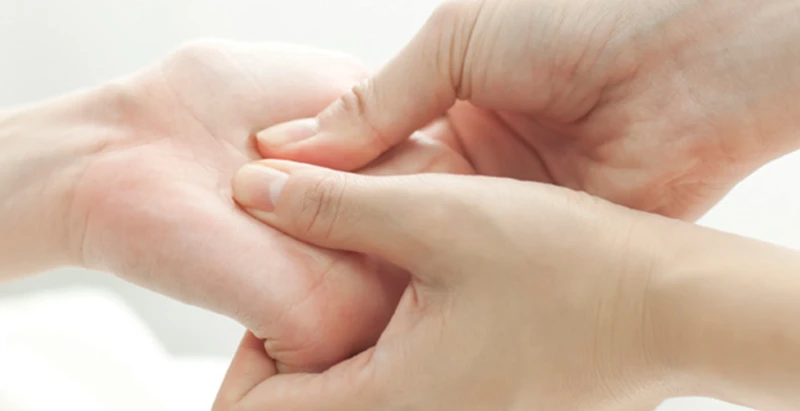
5. Combine Massage With Movement
Try massaging while gently bending and straightening the fingers. This encourages the tendons to glide more smoothly through the wrist. Start in the palm, move toward the wrist, and finish along the lower forearm for a balanced release.
6. Using Tools (Only in the Right Places)
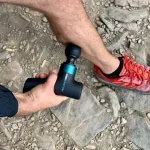
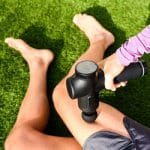
If you prefer tools, a tennis ball can be rolled under the forearm (not the wrist) to release muscle tension. A massage ball or roller stick can glide from elbow to wrist with comfortable pressure. A mini massage gun can be used on the forearm at low speed—never directly over the carpal tunnel. 🎾
7. Finish With Light, Soothing Strokes
End your routine with gentle strokes from the wrist back up the forearm. This helps calm the tissue, reduce irritation, and leave your hands feeling lighter and more relaxed. 🌿
⭐ What Not to Do
Avoid pressing into the centre of the wrist where the median nerve sits, skip deep pressure on wrist bones, and don’t massage during active swelling or numbness. Stop right away if tingling increases.
⭐ How Often Should You Massage?
A short routine—around 5 to 10 minutes, several times a week—works best. Massage won’t cure carpal tunnel, but it can ease discomfort and support better wrist mobility when paired with stretches and ergonomic adjustments. 🙌
How to Massage the Median Nerve (Safely & Effectively)
It’s important to know how to massage carpal tunnel without applying pressure directly to the median nerve. You should never press directly on the median nerve itself — this can worsen symptoms and increase tingling or numbness. Instead, focus on releasing the tight muscles and fascia around the nerve so it can glide more freely through the wrist and forearm. Here’s a safe, gentle way to support median nerve mobility. 🌿
1. Get Into a Comfortable Position
Sit with your forearm supported on a table or pillow. Keep the wrist in a neutral, relaxed position—not bent forward or backward. This allows the tissues around the nerve to soften before you begin.
2. Warm the Forearm Muscles
Use light strokes from the elbow toward the wrist to warm the inner forearm (the flexor side). These muscles can become tight and restrict nerve movement. A minute of gentle warming helps make everything more responsive.
3. Release the Inner Forearm (Without Pressing the Nerve)
Starting below the elbow, glide your thumb or fingertips slowly along the forearm toward the wrist.
Pause on tight bands of muscle and hold light pressure for a few seconds.
This technique reduces tension around the nerve and helps improve gliding. ✨
4. Mobilize the Wrist Softly
With your palm facing upward, gently lift your fingers back until you feel a mild stretch.
Use your other hand to lightly sweep across the wrist crease.
This helps the tissues around the median nerve move more freely without irritating it.
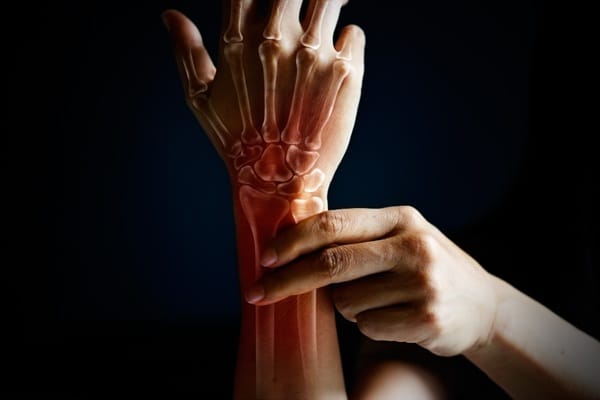
5. Tendon-Gliding Massage (Safe for Nerve Mobility)
Place your fingertips on your palm and massage lightly while slowly bending and straightening the fingers.
Working from the palm → wrist → lower forearm encourages smooth motion of the tendons that share space with the median nerve.
6. Avoid Direct Pressure on the Nerve
Skip pressing into the centre of the wrist, tapping the nerve, or holding pressure over numb areas. ⚠️ This can aggravate symptoms rather than relieve them.
⭐ When This Helps
These techniques can support comfort by easing surrounding tightness and improving nerve mobility. They pair well with ergonomics, stretching, and regular breaks from repetitive tasks.
⭐ When to Stop
If symptoms worsen, become electric, or if numbness increases, stop immediately and rest.
Exercises to Support Carpal Tunnel Relief
Alongside learning how to massage carpal tunnel, gentle stretches and mobility exercises can help reduce pressure on the median nerve and improve overall wrist function. These movements are simple, low-intensity, and ideal for daily use. 🌿
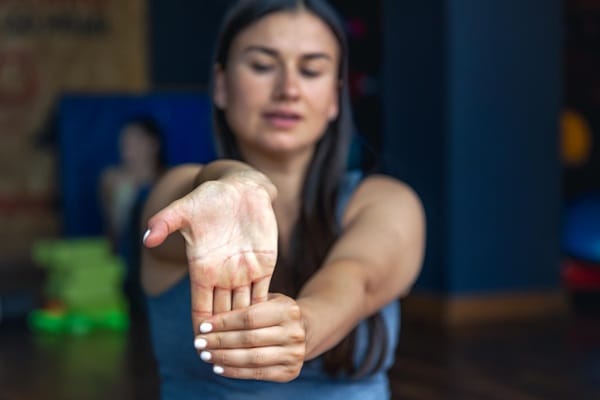
1. Wrist Extension Stretch
Extend your arm with your palm facing upward.
Use your other hand to gently pull your fingers back until you feel a light stretch along the underside of your forearm.
Hold for 10–15 seconds.
This movement helps open the space in the wrist and complements any routine you use to massage carpal tunnel safely. ✨
2. Wrist Flexion Stretch
Turn your palm downward and gently press the back of your hand toward the floor.
You should feel the stretch on the top of your forearm.
Hold for 10–15 seconds and repeat on both sides.
3. Finger Glide (Tendon-Gliding Exercise)
Start with your fingers straight.
Bend them to form a hook shape, then a full fist, then open again.
Move slowly and smoothly.
This helps the tendons glide more freely through the carpal tunnel, especially when paired with techniques used to massage carpal tunnel.
4. Forearm Rotation
Rest your elbow on a table.
Rotate your forearm so your palm faces up, then down.
This gentle motion helps reduce stiffness and improves wrist mechanics.
5. Nerve Glide (Safe Median Nerve Mobilization)
Extend your arm out to the side with your palm facing up.
Slowly bend your wrist back while keeping your shoulder relaxed.
Stop immediately if anything feels electric or sharp. ⚠️
This movement encourages healthy nerve mobility and pairs well with a carpal tunnel massage routine.
🧘 Tip: These exercises should feel gentle, never forceful. If symptoms intensify, reduce the range or frequency.
Frequently Asked Questions
What are the symptoms of carpal tunnel syndrome?
Carpal tunnel syndrome often begins with tingling, numbness, or “pins and needles” in the thumb, index, and middle fingers. You might also notice weakness, reduced grip strength, or a tendency to drop objects. Some people experience aching that travels up the forearm or burning in the palm. Symptoms commonly worsen at night or during repetitive hand activities. 🌙
How often should I massage carpal tunnel for relief?
Most people benefit from short, focused massage sessions about 5–10 minutes long, three to five times per week. If symptoms are more intense, gentle daily massage may help calm irritation. As discomfort improves, you can reduce frequency and use massage as maintenance alongside stretching and ergonomic habits to protect the wrist. 🌿
Can massage make carpal tunnel worse?
Yes — if performed incorrectly. Deep pressure on the wrist crease, tapping on the median nerve, or aggressive techniques can aggravate tingling or numbness. Massage should feel relieving, not sharp or electric. Always use light to moderate pressure, avoid direct nerve compression, and stop immediately if symptoms intensify. When done safely, massage can be a supportive tool. ⚠️
Are there any risks associated with carpal tunnel massage?
Risks are low when massage is gentle, but it’s important to be aware of potential issues. Too much pressure may worsen pain, increase swelling, or irritate the nerve. People with severe numbness, active inflammation, or recent wrist injury should be especially cautious. Allergies to oils or lotions are also possible. If pain spikes or hand weakness worsens, pause massage and reassess. ✨
What exercises help relieve carpal tunnel pain?
Wrist stretches, nerve-gliding exercises, and gentle strengthening can complement massage. Try slowly bending your wrist backward and forward, circling the wrist, or opening and closing the fingers to improve mobility. Light resistance exercises, such as squeezing a soft ball or using a rubber band to expand the fingers, help support grip strength without overloading the wrist. 🤲
Should I rest my wrist if I have carpal tunnel syndrome?
Yes, strategic rest makes a big difference. Give your wrists breaks from repetitive motions like typing, scrolling, or gripping tools. Short, frequent rests prevent irritation from building up. Pair rest with neutral wrist positioning and ergonomic adjustments to reduce pressure on the median nerve throughout the day. 🧘
When should I see a doctor for carpal tunnel symptoms?
Seek professional assessment if symptoms persist for more than a few weeks, if tingling becomes constant, or if you notice significant weakness or clumsiness in your hand. Progressive numbness, night pain that disrupts sleep, or difficulty gripping objects are also signs that medical treatment or further evaluation may be needed. Early intervention helps prevent long-term nerve damage. 💛
🔗 Related Articles
👉How to Massage a Pulled Muscle – Safe, effective strategies to help sore muscles recover more comfortably. 🧘♀️
👉 How to Give Yourself a Hand Massage – Perfect for quick at-home relief when your hands feel tired, tight, or overworked. 🤲💛
👉How to Massage a Sciatic Nerve – A gentle guide for relieving deep nerve tension and improving mobility. 💫
Final Thoughts
Carpal tunnel relief isn’t about pushing harder on the wrist — it’s about giving the surrounding muscles, tendons, and tissues the space and support they need to move comfortably. Gentle massage, paired with mindful stretching and better wrist habits, can make a noticeable difference in how your hands feel day to day. 🌿
Consistency is key. Small, regular sessions often help more than one long massage, and listening to your body ensures you don’t aggravate sensitive nerves. If symptoms persist, become constant, or affect your grip, it’s a sign to check in with a healthcare professional for personalised guidance. 💛
Supporting your wrists with simple daily practices can help you stay comfortable, mobile, and confident in everything you do — from typing and lifting to sleeping and everyday tasks. Your hands work hard for you; a little care goes a long way. 🙌
📚 References
- The Effectiveness of Massage Therapy on Carpal Tunnel Syndrome: A Systematic Review and Meta-Analysis
- Carpal tunnel syndrome – Diagnosis and treatment – Mayo Clinic
- HealthDirect – Carpal tunnel syndrome
⚠️ Disclaimer:
This article is for informational purposes only and does not constitute medical advice. Always consult with a licensed healthcare provider or certified massage therapist before beginning any new treatment, especially if you have pre-existing health conditions or concerns.
About The Author