
Calf cramps can strike out of nowhere—during a workout, in the middle of the night, or even while you’re sitting still. One of the fastest ways to ease that sharp, tightening pain is with a targeted calf cramp massage. By using simple hands-on techniques to improve circulation, release muscle knots, and relax the gastrocnemius and soleus muscles, you can get relief in minutes. In this guide, you’ll learn exactly how to perform an effective calf cramp massage at home, when to use it, and how to prevent future cramps from returning.
Table of Contents
What Causes Calf Cramps?
A calf cramp occurs when the gastrocnemius or soleus muscle contracts involuntarily and struggles to release. Dehydration, electrolyte imbalance, tight muscles, fatigue, and circulation issues are common triggers. Even sleeping with your toes pointed can shorten the muscle and lead to nighttime cramps. 😣
Certain medications—particularly statins and diuretics—can increase cramping frequency. Regardless of the cause, a targeted massage helps the muscle release and recover.
⭐ What Is a Calf Cramp Massage?
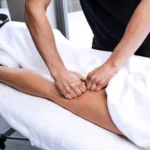
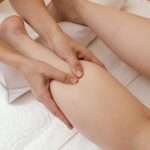
A calf cramp massage is a hands-on technique that uses slow pressure, circular kneading, and muscle-lengthening strokes to ease a calf muscle spasm. It helps stop the contraction, improves circulation, and restores normal muscle function for fast relief. 🦵💨
Why Calf Cramp Massage Works
Massage offers several therapeutic benefits when a spasm hits. It boosts blood flow, delivering much-needed oxygen to the cramped area. Slow, steady pressure interrupts the contraction cycle and encourages the fibers to lengthen again. As tension decreases, your nervous system becomes less reactive, reducing your likelihood of another sudden cramp. 🌿
Over time, regular calf massage helps build flexibility and keeps the tissue hydrated—ideal for runners, walkers, and anyone who experiences leg cramps at night.

Preparing for a Calf Massage
Before starting, position your leg comfortably so the calf is fully supported. A little massage oil or lotion helps your hands glide smoothly. If the cramp is still sharp, gently flex your foot upward to stretch the muscle and take the edge off the spasm. This makes the upcoming massage much more effective. 🧴🦶
How to Massage a Calf Cramp (Step-by-Step)
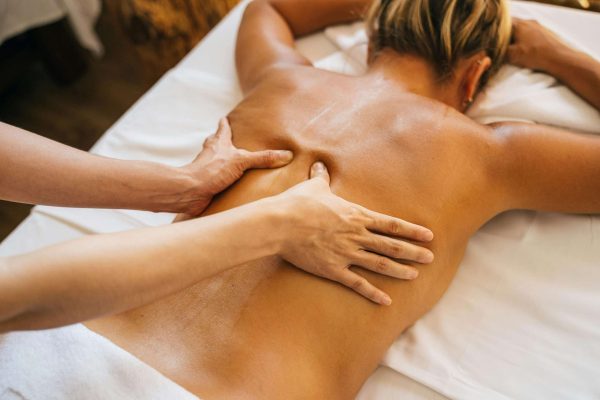
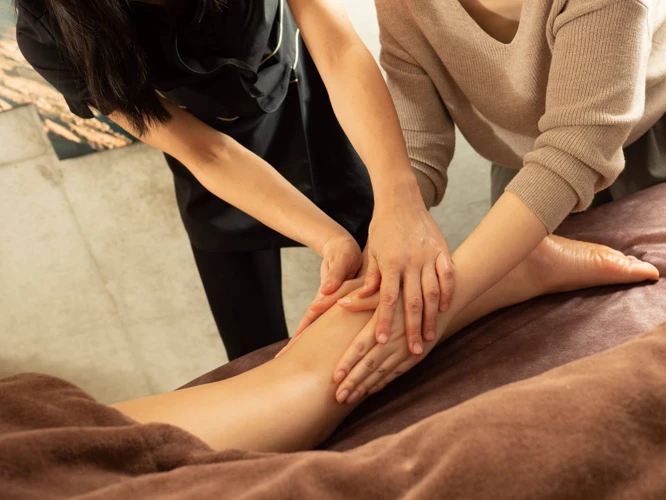
Begin with slow warming strokes from the ankle toward the knee to stimulate circulation. Then use your thumbs to make small circular motions along the tightest section of your calf. Move slowly and pause at tender points—these trigger points often hold the key to releasing the spasm.
Cross-fiber strokes, which glide perpendicular to the muscle, break down tightness that stretching alone might miss.
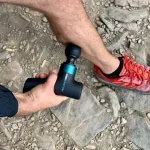
If you need deeper pressure, place a tennis ball beneath your calf and gently shift your weight onto it. Hold for 15–20 seconds until the discomfort softens.
Finish with a gentle stretch by pulling your toes toward your shin, and apply heat afterward for added relaxation. 🔥😌
Best Techniques for Calf Muscle Cramps
The most effective techniques combine warmth, slow pressure, and rhythmic motion. Circular kneading softens the belly of the muscle, while sustained pressure helps stop the contraction. Long gliding strokes lengthen the calf—perfect after exercise or long periods of standing. For stubborn areas, gentle cross-fiber friction helps restore mobility and prevent recurring cramps. 💪
Stretches That Help Calf Cramps
Stretching restores proper muscle length and reduces future cramping. A standing calf stretch (heel down, knee straight) targets the gastrocnemius, while a slight knee bend reaches the deeper soleus.
Seated towel stretches, toe pulls, and yoga poses like downward-facing dog lengthen both the calves and hamstrings. Practicing these regularly supports mobility and reduces the frequency of nighttime cramps. 🧘♀️
How to Prevent Calf Cramps
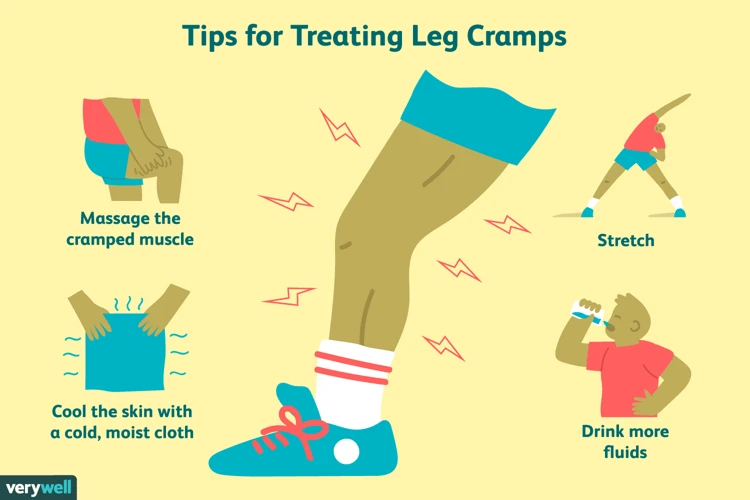
Hydration and mineral balance are essential for healthy muscle function. Drink water consistently and include electrolyte-rich foods like bananas, leafy greens, and coconut water. Stretching before and after exercise keeps the calves flexible, reducing stress on the muscle.
If you get calf cramps at night, try loosening the calves before bed and avoiding sleeping positions that point the toes downward. Supportive footwear and limiting long sitting periods also help. 👣✨
⭐ Want Better Muscle Recovery?
Explore our full guides for relieving tight legs and supporting recovery:
👉 How to Massage a Pulled Muscle
👉 Best Leg Massagers
When to See a Doctor
Most calf cramps are harmless, but if you experience daily cramps, swelling, weakness, or cramps lasting longer than ten minutes, seek medical evaluation. A sudden spike in cramping after starting a medication is also reason to speak with your provider. Persistent cramps may relate to circulation problems, nerve conditions, or vitamin deficiencies. 🩺
Frequently Asked Questions
Does calf cramp massage actually help stop muscle cramps?
Yes. A calf cramp massage helps relax tight muscle fibers, improves blood flow, and reduces the sudden “locking” sensation that comes with a calf spasm. By massaging the gastrocnemius and soleus muscles, you encourage oxygen flow and help flush out metabolic waste that can trigger cramps. Many people find that a few minutes of slow, firm massage brings faster relief than stretching alone.
What causes calf cramps, and when is massage the best treatment?
Calf cramps may be caused by dehydration, electrolyte imbalance, overuse, tight calves, pregnancy, or nighttime fatigue. A calf cramp massage is most effective when the pain is caused by muscle tightness, poor circulation, or overexertion. It helps release tension and restore proper muscle function. If cramps are persistent or severe, you should also assess hydration, magnesium levels, and overall activity patterns.
How long should I massage a calf cramp for fast relief?
Most people experience relief after 1–3 minutes of slow, steady calf cramp massage. Start with gentle pressure, then gradually increase as the muscle releases. Focus on long strokes along the length of the calf, followed by small circular motions over any tight knots. After the massage, gently stretch the calf to prevent the cramp from returning.
Why do calf cramps happen at night, and can massage help?
Nighttime calf cramps are often caused by reduced blood flow during sleep, poor posture, tight calf muscles, or electrolyte imbalance. A short calf cramp massage before bed can help relax the muscles and improve circulation, lowering the chance of waking up with a painful spasm. Many people also benefit from calf stretching, hydration, and magnesium-rich foods in the evening.
Can you use calf cramp massage during pregnancy?
Yes—gentle calf cramp massage is safe for most pregnant people and is often recommended to ease leg tightness, improve circulation, and reduce nighttime spasms. Pregnancy can increase the risk of calf cramps due to fluid changes and added pressure on leg muscles. Always use light pressure and avoid deep tissue techniques unless approved by a healthcare provider.
Is massaging a calf spasm safe when the muscle feels very tight?
Yes, as long as you start gently. When a calf muscle is in active spasm, heavy pressure can make it worse. Begin with soft, warm strokes to encourage the muscle to relax, then increase pressure slightly as the cramp releases. If the pain is sharp, persistent, or accompanied by swelling, stop massaging and consult a doctor to rule out injury or circulation issues.
What’s the best way to prevent calf cramps from coming back?
Prevention includes staying hydrated, correcting electrolyte imbalances, stretching tight calves daily, and avoiding sudden bursts of activity without warming up. A quick calf cramp massage after workouts can help reduce muscle fatigue. Wearing supportive footwear and maintaining healthy magnesium and potassium levels also play an important role in reducing recurring calf spasms.
Should I use heat, ice, or massage for a calf cramp?
Massage is usually the fastest way to release an active calf cramp. Heat can relax tight muscles before massage, while ice is more helpful afterward if the area feels sore or inflamed. Many people combine heat + calf cramp massage for immediate relief, then apply ice later to reduce tenderness.

Conclusion
Calf cramps can be surprising, painful, and incredibly disruptive — but with the right approach, they’re also highly manageable. A gentle calf cramp massage offers one of the fastest ways to calm a tightening muscle, restore normal function, and prevent future spasms. Pairing massage with hydration, stretching, and healthy movement habits creates a long-term foundation for stronger, more resilient calves.
If you experience frequent cramps, explore the techniques in this guide, listen to what your body is telling you, and make small adjustments to your routine. With consistent care, most people notice fewer nighttime cramps, better mobility, and a greater sense of control over their muscle health. And if something doesn’t feel quite right, never hesitate to check in with a qualified healthcare provider — early support makes all the difference.
📚 References
- Effect of Self-Massage on Calf Muscle Cramps in Poor Circulation: A Randomized Controlled Trial
- The Effects of Self-Massage on Calf Muscle Cramps: A Randomized Controlled Trial
- Cleveland Clinic: Muscle Cramps: Causes, Diagnosis & Treatment
- Healthline: Leg Cramps: Causes, Treatment, and Prevention
⚠️ Disclaimer:
This article is for informational purposes only and does not constitute medical advice. Always consult with a licensed healthcare provider or certified massage therapist before beginning any new treatment, especially if you have pre-existing health conditions or concerns.
About The Author