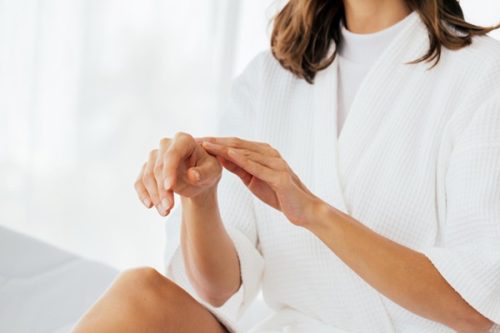
If your hands ache after a long day of typing, scrolling, cooking, carrying kids, or gripping the steering wheel, you’re not alone. Our hands take on far more strain than we realise. The tiny muscles, tendons, and nerves work constantly, and over time that tension builds into stiffness, throbbing, or a deep, lingering fatigue.
Learning how to give yourself a hand massage is one of the simplest, most effective ways to reset your hands, calm your nervous system, and release tightness from daily overuse. With just a few minutes of intentional pressure and movement, you can restore circulation, soothe discomfort, and help your hands feel lighter and more capable.
This guide blends anatomy-informed techniques, modern lifestyle insights, and practical self-care steps you can use anytime your hands need some relief.
Table of Contents
✋ Why Your Hands Feel Tight in the First Place

Most modern hand tension comes from quiet, repetitive overuse. Typing for hours tightens the wrist and forearm muscles. Holding a phone while scrolling strains the thumb and inner wrist. Cooking, carrying groceries, gaming, and gripping exercise equipment all load the small muscles of the hands.
Stress doesn’t help either. When the mind is tense, the hands and shoulders tend to clench. Cold weather and long periods of sitting reduce circulation, making everything feel stiffer.
A well-designed self-hand massage helps undo these patterns by improving blood flow, easing muscle tension, and interrupting the stress cycle.
🌿 The Benefits of a Self-Hand Massage
Even a short session can make a noticeable difference. A hand massage:
- Improves circulation and warmth
- Softens tight muscle fibres
- Relieves thumb, wrist, and finger discomfort from typing and phone use
- Supports joint mobility
- Helps prevent overuse tension from building up
- Activates calming pathways in your nervous system
Research suggests massage can reduce pain intensity and improve range of motion, especially in overused joints and soft tissues.¹ ²
And because this guide shows you how to give yourself a hand massage step by step, you’ll be able to use these techniques anytime tension starts to build.
🧘♀️ Before You Begin Your Hand Massage
You don’t need tools — just a comfortable chair and a relaxed posture. Rest your forearms on your lap or a table, take a slow breath, and gently rub your hands together to warm the tissues. If your skin feels dry, a small amount of lotion or oil makes the massage smoother and more comfortable.
If you prefer to start with simpler foundations, our Beginner Hand Massage Guide walks you through easy step-by-step techniques perfect for first-timers.
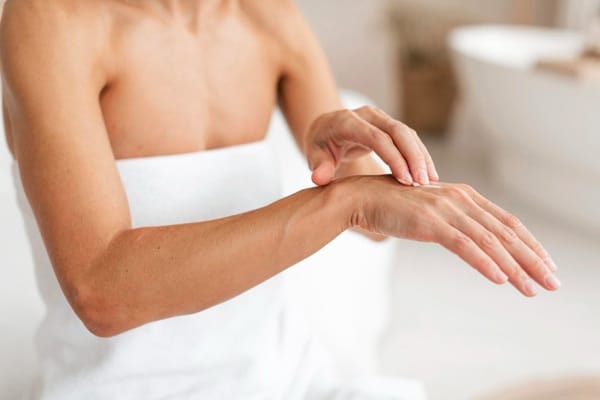
🌟 How to Give Yourself a Hand Massage (Steps That Actually Work)
These techniques are designed with modern strain in mind — typing, lifting, gripping, phone scrolling, and general overuse. Move slowly, pause when something feels tender, and let your hands soften under your touch.
🤲 1. Palm Release for Hand Fatigue
Place your thumb in the centre of your opposite palm. Apply slow, steady pressure and glide outward toward the base of each finger. Repeat this two or three times until the tissue begins to feel warm and more flexible.
Try this:
- Place your thumb in the centre of your palm.
- Apply steady pressure.
- Glide outward toward each finger.
- Repeat 2–3 times.
👍 2. Thumb Tendon Reset (Ideal for Phone Users)
Texting and scrolling overload the thumb muscles and tendons. This technique helps release that overuse strain.
Do this:
- Locate the soft muscle at the base of your thumb.
- Press and glide slowly down the inside wrist tendon.
- Hold tender spots for 3–5 seconds.
- Gently stretch the thumb outward.
💻 3. Wrist Flexor Release for Typing Pain
This move targets the muscles that tighten during computer work — a major cause of wrist and hand discomfort.
Steps:
- Turn your palm upward.
- Glide from the wrist crease toward your fingers using your opposite thumb.
- Explore slightly left and right to find tight areas.
- Extend your strokes a few centimetres into the forearm.
🔁 4. Finger Glide Technique for Joint Stiffness
This technique encourages better mobility through the finger joints.
Method:
- Gently pinch the base of each finger.
- Slide upward toward the fingertip.
- Add a small rotational twist at the tip.
🖐️ 5. Knuckle Circles for Stress Clenching
Many people clench their palms without realising it, especially during concentration or stress.
Try this:
- Make a loose fist.
- Use your knuckles to make slow circles across your palm.
- Add slightly deeper pressure over thicker or tense areas.
💆♀️ 6. Forearm Sweep (The Secret to Lasting Relief)
Forearm muscles anchor into the hand tendons — if they’re tight, your hands will be too.
How to do it:
- Place your thumb halfway between the wrist and elbow.
- Apply steady pressure and sweep downward toward the wrist.
- Repeat 6–8 times, shifting slightly each pass.
This often gives instant relief.
If your tension extends beyond your hands, working on the shoulders and upper back can make a big difference. Our Back Massage Guide walks you through techniques for deeper relief.
⚠️ When to Be Cautious
Avoid hand massage if you have open cuts, infections, rashes, or a recent wrist or hand injury. Numbness, burning, or persistent swelling are signs to pause and check in with a healthcare professional. Gentle massage is typically safe for mild arthritis or overuse tension, but deeper pressure may not be appropriate for everyone.
🕒 How Often Should You Massage Your Hands?
If you type, scroll, or use your hands heavily throughout the day, a brief daily routine can prevent tension from building up. Others feel great with three or four sessions a week. A short hand massage before bed is also a lovely way to reduce nighttime stiffness and settle the nervous system.
Consistency matters far more than duration — a few mindful minutes produce better results than one long session every now and then.
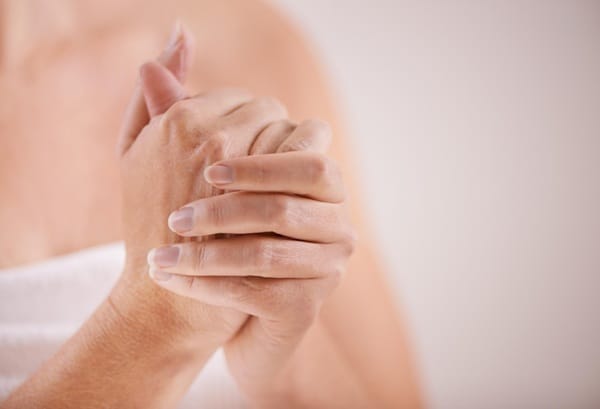
🧠 Tips to Make Your Massage Even More Effective
Warm your hands under water before massaging, especially on cooler days. Relax your shoulders and jaw, as upper-body tension often feeds into the hands. If you work at a desk, pair your massage with short movement breaks and gentle wrist or forearm stretches.
And if your hand tightness extends into your wrists, forearms, shoulders, or upper back, exploring a wider routine can make an enormous difference.
📘 Frequently Asked Questions
How long should a self-hand massage last?
Two to five minutes per hand is enough for most people. If your hands feel tight from typing or phone use, a slightly longer session may help the deeper tissues relax.
Can a hand massage help with thumb pain?
Yes — especially when you focus on the inside wrist tendon and the base of the thumb. These areas take on most of the strain from scrolling and gripping.
Is self-massage safe if I have arthritis?
Gentle, slow massage can help reduce stiffness, but avoid deep pressure on inflamed joints. If pain increases, stop and consult your clinician.
Can self-massage reduce stress?
Absolutely. Hand massage activates the parasympathetic nervous system, helping the body switch into a more relaxed state.
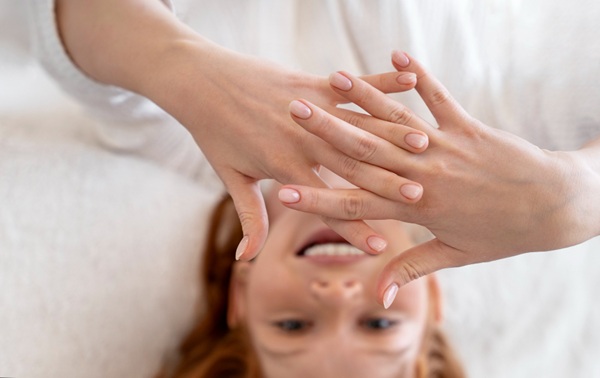
🌊 Want Even More Hand Relief?
If your hand tension is connected to tight wrists, forearms, shoulders, or upper back — which is extremely common for desk workers — explore our full Upper Body Massage category for deeper, longer-lasting relief.
Reviewed By April Merrick, December 2025 – Wellness Editor
📚 References
🔗 Cleveland Clinic – Massage Therapy Benefits
🔗 National Institutes of Health – Massage and Pain Management Research
🔗 Acupressure and Reflexology for Pain Management: A Systematic Review and Meta-Analysis – National Center for Biotechnology Information
🔗 Step-by-Step Hand Massage Guide – Healthline
🔗 Detailed Technique Walkthrough – Wellness Professionals At Work
⚠️ Disclaimer:
This article is for informational purposes only and does not constitute medical advice. Always consult with a licensed healthcare provider or certified massage therapist before beginning any new treatment, especially if you have pre-existing health conditions or concerns.