If you are looking for an easy way to give someone a relaxing massage, this step-by-step guide on how to give a massage will provide you with all the information you need. From essential massage techniques to essential massage oils, this guide will provide you with all the knowledge and tools you need to give a soothing and calming massage.
Table of Contents
Steps to Give a Relaxing Massage
Preparing the Massage Area
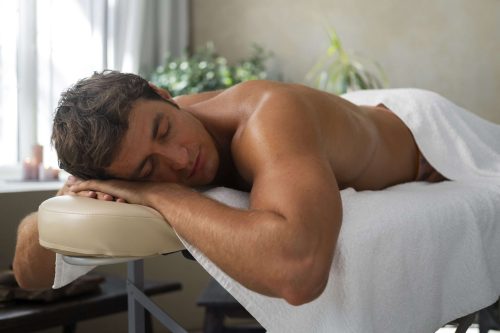
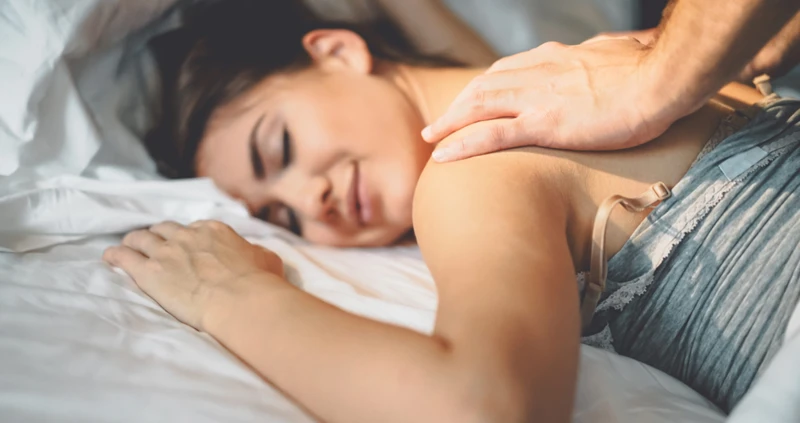
A great massage starts with a calm, comfortable space. Keep the room warm, soften the lighting, and remove distractions so the body can relax naturally. A bed, couch, or massage table with a clean towel and supportive pillow is all you need.
Preparing the Client
Make sure the person is comfortable before you begin. Offer a towel or blanket for modesty and warmth, explain what to expect, and remind them they can ask for adjustments or breaks at any time.
Setting the Mood
Atmosphere matters. Soft lighting, quiet music, and a relaxed, tidy space help the nervous system shift into rest mode. A warm blanket or pillow under the knees or chest can make positioning more comfortable.
Choosing the Right Oil
Use a light, smooth oil that absorbs gradually without feeling greasy. Almond, jojoba, or an unscented lotion work well. If you enjoy essential oils, keep the scent subtle — lavender or eucalyptus are classic options.
Warming Up the Body
Begin with slow, gentle strokes to warm the muscles and encourage circulation. Starting lightly helps the body relax and prepares the tissue for deeper work if needed.
Massaging the Back
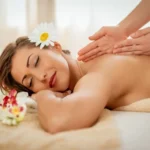
Use long, steady strokes from the lower back toward the shoulders, gradually introducing kneading and slow circular pressure around tight areas. Avoid pressing directly on the spine — work alongside it instead.
Massaging the Neck and Shoulders
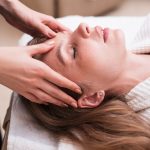
Move slowly here. Gentle circular movements at the base of the skull and kneading along the tops of the shoulders help release everyday tension. Increase pressure only as the muscles soften.
Massaging the Arms
Glide from the wrist toward the shoulder in smooth strokes, then work into the forearms and upper arms with light kneading. Small circular movements around the wrists feel especially soothing.
Massaging the Legs
Begin with broad strokes from ankle to hip, then work into the calves and thighs with firmer pressure. Move slowly around the knees and avoid the back of the knee, which can be sensitive.
Finishing the Massage
Ease out of the massage with gradually lighter strokes. Give the person a moment to rest before they sit up, offer a warm blanket, and provide water to help with hydration.
How to Give a Back Massage In Bed
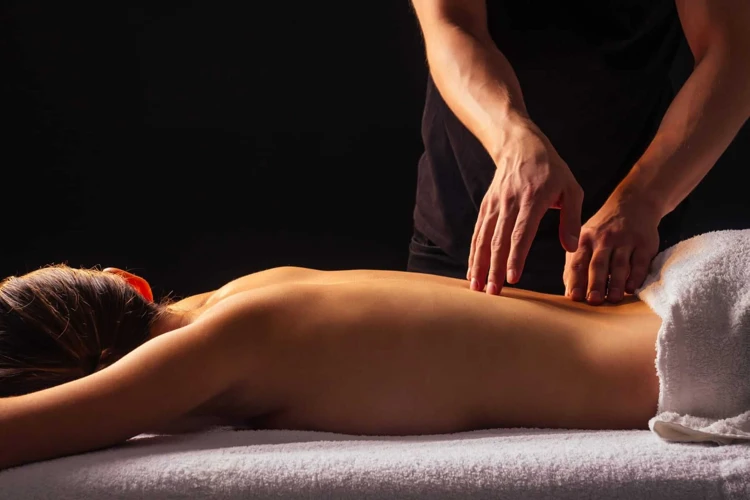
1. Position Your Partner: Have your partner lie face down on the bed, with their head turned to one side and a pillow beneath their forehead. Make sure they are comfortable and can breathe freely.
2. Prepare Your Hands: Warm your hands with a few minutes of rubbing them together. Then, use massage oil to lubricate your hands and your partner’s back.
3. Begin with Long Strokes: Begin your massage with long, gentle strokes, starting at the lower back and moving up the spine. You can use both hands or just one.
4. Knead the Muscles: Use your fingertips or knuckles to knead the muscles along the sides of the spine. Apply a moderate amount of pressure, making sure your partner is comfortable.
5. Incorporate Circles: After kneading the muscles, use circular motions. Again, use moderate pressure and make sure your partner is comfortable.
6. Finish with Long Strokes: Finish the massage with long, gentle strokes. This will help relax the muscles and create a feeling of relaxation.
7. Allow Time to Settle: After the massage, allow your partner a few minutes to settle before moving. This will help them fully enjoy the benefits of the massage.
How to Give the Best Massage Ever
Equipment: Massage oil, towels, and a comfortable surface (such as a bed or massage table)
Step 1: Start by setting the mood. Light some scented candles, turn down the lights and play some calming music. Make sure the room is warm enough for your partner to be comfortable.
Step 2: Prepare your massage oil. Warm the oil in your hands or a bowl of warm water. Apply some of the oil to your partner’s back, neck, and shoulders. Begin with gentle, slow strokes and gradually increase pressure.
Step 3: Focus on the pressure points. Use your fingers to apply pressure to the neck, shoulders, and back. If your partner has any areas of tension, focus on those areas until they relax. Use circular motions to massage the muscles and apply pressure to any knots.
Step 4: Pay attention to your partner’s reactions. If they’re in pain, use less pressure. If they’re enjoying the massage, you can increase the pressure and add more oil. Make sure to check in with your partner throughout the massage.
Step 5: Finish with a few relaxing strokes. Use slower, gentler strokes to end the massage. Give your partner a few minutes to relax and enjoy the feeling before you wrap up the massage.
How to Give a Good Massage for Beginners
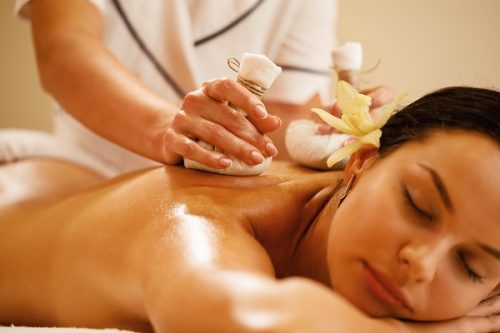
- Start slow: Begin with light, gentle strokes to warm up the muscles and get the recipient more relaxed.
- Be mindful of the pressure: Always adjust the pressure to the comfort of your recipient. Too much pressure will cause discomfort and will not be relaxing.
- Use your body weight and leverage: To avoid straining your own muscles, use your body weight and leverage to apply pressure, instead of relying on your own strength.
- Don’t forget to breathe: Massage can be a very calming and grounding experience for both the giver and the receiver. To help your recipient relax, make sure to keep your breathing steady and even.
- Pay attention to your recipient’s reactions: As you give the massage, pay attention to your recipient’s reactions. If they tense up, adjust the pressure. If they seem uncomfortable, stop and ask if they are okay.
- Make sure to cover all the key spots: To ensure that your recipient gets the most out of their massage, make sure to cover all the key spots. This includes the neck, shoulders, back, legs, feet, and hands.
- Don’t forget the finishing touches: To make the massage even more relaxing, finish it off with a few gentle strokes and a few minutes of quiet. This will help your recipient to relax and feel the full effects of the massage.
- Focus on giving the best massage ever: Remain mindful of your techniques and stay focused on giving the best massage ever. By practicing and perfecting your massage techniques, you can give a truly amazing massage experience to your recipient.
Frequently Asked Questions
What type of massage oil should I use?
Light oils like sweet almond or jojoba work well for most massages because they glide smoothly and suit most skin types. Thicker oils such as avocado offer more grip for deeper work, while arnica is often used for sore or athletic muscles.
How much pressure should I use while giving a massage?
Always start lightly and increase pressure slowly as the muscles warm and relax. If the person tenses or holds their breath, ease off — comfort is the best guide.
What techniques help relax someone during a massage?
Slow, steady strokes are the easiest way to calm the body, followed by gentle kneading once the muscles soften. Keeping a smooth rhythm and adjusting pressure as you go helps maintain a deeply relaxing flow.
Should I use different techniques on different body parts?
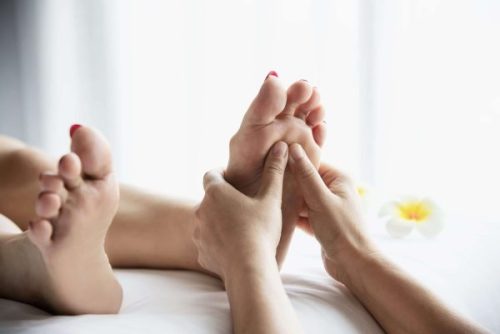
Yes — areas like the neck and shoulders respond well to small circular movements, while the back and legs benefit from longer, broader strokes. Hands, feet, and forearms relax best with slow, focused pressure.
Conclusion
Giving a massage is an art that requires patience and practice. With the right technique and a few tips, you can give an enjoyable massage that will leave your recipient feeling relaxed and rejuvenated. Remember to focus on the recipient’s comfort and use slow, gentle movements to help them relax and enjoy the experience.
📚 References
- Hopkins Medicine: How to Give a Relaxing Massage
- wikiHow: How to Give a Relaxing Massage
- Massage Therapy: What You Need To Know – NIH
Reviewed November 2025 by April Merrick, Wellness Editor
⚠️ Disclaimer:
This article is for informational purposes only and does not constitute medical advice. Always consult with a licensed healthcare provider or certified massage therapist before beginning any new treatment, especially if you have pre-existing health conditions or concerns.
About The Author