
Most people rush through shampooing without thinking much about their scalp. The shampoo goes on, there’s a quick scrub for 20 seconds before everything gets rinsed away without much attention being paid to the scalp itself.
A proper shampoo scalp massage can completely change the way your hair and scalp feel after washing. 💆♀️
Instead of aggressively scratching at your roots, a gentle massage while shampooing helps loosen oil, lift styling residue, stimulate circulation, and turn an ordinary shower into something far more relaxing. It’s one of those small habits that feels surprisingly luxurious once you start doing it properly.
The best part is that you don’t need expensive products or complicated techniques. A few extra minutes and the right pressure are usually enough to leave your scalp feeling cleaner, lighter, and healthier.
That fresh, airy feeling after rinsing your hair properly is often less about the shampoo itself and more about how well you cleansed the scalp underneath.
Quick Answer: How to Massage Your Scalp Properly While Shampooing
A shampoo scalp massage involves gently massaging shampoo into the scalp using your fingertips or a soft silicone scalp scrubber. Slow circular movements help improve scalp cleansing, remove excess oil and debris, stimulate circulation, and create a more relaxing shampoo routine.
Table of Contents
Why Your Scalp Deserves More Attention
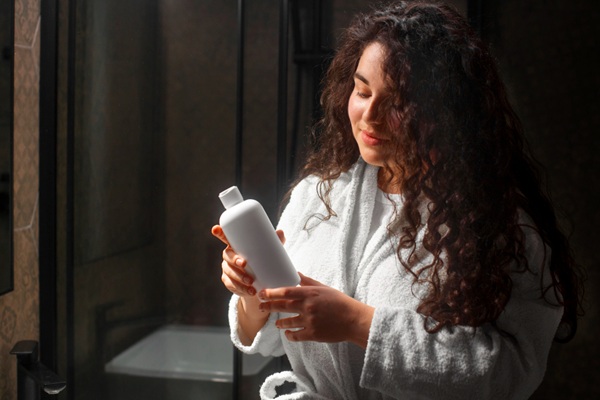
When people think about haircare, they usually focus on the hair itself. In reality, healthy-looking hair starts with the scalp.
Oil, sweat, dry skin, styling products, and environmental impurities all collect around the roots throughout the week. If you only wash the surface of your hair without properly cleansing the scalp, that residue can start making the hair feel heavier, itchier, or greasier much faster.
That’s where a shampoo scalp massage makes such a noticeable difference.
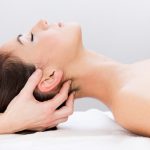
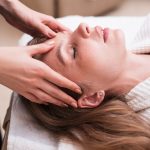
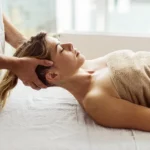
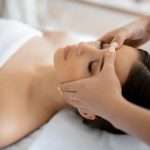
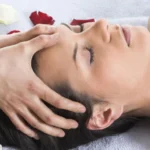
Using gentle pressure while shampooing helps lift scalp debris instead of simply moving shampoo around the hair lengths. It also stimulates the skin underneath, which many people find deeply relaxing — especially around the temples and the base of the skull where tension tends to build up after long days staring at screens or dealing with stress. 😌
People who struggle with scalp tightness or tension headaches often notice that even a few minutes of gentle massage in the shower helps them feel calmer afterward. If temple tension is something you deal with regularly, learning how to massage your temples properly can also help between washes.
According to the American Academy of Dermatology, gentle scalp care is generally preferred over aggressive scrubbing, particularly for sensitive scalps.
How to Do a Shampoo Scalp Massage Properly
The biggest mistake people make is scrubbing too hard.
Your scalp doesn’t need aggressive scratching to get clean. In fact, using your nails can irritate the skin and leave the scalp feeling sensitive afterward.
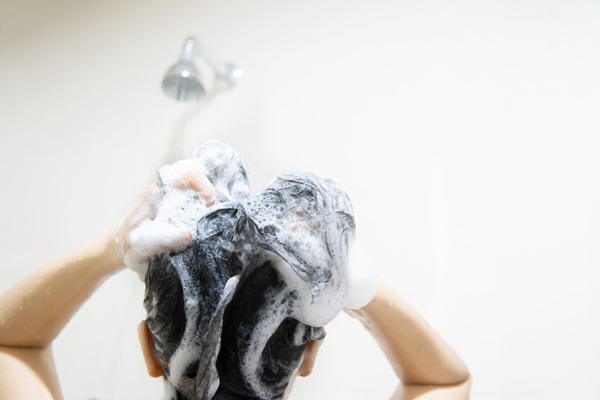
Instead, focus on using the soft pads of your fingertips. Once your hair is fully wet, apply a small amount of shampoo directly onto the scalp rather than the ends of the hair. From there, begin working in slow circular motions across the head.
Start near the hairline and gradually move backward toward the crown. Spend a little extra time around the temples, behind the ears, and near the base of the neck where tension often sits unnoticed.
The massage should feel calming rather than rough. You want to gently move the scalp under your fingers instead of aggressively rubbing the hair itself.
Even spending an extra two or three minutes doing this can make your scalp feel dramatically cleaner afterward, especially if you regularly use dry shampoo or styling products. If you enjoy relaxation-focused scalp care, our guide on how to give a good scalp massage goes deeper into massage techniques and pressure points.
If you already enjoy relaxation-focused techniques, our guide on how to give yourself a head massage pairs perfectly with this kind of scalp care routine.
Don’t Rush the Rinse
A surprising amount of shampoo residue gets left behind simply because people rinse too quickly.
After a shampoo scalp massage, spend time thoroughly rinsing through the roots, especially around thicker areas of hair. Leftover product can sometimes contribute to itchiness, dryness, or greasy roots not long after washing.
Lukewarm water usually works best. Extremely hot water might feel relaxing in the moment, but it can dry out the scalp and strip away too much natural oil over time.
That light, freshly-washed scalp feeling afterward is usually the sign of a really good cleanse rather than simply using more shampoo.
If your hair still feels heavy shortly after washing, there’s a good chance product residue is being left behind rather than the shampoo itself being the problem.
Should You Use a Shampoo Massage Brush?
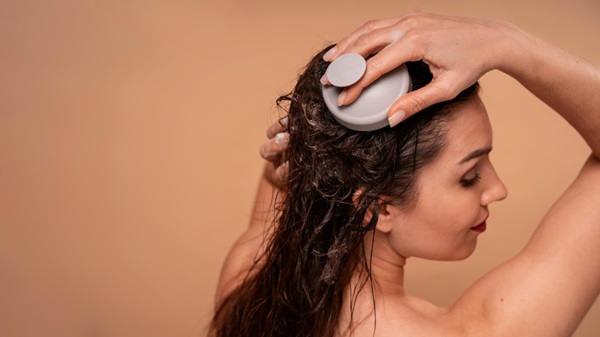
Silicone scalp scrubbers and shampoo massage brushes have become incredibly popular recently, and for good reason.
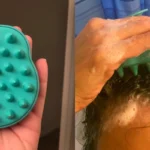
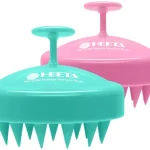
For some people, they make shampooing feel much easier and more effective, particularly if you have thicker hair or use a lot of styling products during the week. The soft silicone bristles help distribute shampoo more evenly while lightly exfoliating the scalp at the same time.
Some people also find that a shampoo massage brush creates a deeper scalp cleansing routine without needing harsh pressure from their fingertips. If you regularly use a silicone scalp scrubber or massage brush, it’s also important to know how to clean a scalp massager properly to avoid product buildup and bacteria over time.
That said, more pressure does not mean a better clean.
A scalp scrubber should glide gently across the scalp without digging into the skin. If your scalp feels sore, tight, or irritated afterward, you’re probably pressing too hard.
Some people still prefer using only their fingertips, especially if they have sensitive skin or wash their hair frequently. Both approaches can work well — it really comes down to what feels best for your scalp and hair type.
Can Shampoo Scalp Massage Help Hair Growth?
Scalp massage is often linked to hair growth discussions because massage helps stimulate circulation around the scalp. While it’s important not to overpromise results, maintaining a healthier scalp environment may support stronger-looking hair over time.
What a shampoo scalp massage definitely can do is help remove excess oil, reduce scalp buildup around the follicles, and improve the overall condition of the scalp. Some people also include daily scalp massage as part of their self-care routine to help reduce tension and maintain a healthier scalp environment.
Consistency matters far more than pressure. Scrubbing aggressively won’t make hair grow faster, and it can actually irritate the scalp instead.
Think of scalp massage as part of a healthy scalp care routine rather than a miracle treatment. For a deeper look at circulation, relaxation, and hair growth discussions, read our guide on scalp massage for hair growth.
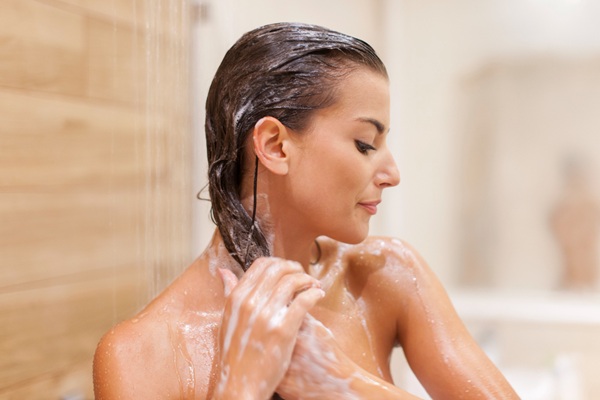
Common Shampooing Mistakes That Irritate the Scalp
A lot of scalp irritation actually comes from habits people don’t even realize they have.
Using too much shampoo is a common one. Excess product can be harder to rinse out properly and may leave the scalp feeling coated afterward. Another issue is washing too aggressively, particularly with fingernails, which can leave the skin tender and sensitive.
Some people also focus entirely on the hair strands while ignoring the scalp itself. Since oil and impurities mostly collect around the roots, the scalp deserves the most attention during washing.
Even water temperature can make a difference. Very hot showers may temporarily feel soothing, but they can dry the scalp out surprisingly quickly over time.
Learning how to shampoo your scalp properly is often less about using stronger products and more about improving your technique.
If scalp tension regularly leaves you feeling tight around the forehead or temples, you may also benefit from learning some simple headache pressure points between washes.
Turn Your Shower Into a Relaxing Ritual
One of the nicest things about a shampoo scalp massage is how easy it is to build into your routine. 🚿✨
You’re already washing your hair anyway, so slowing down for an extra few minutes costs nothing but can make the entire experience feel calmer and more therapeutic.
The relaxing sensation of warm water, slow circular pressure, and a cleaner scalp afterward can genuinely help you decompress after a stressful day. There’s actually a reason scalp massage feels so calming — gentle stimulation around the scalp and temples can help the body relax surprisingly quickly.
For many people, it becomes less about haircare and more about creating a small daily moment to unwind mentally.
Adding relaxing habits like this into your shower routine can sometimes make a bigger difference than constantly changing products or chasing the latest haircare trend.
Final Thoughts
A good shampoo scalp massage is one of the simplest ways to upgrade your haircare routine without buying expensive products or completely changing what you already use.
Gentle circular movements, proper rinsing, and slowing down during shampooing can help your scalp feel cleaner, fresher, and noticeably more relaxed afterward.
Whether you use your fingertips or a silicone scalp scrubber, the key is keeping the pressure gentle and consistent. Over time, those few extra minutes in the shower can make your scalp — and your overall routine — feel significantly better. 💆♀️
FAQs
Is a shampoo scalp massage good for your scalp?
Yes, gentle scalp massage while shampooing can help loosen buildup, improve circulation, and make the scalp feel cleaner and healthier. The key is using gentle pressure rather than aggressively scratching the skin.
Should you massage your scalp every time you shampoo?
For most people, gently massaging the scalp each time they shampoo is completely fine and can actually help the scalp feel healthier and cleaner over time. If your scalp becomes irritated or sensitive, simply reduce the pressure or frequency.
Are scalp scrubbers better than using your fingers?
Not necessarily. Some people love silicone scalp scrubbers because they help distribute shampoo and exfoliate buildup, while others prefer the gentler feel of using fingertips. Both methods can work well depending on your scalp type and hair thickness.
Can shampoo scalp massage help dandruff?
A gentle shampoo scalp massage may help loosen flakes and remove excess buildup, but dandruff can have different underlying causes. Persistent flaking or irritation may need targeted scalp treatments or advice from a healthcare professional.
How long should a shampoo scalp massage last?
Around two to five minutes is usually enough. You don’t need to scrub aggressively for a long time — slow, gentle massage tends to work best for scalp cleansing and relaxation.
Reviewed May 2026 by April Merrick, Wellness Editor
📚 References
- NCBI: Scalp Massage for Relaxation and Health
- Harvard Health Publishing: Massage for Stress Relief
- American Academy of Dermatology Association. “Healthy Hair and Scalp Care.”
- Healthline. “Scalp Massage for Hair Growth: Does It Really Work?”
- Johns Hopkins Medicine. “Hair Loss and Hair Thinning: Causes and Treatments.”
⚠️ Disclaimer:
This article is for informational purposes only and does not constitute medical advice. Always consult with a licensed healthcare provider or certified massage therapist before beginning any new treatment, especially if you have pre-existing health conditions or concerns.
About The Author