
If you’re looking for a simple way to relax, reduce facial tension, and support healthier-looking skin, a face massager can be a powerful addition to your routine. While often associated with skincare trends, facial massage is about much more than appearance — it helps improve circulation, ease muscle tension, and create a calming moment of self-care in your day 😊
When used correctly, a face massager can reduce puffiness, enhance the absorption of skincare products, and leave your skin feeling refreshed and revitalised. This guide will show you how to use a face massager properly, explain the different types available, and help you get the most benefit without irritating your skin.
Table of Contents
Benefits of Using a Face Massager
Facial massage has been practiced for centuries across many cultures, and modern face massagers simply make it easier to achieve consistent results at home.
One of the most noticeable benefits is improved circulation. Gentle massage encourages blood flow to the skin’s surface, helping deliver oxygen and nutrients that support a healthy, natural glow. Many people notice their skin looks brighter and more energised immediately after a session.
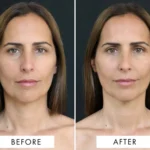
Face massagers can also help reduce puffiness, particularly around the eyes, cheeks, and jawline. By supporting lymphatic movement, excess fluid is encouraged away from the face, which can make features appear more sculpted and refreshed.
Beyond physical benefits, facial massage is deeply relaxing. Many people hold tension in their jaw, brow, and temples without realising it. Regular massage helps release this tension, which can ease headaches, jaw tightness, and overall stress levels 😌
With consistent use, facial massage may also support collagen production and skin elasticity. While it’s not a substitute for professional treatments, it can contribute to smoother-looking skin and improved texture over time.
Face Massage and Lymphatic Drainage
The lymphatic system plays a crucial role in removing waste, toxins, and excess fluid from the body. Unlike the circulatory system, it doesn’t have a pump and relies on gentle movement to function effectively.
Using a face massager with light, outward strokes helps encourage lymph flow toward drainage points around the ears, jawline, and neck. This is why facial massage is so effective for reducing morning puffiness or fluid retention, especially under the eyes 😊
Gentle facial massage also supports lymph movement, which is explored in more detail in our guide to lymphatic drainage massage, particularly for reducing puffiness and fluid retention.
For lymphatic benefits, pressure should always be light. Pressing too hard can restrict lymph flow rather than encourage it. Consistency and direction matter far more than intensity.
Types of Face Massagers
Face massagers come in a variety of forms, and choosing the right one depends on your skin type, comfort level, and goals.
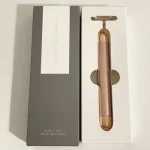
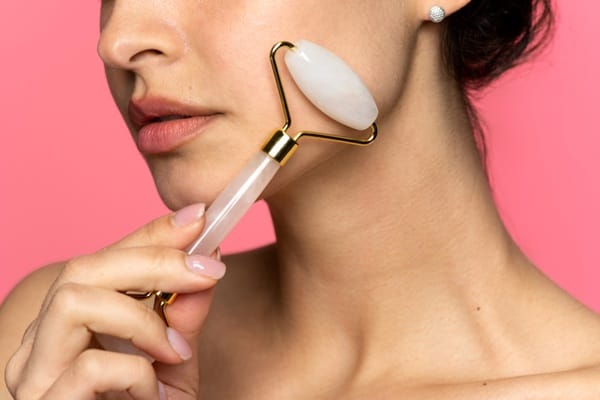
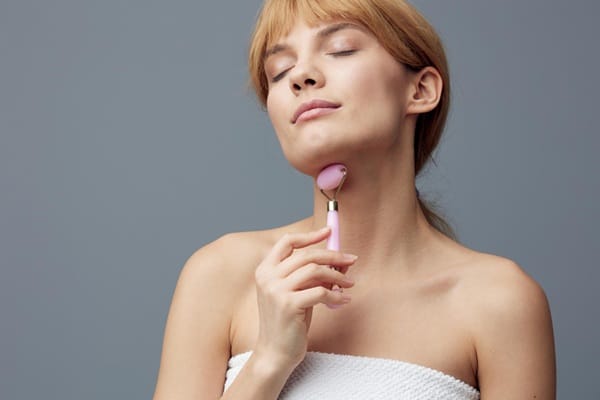
Manual face massagers, such as jade rollers or roller-ball tools, are simple and beginner-friendly. They allow full control over pressure and are ideal for relaxation and puffiness reduction.
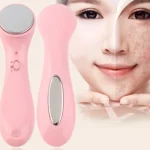
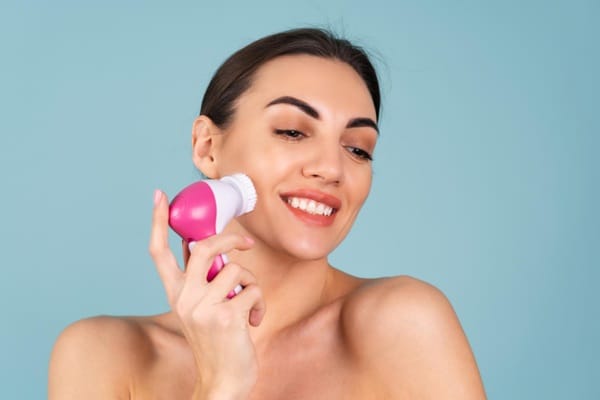
Vibrational face massagers use gentle vibrations to stimulate the skin and underlying tissues. These are popular for lymphatic drainage and stress relief with minimal effort.
Electric or microcurrent face massagers use low-level electrical stimulation to activate facial muscles. These devices are often used for firming and toning and are closer to professional-style treatments.
Some people prefer stone-based tools such as gua sha, which use slow, sculpting movements rather than vibration. You can learn more about this approach in our gua sha massage guide.
Preparing Your Skin Before a Face Massage
Preparation is essential for a safe and effective facial massage.
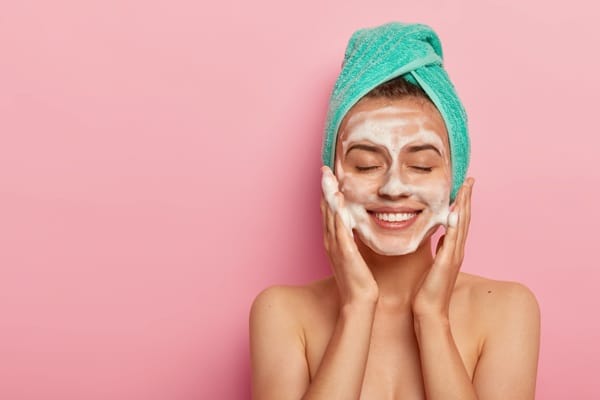
Start by cleansing your face thoroughly to remove makeup, sunscreen, oil, and impurities. A gentle cleanser is best, as harsh products can increase sensitivity during massage.
Next, apply a facial oil, serum, or moisturiser. This step creates slip, prevents tugging, and allows your face massager to glide smoothly across the skin. Dry massage can cause unnecessary friction and irritation.
If you’re using strong active ingredients such as retinol or exfoliating acids, apply them after your massage rather than before.
How to Massage Your Face Step by Step
Once your skin is prepared, the massage itself should feel slow, controlled, and relaxing — never rushed.
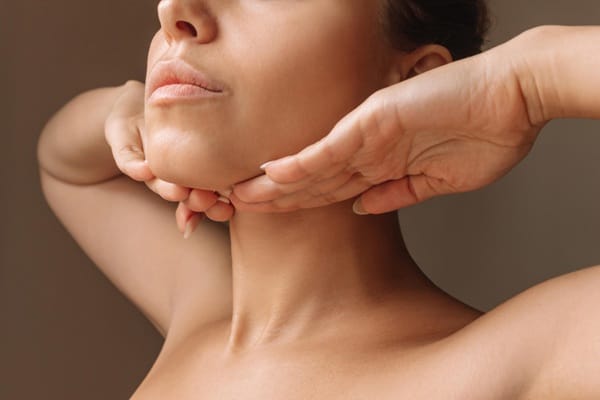
Begin at the chin and jawline, using upward strokes toward the ears. This area holds a surprising amount of tension, especially for people who clench their jaw or grind their teeth.
Move to the cheeks, working from the centre of the face outward. Gentle pressure is all that’s needed to stimulate circulation without stressing the skin.
Under the eyes, use the lightest pressure possible and glide outward toward the temples. This area responds best to slow, delicate movements.
Finish at the forehead, working from the brows upward and outward to help relax expression lines and release tension.
Spend five to ten minutes in total. Longer sessions don’t necessarily produce better results — consistency matters more.
If you want to explore hands-on techniques beyond tools, our guide to facial massage techniques explains how manual movements can complement face massager use and improve overall relaxation.
Quick Face Massage Recap (60 Seconds)
If you’re short on time, focus on three areas: start at the jawline to release tension, sweep outward across the cheeks to reduce puffiness, and finish with gentle strokes across the forehead. Even a few minutes can leave your face feeling calmer and refreshed 😊
For those interested in firmer-looking skin, our guide on how to do a face lift massage explains lifting techniques that focus on muscle tone and skin support, which can work well alongside a face massager.
Daily vs Weekly Face Massage — What’s Better?
How often you use a face massager depends on the type of tool and your skin’s sensitivity.
Manual tools like jade rollers or gua sha stones are generally safe for light daily use, especially if sessions are kept short.
Electric, vibrational, or microcurrent devices should usually be limited to one to three times per week. Overuse can overstimulate the skin and cause redness or irritation.
If your skin feels sore, sensitive, or unusually warm after massage, reduce frequency. Facial massage should always feel calming, not inflammatory.
Aftercare: What to Do After a Face Massage
After your massage, allow your skincare products to fully absorb before layering anything new.
Many people like to seal everything in with a lightweight moisturiser or facial oil to maintain hydration. Avoid applying strong actives immediately if your skin appears flushed.
Drinking water after facial massage can also support hydration and lymphatic movement from the inside out 💧
Face Massage Do’s and Don’ts
Do
- Cleanse your face before every session
- Use gentle, upward and outward strokes
- Apply a moisturiser or oil for slip
- Clean your face massager after each use
Don’t
- Press too hard on the skin
- Overuse electric devices
- Massage over active breakouts or infections
- Skip moisturising after your session
Common Mistakes to Avoid
One of the most common mistakes is using a face massager too often. Over-stimulation can lead to redness and irritation.
Using too much pressure is another frequent issue. Facial skin is delicate, and more force does not mean better results.
Failing to clean your face massager regularly can also lead to bacteria buildup and breakouts.
Finally, skipping moisturiser after massage can leave skin feeling dry or tight.
Frequently Asked Questions
What are the benefits of using a face massager?
A face massager helps improve circulation, reduce puffiness, relieve facial tension, and support healthier-looking skin. Regular use may improve skin texture and tone while promoting relaxation. Many people also find facial massage helps skincare products absorb more effectively, enhancing their overall routine.
Is a face massager safe for all skin types?
Face massagers are generally safe for most skin types, including oily, dry, combination, and sensitive skin. The key is choosing the right tool and using gentle pressure. People with sensitive or acne-prone skin should start slowly and avoid aggressive devices.
Which type of face massager is best for glowing skin?
Ultrasonic and microcurrent face massagers are often praised for promoting radiance by stimulating circulation and collagen production. Vibrational tools are a gentler option for lymphatic drainage, while manual rollers remain popular for their simplicity and low risk of overuse.
How often should I use a face massager?
Most people benefit from using a face massager one to three times per week. Manual tools may be used more frequently, while electric devices should be limited to avoid irritation. Always adjust frequency based on how your skin responds.
Can face massage help with jaw tension or teeth grinding?
Yes, facial massage can help relieve jaw tension caused by stress or teeth grinding. Gently massaging the jaw muscles and temples helps release tight fascia and improve blood flow. While it won’t replace dental treatment, it can reduce discomfort and tension-related headaches.
Is it better to use a face massager in the morning or at night?
Morning massage helps reduce puffiness and wake up the skin, while evening massage is ideal for relaxation and stress relief. Many people prefer night use as it pairs well with skincare routines and promotes calm before sleep 😌
Conclusion
A face massager can be a simple yet powerful tool for both skincare and stress relief. When used correctly, it supports circulation, reduces puffiness, and encourages relaxation — all while helping you slow down and reconnect with your body.
With gentle technique, consistent use, and proper aftercare, facial massage can become a calming ritual that benefits both your skin and your overall wellbeing 🌿
Reviewed January 2026 by John Winter, Wellness Editor
References
- Harvard Medical School: How to Take Care of Your Skin
- Clairns: How to Use Face Massage Tools for Lymphatic Drainage
- Medical News Today: Anti-aging face massage: Benefits and how to try
⚠️ Disclaimer:
This article is for informational purposes only and does not constitute medical advice. Always consult with a licensed healthcare provider or certified massage therapist before beginning any new treatment, especially if you have pre-existing health conditions or concerns.
About The Author