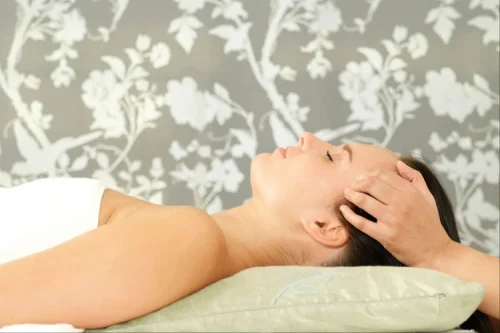
If you’ve ever wondered why neck massage feels good the moment someone places their hands on your shoulders, there’s real science behind it. The neck is one of the most sensitive and stress-loaded areas in the body, packed with tight muscles, trigger points, and nerves that respond instantly to touch. When these tissues finally relax, your brain releases calming chemicals, your circulation improves, and your body shifts out of stress mode.
In this guide, we’ll break down exactly why neck massage feels so satisfying, how it affects your muscles and nervous system, and why this simple treatment can create such deep physical and emotional relief. Once you understand why neck massage feels good, it becomes clear why even a short session can shift your entire body out of stress mode.
Table of Contents
What is a Neck Massage?
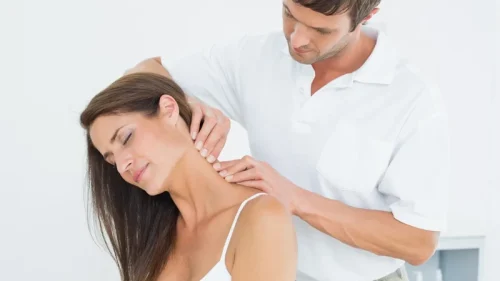
A neck massage targets the muscles and fascia surrounding the cervical spine, upper trapezius, levator scapulae, and suboccipital muscles. These areas tighten easily from stress, screen time, forward head posture, and daily strain. A combination of techniques — such as kneading, gliding strokes, compression, and gentle stretching — helps release tension, improve circulation, and activate the parasympathetic nervous system. According to Cleveland Clinic, massage may help reduce cortisol and ease muscle-related tension by activating the parasympathetic nervous system.
Because these muscles are so sensitive and overworked, even brief neck work can create a noticeable shift in comfort, mood, and mobility.
Benefits of a Neck Massage 💆♂️✨
A neck massage offers a mix of physical and mental benefits because it targets some of the most tension-prone muscles in the body. When these areas finally relax, circulation improves, the nervous system calms, and the entire upper body feels lighter and more mobile. 😊
Physical Benefits 🧘♂️
Reduces muscular tension
Massaging the neck releases tight muscles in the upper trapezius, levator scapulae, and surrounding tissues, easing stiffness and helping the head sit more comfortably on the shoulders.
Improves mobility and posture
Loosening chronically tight muscles can improve your range of motion and support better posture, especially if you deal with tech-neck or forward head posture. 📱
Boosts circulation and reduces inflammation
Improved blood flow brings oxygen and nutrients into overworked tissues, helping reduce inflammation and promoting natural healing. ❤️🩹
Relieves headaches
Trigger points in the neck often refer pain into the head, jaw, or behind the eyes. Releasing these points can lessen tension headaches and pressure around the skull. 🌿
Mental and Emotional Benefits 🌸
Reduces stress and anxiety
Slow, rhythmic strokes activate the parasympathetic nervous system, helping the body shift out of stress mode. This lowers cortisol and encourages deep relaxation. 😌
Improves mood and emotional balance
Neck massage can trigger the release of endorphins, dopamine, and serotonin — the body’s natural feel-good chemicals — helping lift mood and ease emotional tension. ✨
Supports better sleep
The calming effect on the nervous system makes it easier to unwind at night, improving sleep quality and reducing restlessness. 💤
Benefits of Regular Neck Massage 🔄
Regular neck massage can help maintain long-term neck health by preventing tension from building up. Over time, consistent treatments may:
- Reduce chronic neck or shoulder pain
- Improve flexibility and endurance of postural muscles
- Help manage stress more effectively
- Reduce the frequency of tension headaches
- Support better posture throughout daily activities 🌟
⭐ Why Neck Massage Feels Good
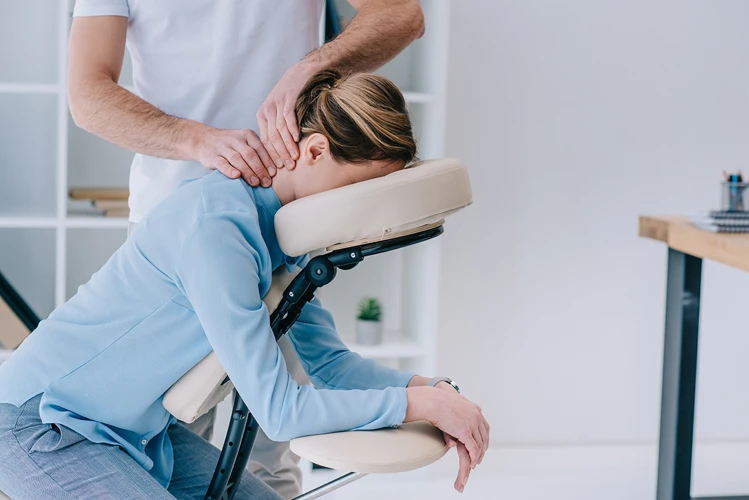
A neck massage feels good because it simultaneously affects your muscles, fascia, circulation, hormones, and nervous system — all in an area that carries a huge amount of daily stress. The neck and shoulders are home to the upper trapezius, levator scapulae, and suboccipital muscles, which tighten easily from posture, screen use, and emotional tension. When these muscles finally begin to release, the body experiences an immediate sense of ease.
1. It Releases Deep Muscular and Myofascial Tension
The neck holds more myofascial tension than almost any other part of the body. Gentle pressure softens tight fibers, breaks up small adhesions, and reduces trigger points that refer pain into the head, jaw, and shoulders. This physical release is one of the strongest reasons why neck massage feels good so quickly — the body interprets it as relief from built-up strain.
2. It Stimulates Pressure Receptors That Calm Your Nervous System
The skin and muscles of the neck contain highly sensitive mechanoreceptors. When they’re stimulated with slow, rhythmic touch, they send signals to the brain to activate the parasympathetic nervous system — your “rest and digest” mode. This lowers muscle guarding, slows breathing, and reduces cortisol, creating a deep sense of calm.
Many people feel their whole body soften even when only the neck is being worked on.
3. It Improves Blood Flow and Oxygen Delivery
Tight neck muscles restrict circulation. Massage boosts blood flow into the area, delivering oxygen and nutrients while flushing metabolic waste products. This warm, soothing rush of fresh circulation is another reason why neck massage feels good, especially if you experience tech-neck or long hours at a desk.
4. It Triggers Feel-Good Hormones
Neck massage can increase levels of:
- Endorphins (natural pain relievers)
- Serotonin (mood stabiliser)
- Dopamine (reward and pleasure)
This shift in body chemistry creates the floaty, comforting feeling many people describe after a neck rub — and explains why massage can improve both mood and mental clarity.
5. It Relieves Emotional Tension Stored in the Shoulders
The upper shoulders are one of the first places the body tightens in response to stress. When these muscles relax, emotional pressure often releases as well. This is why some people feel lighter, calmer, or even emotional after a neck massage — the body is letting go of physical and emotional holding patterns at the same time.
6. It Helps Correct Postural Stress
Forward head posture and rounded shoulders overstimulate the neck muscles, leaving them fatigued and achy. Massage helps reset these patterns by relaxing chronically tight tissues. Once these muscles finally “turn off,” the relief feels profound — another reason why neck massage feels good on such a deep level.
Types of Neck Massages
Swedish Neck Massage
Uses gentle kneading and flowing strokes to relax the upper trapezius and levator scapulae. Ideal for stress relief, tech-neck, and those sensitive to deeper pressure.
Deep Tissue Neck Massage
Targets deeper muscle layers and myofascial adhesions. Useful for chronic tightness, postural strain, and limited mobility.
Trigger Point Therapy
Focuses on tender knots that refer pain into the head, jaw, or shoulders. Effective for tension headaches and stubborn tight spots.
Hot Stone Neck Massage
Warm stones soften dense muscle tissue, helping reduce guarding and allowing deeper release with less discomfort.
How to Find a Good Massage Therapist
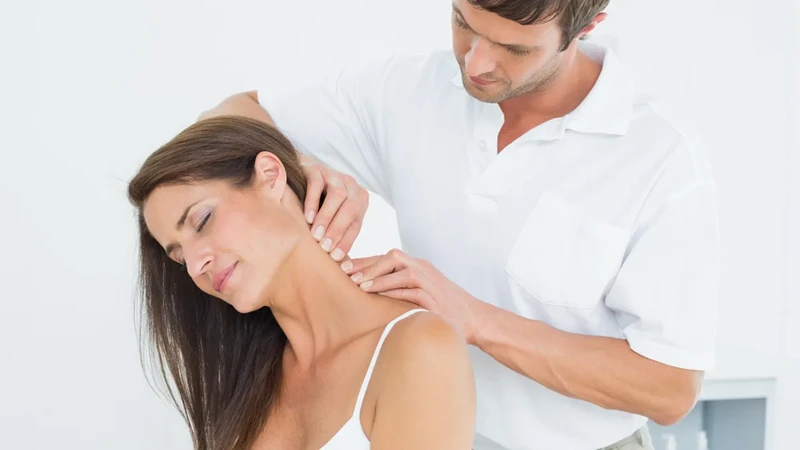
Finding a good massage therapist is essential to enjoying an invigorating and beneficial massage session. To find the right massage therapist, you should:
- Do your research: Look for massage therapists who specialize in your type of massage and who have the proper qualifications. Check reviews online and ask friends and family for recommendations.
- Talk to the therapist: Before booking an appointment, call the therapist and ask them about their experience and qualifications. Find out what type of massage they specialize in and discuss your needs and preferences.
- Visit the office: Before your appointment, take a look at the therapist’s office. Make sure the environment is clean and comfortable and that the therapist has the necessary equipment to provide a quality massage.
- Discuss your needs: During your appointment, make sure to discuss your needs and preferences with the therapist. Talk about your goals for the massage and any areas that may need extra attention.
By following these steps, you can ensure that you find the right massage therapist for your needs and get the most out of your massage session.
Massage Aftercare

| Activity | Benefits |
|---|---|
| Drink Water | Helps to flush out toxins released during massage |
| Avoid Heavy Meals | Eating a heavy meal shortly after a massage can cause nausea |
| Take a Relaxing Shower | Helps to reduce any stress or anxiety |
| Give Yourself Time to Rest | Helps the body to begin the healing process |
It is important to take care of your body after a massage. Aftercare activities such as drinking plenty of water, avoiding heavy meals, taking a relaxing shower, and giving yourself time to rest can help to reduce any stress or anxiety and help the body to begin the healing process.
Possible Risks and Complications
Neck massage can be beneficial, but it is important to be aware of any risks or complications before you proceed. As with any massage, there is the potential for certain problems to arise, including:
- Muscle soreness – As the muscles of the neck are manipulated, they can become sore afterwards. This is especially true if the massage is too deep or if the massage is done too often.
- Bruising – If the massage is too deep, it can cause bruising on the skin. This can be uncomfortable and can take several days to heal.
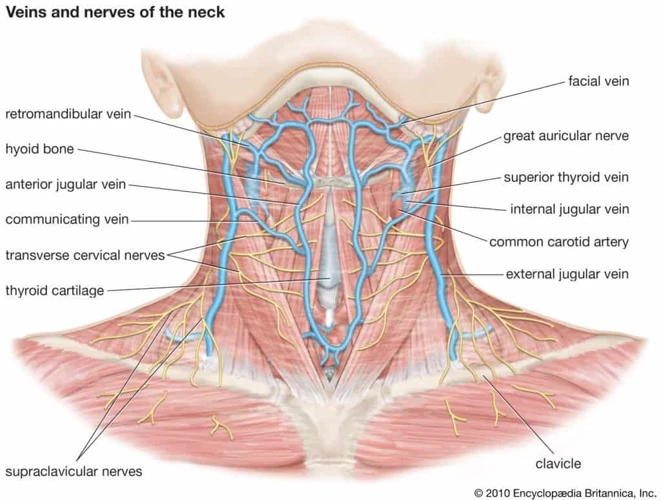
- Nerve damage – If the pressure of the massage is too intense, it can cause damage to the nerves in the neck. This can cause pain and numbness in the affected area.
- Injury – If the massage is done incorrectly, it can cause injury to the muscles and tendons in the neck. This can lead to long-term pain and discomfort.
It is important to speak to a qualified massage therapist before you proceed with a neck massage. They will be able to assess your individual needs and advise you on the best way to receive the full benefits of a neck massage without risking any potential risks or complications.
Frequently Asked Questions
How often should you get a neck massage?
The ideal frequency depends on your lifestyle, stress levels, and whether you’re dealing with chronic tension. Many people benefit from a neck massage every 3–4 weeks for general maintenance, while those with ongoing stiffness or headaches may benefit from weekly sessions for a short period. If you’re experiencing persistent pain, a therapist can help tailor a schedule that supports your posture, muscle health, and nervous system.
What are the benefits of neck massage?
Neck massage helps release tight muscles, improve circulation, and reduce the myofascial tension that contributes to stiffness and headaches. It also calms the nervous system, lowers stress hormones, and supports more restful sleep. Over time, regular neck massage may improve posture, reduce shoulder tension, and enhance overall mobility. Many people also report improved mood thanks to the release of endorphins and serotonin.
Are there any risks associated with neck massage?
Neck massage is generally safe when performed gently and correctly, but certain situations require caution. Too much pressure can irritate nerves or strain soft tissues, and individuals with dizziness, vascular conditions, recent injuries, or unexplained neck pain should consult a healthcare professional first. Avoid aggressive twisting or fast movements, and always communicate with your therapist about pressure and comfort.
What type of massage oil is best for neck massage?
Light, easily absorbed oils work best for the neck because they allow smooth movement without feeling heavy. Almond, jojoba, or fractionated coconut oil are great choices. Many people enjoy adding a drop of essential oil like lavender, chamomile, or eucalyptus for relaxation or cooling relief. Avoid thick oils that create drag or make it hard to maintain a steady glide across delicate neck tissues.
Why do I feel emotional after a neck massage?
Many people feel unexpectedly emotional after a neck massage because tension in the upper shoulders and neck often builds during periods of stress, worry, or overwhelm. When these muscles release and the parasympathetic nervous system activates, the body shifts out of “survival mode,” allowing stored tension and emotions to surface. This response is completely normal and often a sign that the body is finally relaxing and restoring balance.
Can neck massage help with headaches?
Yes. Many tension headaches are caused by tight muscles at the base of the skull, upper shoulders, and jaw. Neck massage helps by relaxing these muscles, improving circulation around the cervical spine, and releasing trigger points that refer pain into the head. Regular sessions may reduce headache frequency and intensity, especially for those with stress-related or posture-related headaches. If headaches change suddenly or worsen, consult a healthcare professional.
Final Thoughts
A neck massage is a great way to relax and reduce stress. It can also help to improve posture, decrease tension headaches, and reduce muscle pain and stiffness. With regular neck massage, you can experience improved sleep, increased energy, and an overall sense of wellbeing. Take the time to indulge in an invigorating neck massage to enjoy the full range of benefits.
If you’d like to learn more, explore our step-by-step guide: 👉 How to Massage the Head and Neck
Related Links
👉 How To Use a Smart Neck Massager: Treat Neck Pressure Points
👉 Neck Pain After a Massage? Here’s Why & How to Fix It
👉 Unlock Relief From Neck Crunches With Massage Therapy
👉 How to Massage the Head and Neck
👉How to Safely Use a Massage Gun on Your Neck
📚 References
- Healthline: What Are the Benefits of Neck Massage?
- Mayo Clinic: Massage: Get in touch with its many benefits
- Cleveland Clinic: For Relief, Pull the Trigger on a Trigger Point Massage
⚠️ Disclaimer:
This article is for informational purposes only and does not constitute medical advice. Always consult with a licensed healthcare provider or certified massage therapist before beginning any new treatment, especially if you have pre-existing health conditions or concerns.