

If you’re considering a deep tissue massage, it’s completely normal to feel a mix of curiosity and hesitation. Many people worry it will be painfully intense, while others assume it’s simply a firmer version of a relaxation massage. In reality, deep tissue massage is a very different experience — one that focuses on long-standing muscle tension, restricted movement, and deeper layers of connective tissue.
Knowing what to expect before, during, and after a deep tissue massage can help you feel more confident, communicate better with your therapist, and get far more value from your session 🙂.
Table of Contents
Expectations vs Reality: What Most People Get Wrong About Deep Tissue Massage
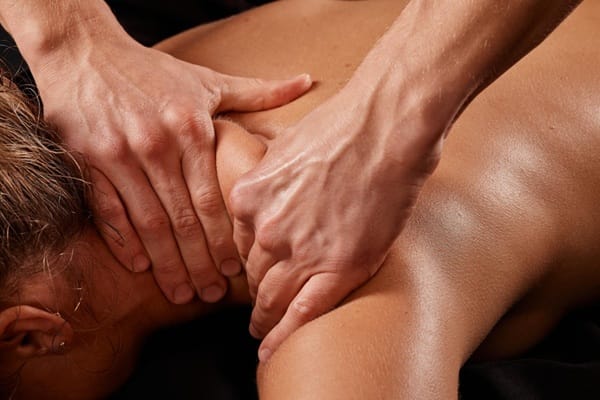
Many first-timers go into a deep tissue massage expecting one of two extremes — either a painful experience they need to “push through,” or a soothing massage that just happens to use more pressure 😬. The truth sits somewhere in between.
Deep tissue massage is intentional and targeted, not aggressive. While certain areas may feel uncomfortable at times, the goal is never to cause pain for its own sake. Instead, the therapist works slowly and deliberately to encourage tight or restricted tissue to release 🧠➡️💪.
A common misconception is that more pressure always equals better results. In practice, effective deep tissue massage depends just as much on timing, breathing, and nervous system response as it does on pressure. When your body feels safe enough to relax, deeper layers soften more easily — often with less discomfort overall 😌.
Understanding this ahead of time helps reduce anxiety and allows you to approach your session with realistic expectations, especially if it’s your first experience.
If you’re unsure whether deep tissue massage is the right choice, understanding the difference between Swedish and deep tissue massage can help you decide which style best suits your needs.
What Happens Before a Deep Tissue Massage
Most deep tissue massages begin with a short consultation 🗣️. This is more than a formality — it shapes how the entire session unfolds.
Your therapist may ask about:
- Areas of ongoing pain or tightness
- Previous injuries, surgeries, or medical conditions
- Daily habits such as desk work, sport, or repetitive movement
- Your comfort level with pressure
This conversation is important. Deep tissue massage isn’t about “pushing through pain.” It’s about working with your body so muscles can release safely and effectively 🤝.
Staying hydrated before your appointment can help tissues respond better to deeper work, and arriving a little early gives your body time to settle before treatment 💧🙂.
What a Deep Tissue Massage Feels Like During the Session
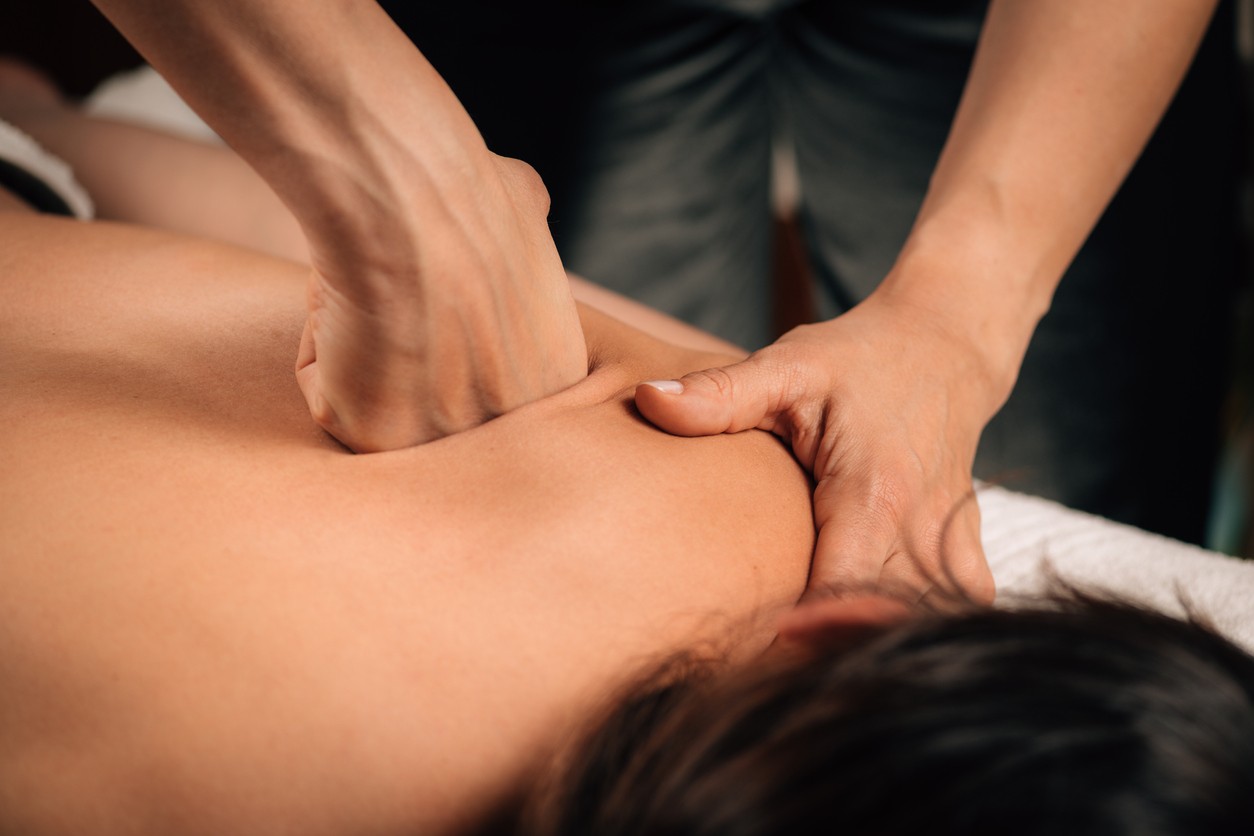
Deep tissue massage is typically slower and more deliberate than people expect ⏳. Instead of constant movement, the therapist often sinks gradually into the muscle and waits for the tissue to soften before moving deeper.
Pressure may be applied using:
- Hands and knuckles
- Forearms
- Elbows, especially for larger muscle groups
You may feel strong pressure, tenderness, or a dull ache — particularly in areas of long-standing tension. These sensations are often described as intense but manageable, rather than sharp or alarming 🔍.
Breathing plays a big role during the session. Slow, steady breaths help signal to your nervous system that it’s safe to relax, allowing deeper work without forcing the tissue 🌬️. If anything feels too intense, it’s important to speak up — pressure should always stay within your tolerance.
Does Deep Tissue Massage Hurt?
Some discomfort is common, especially if you have tight muscles, postural strain, or previous injuries ⚠️. However, pain should never feel sharp, panicked, or overwhelming.
During a deep tissue massage, it’s normal to experience:
- Strong pressure that eases as muscles release
- Tender or sensitive spots
- Temporary discomfort followed by relief 😮💨➡️🙂
It’s not normal to feel shooting pain, numbness, or to find yourself holding your breath just to tolerate the pressure. Deep tissue massage works best when your body can relax into the technique rather than brace against it 🧘♀️.
What Happens After a Deep Tissue Massage (First 24–72 Hours)
The after-effects of deep tissue massage often surprise first-timers more than the massage itself 😲. Because deeper layers of muscle and fascia are involved, it’s common to feel sore later that day or the following morning.
You may notice:
- Muscle tenderness similar to post-exercise soreness
- A heavy or fatigued feeling
- Increased thirst
- A sense of deep relaxation or sleepiness 😴
This response is part of the body’s natural adjustment process. Gentle movement, hydration, light stretching, and rest usually help ease soreness as tissues recover 🌿.
Some people also experience mild flu-like sensations or feel temporarily unwell after treatment 🤒. These reactions are usually short-lived and are explored further in our article on can a deep tissue massage make you sick.
Emotional and Nervous System Responses After Deep Tissue Massage
Deep tissue massage doesn’t just affect muscles — it also influences the nervous system 🧠. Many people are surprised to notice emotional or mental shifts after a session, even if they weren’t expecting them.
It’s not uncommon to feel:
- Deep calm or mental quiet 😌
- Unusual tiredness
- Emotional release or a sense of lightness
This happens because deep pressure can activate the body’s relaxation response, helping shift the nervous system out of a stress-driven state 🔄. When physical tension releases, emotional tension sometimes follows.
These responses are typically temporary and part of the body’s natural recalibration. Giving yourself time to rest and recover afterward can help integrate both the physical and emotional effects 💛.
What Results Can You Expect From Deep Tissue Massage?
Deep tissue massage isn’t designed to be a one-off fix, particularly for chronic tension or movement issues 🧩. While some people feel noticeable relief after a single session, results are often cumulative.
With ongoing care, people commonly report:
- Reduced muscle tightness
- Improved range of motion
- Fewer pain flare-ups
- Better body awareness and posture 🙌
How quickly you notice change depends on factors such as activity level, stress, injury history, and how consistently your body receives care.
First-Time Deep Tissue Massage vs Ongoing Sessions
Your first deep tissue massage often feels different from sessions that follow — and that’s completely normal 👍. The initial appointment is usually more exploratory, as the therapist assesses how your muscles respond to pressure and identifies areas of restriction.
Because tissues may not be accustomed to deeper work, soreness and sensitivity are more common after the first session. This doesn’t mean the massage was too strong — it simply reflects how your body adapts 🔄.
With ongoing sessions, many people notice:
- Less post-massage soreness
- Faster recovery times
- Greater tolerance to pressure
- More consistent improvements in comfort 📈
This progression is one reason deep tissue massage is often recommended as a series rather than a single treatment.
Proper recovery plays a big role in how your body responds in the days following treatment, and knowing how to recover from deep tissue massage can significantly reduce soreness.
How to Communicate During Your Deep Tissue Massage
Clear communication is one of the most important — and often overlooked — parts of a successful deep tissue massage 🗨️. Therapists rely on feedback to tailor pressure and technique to your body.
Helpful communication includes:
- Saying “less pressure” or “that spot feels too sharp”
- Describing sensations rather than pushing through discomfort
- Letting the therapist know if something feels numb, tingly, or concerning 🚨
A useful guideline is that discomfort should stay within a manageable, productive range. Most therapists genuinely appreciate feedback — it helps them work more effectively and safely 🤝.
Deep tissue massage works best as a collaboration, not a silent endurance test.
Is Deep Tissue Massage Right for Everyone?
While deep tissue massage can be highly effective, it isn’t suitable for every situation ⚠️. It may need to be avoided or modified if you have:
- Acute inflammation or infection
- Recent muscle tears or fractures
- Blood clotting disorders
- Certain circulatory conditions
If you’re unsure whether deep tissue massage is appropriate for you, a qualified therapist or healthcare provider can help guide that decision safely 🩺.
Simple actions like hydration, gentle movement, and rest can make a big difference — especially if you know exactly what to do after deep tissue massage.
Frequently Asked Questions
Is it normal to feel sore after a deep tissue massage?
Yes, mild to moderate soreness is common, especially after your first session or when long-standing tension is addressed. Soreness usually peaks within 24–48 hours and gradually fades. Drinking water, gentle movement, and rest can help your body recover more comfortably.
How long does it take to feel results?
Some people feel relief immediately, while others notice changes over several days as the body adapts. For chronic muscle tension, benefits often build gradually across multiple sessions rather than appearing all at once.
Should I do anything special after my massage?
Avoid intense exercise for at least 24 hours, stay hydrated, and allow your body time to rest. Gentle walking or stretching can support circulation and recovery. Knowing what to do after a deep tissue massage can help reduce soreness and improve results.
Is deep tissue massage meant to be relaxing?
Deep tissue massage is primarily therapeutic rather than soothing, but many people feel deeply relaxed afterward once tension releases. It isn’t a spa-style experience, though calm and clarity often follow.

Conclusion
Deep tissue massage can be a powerful tool for addressing persistent muscle tension, improving mobility, and supporting long-term physical wellbeing 💪. While it may feel intense at times, it should always be purposeful, controlled, and tailored to your body. Understanding what to expect allows you to relax into the process — and that’s where the real benefits begin 🌱.
📚 References
- The Effects of Massage Therapy on Pain and Anxiety in Patients With Cancer: A Systematic Review and Meta-Analysis of Randomized Controlled Trials
- Use of Massage Therapy in Pain Management: A Systematic Review
- Massage – Wikipedia
⚠️ Disclaimer:
This article is for informational purposes only and does not constitute medical advice. Always consult with a licensed healthcare provider or certified massage therapist before beginning any new treatment, especially if you have pre-existing health conditions or concerns.
About The Author