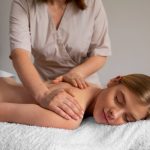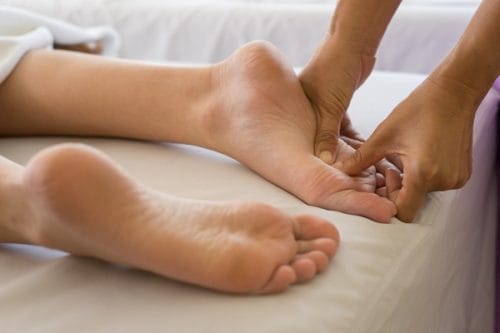
Shiatsu foot massage is a deeply grounding therapy rooted in traditional Japanese healing practices and is often used to support relaxation, circulation, and overall wellbeing 🌿. While it may feel like a simple foot massage on the surface, shiatsu foot massage works on a much deeper level—helping to calm the nervous system, release built-up tension, and restore balance throughout the body.
By applying focused pressure to specific points on the feet, shiatsu foot massage stimulates the body’s energy pathways and encourages its natural healing response. Many people turn to shiatsu foot massage not only for sore or tired feet, but also for stress relief, better sleep, improved energy levels, and a greater sense of physical and emotional balance 😊.
In this guide, you’ll learn what shiatsu foot massage is, how it works, its benefits, how often it’s best used, and what to expect—whether you’re visiting a practitioner or using a shiatsu foot massager at home.
Table of Contents
What Is Shiatsu Foot Massage?
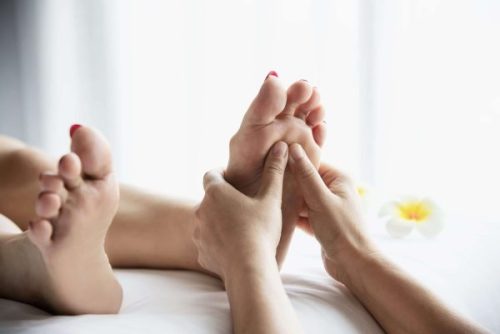
Shiatsu foot massage is a form of Japanese bodywork based on the principles of traditional Eastern medicine. The word shiatsu translates to “finger pressure,” which reflects the core technique used throughout the practice. Instead of long, flowing strokes or oils, shiatsu relies on sustained, rhythmic pressure applied with the thumbs, fingers, palms, and occasionally elbows.
When focused on the feet, shiatsu foot massage overlaps closely with foot reflexology, which concentrates on reflex points believed to correspond with organs and body systems throughout the body. By stimulating these points, shiatsu foot massage aims to support balance and promote the body’s own healing mechanisms.
Unlike many Western massage styles, shiatsu is typically performed without lotions and often directly on bare feet. The pressure is intentional and controlled, designed to relax tension while encouraging energy flow rather than forcing muscles to release.
How Does Shiatsu Foot Massage Work?
Shiatsu foot massage works by engaging both the physical body and the nervous system. From a physical perspective, applying pressure to the muscles, connective tissue, and nerves of the feet helps increase blood circulation and reduce muscular tension. Improved circulation allows oxygen and nutrients to reach tissues more efficiently, which can ease discomfort and support recovery 👣.
From a traditional Japanese medicine viewpoint, shiatsu foot massage works along energy pathways known as meridians. When energy flow becomes blocked or imbalanced, it may contribute to pain, fatigue, or illness. By stimulating specific points on the feet, shiatsu foot massage helps clear these blockages and restore equilibrium.
Shiatsu also has a powerful calming effect on the nervous system. The slow, steady pressure activates the parasympathetic response—often referred to as the “rest and digest” state. This shift can reduce stress hormones, lower heart rate, and create a deep sense of relaxation 😌.
Benefits of Shiatsu Foot Massage
Shiatsu foot massage offers benefits that extend well beyond the feet themselves. Many people notice immediate relaxation after a session, while others experience gradual improvements with regular use.
One of the most widely reported benefits is improved circulation. By stimulating the feet and lower legs, shiatsu foot massage encourages healthy blood flow throughout the body, which can reduce feelings of heaviness and fatigue. Better circulation also supports muscle recovery and tissue health.
Stress relief is another key benefit. Shiatsu’s rhythmic pressure helps calm the mind and release tension held in the body. Over time, this may lead to improved mood, reduced anxiety, and better emotional balance 💆♀️. For those who struggle with sleep, shiatsu foot massage may help by relaxing the nervous system and preparing the body for rest.
Shiatsu foot massage is also frequently used to relieve foot pain and discomfort. Conditions such as plantar fasciitis, tight arches, sore heels, and general foot fatigue may respond well to regular sessions. In some cases, massage techniques used for plantar fasciitis massage can complement shiatsu foot massage as part of a broader care approach.
Many people incorporate shiatsu foot massage into their regular self-care routine to manage stress, improve foot comfort, and support whole-body balance ✨.
Shiatsu Foot Massage Techniques Explained
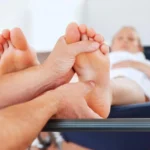
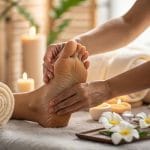
Shiatsu foot massage involves pressure-based techniques rather than fast or sweeping movements. Practitioners apply steady pressure using their thumbs and fingers along the soles of the feet, focusing on reflex points connected to different areas of the body.
Pressure is typically held for several seconds at a time, allowing the tissue to soften gradually. Gentle kneading and rolling movements may be used to warm the muscles, while stretching techniques help improve mobility in the toes and ankles.
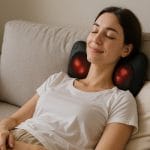
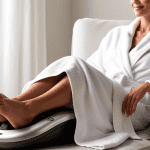
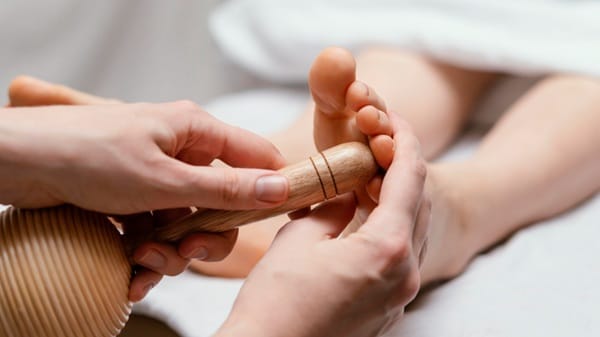
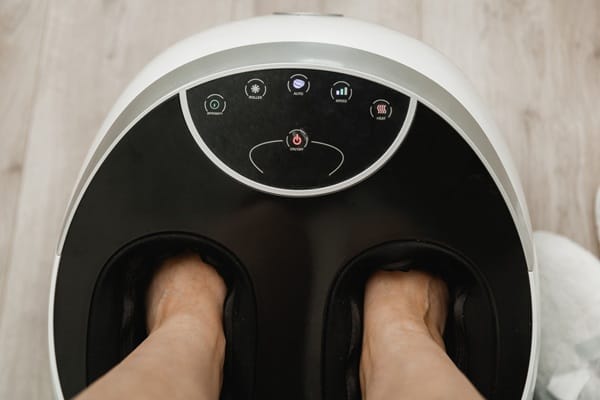
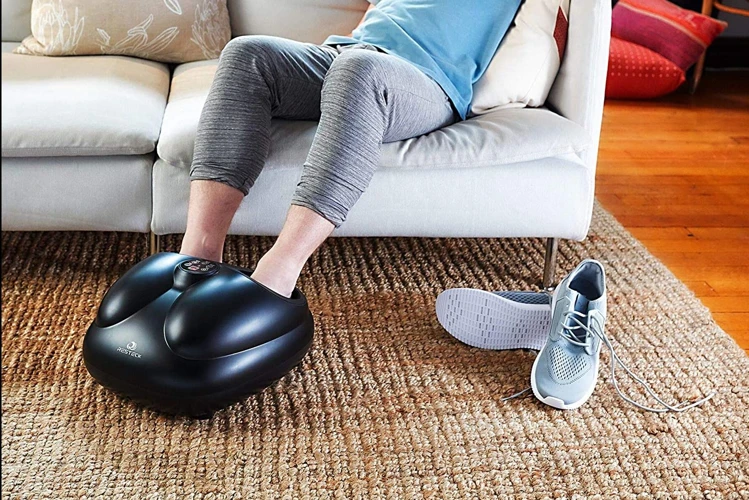
In some treatments, practitioners may use simple tools such as wooden sticks or smooth stones to reach deeper points. At home, shiatsu foot massagers replicate these techniques using rotating nodes, compression, and sometimes heat to simulate hands-on pressure 🔄.
Communication is important during shiatsu foot massage. The pressure should feel therapeutic and purposeful, not sharp or overwhelming.
If you’re interested in learning how to give a good foot massage, understanding shiatsu principles can help you apply pressure more intentionally and effectively.
How Much Is a Shiatsu Foot Massager?
For those who prefer self-care at home, shiatsu foot massage can be performed using a therapeutic foot massager designed to mimic hands-on pressure. These devices are available in a wide range of styles and price points.
Entry-level models typically offer basic rotating pressure, while more advanced devices include adjustable intensity, compression, and optional heat. Prices generally range from around $50 for simple models to $400 for high-end machines.
Choosing the right shiatsu foot massager depends on how often you plan to use it and which features matter most to you 🔥.

How Often Should You Get a Shiatsu Foot Massage?
The ideal frequency for shiatsu foot massage depends on your individual needs and goals. For people dealing with chronic foot pain, stress, or fatigue, more frequent sessions—several times per week—may provide noticeable relief.
If your goal is relaxation and maintenance, a weekly or fortnightly session is often enough to support circulation and reduce everyday tension. Understanding how often to get a foot massage can help you build a routine that supports recovery without overdoing it 🌱.
Listening to your body is key. Shiatsu foot massage should leave you feeling relaxed and refreshed, not sore or depleted.
Who Should Not Get a Shiatsu Foot Massage?
While shiatsu foot massage is considered safe for most people, certain individuals should proceed with caution or avoid it altogether. Pregnant women, particularly in early pregnancy, should consult a healthcare provider before receiving shiatsu.
People with severe circulatory disorders, nerve damage, advanced heart disease, or cancer should also seek medical advice before treatment. Shiatsu foot massage is not recommended for areas with fractures, open wounds, infections, or severe skin conditions affecting the feet 🩺.
Potential Side Effects of Shiatsu Foot Massage
Most people tolerate shiatsu foot massage very well, especially when pressure is adjusted to comfort level. However, mild side effects can occasionally occur.
Temporary soreness or tenderness may appear after deeper pressure, particularly if the feet were very tight beforehand. Light bruising is possible but uncommon when techniques are applied correctly. Some people feel tired or emotionally relaxed after a session, which is a normal response as the body enters a restorative state 😴.
These effects typically resolve within 24 to 48 hours.
Preparing for a Shiatsu Foot Massage
Preparing for a shiatsu foot massage helps ensure a comfortable and effective session. Choose a quiet, warm environment where you can fully relax. Removing shoes and socks and washing your feet beforehand is recommended.
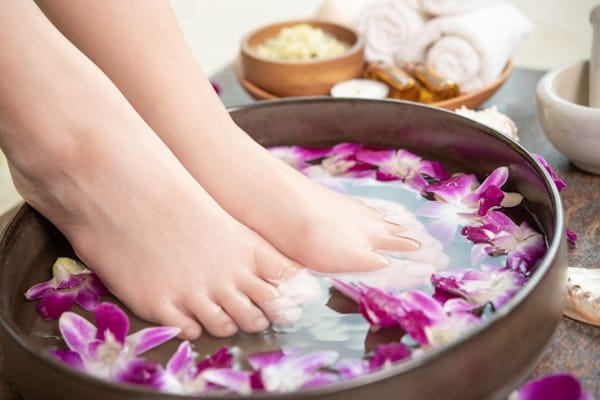
Many people enjoy starting with a warm foot soak, which helps soften tissues and promote relaxation. Essential oils such as lavender or rosemary can enhance the experience 🌸.
After the session, take a few moments to rest and drink water to support circulation.
Shiatsu Foot Massage vs Reflexology
Shiatsu foot massage and reflexology share similarities, but they differ in approach. Shiatsu works with the body as a whole, focusing on energy pathways, muscular tension, and nervous system balance. Reflexology is more targeted, concentrating on specific reflex points linked to individual organs or systems.
Many people find the two therapies complementary, and both can be effective depending on personal preference and wellness goals 🤍.
Frequently Asked Questions
What are the health benefits of shiatsu foot massage?
Shiatsu foot massage supports relaxation, circulation, and overall wellbeing by stimulating reflex points and calming the nervous system. It may help relieve foot pain, reduce stress, improve sleep quality, and promote balance throughout the body when practiced regularly.
Is shiatsu foot massage safe for everyone?
Shiatsu foot massage is generally safe for healthy adults. People who are pregnant or have serious medical conditions, circulatory issues, or nerve damage should consult a healthcare provider before receiving treatment.
How often should I receive a shiatsu foot massage?
Some people benefit from several sessions per week for pain or stress relief, while others find weekly or monthly sessions sufficient for maintenance and relaxation.
Are there any side effects of shiatsu foot massage?
Mild soreness, tenderness, or fatigue may occur after a session, especially with deeper pressure. These effects are usually temporary.
Conclusion
Shiatsu foot massage is a powerful yet gentle therapy that supports both physical and emotional wellbeing. By stimulating reflex points and encouraging deep relaxation, it helps the body restore balance naturally—starting from the feet and working outward 👣. When practiced regularly, shiatsu foot massage can become a simple yet effective way to support comfort, relaxation, and whole-body wellness.
📚 References
- Healthline – 14 Ways to Give a Leg Massage — and When Not To
- National Institute of Health – The effects of foot reflexology on blood pressure and heart rate: A randomized clinical trial in stage‐2 hypertensive patients
- Cleveland Clinic – Reflexology: What It Is, and Does It Work?
- WebMD – Health Benefits of a Foot Massage
⚠️ Disclaimer:
This article is for informational purposes only and does not constitute medical advice. Always consult with a licensed healthcare provider or certified massage therapist before beginning any new treatment, especially if you have pre-existing health conditions or concerns.