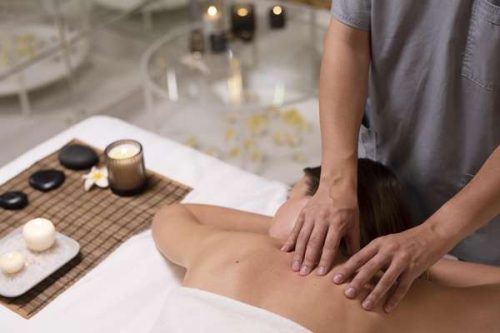
Therapeutic massage therapy is one of the most popular forms of massage treatment, yet many people still aren’t exactly sure what makes it different from a standard relaxation massage. Some assume it’s simply a fancy name for a spa massage, while others think it always involves painful deep tissue work.
In reality, therapeutic massage therapy combines relaxation with targeted muscular treatment to help reduce stress, relieve pain, improve mobility, and support overall physical wellbeing. 😌
For some people, therapeutic massage becomes part of their regular self-care routine. Others seek it out when headaches, tight shoulders, lower back pain, or everyday stress start affecting how they feel physically and mentally.
Whether you’re spending long hours at a desk, recovering after workouts, dealing with chronic muscle tightness, or simply feeling overwhelmed, therapeutic massage therapy aims to help the body function and feel better.
Quick Answer: What Is Therapeutic Massage Therapy?
Therapeutic massage therapy is a massage treatment designed to relieve muscle tension, reduce stress, improve circulation, and support pain relief. It combines relaxation techniques with targeted muscle work to help the body recover, move more comfortably, and improve overall wellbeing.
Table of Contents
What Is Therapeutic Massage Therapy?
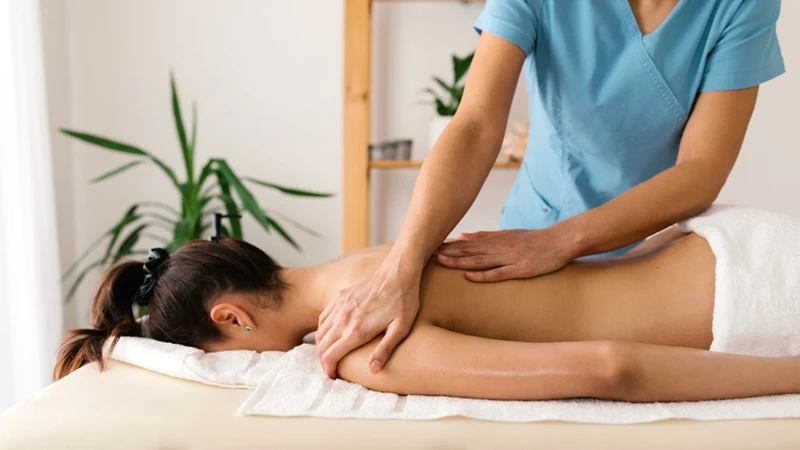
Therapeutic massage therapy is a structured form of massage designed to produce measurable physical benefits rather than only relaxation. While relaxation is still an important part of the experience, therapeutic massage is more focused on addressing muscular tension, stiffness, discomfort, and movement restrictions.
A therapist will often tailor the treatment based on what your body needs most. Someone with stress-related shoulder tension may receive slower relaxation-based work combined with focused pressure through the neck and upper back. Another person recovering from intense training may need deeper muscle work to improve mobility and reduce tightness.
This flexibility is one reason therapeutic massage appeals to such a wide range of people. It isn’t limited to athletes or injury recovery. Office workers, parents, tradies, older adults, and highly stressed individuals commonly benefit from treatment as well.
Unlike some spa-style massages that follow a fixed routine, therapeutic massage is usually more individualized. The therapist adapts pressure, techniques, and focus areas throughout the session depending on how your muscles respond.
How Therapeutic Massage Works
The body tends to hold stress physically. Tight shoulders, clenched jaws, headaches, stiff hips, and aching lower backs are often signs that muscles and connective tissues are under ongoing strain.
Therapeutic massage works by applying controlled pressure and movement to muscles, fascia, tendons, and soft tissues throughout the body. This stimulation encourages circulation and may help reduce muscular tightness while improving movement and flexibility.
Many people notice that areas holding chronic tension feel warmer and looser after treatment. Improved blood flow can help carry oxygen and nutrients through tight tissues while supporting the body’s natural recovery processes.
Massage also influences the nervous system. Slow, rhythmic touch helps activate the parasympathetic nervous system — the body’s “rest and recover” mode. This is why many people feel mentally calmer during and after a massage session. 🌿
Stress hormones may decrease while the body physically relaxes. Breathing often becomes deeper and slower, which can further help reduce feelings of tension and anxiety.
Over time, regular therapeutic massage may help improve mobility, flexibility, posture awareness, muscle recovery, stress management, and overall physical comfort.
But the biggest benefit for many people is simple: they feel better in their own body afterward.
Benefits of Therapeutic Massage Therapy
One reason therapeutic massage therapy continues growing in popularity is because the benefits often extend far beyond temporary relaxation.
According to the Cleveland Clinic, massage therapy may help reduce stress, relieve muscle tension, and promote relaxation while supporting overall wellness.

Relieves Muscle Tension
This is the main reason most people book a therapeutic massage. Modern lifestyles place enormous stress on the body. Sitting at desks, staring at screens, repetitive work movements, poor posture, gym training, parenting, and emotional stress can all create muscular tightness over time.
Therapeutic massage helps loosen these tense areas and reduce the feeling of stiffness that builds up through daily life.
Common treatment areas include the shoulders, neck, lower back, hips, legs, and upper back. People struggling with persistent upper-body tension may also benefit from learning simple back massage techniques.
Helps Reduce Stress and Anxiety
Stress doesn’t only affect the mind — it affects the body too.
Many people carry stress physically without realizing it. They develop tension headaches, sore shoulders, shallow breathing patterns, jaw tightness, or constant fatigue.
Therapeutic massage creates an environment where the body can finally relax. The calming effects of touch, combined with reduced muscular tension, often leave people feeling emotionally lighter after treatment.
Even one massage session can create a noticeable sense of calm. 😌
May Improve Sleep Quality
When the body is tense and stressed, sleep often suffers.
Therapeutic massage may help improve sleep by reducing physical discomfort and calming the nervous system. Many people report sleeping more deeply after treatment, particularly if stress or muscular pain has been affecting their rest.
Relaxation-focused techniques like swedish massage are especially popular among people using massage to unwind before sleep.
Supports Exercise Recovery
Athletes and active individuals frequently use therapeutic massage as part of their recovery routine.
Exercise creates microscopic stress within muscles. While recovery is a natural process, tightness and soreness can sometimes linger longer than expected.
Massage may help reduce feelings of post-exercise stiffness while improving circulation and flexibility. It can also help active people maintain mobility and movement quality over time.
Recovery-focused massage techniques can also complement tools like percussion devices, especially when used correctly on tight muscle groups. Best handheld back massager explores some of the most popular options.
If you use recovery tools at home, you may also want to read how to use massage gun on lower back.
May Help Reduce Headaches
Tension headaches are commonly linked to tight muscles around the neck, shoulders, scalp, and upper back.
Therapeutic massage may help decrease muscular tension in these areas, which can sometimes reduce headache frequency or intensity.
People who spend long hours sitting at desks or working on computers often notice significant relief after focused upper-body treatment.
Can Improve Mobility and Flexibility
Restricted muscles and connective tissue can affect how freely the body moves. This may lead to stiffness, discomfort, or compensatory movement patterns over time.
Therapeutic massage helps loosen tight tissues and improve range of motion, particularly when combined with stretching, movement, and regular physical activity.
People dealing with ongoing stiffness often combine therapeutic massage with home recovery techniques like how to massage your own back at home.
Many people find movement feels smoother and more natural after consistent treatment.
Signs You May Benefit From Therapeutic Massage
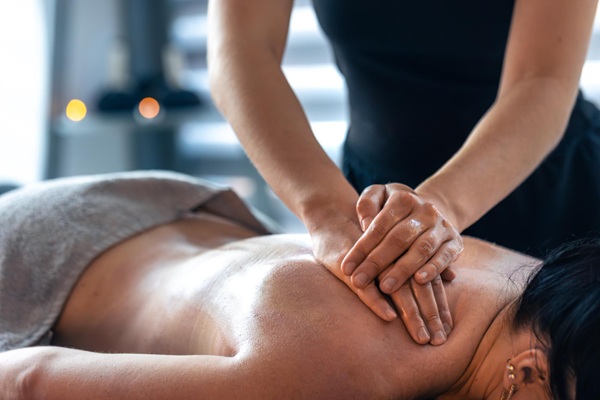
Many people wait until pain becomes severe before booking a massage, but ongoing tension often builds gradually over time.
You may benefit from therapeutic massage therapy if you regularly deal with chronic stiffness, stress headaches, shoulder tension, lower back discomfort, poor posture, reduced flexibility, or muscle soreness after exercise. Many people notice these issues gradually build until everyday movement starts feeling uncomfortable or restrictive.
| Symptom | How Massage May Help |
|---|---|
| Tight shoulders | Releases muscular tension |
| Stress headaches | Relaxes neck and scalp muscles |
| Lower back stiffness | Improves mobility and circulation |
| Muscle soreness | Supports recovery |
| Stress and anxiety | Calms the nervous system |
People dealing with these issues often notice that regular massage helps them feel more comfortable, mobile, and physically balanced. 🌿
Common Types of Therapeutic Massage
Therapeutic massage isn’t one specific technique. It’s a broad category that includes multiple massage styles depending on the goals of the treatment.
Swedish massage is one of the most common approaches. It uses flowing strokes, kneading, and rhythmic movements designed to relax the body while improving circulation. This style is ideal for people seeking stress relief or gentler muscular work.
Deep tissue massage focuses on deeper layers of muscle and connective tissue. Therapists use slower, firmer pressure to work through chronic tightness, postural tension, and stubborn muscular knots. Although it can feel intense, effective deep tissue work shouldn’t feel overwhelmingly painful.
Remedial massage is often more assessment-driven and focused on specific muscular dysfunction or injury management. Sessions may include trigger point therapy, stretching, mobility work, and targeted muscular treatment. More information can be found in this article on remedial massage.
Lymphatic drainage massage is another therapeutic approach, although it uses much lighter pressure. This style focuses on supporting lymph flow and reducing fluid retention. It’s commonly used after surgery, during recovery, or when swelling is present. Learn more in lymphatic drainage massage.
What Happens During a Therapeutic Massage?
If you’ve never booked a therapeutic massage before, the experience is usually straightforward and comfortable.
Most sessions begin with a brief consultation where the therapist discusses your tension areas, previous injuries, stress levels, and pressure preferences.
You’ll then lie on a massage table while properly covered with towels or sheets for comfort and privacy.
Depending on your goals, the therapist may focus on specific areas like the neck, shoulders, back, hips, or legs. Some sessions involve full-body therapeutic body massage, while others concentrate mainly on problem areas.
Communication is important throughout the massage. Pressure should feel effective without becoming unbearable. A good therapist will adjust techniques based on your comfort level and how your body responds during the session.
Many people leave feeling physically lighter, calmer, and more relaxed than when they arrived. 🌿
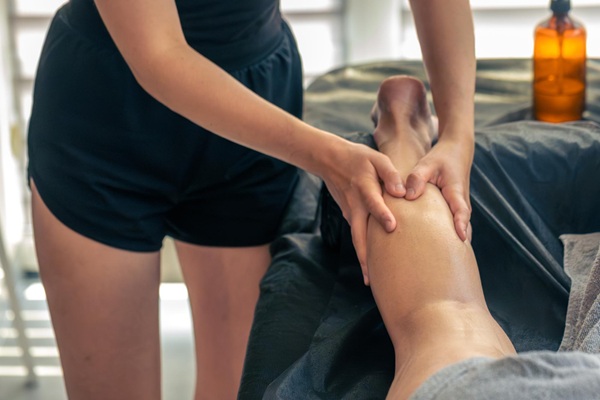
Is Therapeutic Massage Painful?
One of the biggest misconceptions about therapeutic massage is that it has to hurt to work.
While some techniques can feel intense — especially when targeting tight muscles or trigger points — massage should never feel aggressively painful.
There’s a difference between productive pressure and excessive discomfort.
Deep pressure treatments sometimes leave muscles temporarily tender afterward. Why am I sore after a massage explains why post-massage soreness can happen and how to reduce it.
Drinking water, gentle movement, and light stretching after treatment may help reduce temporary soreness. 💧
Therapeutic Massage vs Relaxation Massage
Relaxation massage and therapeutic massage overlap in some ways, but they aren’t exactly the same.
Relaxation massage focuses mainly on calming the body and creating a soothing experience. Pressure is typically lighter and less targeted.
Therapeutic massage still promotes relaxation, but it’s usually more focused on physical outcomes such as relieving muscular tension, improving mobility, supporting recovery, reducing pain, and improving posture.
You can think of therapeutic massage as relaxation massage with a more specific physical purpose.
Who Can Benefit From Therapeutic Massage?
Therapeutic massage can benefit almost anyone dealing with physical tension, stress, or muscular discomfort.
Office workers often seek treatment for posture-related pain and tight shoulders. Athletes and gym-goers commonly use massage for recovery and mobility work. Parents and busy professionals may benefit from the stress-relieving effects, while older adults often appreciate improved movement and reduced stiffness.
Even people without major pain often find regular massage helps them feel more balanced physically and mentally.
When You Should Avoid Therapeutic Massage
Although massage is generally safe, there are situations where caution is important.
You should speak with a healthcare professional before massage if you have a fever, infection, blood clotting issues, severe inflammation, recent fractures, contagious skin conditions, or uncontrolled medical conditions.
Pregnant individuals should also seek therapists trained in prenatal massage techniques.
Frequently Asked Questions
Is therapeutic body massage therapy painful?
It may involve firm pressure, but it should never be intolerable. Communicate with your therapist to adjust the intensity.
Is it covered by insurance?
Some plans, especially in Canada or through U.S. HSAs/FSAs, may offer partial reimbursement. Check with your provider.
Is it safe to receive a therapeutic body massage while pregnant?
Yes: It is generally safe to receive a therapeutic massage while pregnant. However, it is important to consult a qualified healthcare professional to ensure that you are choosing the right therapist and techniques.
Benefits: A therapeutic massage during pregnancy can help reduce stress, tension and fatigue, as well as help improve blood circulation, reduce joint pain and improve relaxation.
Technique: Therapeutic massage techniques used during pregnancy should be gentle and slow, without deep tissue work. It is important to use massage oils that are specifically designed for pregnant women.
Safety: It is important to ensure that the therapist is qualified and experienced in working with pregnant women, and that the massage is done in a comfortable, safe environment.
What is therapeutic massage used for?
Therapeutic massage is commonly used to help reduce muscle tension, stress, stiffness, headaches, and physical discomfort. Many people also use massage therapy for pain relief, recovery support, improved flexibility, and relaxation.
Is therapeutic massage the same as deep tissue massage?
No. Deep tissue massage is one technique that may be used during therapeutic massage therapy. Therapeutic massage is a broader category that can include Swedish massage, remedial massage, trigger point therapy, stretching, and relaxation-based techniques.
Can therapeutic massage help anxiety?
Many people find therapeutic massage helpful for stress and anxiety because it encourages physical relaxation and calms the nervous system. Massage may also reduce physical symptoms of stress such as muscle tension and headaches. 😌
What should you wear to a therapeutic massage?
Comfortable clothing is usually best. During the massage, you’ll typically undress to your comfort level while remaining properly covered with towels or sheets throughout the treatment. If you’re unsure what’s appropriate for your appointment, what to wear to a massage explains what most people wear during different types of massage sessions.
Why do I feel sore after therapeutic massage?
Mild soreness after massage is relatively common, especially after deeper pressure or targeted muscular work. The soreness usually fades within a day or two and often feels similar to post-exercise muscle fatigue.
Final Thoughts
Therapeutic massage therapy offers more than simple relaxation. It can help reduce stress, relieve muscular tension, improve mobility, and support overall physical wellbeing in a way that feels both natural and restorative. 🌿
Whether you’re struggling with tight shoulders, stress headaches, lower back discomfort, or simply the physical strain of modern life, therapeutic massage can be a valuable tool for helping your body recover and reset.
If you’re new to massage therapy, starting with a qualified therapeutic massage therapist can help you better understand the type of pressure, techniques, and treatment style your body responds to best.
The key is finding a therapist who understands your goals and tailors the treatment to your individual needs.
Reviewed May 2026 by April Merrick, Wellness Editor
📚 References
- National Center for Complementary and Integrative Health – Massage Therapy For Health
- Harvard Health – Therapeutic massage for pain relief
- Cleveland Clinic – Therapeutic Massage: What It Is and 4 Benefits
- Mayo Clinic – Can massage relieve symptoms of depression, anxiety and stress?
⚠️ Disclaimer:
This article is for informational purposes only and does not constitute medical advice. Always consult with a licensed healthcare provider or certified massage therapist before beginning any new treatment, especially if you have pre-existing health conditions or concerns.
About The Author










Thank you for the suggestion that getting a therapeutic massage every four to six weeks may be beneficial. This lessens the development of stress and anxiety, as you mentioned. I believe that trying this out would be a wonderful idea because my brother and I have been searching for ways to relax after a particularly tough week at work. I’ll be sure to let him know about this and look into expert services that might be able to assist us.