If you live with back pain, spend long hours sitting at a desk 💻, or train regularly as an athlete 🏋️♂️, decompression massage may offer a unique way to support recovery and ease ongoing tension. Unlike traditional massage techniques that rely on downward pressure, decompression massage works by lifting and separating soft tissues using negative pressure — a very different approach that many people find gentler and more comfortable ✨.
This technique is increasingly used in clinical and wellness settings to improve circulation, relax tight muscles, and support lymphatic flow 💆♀️. In this guide, we’ll explore what decompression massage is, how it works, its potential benefits, and whether it may be right for you.
Table of Contents
What Is Decompression Massage?
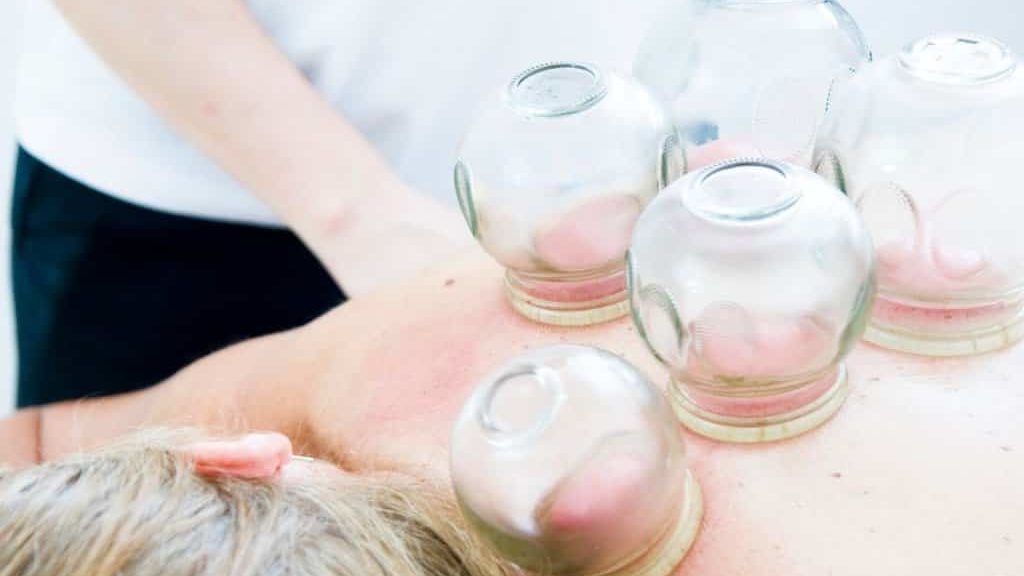
Decompression massage is a therapeutic technique that applies controlled suction (negative pressure) to the skin and soft tissues 🤍. Rather than compressing muscles downward, the treatment gently lifts the tissues upward, creating space between layers of skin, fascia, and muscle.
This lifting action encourages improved blood flow and fluid exchange, helping tissues feel less congested and restricted 🌿.
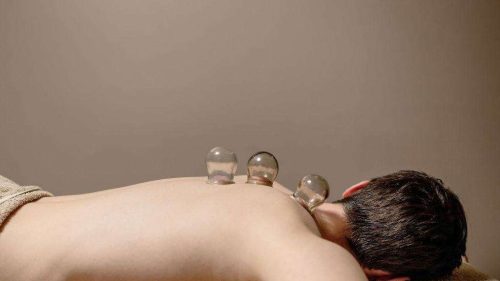
Modern decompression massage is usually performed with specialised vacuum devices or suction cups, allowing pressure levels to be carefully adjusted. This makes the technique suitable for both therapeutic treatment and general wellness care.
You may also see decompression massage referred to as:
- Vacuum massage therapy
- Negative pressure massage
- Mechanical decompression therapy
While it shares similarities with cupping, decompression massage is typically dynamic and adjustable, which many people find more comfortable 😊.
By improving circulation and encouraging fluid movement, decompression massage may also support lymphatic drainage massage, which helps the body move excess fluid and waste more efficiently.
How Does Decompression Massage Work?
Decompression massage works by changing pressure across the skin and underlying tissues. When suction is applied:
- The skin is gently lifted rather than pressed down ⬆️
- Small blood vessels (capillaries) expand, improving circulation 🩸
- Lymphatic fluid movement is encouraged 💧
- Fascial layers begin to separate and glide more freely
This process can help reduce tightness, stiffness, and that “compressed” feeling many people experience from sitting, training, or repetitive movement 🔄.
Most systems apply pressure rhythmically, alternating between suction and release. This pulsing effect stimulates circulation without overwhelming sensitive areas 🌊.
What Does Decompression Massage Do?
Decompression massage is commonly used to support muscle recovery and tissue health, particularly when stiffness or poor circulation is involved 💡.
Potential effects may include:
- Improved blood flow to muscles and skin
- Reduced muscle tightness and spasms
- Enhanced lymphatic drainage
- Improved tissue elasticity and mobility
- Temporary reduction in soreness and stiffness
- Support for post-exercise recovery 🏃♂️
Because decompression massage lifts tissue instead of compressing it, many people find it less intense than deep tissue massage, especially in sensitive or inflamed areas 🤍. If muscles feel tender afterward, it’s helpful to understand why people may feel sore after a massage and how to support recovery between sessions.
Benefits of Decompression Massage
Rather than forcing muscles to relax, decompression massage encourages tissues to release naturally by improving circulation and reducing internal pressure 🌬️.
Improved circulation
The suction effect helps deliver oxygen and nutrients to muscles, supporting recovery and comfort 🩸.
Supports lymphatic drainage
Encouraging lymph flow may help reduce swelling and that heavy or sluggish feeling after long days or workouts 💧.
Reduced muscle tension
Lifting the fascia allows muscles to soften without aggressive pressure 🙌.
Improved tissue flexibility
Over time, regular sessions may support better mobility and movement quality 🧘♀️.
Gentler pain relief
For people who find firm massage uncomfortable, decompression massage can feel more tolerable while still effective 😊.
Decompression Massage for Back Pain and Muscle Recovery
Decompression massage is often used for lower back discomfort, particularly when tight muscles, prolonged sitting, or training fatigue are contributing factors 🪑➡️💆♂️.
By improving circulation and reducing tissue congestion, decompression massage may help:
- Ease muscular stiffness in the lower back
- Support recovery after exercise
- Improve comfort when movement feels restricted
It’s important to note that decompression massage is not a treatment for spinal conditions, but it may complement other therapies by supporting soft-tissue health 🤍.
When muscular tightness or prolonged sitting contributes to discomfort, decompression massage may complement other approaches to massage for lower back pain by improving circulation and tissue mobility.
Decompression Massage vs Traditional Massage
One of the biggest differences between decompression massage and traditional massage is how pressure is applied.
Traditional massage:
- Applies downward pressure
- Compresses muscles and tissues
- Can sometimes aggravate inflamed areas 😣
Decompression massage:
- Lifts tissues using suction
- Reduces internal pressure
- Encourages circulation without force 🌿
This makes decompression massage appealing for people with postural tension, training-related soreness, or sensitivity to deep pressure.
👉 For people who find deep tissue massage too intense or uncomfortable, decompression massage can feel like a gentler alternative while still supporting muscle release.
Equipment Used in Decompression Massage
Decompression massage requires specialised tools designed to control negative pressure safely 🛠️.
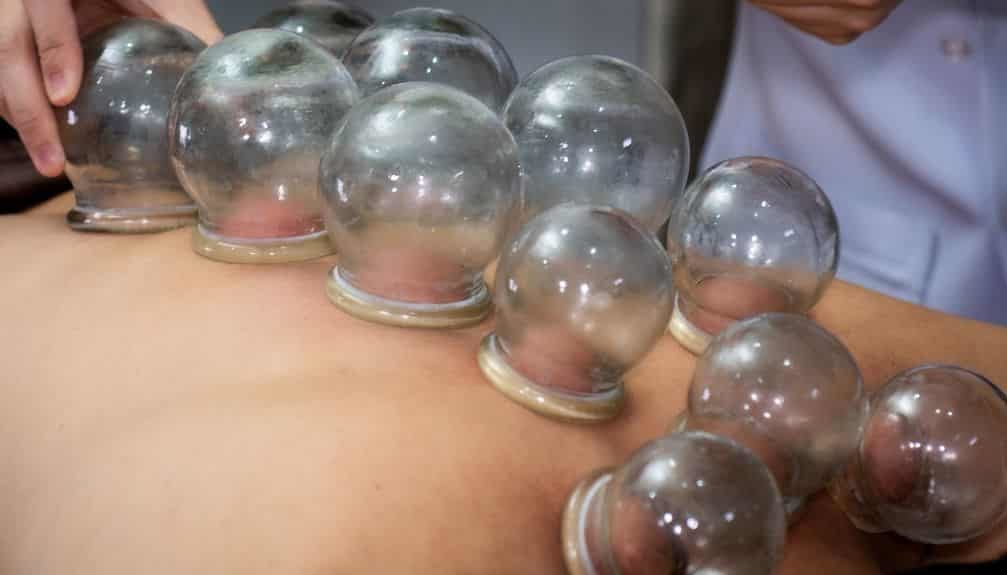
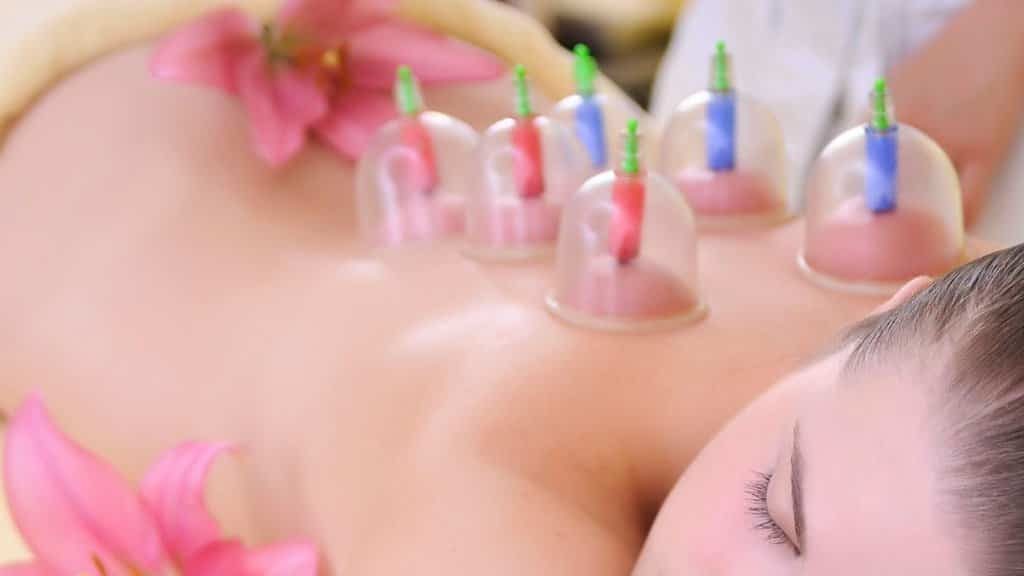
Vacuum cups or chambers
Different cup sizes are used to treat broad areas or target specific muscles. As suction is applied:
- Skin and soft tissue are drawn upward
- A vertical pressure gradient forms
- Adjacent cups may create gentle horizontal tension
Magnetic vacuum attachments
Some systems include magnets, which may enhance circulation and tissue response for some individuals 🔵.
Interval vacuum therapy systems
These systems alternate between suction and normal pressure, which can:
- Expand capillaries during suction
- Accelerate blood and lymph flow during release
- Support tissue nutrition and metabolism 🔄
These systems are sometimes used in rehabilitation settings under professional supervision.
What Does a Decompression Massage Session Feel Like?
Most people describe decompression massage as a gentle pulling or lifting sensation, rather than pain 😊.
You may notice:
- Mild warmth or tingling
- Temporary redness where cups are applied
- A feeling of lightness or release afterward ✨
Intensity is usually increased gradually so the body can adapt comfortably.
How Often Can You Have Decompression Massage?
Frequency depends on your goals and how your body responds 💬.
- General wellness: every 2–4 weeks
- Recovery support: weekly or fortnightly
- Rehabilitation: guided by a professional
Listening to your body and avoiding over-treatment is key 🤝.
Is Decompression Massage Safe?
For most healthy individuals, decompression massage is considered safe when performed correctly 👍. However, it may not be suitable if you have:
- Fragile or damaged skin
- Active infections
- Certain vascular conditions
- Blood-clotting disorders
As with any therapeutic technique, decompression massage should complement — not replace — medical care when pain is persistent or severe 🩺.
Can Decompression Massage Be Harmful?
When applied too aggressively or without proper screening, decompression massage may cause:
- Bruising
- Skin irritation
- Temporary soreness
These effects are usually mild and short-lived ⏳. Serious complications are rare when contraindications are respected.
Frequently Asked Questions
Is decompression massage good for back pain?
Decompression massage may help relieve muscle-related back discomfort by improving circulation and reducing tissue tightness 😊. It is most helpful when stiffness or muscular tension is contributing to pain, rather than structural spinal issues.
What are the benefits of decompression massage?
Potential benefits include improved blood flow, reduced muscle tension, enhanced lymphatic drainage, and improved tissue mobility 💧. Many people also find it gentler than deep pressure massage while still supporting recovery.
Is decompression massage the same as cupping?
They are similar but not identical. Decompression massage is usually dynamic and adjustable, while cupping often involves static cups left in place 🟠.
Conclusion
Massage therapy includes many techniques designed to influence the body through the skin and soft tissues 🤍. Decompression massage stands out by using negative pressure instead of force, allowing tissues to release and recover in a gentler, more supportive way.
By improving circulation, supporting lymphatic flow, and easing muscular tension, decompression massage can be a valuable option for people seeking relief without aggressive pressure 🌿. As with any therapy, the best results come from thoughtful application and professional guidance.
Reviewed December 2025 by April Merrick, Wellness Editor
📚 References
👉 PubMed: The effects of massage therapy after decompression and fusion surgery of the lumbar spine: a case study
👉 Mayo Clinic: Myofascial release therapy: Can it relieve back pain?
👉 Cleveland Clinic: Compression Therapy
⚠️ Disclaimer:
This article is for informational purposes only and does not constitute medical advice. Always consult with a licensed healthcare provider or certified massage therapist before beginning any new treatment, especially if you have pre-existing health conditions or concerns.