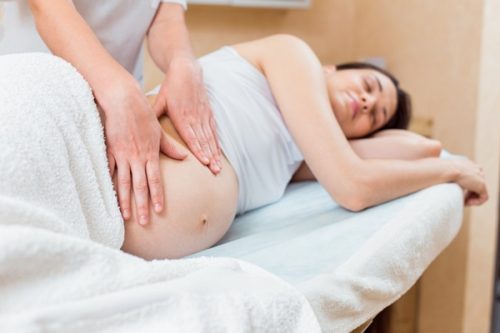
Pregnancy is not a one-size-fits-all experience — and the same applies to massage 🤰. Every stage of pregnancy feels different, and what your body needs can change week by week.
It’s also completely normal to feel unsure — especially when you’re trying to do everything right for your baby 💛
That’s why many women ask: is massage safe throughout pregnancy, or does it depend on the stage?
The answer is reassuring. Massage can be safe and incredibly beneficial across all trimesters — but the approach should be adapted to your body’s needs at each stage.
Understanding massage during pregnancy by trimester helps you stay comfortable, avoid unnecessary risks, and get the most benefit from every session 🌿
If you’re new to prenatal massage, it’s worth starting with our complete guide to massage during pregnancy, which covers safety, benefits, and techniques in more detail.
Quick Answer
Massage during pregnancy can be safe in all trimesters when gentle techniques are used. The first trimester typically requires a cautious approach, the second trimester is the most comfortable, and the third trimester focuses on positioning and lighter pressure.
Table of Contents
Massage in the First Trimester
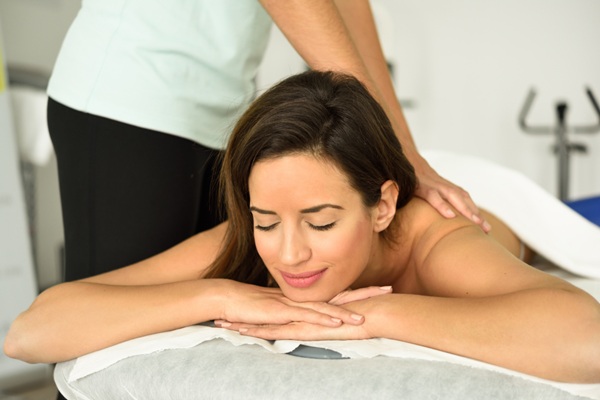
The first trimester is often the most sensitive stage of pregnancy. Hormonal changes are rapid, energy levels can fluctuate, and symptoms like nausea and fatigue are common 🤢
Because of this, many women either avoid massage during this time or opt for very gentle treatments.
It’s important to understand that massage is not proven to cause miscarriage. However, because the first trimester carries a naturally higher risk of pregnancy loss, many therapists take a cautious approach.
If you do choose to have a massage during this stage, the focus should be on comfort rather than deep relief. Light touch, calming techniques, and shorter sessions tend to work best.
Some women also find that strong scents or oils can worsen nausea, so a simple, unscented approach is often preferred 🌿
If you’re unsure about safety early on, you can also read more about pressure points to avoid during pregnancy, which explains areas therapists typically avoid as a precaution.
Massage in the Second Trimester
For many women, the second trimester is the most comfortable and enjoyable time to receive massage ✨
Energy levels often improve, morning sickness subsides, and the body begins to stabilise. This makes it an ideal stage to start or maintain a regular massage routine.
As your body changes, you may begin to notice tension in the lower back, hips, and shoulders. Gentle massage can help relieve these areas while also improving circulation and reducing mild swelling.
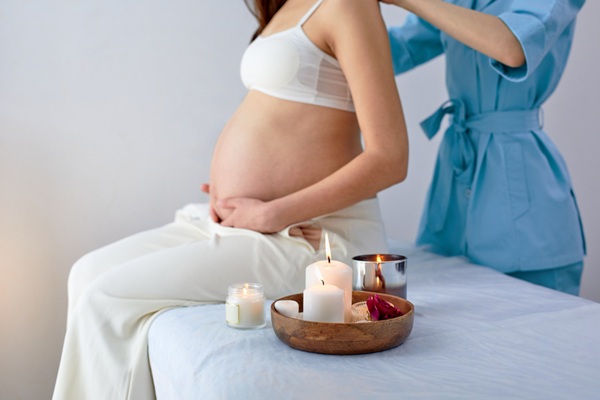
This is also when prenatal massage techniques become more important. Therapists typically begin using side-lying positioning to support the body and avoid pressure on the abdomen.
If you’re looking for targeted relief, you can also explore techniques like how to massage a pregnant woman’s back, which focuses on easing tension safely 💆♀️
Massage in the Third Trimester
The third trimester brings its own set of challenges. As your baby grows, your center of gravity shifts further forward, placing increased strain on your lower back and hips.
Swelling may also become more noticeable in the legs and feet, and sleep can become more difficult 😴
Massage during this stage can be incredibly helpful, but it needs to be adapted carefully.
Positioning is key. Most treatments are performed in a side-lying position with pillows supporting the body. This helps maintain circulation and prevents discomfort.
Pressure should remain gentle to moderate. Deep tissue techniques are generally avoided, particularly in sensitive areas.
It’s also important to understand key pressure points to avoid during pregnancy, particularly around the inner ankles and hands ⚠️
What Changes Across Trimesters
As pregnancy progresses, the body goes through a number of important changes that influence how massage should be applied.
In early pregnancy, hormonal shifts can make the body more sensitive, which is why lighter techniques are often preferred.
By the second trimester, the body is better able to tolerate massage, and treatments can focus more on relieving muscle tension and improving circulation.
In the third trimester, physical strain increases, but sensitivity can also return. This means massage becomes more about support and comfort rather than intensity.
Understanding these changes helps you adjust expectations and ensures that massage remains a positive experience throughout pregnancy 🌸
Benefits of Massage During Pregnancy by Trimester
Massage offers different benefits depending on the stage of pregnancy, as your body’s needs evolve over time.
In the first trimester, the focus is often on relaxation and emotional support. Hormonal changes can leave you feeling tired, overwhelmed, or unsettled. Gentle massage may help reduce stress and promote a sense of calm.
During the second trimester, massage becomes more physically beneficial. As your body adjusts to weight changes, tension often builds in the lower back, hips, and shoulders. Massage at this stage may help relieve muscle tightness, improve circulation, and reduce swelling in the legs and feet 💧
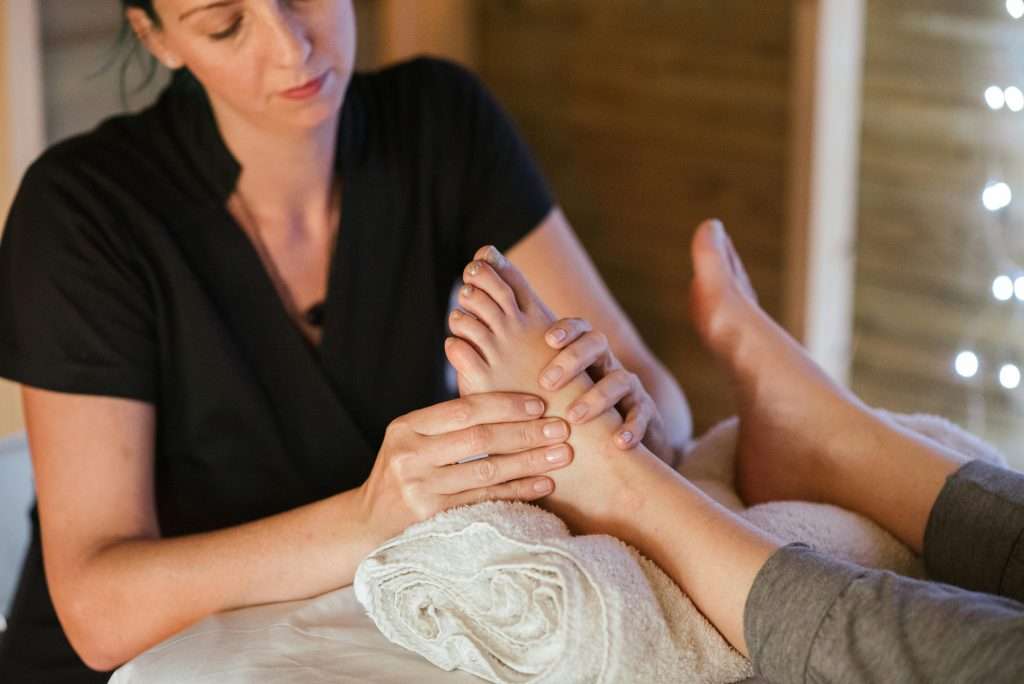
If swelling is a concern, gentle techniques like foot massage when pregnant can help improve circulation and reduce discomfort 👣
By the third trimester, massage plays a supportive role in managing physical strain. Gentle techniques may help ease pressure, improve comfort, and support better sleep.
Best Massage Positions by Trimester
Positioning plays a key role in ensuring massage remains safe and comfortable throughout pregnancy.
In the first trimester, many women can still lie on their back or stomach for short periods, depending on comfort.
During the second trimester, side-lying positions become more common, allowing the body to be supported without pressure on the abdomen.
By the third trimester, side-lying positioning is essential, with pillows used to support the body and maintain circulation 🛌
This progression is one of the most important aspects of massage during pregnancy by trimester, ensuring both safety and comfort.
What to Avoid in Each Trimester
While massage can be safe throughout pregnancy, there are certain precautions that remain consistent.
Deep pressure on specific acupressure points is generally avoided. These include areas such as the hands, inner ankle, and lower back.
If you’d like a deeper explanation, see our full guide on pressure points to avoid during pregnancy.
Massage tools should also be used with caution. IIf you’re considering using massage tools, it’s important to understand the risks — this guide on are massage guns safe during pregnancy explains what to avoid and how to use them safely.
Safe Massage Techniques Throughout Pregnancy
The safest massage techniques during pregnancy are those that prioritise comfort and relaxation.
Long, gentle strokes help encourage circulation while keeping the body relaxed. These movements are especially helpful for relieving tension in the shoulders and upper back.
If you’re exploring at-home options, combining gentle techniques with guided approaches like how to massage a pregnant woman’s back can be very effective.
Massage should always feel calming, not intense — your body will tell you what feels right 🌿
Safety can vary slightly depending on the stage of pregnancy, so it’s worth understanding pregnancy massage safety before starting.
Signs a Massage Is Too Intense
Massage during pregnancy should never feel overwhelming or painful.
If a massage feels too intense, your body will usually signal it. You might notice discomfort, dizziness, nausea, or tension instead of relief.
These are signs that the pressure should be reduced or stopped.
A good massage should leave you feeling relaxed, supported, and at ease 💛
When to Avoid Massage During Pregnancy
While massage is generally safe, there are certain situations where extra care is needed.
If you have a high-risk pregnancy, preeclampsia, or a history of blood clots, it’s important to consult your healthcare provider before booking a massage.
Your body will always give you signals — and it’s important to listen.
If something doesn’t feel right, pause and seek guidance 🧘♀️
Can You Massage Yourself During Pregnancy?
Self-massage can be a simple and effective way to relieve tension at home.
Many women naturally massage their shoulders, neck, or legs to ease discomfort. These small moments can make a noticeable difference.
The key is to keep pressure light and avoid sensitive areas like the hands and inner ankles.
Even a few minutes can help improve comfort and relaxation 🌸
When Should You Start Prenatal Massage?
Many women wonder when it’s the right time to begin massage during pregnancy.
While massage can be safe in all trimesters, some therapists recommend waiting until the second trimester before starting regular sessions.
This is largely precautionary, as early pregnancy can be more sensitive.
That said, gentle massage may still be appropriate earlier depending on how you feel and guidance from your healthcare provider.
Final Thoughts
Massage can be a powerful way to support your body through each stage of pregnancy 🌿
By following a massage during pregnancy by trimester approach, you can safely adapt techniques as your body changes and your needs evolve.
With the right knowledge and gentle techniques, massage becomes a safe, supportive, and deeply relaxing part of your pregnancy journey 💛
For a complete overview of safety and techniques, revisit our guide to massage during pregnancy.
Frequently Asked Questions
Is massage safe in the first trimester?
Massage can be safe in the first trimester when gentle techniques are used. However, many therapists take a cautious approach due to the natural risks associated with early pregnancy.
Which trimester is best for massage?
The second trimester is often the most comfortable time for massage, as energy levels improve and the body is more stable.
Can you get a massage in the third trimester?
Yes, massage can be beneficial in the third trimester, particularly for relieving back pain and swelling.
How often should you get a prenatal massage?
This varies depending on your needs. Some women benefit from monthly sessions, while others increase frequency later in pregnancy.
Reviewed March 2026 by April Merrick, Prenatal Specialist
📚 References
🔗Cleveland Clinic: Considering a Prenatal Massage? Here’s What To Know
🔗 UT Southwestern Medical Center: Is massage safe during pregnancy?
🔗 WhatToExpect: Prenatal Massage: What’s Safe, What Helps, and What to Avoid
🔗 WebMD: Pregnancy Body Massage and Contraindications
⚠️ Disclaimer:
This article is for informational purposes only and does not constitute medical advice. Always consult with a licensed healthcare provider or certified massage therapist before beginning any new treatment, especially if you have pre-existing health conditions or concerns.
About The Author