A cancer diagnosis changes many things — including how you think about your body, touch, and self-care. For many people, massage feels like something that should help, yet it often comes with uncertainty or even fear. You may have heard warnings like “massage can spread cancer” or been advised to avoid massage entirely.
The reality is reassuring — and more nuanced 🌿.
Massage therapy is not automatically unsafe for people with cancer. When adapted correctly and delivered by a trained professional, oncology massage can offer comfort, emotional relief, and gentle physical support. However, it must be approached thoughtfully, with medical awareness and clear boundaries.
This article explains what oncology massage is, how it works, when it can be helpful, when caution is needed, and how massage can safely fit into cancer care — without myths, fear, or exaggeration.
Table of Contents
🤍 What Is Oncology Massage?

Oncology massage is a specialized form of massage therapy developed specifically for people living with cancer, those undergoing treatment, and those in recovery. It differs significantly from general relaxation or deep tissue massage.
Rather than focusing on muscle manipulation or tension release, oncology massage prioritizes comfort, safety, and emotional support. Every session is adapted to the individual, taking into account diagnosis, treatment history, energy levels, skin condition, and emotional state 🤍.
Cancer treatments such as chemotherapy, radiation, surgery, and immunotherapy can leave the body more sensitive, fatigued, or fragile. Oncology massage responds to these changes with gentle pressure, slower pacing, careful positioning, and ongoing communication.
Importantly, oncology massage therapists receive additional training to understand cancer pathology and treatment side effects. This ensures massage is supportive rather than overwhelming or harmful.
🌸 How Oncology Massage Can Support Cancer Patients
Living with cancer often involves far more than physical symptoms. Anxiety, sleep disruption, emotional stress, and a sense of disconnection from the body are extremely common. Oncology massage aims to support the whole experience, not just isolated aches or pains.
Many people report relaxing deeply for the first time since diagnosis. The nervous system responds to safe, calming touch by shifting out of fight-or-flight mode, which may reduce stress hormones and promote a sense of ease 😌.
Physically, oncology massage can relieve muscle stiffness caused by prolonged bed rest, anxiety-related tension, or postural changes 🌿. It may also ease jaw tension, headaches, and general discomfort that often accompany treatment.
For some patients, massage improves sleep quality and reduces restlessness. Others describe emotional reassurance — a reminder that their body can still experience comfort and care during a challenging time.
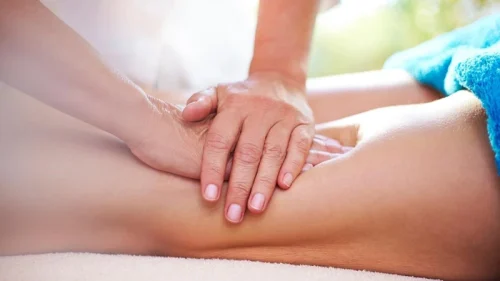
In certain cases, oncology massage may be combined with lymphatic drainage massage to help manage swelling or fluid retention. This is only appropriate when medically approved and performed by therapists trained in lymphatic techniques.
🩺 Is Massage Safe If You Have Cancer?
This is one of the most common — and most important — questions.
Cancer itself is not a blanket contraindication to massage. Modern research does not support the idea that gentle massage causes cancer to spread. That belief stems from outdated medical caution rather than current evidence.
However, massage must always be adapted to the individual’s medical circumstances. Safety depends on factors such as cancer type, stage, treatment status, blood counts, bone health, and overall wellbeing.
Massage becomes unsafe only when these factors are not properly understood — for example, using deep pressure where tissues are fragile, or working over areas affected by surgery or radiation.
When delivered by a trained oncology massage therapist who understands these risks, massage can be both safe and beneficial 🤍.
⚠️ When Massage May Need Extra Caution
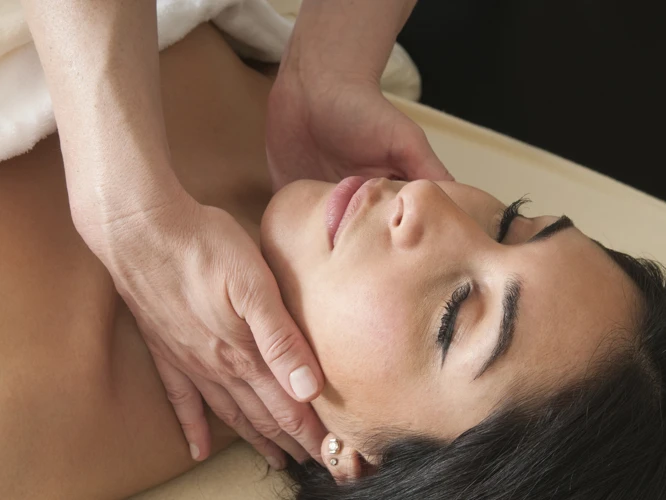
There are times when massage should be modified or temporarily avoided. This does not mean massage is forbidden, but rather that it requires careful medical consideration.
Extra caution may be needed for people with active blood clots, very low platelet counts, fragile bones due to metastases, open wounds, infections, or severe radiation burns. Profound fatigue or immune suppression may also limit what is appropriate at certain stages of treatment.
Understanding massage contraindications is essential here. In many cases, massage can still be provided using extremely light touch, shorter sessions, or by avoiding specific areas altogether.
Medical clearance from an oncologist or healthcare provider is always recommended when uncertainty exists 🩺.
If you’re feeling unwell during treatment, you may also find guidance in our article on is massage safe when sick, which covers when massage should be postponed.
☢️ Massage After Radiation Therapy
Radiation therapy can cause skin irritation, inflammation, and delayed tissue healing. Because of this, massage timing and technique matter greatly.
Gentle massage may sometimes be possible during radiation treatment, provided the treated area is completely avoided. Massage directly over irradiated skin should never occur until healing is complete.
Many practitioners recommend waiting four to six weeks after radiation therapy before resuming massage near the treated area. If skin reactions are severe, waiting up to twelve weeks may be more appropriate.
Even after visible healing, pressure must remain light. Radiation effects can persist beneath the surface longer than they appear, making gentle techniques essential.
💉 Massage After Chemotherapy
Chemotherapy affects the immune system, circulation, and skin sensitivity. While massage does not “flush” chemotherapy drugs through the body, reduced immunity means massage must be gentle and carefully timed.
Most people wait several days to one week after chemotherapy before receiving massage. During this period, sessions are often shorter, slower, and focused on relaxation rather than physical manipulation 😌.
When blood counts are low, pressure should be minimal. Lymphatic techniques should only be used if approved by a medical professional.
💛 How Oncology Massage Is Performed Safely
Safe oncology massage follows a fundamentally different philosophy from conventional massage therapy. The goal is never to “fix” the body, but to support it where it is 💛.
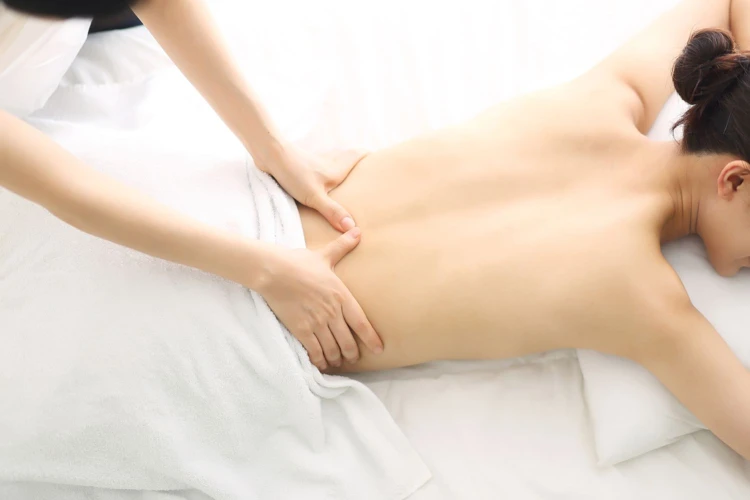
Sessions usually begin with a detailed intake, where the therapist reviews medical history, current treatments, and symptoms such as pain, nausea, neuropathy, or fatigue. Positioning is carefully adapted so the client remains comfortable, supported, and warm throughout the session.
Pressure remains light to moderate, and areas such as tumour sites, surgical scars, ports, and radiation zones are avoided. Therapists check in frequently and stop immediately if discomfort arises.
Techniques are commonly adapted from gentle massage techniques rather than deep tissue or sports massage styles.
🧘 Massage After Cancer Surgery
Surgery is often a major part of cancer treatment, and recovery can take weeks or months. Massage after surgery must be introduced gradually and thoughtfully.
In early recovery, massage focuses on relaxation, circulation in unaffected areas, and nervous system calming. Direct work over surgical sites is avoided until healing is complete and medical clearance is given.
As recovery progresses, gentle massage may help address compensatory muscle tension, postural changes, and stiffness that develop as the body adapts. Scar work, when appropriate, must always be gentle and performed by a trained therapist.
🧠 Emotional Wellbeing, Touch & the Nervous System
Beyond physical relief, oncology massage plays an important role in emotional regulation and nervous system support. A cancer diagnosis can keep the body in a prolonged state of stress, contributing to anxiety, poor sleep, muscle tension, and emotional exhaustion.
Gentle, supportive touch helps signal safety to the nervous system 🧘. When the body perceives safe contact, it can shift toward a parasympathetic state — supporting rest, digestion, and recovery.
For some patients, massage also restores a sense of bodily autonomy during a time when medical procedures can feel invasive. Being touched with care, consent, and clear boundaries can help rebuild trust in the body and provide emotional reassurance 🌸.
📊 What the Research Says About Oncology Massage
While oncology massage does not treat cancer itself, growing evidence supports its role in supportive care.
Clinical studies and hospital-based programs suggest oncology massage may reduce pain, anxiety, and emotional distress. Many patients also report improved sleep quality and reduced fatigue.
These benefits contribute to improved quality of life, which is increasingly recognized as a vital part of comprehensive cancer care 🌿.
❓ Frequently Asked Questions
What are the potential risks of massage if I have cancer?
Massage may cause bruising, fatigue, or discomfort if pressure is too deep or improperly applied. Certain medical conditions, such as blood clots or fragile bones, increase risk. This is why medical disclosure and working with a trained oncology massage therapist is essential.
Is any type of massage safe during cancer treatment?
Gentle, adapted massage is often safe when delivered by a therapist trained in oncology care. Deep tissue massage, aggressive stretching, or high-heat treatments usually require caution or avoidance unless approved by a healthcare provider.
Can massage worsen lymphedema?
Massage performed incorrectly can worsen lymphedema. However, manual lymphatic drainage performed by trained professionals may help reduce swelling when medically appropriate.
What can I do if massage isn’t suitable for me?
Supportive alternatives include acupuncture, gentle yoga, tai chi, meditation, guided imagery, counselling, and music therapy. These can complement medical care and support emotional wellbeing.
Who should I consult before getting a massage?
Always inform your oncologist or healthcare provider and choose a massage therapist trained in oncology massage to ensure safe, coordinated care.

🌸 Conclusion
Oncology massage can be a safe, supportive, and deeply comforting therapy for people living with cancer when delivered by trained professionals and adapted to individual needs.
Rather than avoiding massage altogether, the focus should be on education, communication, and evidence-based practice. When approached thoughtfully, massage offers moments of calm, reassurance, and connection — even during one of life’s most challenging journeys 🌸💛.
Reviewed January 2026 by John Winter, Wellness Editor
📚 References
⚠️ Disclaimer:
This article is for informational purposes only and does not constitute medical advice. Always consult with a licensed healthcare provider or certified massage therapist before beginning any new treatment, especially if you have pre-existing health conditions or concerns.