
There are moments in your breastfeeding or hormonal journey when your body speaks a little louder than usual — sometimes beautifully, sometimes uncomfortably. Experiencing engorged breasts is one of those moments. One day everything feels steady, and the next your breasts are swollen, tight, warm, and so painfully full that even the softest shirt feels like too much.
If this is you, take a breath. 💛
Engorged breasts are extremely common and doesn’t mean you’ve done anything wrong. With the right support, gentle care, and a better understanding of what your body is going through, engorgement relief becomes completely achievable. Let’s walk through this together.
Table of Contents
What Are Engorged Breasts? 🌸
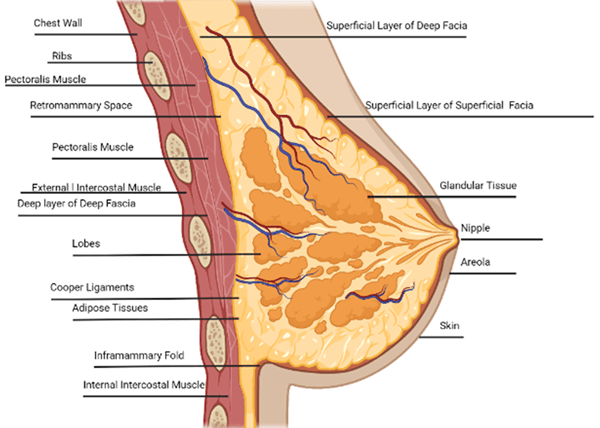
Engorged breasts happen when milk, fluid, and inflammation build up faster than the breast can comfortably release. The tissue stretches, the skin tightens, and the pressure may feel hot, heavy, or throbbing. Unlike normal fullness, breast engorgement can feel overwhelming and even painful.
If you’re also dealing with swelling, this guide may help:
👉 How to Massage Swollen Breasts: A Step-by-Step Guide to Soothe Soreness and Reduce Swelling
What Causes Engorged Breasts? 💡
Engorged breasts occurs when the breast produces or retains more milk and fluid than it can comfortably drain.
Breastfeeding-Related Causes 🤱
The most common trigger is your milk “coming in” around days two to five postpartum. Your breasts may suddenly feel firm, round, and overly full. Before your supply adjusts to your baby’s needs, pressure can build quickly.
Other breastfeeding causes include:
- Missed or delayed feeds
- A shallow latch
- Oversupply
- Ineffective feeding or low milk transfer
- Returning to work and pumping changes
- Abrupt weaning
Need help improving latch or milk flow?
👉 Breast Massage for Milk Production: How to Boost Flow, Comfort, and Supply Naturally

Non-Breastfeeding Causes 🌿
Engorgement can also be triggered by hormonal changes (PMS, ovulation, pregnancy), certain medications, inflammation, or stopping breastfeeding suddenly. Even if you’re not lactating, swelling can mimic milk engorgement.
Breastfeeding Engorgement: What to Expect When Your Milk Comes In ✨
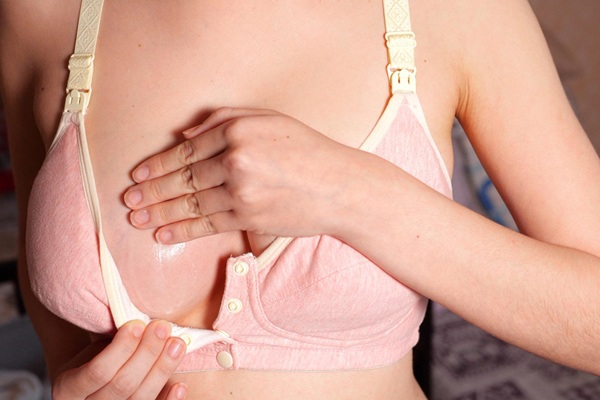
In the early postpartum days, breastfeeding engorgement can feel sudden and intense. Your breasts may become warm, shiny, and tight like overfilled balloons. You may experience deep pressure or throbbing, and your baby may slip off the breast because the areola is too firm to latch onto.
Engorgement is not just about milk — swelling compresses the milk ducts, making milk harder to release even though your breasts feel painfully full. With warmth, softening, and consistent feeding, this phase usually improves within a few days. ✨
Signs and Symptoms of Breast Engorgement 🔍
You may be experiencing engorgement if your breasts:
- Feel swollen, warm, or very firm
- Appear stretched or shiny
- Throb or ache
- Feel full but milk won’t release easily
- Make latching difficult for your baby
These sensations are extremely common — and temporary.
When to Seek Medical Advice ⚠️
Contact a healthcare provider or lactation consultant if you notice:
- Fever or chills
- Red streaks on the breast
- Sharp, worsening, or deep pain
- A lump that doesn’t soften after feeding
- One breast becoming dramatically more swollen
These may indicate mastitis.
Engorgement Relief: Fast Techniques That Actually Work 💛
Warmth before feeding helps encourage let-down. A warm shower or warm compress softens the breast so your baby can latch more easily.
Feeding or expressing milk regularly helps relieve pressure without overstimulating supply.
Cool compresses after feeding soothe inflammation and help everything settle.
Reverse Pressure Softening — gently pressing with your fingertips around the nipple — can make latching easier by shifting swelling backward.
Breast Massage for Engorgement (A Gentle, Heartfelt Guide) 🌿
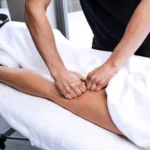
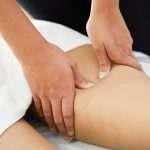
Gentle breast massage can feel comforting and supportive when done correctly. Start with warmth, then use light circular motions with your fingertips. Let the pressure be soft enough to comfort, not force.
Use delicate strokes toward the nipple to help milk flow, or toward the armpit to support lymphatic drainage. Avoid firm or deep pressure, which can worsen swelling.
LaVie Lactation Massager: A Helpful Tool for Engorgement Relief ✨
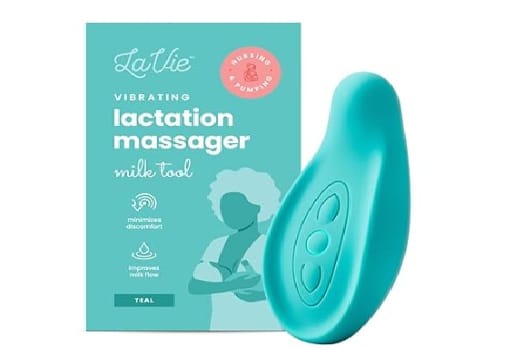
The LaVie Lactation Massager offers gentle vibration to soften firm spots, encourage let-down, and support milk flow. It works beautifully before feeding, during clogged duct episodes, or when your breasts feel especially tight.
Use it:
- Before feeding to soften the breast
- During feeds to encourage flow
- For clogged areas
- For lymphatic-style drainage toward the armpit
Here’s the recommended one:
👉 La Vie Breast Massager
Many mothers find it becomes an essential part of their breastfeeding routine. 🤱💛
How to Prevent Engorgement Before It Starts 🌼
Preventing engorged breasts is about rhythm, not perfection.. Feed on demand, support a deep latch, and avoid long stretches between feeds during the early weeks. Pumping should follow your baby’s natural feeding pattern.
If you’re weaning, do it gradually to avoid sudden fullness. Wear a supportive but non-restrictive bra. Gentle lymphatic strokes can help reduce swelling early.
If you’re newly breastfeeding and need gentle support, this guide can help:
👉 Breastfeeding Massage: A Complete Guide to Comfort, Milk Flow, and Confidence
Frequently Asked Questions
These common questions can help you understand engorged breasts and find gentle, effective relief.
How long does breast engorgement usually last?
Most engorgement improves within 24–48 hours once milk is removed regularly and swelling starts to ease. In the early postpartum days, you may experience short cycles of engorgement as your supply adjusts. If symptoms persist beyond a few days or become more painful, a lactation consultant can help evaluate latch, feeding rhythm, or possible supply issues.
Is gentle breast massage safe for engorged breasts?
Yes — gentle breast massage can help when performed lightly. Avoid applying strong pressure, as swollen tissue is sensitive. Soft circular motions, warmth before feeding, and cool compresses afterward help reduce discomfort safely. Massage is most effective when combined with frequent feeding or hand expression to keep milk moving without increasing inflammation.
Why are my breasts rock-hard while breastfeeding?
This often occurs when your milk first “comes in” or when swelling compresses the ducts. The breasts may feel overly firm due to a combination of milk buildup and inflammation. Although intense, this is very common. Warmth, softening techniques, and regular feeding help restore comfort, and most women notice clear improvement within a day or two.
Can engorgement lead to mastitis?
Yes. When milk remains trapped due to swelling or incomplete drainage, inflammation can worsen and lead to clogged ducts or mastitis. Early relief techniques — frequent feeding, softening the areola, and using cool compresses — significantly lower this risk. If you develop fever, redness, or flu-like symptoms, seek prompt medical care.
Should I pump when I’m engorged?
You can pump, but only enough to soften the breast. Fully emptying the breast may stimulate oversupply, worsening engorgement. A brief pumping session or gentle hand expression is often best. For exclusively pumping parents, shorter but more frequent sessions help manage swelling without overstimulating milk production.
Is engorgement normal if I’m not breastfeeding?
Yes — hormonal shifts from PMS, ovulation, pregnancy, or recent weaning can create swelling similar to lactation engorgement. The breasts may feel warm, full, or tender. Gentle massage, cool compresses, hydration, and a supportive bra typically bring relief. If swelling persists or becomes severe, consult your healthcare provider.
Can tight bras or clothing cause engorgement?
Yes. Tight bras or compression from clothing can restrict milk ducts, contributing to swelling or clogged ducts. This pressure can trigger or worsen engorgement. A supportive but non-restrictive bra helps maintain healthy milk movement and prevents unnecessary pressure on sensitive breast tissue.
Should I wake my baby to feed if I’m extremely engorged?
Sometimes, yes. If your breasts are painfully full and your baby is in an unusually long sleep stretch, waking them for a feed can relieve pressure. If you’d prefer not to wake your baby, gentle hand expression or a short pumping session can soften the breast enough to stay comfortable until the next feed.
Can I use a Haakaa to help with engorgement?
Yes — a Haakaa can help soften the breast using gentle suction to remove milk. However, prolonged or strong suction may increase oversupply. Use it briefly and only until the breast softens enough for comfortable feeding. It is especially helpful for softening the areola before latch during episodes of engorgement.
Final Thoughts 💛✨
Engorgement can feel overwhelming, both physically and emotionally, but it is temporary. With warmth, gentle massage, consistent feeding, and supportive tools like the LaVie Lactation Massager, your breasts will soften again. Your body is adjusting, your baby is learning, and you are doing beautifully — even in the tender moments.
You are not alone in this. 🤱💛

Reviewed December 2025 by April Merrick, Wellness Editor
📚 References
⚠️ Medical Disclaimer:
This article is for informational purposes only and is not a substitute for professional medical advice, diagnosis, or treatment. Always consult your doctor, lactation consultant, or another qualified healthcare provider with any questions you may have about breastfeeding, breast health, or medical conditions.
About The Author