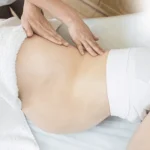

Breastfeeding is one of the most meaningful experiences a mother can have — but it’s also one of the most physically demanding. Your breasts work around the clock, your hormones shift constantly, and your baby’s feeding rhythm changes from week to week. All of this can leave your breasts feeling full, tight, tender, or simply exhausted.
That’s where breastfeeding massage comes in 🧡. This gentle, supportive practice can help soften breast fullness, encourage milk flow, reduce discomfort, and help you feel more at ease in your body. Whether you’re a first-time mum or a seasoned breastfeeder, understanding how to use massage safely and effectively can make a world of difference.
In this guide, I’ll walk you through how breastfeeding massage works, why it helps, how to do it safely, when it’s useful (and when it’s not), and how it fits beautifully into your feeding journey.
Table of Contents
What Is Breastfeeding Massage?
Breastfeeding massage is a gentle technique used to soften the breast, improve milk flow, relieve fullness, and make feeding or pumping more comfortable. Unlike deep massage on other parts of the body, breastfeeding massage is always light, soothing, and non-invasive. Think of it as encouraging your body — never forcing it.
It works by stimulating circulation, supporting the milk ducts, and reducing the pressure that builds when the breasts become overly full. It’s also a practical form of self-care during a stage of life that can feel physically intense. A little softness can go a long way 💛. For a deeper guide to breast massage techniques, see our full tutorial on How to Breast Massage.”
Why Breastfeeding Massage Helps
Breastfeeding massage works by supporting how the breast naturally functions. Your milk ducts are surrounded by soft tissue that responds sensitively to warmth, gentle touch, and relaxation. When your body feels safe, your milk tends to flow more freely.
Massage encourages blood flow, which reduces swelling and helps soften fullness. It can also support the release of oxytocin — the hormone responsible for milk let-down — which makes feeding and pumping feel smoother and more efficient.
Even just a minute or two of gentle massage before feeding can shift your body from feeling tense and pressured to feeling more calm and open. And for many mums, that sense of comfort is just as important as the physical benefits.
How Breastfeeding Massage Supports Your Body’s Natural Physiology
Breastfeeding massage doesn’t just soothe discomfort — it works with your body’s natural rhythm. When you’re stressed or rushed, your nervous system tightens, and your milk ducts can tighten too. You may notice your let-down feels slower, or your breasts feel firmer than usual.
Gentle massage encourages the opposite response. It stimulates oxytocin, which helps widen the ducts slightly and encourages milk to move freely. This is why warmth, soft hands, and slow breathing can make feeding feel noticeably easier.
Massage also supports circulation and lymphatic flow, both of which help reduce inflammation. On days when your breasts feel full, hot, or overly tight, increasing circulation can soften the surrounding tissue and ease pressure. It’s a simple way to support your body through a very demanding chapter.
And maybe the most lovely part? Breastfeeding massage is grounding. Amidst the schedules, cluster feeds, sleepless nights, and hormonal changes, this small ritual gives your body and mind a chance to exhale 💗.
🌿 Struggling with engorged breasts?
If your breasts feel overly full, tight, or tender, you’re not alone — and relief is absolutely possible.
Explore our complete guide to understanding and soothing engorged breasts with gentle, safe techniques: 👉 Engorged Breasts: Causes, Relief & Safe Massage Techniques
How to Perform Breastfeeding Massage
Breastfeeding massage should always feel gentle. There’s no kneading or digging. The goal is to help your breast relax so milk can move with less resistance.
Start by applying warmth — a warm cloth, warm shower, or warmed hands. Then use light circular strokes around the breast, gradually moving inward toward the nipple in soft, sweeping motions. Light breast compressions can help milk move more evenly, but never squeeze hard.
If the areola feels too firm for your baby to latch comfortably, you can soften it by placing warm fingers above and below the nipple and pressing inward lightly. This takes down swelling just enough to help your baby latch deeply and comfortably.
Breastfeeding Massage for Pumping Mums
If you pump — occasionally or exclusively — massage can make your sessions feel smoother. Before pumping, apply warmth and massage in circular motions for one to two minutes. If you’re unsure how long to massage or want a timing guide, see our full article on How Long to Massage Breast Before Pumping for safe, step-by-step recommendations.
Some mums pause halfway through pumping to massage again. This often encourages a second let-down and improves comfort during longer sessions.
If you have oversupply, use extra gentleness. Light, warm touch helps reduce pressure without stimulating increased production. Deep pressure can increase supply further, so aim for softness and comfort.
If you want more guidance on pumping support, you can explore your related resources such as your breast massage and pumping articles.
When Breastfeeding Massage Helps Most
Breastfeeding massage can help during many stages of your feeding journey — especially when the breasts feel firm, swollen, or overworked.
You may find it especially useful:
- When your milk first comes in
- During cluster feeding
- When your breasts feel unevenly full
- Before pumping
- When your let-down feels slow
- When your baby is feeding more or less often than usual
It can also ease discomfort before bed, during nighttime feeds, or anytime you feel pressure building.
Common Situations When Massage Makes a Noticeable Difference
As your baby grows, their feeding patterns shift — sometimes suddenly. Massage helps you stay comfortable during these transitions.
During cluster feeding, your breasts may feel full again within minutes. Gentle massage between feeds can help ease pressure without overstimulating supply.
If your baby is going through a developmental leap, you may notice fussier feeding or changes in latch. Your breasts may react by becoming fuller or more tender. Massage smooths these fluctuations and helps you stay comfortable.
Many mums also notice one breast is a “super producer” while the other is slower. Massaging the firmer or slower side before feeding encourages a more balanced let-down and may improve comfort as your supply regulates.
On emotionally heavy days — when you’re tired or overstimulated — massage can be a small moment of calm that helps your milk flow more easily. Your baby often relaxes right along with you 💖.
Breastfeeding Challenges Massage Can Help With
Breastfeeding massage can support many common challenges:
Engorgement:
When your milk first comes in or during a sudden shift in feeding pattern, your breasts may feel rock-hard or warm. Gentle massage softens the tissue and makes latching easier.
Slow Let-Down:
Stress and exhaustion can delay let-down. Warmth and gentle touch encourage oxytocin release, helping milk flow with less effort.
Uneven Supply:
If one breast produces more milk, massage before feeding on the slower side supports better flow.
Pumping Discomfort:
Massage before or during pumping can make sessions smoother and reduce tightness.
Night-Time Fullness:
Hormones often shift overnight, and massage can make the first feed of the morning more comfortable.
Cluster Feeding:
Massage helps manage pressure between closely spaced feeds.
What NOT to Do: Outdated Techniques That Make Things Worse
Despite older advice still circulating, deep “clog-busting” massage is no longer recommended. Pressing hard on sore spots can worsen inflammation, compress milk ducts, and make symptoms more painful.
Avoid:
- Digging fingers into lumps
- Hard sweeping motions
- Vibrating devices directly on breast tissue
- Using ice unless medically advised
Modern lactation guidelines focus on softness, warmth, comfort, feeding often, and reducing inflammation — not forcing anything.
Breastfeeding Massage for Newborns vs. Older Babies
Newborn Stage (0–12 weeks):
Your breasts are still regulating supply. Massage helps soften engorgement, ease let-down, and make early latching easier. Breasts may fluctuate rapidly, and massage helps ease transitions. If you’re dealing with engorgement, explore our dedicated guide on How to Massage Breasts for Engorgement.
4–6 Months:
Your supply has likely stabilised, but your baby may become distracted during feeds. Massage before feeding encourages let-down and keeps feeds efficient.
6+ Months:
Even once solids begin, hormonal shifts, illness, teething, or changes in sleep can affect supply. Massage supports you through these changes with comfort and softness.
How Lactation Consultants Use Massage Clinically
Lactation consultants often use light massage as part of hands-on support. This may include:
- Using warmth to encourage let-down
- Gently shaping the breast to support latch
- Combining massage with pumping (“hands-on pumping”)
- Using reverse-pressure softening to reduce areola swelling
Their approach is always gentle and focused on comfort, not force.
A Personal Moment All Mums Will Relate To
There’s a moment many breastfeeding mums know well — sitting in the dim glow of a nightlight, baby stirring, breasts achy and full. You’re exhausted, your body is working nonstop, and everything feels heavy.
You place your warm hand softly on your breast.
You breathe.
For a moment, everything softens.
Your shoulders drop. Your chest loosens. Your milk responds. Your baby settles. And for a brief, quiet minute in the middle of chaos, you feel a little more like yourself.
Breastfeeding massage is not just a technique — it’s a tiny act of kindness for yourself 🌷.
Is Breastfeeding Massage Safe?
Yes — as long as the pressure is light. Breastfeeding massage is meant to soothe, soften, and support. If anything feels sharp, deep, or uncomfortable, stop immediately. Your breasts are already doing extraordinary work and deserve gentle care.
When to Avoid Breastfeeding Massage
Avoid massage if your breast is very painful, hot, bright red, or you feel unwell. These symptoms may indicate infection or inflammation.
Avoid massage if:
- You have fever or flu-like symptoms
- The breast is intensely painful
- There are red streaks
- You suspect mastitis
If you’re unsure, reach out to your healthcare provider or a lactation consultant.
Why Deep Pressure Can Make Symptoms Worse
Deep pressure increases swelling by compressing delicate milk ducts. This narrows them further and worsens pain. It can also damage breast tissue and prolong healing.
Warmth, gentle touch, frequent feeding, hydration, rest, and anti-inflammatories (if approved by your doctor) are far more effective than force.
If symptoms persist, seek professional support — never push harder.
How Breastfeeding Massage Fits Into Your Feeding Journey
Breastfeeding massage isn’t just a technique — it’s a ritual of care. It helps you reconnect with your body, soften tension, and approach feeds with confidence and comfort.
It teaches you to understand your breasts: when they’re full, when they need warmth, when they need rest, and when a few gentle strokes will make everything easier.
Every mum’s feeding journey is different. You may breastfeed, pump, mix-feed, or wean earlier or later than planned. No matter your path, your comfort matters.
Massage is one small way to support yourself while caring for your baby 💕.
FAQs
u003cstrongu003eIs breastfeeding massage similar to regular breast massage?u003c/strongu003e
Not really. Breastfeeding massage is always soft, gentle, and designed to support milk flow. Regular breast massage is usually firmer and not meant for lactation support.
u003cstrongu003eHow often should I massage while breastfeeding?u003c/strongu003e
As often as you need. Some mums massage before every feed, others only when they feel full or tender.
u003cstrongu003eCan breastfeeding massage increase supply?u003c/strongu003e
It can improve let-down and flow, which may support supply by helping your baby or pump empty the breast more effectively.
u003cstrongu003eDoes breastfeeding massage help with clogged ducts?u003c/strongu003e
Gentle massage can support milk movement, but deep pressure should be avoided. For persistent issues, seek professional guidance.u003cbru003e👉 Read More: u003ca href=u0022/how-to-massage-a-clogged-milk-ductu0022u003eHow to Massage a Clogged Milk Ductu003c/au003e
u003cstrongu003eCan I massage if I’m exclusively pumping?u003c/strongu003e
Absolutely. Gentle massage before and during pumping often improves comfort and flow.
Reviewed November 2025 by April Merrick, Wellness Editor 🌿
📚 References
📌 Cleveland Clinic — Breastfeeding & Lactation Health
📌 La Leche League International — Breast Care & Milk Flow
📌 Australian Breastfeeding Association — Managing Milk Supply
📌 NIH National Library of Medicine — Physiology of Lactation
📌 Academy of Breastfeeding Medicine — Mastitis Protocol
⚠️ Disclaimer:
This article is for general informational and educational purposes only and is not a substitute for professional medical advice, diagnosis, or treatment. Breastfeeding experiences vary, and any concerns about breast pain, infection, latching, milk supply, or your baby’s feeding should be discussed with a qualified healthcare provider or an International Board Certified Lactation Consultant (IBCLC). Always seek the guidance of your doctor or healthcare professional with any questions you may have.
About The Author