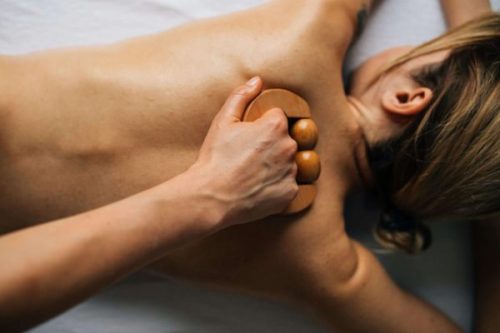

Healing massage is often described as a gentle, holistic approach to massage that focuses on relaxation, balance, and overall wellbeing rather than targeting a specific injury or medical condition 😊. For many people, it offers a way to slow down, reconnect with the body, and release physical and mental tension built up through daily life.
This guide explores what healing massage involves, how it is commonly practised, and the potential benefits it may offer as part of a balanced self-care routine. You’ll also learn how healing massage differs from other massage styles, what to expect from a session, and how to approach it safely and responsibly.
Healing massage draws on many foundational massage therapy techniques to support relaxation and overall wellbeing, rather than focusing on corrective or high-intensity treatment.
Table of Contents
What is Healing Massage?
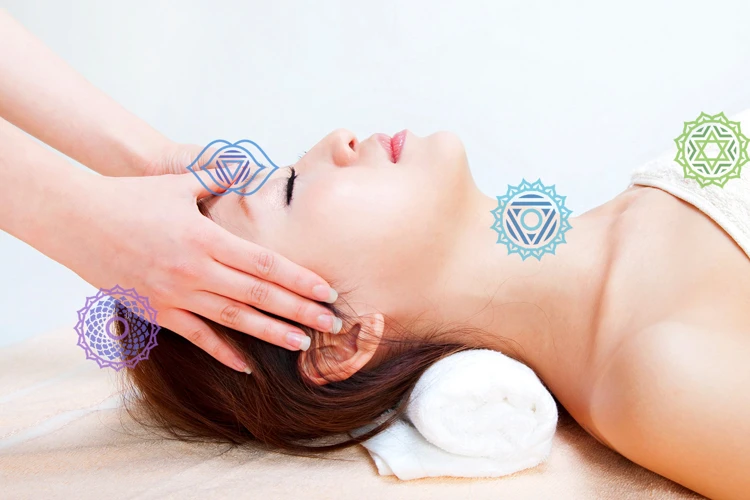
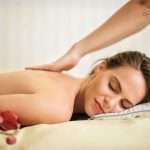
Healing massage is a broad term used to describe massage techniques that prioritise comfort, relaxation, and the body’s natural ability to settle and rebalance. Rather than focusing on aggressive pressure or corrective treatment, healing massage typically uses gentle to moderate touch, slow rhythms, and mindful techniques to create a calming experience.
The goal of healing massage is not to diagnose or treat medical conditions, but to support physical comfort and emotional relaxation. Sessions are often tailored to the individual, taking into account stress levels, sensitivity to touch, and personal preferences around pressure and pace.
While healing massage tends to be gentler in nature, it often overlaps with principles used in full body massage techniques, particularly when the goal is relaxation and nervous system calm.
How Healing Massage Is Practised
Healing massage is not a fixed technique or routine. Instead, it is an approach that adapts to the needs of the person receiving it 🧘♀️.
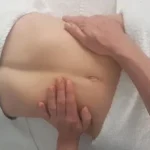
Some sessions may involve long, flowing strokes designed to encourage relaxation and circulation, while others may include slower, more focused movements to ease areas of tension. Breathing, rhythm, and intentional touch often play an important role, helping the body shift into a calmer state.
Because healing massage is highly individualised, communication is essential. Pressure, positioning, and focus areas are usually adjusted throughout the session to ensure comfort and ease rather than intensity.
Potential Benefits of Healing Massage
Many people turn to healing massage as part of a broader wellness routine rather than for a specific outcome. When practised regularly and thoughtfully, healing massage may support both physical and mental wellbeing 😊.
Physically, gentle massage can help the body feel less tense by encouraging muscle relaxation and improving circulation. This may contribute to a sense of lightness or ease, particularly for people who experience stiffness from stress, prolonged sitting, or repetitive movement.
Mentally and emotionally, healing massage is often associated with reduced stress and a greater sense of calm. The combination of touch, quiet time, and focused attention may help ease mental fatigue and support better sleep. While individual experiences vary, many people find healing massage helps them feel more grounded and balanced overall.
Common Healing Massage Approaches
Healing massage can draw from a range of massage traditions and styles. Some commonly used approaches include:
Gentle relaxation massage
Often inspired by Swedish massage techniques, this approach uses light to moderate pressure with smooth, flowing strokes to promote relaxation and comfort.
Deeper pressure techniques
Some healing massage sessions incorporate slower, firmer movements to address areas of tightness, always adjusted to the recipient’s comfort level rather than applied forcefully.
Stretch-based bodywork
Influenced by practices such as Thai massage, this approach may include gentle stretching or assisted movement to encourage mobility and ease.
Mindful or energy-focused bodywork
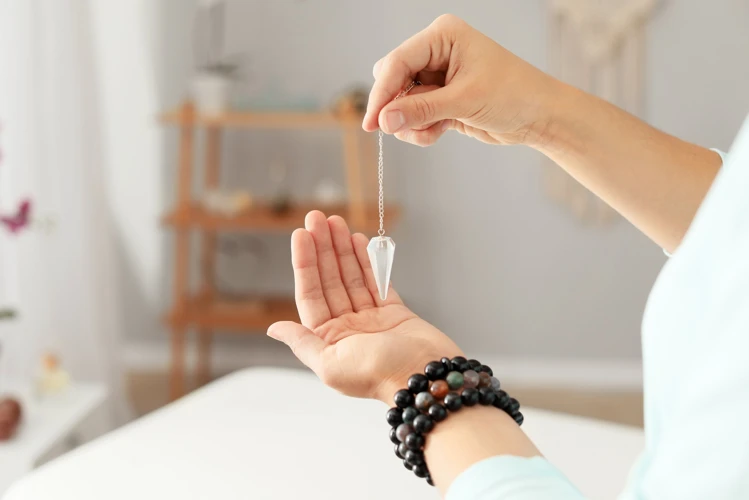
In some settings, healing massage may include mindfulness-based touch or energy-aware techniques. These are typically gentle and focused on relaxation rather than physical manipulation.
Not every healing massage session includes all of these elements. The combination used depends on personal preference and the practitioner’s style.
Safety Considerations for Healing Massage
Healing massage is generally considered low-risk when performed responsibly, but safety and communication remain essential ⚠️.
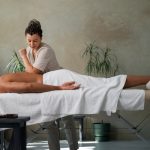
Before a session, it’s important to share any relevant health information, including injuries, medical conditions, or sensitivities. This allows techniques and pressure to be adjusted appropriately.
During the massage, pressure should always feel comfortable. Healing massage should not cause sharp pain, distress, or discomfort. If something feels uncomfortable at any point, it’s important to speak up and adjust or pause.
Basic hygiene and a calm, supportive environment also contribute to a safe experience. Clean linens, washed hands, and a comfortable room setup help create a sense of trust and relaxation.
If you have ongoing health concerns or are unsure whether massage is appropriate for you, it’s best to consult a qualified healthcare professional before booking a session.
How Often Is Healing Massage Used?
There is no single “right” frequency for healing massage. How often someone chooses to receive massage depends on lifestyle, stress levels, personal goals, and budget.
Some people enjoy healing massage once a month as a way to unwind and reset, while others incorporate it more regularly during periods of stress or emotional load. Consistency is often more beneficial than intensity — gentle, regular sessions tend to support relaxation better than infrequent, intense ones 🙂.
Frequently Asked Questions
What is healing massage used for?
Healing massage is commonly used to support relaxation, reduce everyday tension, and promote a sense of balance. Rather than targeting specific injuries or conditions, it focuses on comfort, gentle touch, and calming the nervous system. Many people use healing massage as part of a self-care routine to unwind mentally and physically.
Is healing massage different from therapeutic massage?
Yes. Healing massage generally emphasises relaxation and holistic wellbeing, while therapeutic massage is often more focused on addressing specific physical issues or movement limitations. Healing massage tends to use gentler techniques and slower pacing, whereas therapeutic massage may involve deeper or more targeted work.
Is healing massage safe for everyone?
Healing massage is suitable for many people, but it may not be appropriate in all situations. Individuals with certain medical conditions, recent injuries, or sensitivities should discuss their circumstances with a qualified professional beforehand. Open communication and gentle techniques help ensure the experience remains safe and comfortable ⚠️.
How often can you have a healing massage?
Some people benefit from healing massage every few weeks, while others choose more or less frequent sessions depending on their needs. There’s no strict rule — the best approach is one that feels supportive rather than excessive. Listening to how your body responds can help guide timing and frequency.
Conclusion
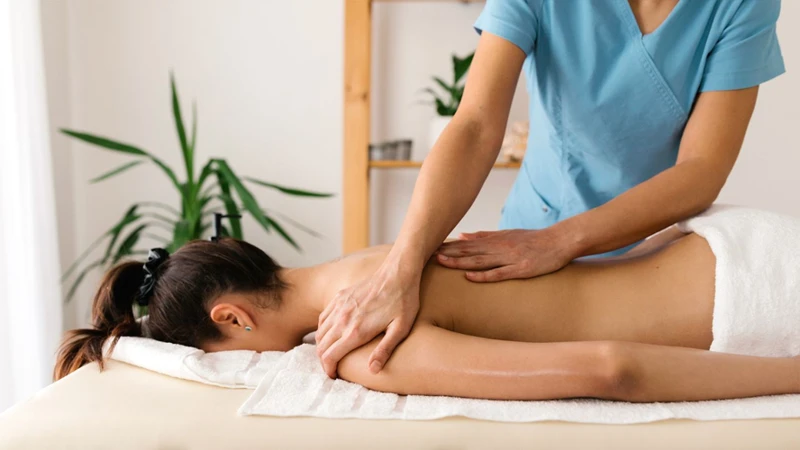
Healing massage offers a gentle, supportive way to relax the body and calm the mind 😊. By focusing on comfort, mindful touch, and individual needs, it provides an opportunity to slow down and reconnect with physical and emotional wellbeing.
While healing massage is not a substitute for medical care, it can complement healthy lifestyle habits and support overall balance when approached responsibly. Whether used occasionally or as part of a regular self-care routine, healing massage encourages a more intentional relationship with rest, relaxation, and recovery.
📚 References
- What Are the Benefits of Healing Massage?
- Healing Massage: What Is It and What Are the Benefits?
- Mayo Clinic: Benefits of Massage Therapy
- Cleveland Clinic: Massage Therapy
⚠️ Disclaimer:
This article is for informational purposes only and does not constitute medical advice. Always consult with a licensed healthcare provider or certified massage therapist before beginning any new treatment, especially if you have pre-existing health conditions or concerns.
About The Author