

Swedish vs deep tissue massage is one of the most common comparisons people make when choosing a massage, especially when deciding between relaxation and targeted muscle relief 🤔. Swedish and deep tissue massage are two of the most popular options, yet they serve very different purposes. While both fall under therapeutic massage, the pressure, techniques, and outcomes can feel worlds apart.
Understanding the difference between Swedish and deep tissue massage can help you choose the right approach for your body, goals, and comfort level. Whether you’re seeking relaxation, stress relief, or targeted muscle work, this guide breaks everything down so you can make an informed choice.
Table of Contents
What is a Swedish Massage?

Swedish massage is a gentle, relaxation-focused massage technique designed to ease muscle tension, improve circulation, and calm the nervous system 😌. It typically uses long, flowing strokes combined with light to moderate pressure, making it one of the most accessible and widely requested massage styles.
This type of massage is often chosen by people who want to unwind, reduce stress, or enjoy a full-body experience that feels soothing rather than intense. Swedish massage is also a popular option for first-time massage clients or anyone who prefers a lighter touch.
What is a Deep Tissue Massage?
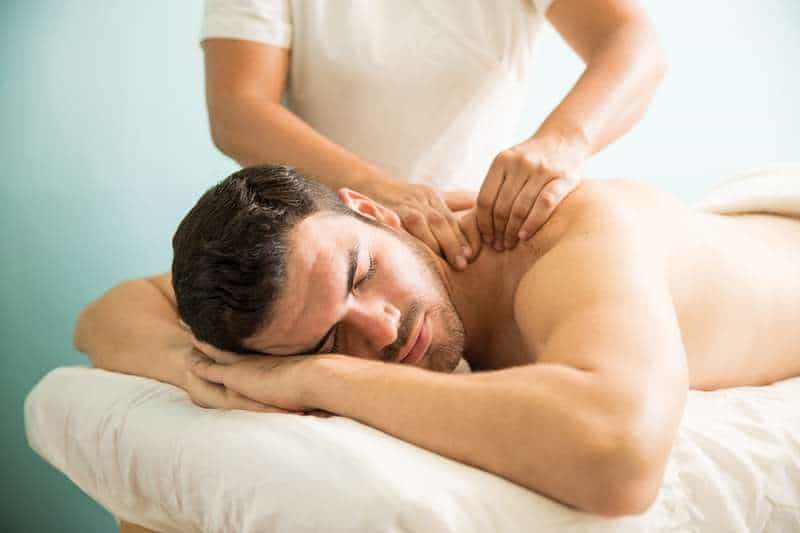
Deep tissue massage focuses on the deeper layers of muscle and connective tissue. It uses slower strokes and firmer, more focused pressure to target chronic tension, muscle knots, and restricted areas 💪.
Unlike Swedish massage, deep tissue work is not primarily about relaxation. It’s often used to address ongoing discomfort, stubborn tightness, or limited mobility caused by repetitive movement, poor posture, or physical strain. Because of the deeper pressure involved, the sensation can feel intense at times, but many people find it effective for long-standing muscle issues.
Difference between Swedish and Deep Tissue Massage

Although Swedish and deep tissue massage are both therapeutic, they differ significantly in pressure, intention, and overall experience.
Pressure Applied
Swedish massage uses light to moderate pressure with smooth, gliding movements that feel calming and rhythmic ✨. Deep tissue massage applies slower, deeper pressure designed to reach muscles beneath the surface, which can feel more intense during treatment.
Purpose and Benefits
Swedish massage is primarily used for relaxation, stress reduction, and easing mild muscle tension 🌿. Deep tissue massage is more targeted and often used to address chronic tightness, muscle knots, and restricted movement.
Techniques Used
Swedish massage relies on flowing strokes, gentle kneading, and rhythmic motions that help the body unwind. Deep tissue massage uses focused pressure, slow strokes, and sustained contact to release deeper muscle tension and adhesions.
Pain, Recovery, and Soreness Expectations
One of the biggest considerations when choosing between Swedish and deep tissue massage is how your body may feel during and after the session.
Swedish massage is designed to feel comfortable and soothing throughout. Most people leave feeling relaxed, loose, and mentally refreshed 😊. Post-massage soreness is uncommon and, if present, usually very mild.
Deep tissue massage, by contrast, can lead to temporary soreness after treatment — similar to how muscles feel after a workout. This is especially common when tight muscles or knots are worked on. Mild soreness lasting 24–48 hours is normal 💪 and usually resolves with hydration, gentle movement, and rest.
Who Each Massage Is Best For
Choosing the right massage often depends on lifestyle, stress levels, and physical demands.
Swedish massage may be better suited for:
- People experiencing high stress or anxiety
- Desk workers with general muscle tension
- First-time massage clients
- Anyone seeking relaxation and improved circulation
Deep tissue massage may be more suitable for:
- Athletes or physically active individuals
- People with chronic muscle tightness
- Those recovering from repetitive strain
- Individuals with limited mobility due to muscle stiffness
Matching the massage style to your needs helps set realistic expectations and improves long-term results 🌿.
Swedish vs Deep Tissue Massage for First-Time Clients
If you’re new to massage therapy, Swedish massage is often the recommended starting point. Its lighter pressure allows your body to relax and adjust to massage without feeling overwhelmed 😊.
Deep tissue massage can still be helpful for first-time clients, but communication is essential. Starting with too much pressure can cause unnecessary discomfort. Many people benefit from a blended session that begins with Swedish techniques and gradually introduces deeper pressure only where needed.
Aftercare and What to Expect After Each Massage
After a Swedish massage, most people feel calm, relaxed, and mentally clear. Drinking water and doing light stretching can help extend the benefits. Many clients also notice improved sleep later the same day 🌙.
After a deep tissue massage, aftercare plays a bigger role. Staying hydrated, applying gentle heat, and avoiding intense activity for the rest of the day can support muscle recovery. Some stiffness is normal, but it should ease within a day or two.
Listening to your body after either massage style helps maximize the benefits and prevent overdoing it.
Can Swedish and Deep Tissue Massage Be Used Together?
Yes — many massage therapists combine Swedish and deep tissue techniques within a single session 🔄. This blended approach often starts with lighter strokes to warm the muscles, followed by deeper work on problem areas.
A combination massage can be ideal if you want relaxation without ignoring deeper muscle tension, especially in areas like the neck, shoulders, or lower back.
What Is a Therapeutic Massage?
Therapeutic massage is an outcome-focused approach rather than a single technique. It describes massage sessions designed to relieve pain, reduce muscle tension, improve circulation, and support overall physical well-being 💆♀️.
Both Swedish and deep tissue massage are commonly used in therapeutic massage, depending on whether the goal is relaxation, recovery, or targeted muscle relief.
Frequently Asked Questions
What Are the Main Benefits of Swedish Massage Compared to Deep Tissue Massage?
Swedish massage is best known for relaxation, stress relief, and improved circulation 🌊. Deep tissue massage focuses more on releasing chronic muscle tightness, breaking down knots, and improving mobility.
Is Swedish Massage Better for Relaxation or Therapeutic Purposes?
Swedish massage is ideal for relaxation but can still offer therapeutic benefits for mild muscle tension and general discomfort.
Are There Any Contraindications for Either Massage?
People with certain medical conditions, recent injuries, or sensitivity to pressure should consult a healthcare provider or qualified massage therapist before choosing a massage style ⚠️
What Techniques Are Used in Each Massage?
Swedish massage uses long strokes, kneading, and rhythmic movements. Deep tissue massage uses slower strokes and focused pressure to reach deeper muscle layers.
Can You Combine Swedish and Deep Tissue Massage?
Yes. Many therapists blend both techniques to tailor the session to your comfort level and specific needs 🔄.
Final Thoughts
Swedish and deep tissue massage both offer valuable benefits, but they serve different purposes. Swedish massage focuses on relaxation, stress relief, and overall comfort, while deep tissue massage targets deeper muscle tension and chronic tightness.
Understanding the difference between Swedish and deep tissue massage makes it easier to choose the option that best supports your body and goals. When in doubt, clear communication with a qualified massage therapist can help ensure the session is tailored to you 🌟
📚 References
- Mayo Clinic. (2019). Massage: Get in touch with its many benefits
- National Center for Complementary and Integrative Health. (2017). Massage: What You Need to Know
⚠️ Disclaimer:
This article is for informational purposes only and does not constitute medical advice. Always consult with a licensed healthcare provider or certified massage therapist before beginning any new treatment, especially if you have pre-existing health conditions or concerns.
About The Author