
If you’re feeling tense, overwhelmed, or simply worn down, you may have come across hot stone massage as an option for deep relaxation. It’s one of the most popular massage styles offered in spas and wellness clinics — and for good reason 🌿
This guide explains what a hot stone massage is, how it works, the benefits people commonly experience, and the most important safety considerations. If you’re already booked in and want to know exactly what happens in a session, we’ve kept that covered separately in our companion guide on hot stone massage: what to expect.
Table of Contents
What is a Hot Stone Massage? 🔥
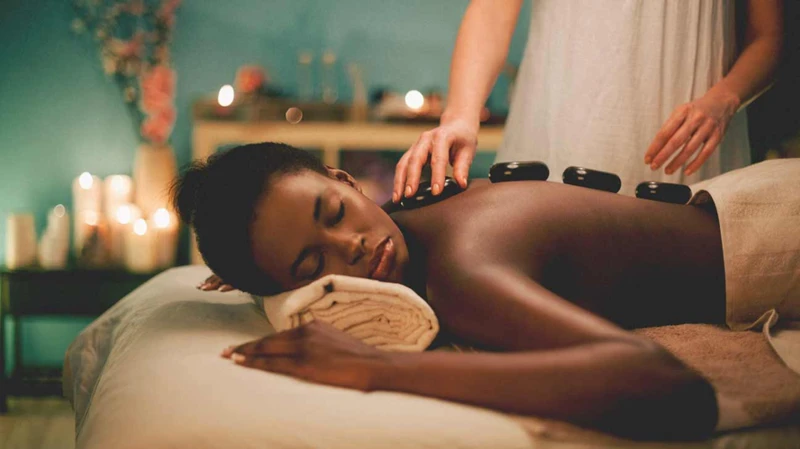
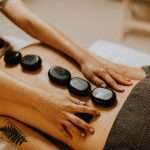
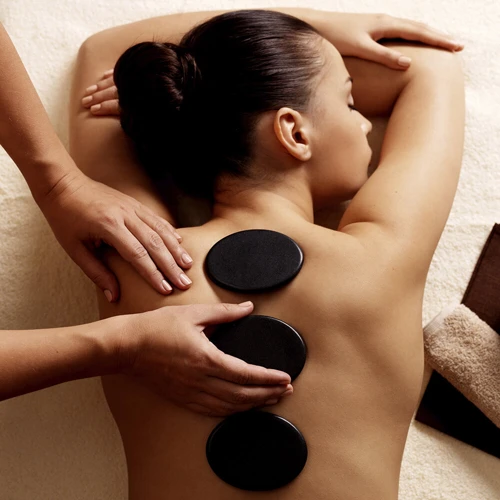
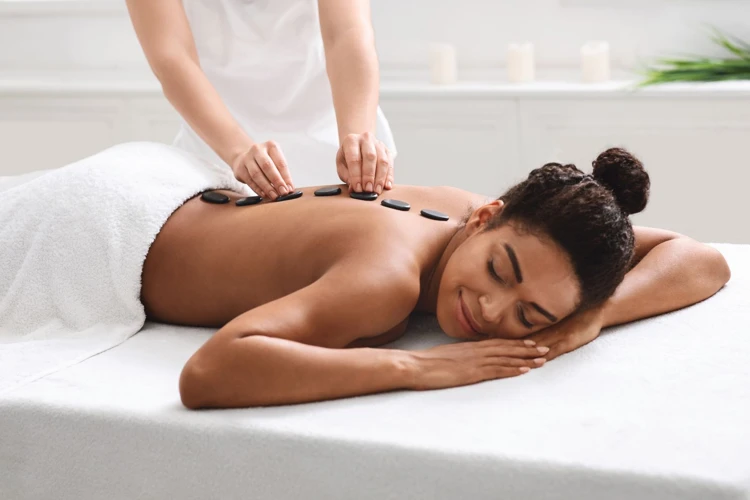
A hot stone massage is a massage treatment that uses smooth, heated stones alongside traditional hands-on massage techniques. The stones are typically placed on areas of the body that hold tension, such as the back, shoulders, or legs, and may also be used as a massage tool.
The defining feature of this massage style is heat. Warmth helps muscles relax more easily, which can make the massage feel soothing and deeply calming without requiring intense pressure. Many people choose hot stone massage when they’re looking for stress relief, muscle relaxation, or a sense of grounding rather than targeted deep tissue work.
How Hot Stone Massage Works ✨
Heat has a natural relaxing effect on the body. When warmth is applied to muscles, people often notice they soften more quickly, allowing the therapist to work comfortably and gently.
During a hot stone massage, the therapist may:
- place warm stones on specific areas of the body
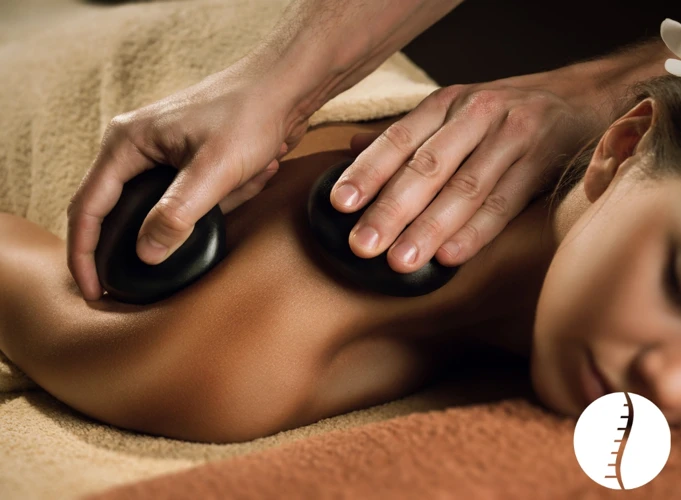
- use stones in slow, flowing movements
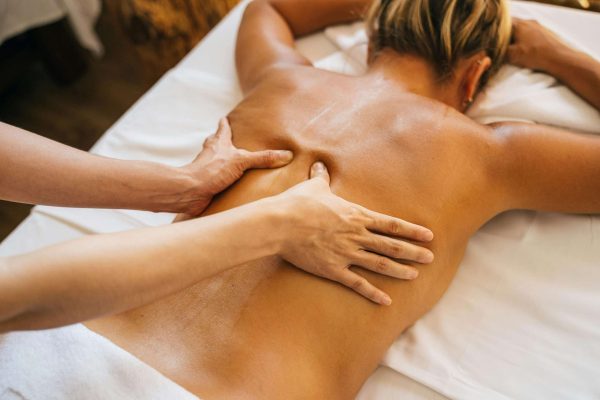
- combine stone work with traditional massage strokes
The session is always guided by comfort. A trained therapist will monitor stone temperature closely and adjust pressure, placement, or heat as needed.
If you’re curious about how this feels in real time — from the moment you lie down to how your body may feel afterward — our article on hot stone massage: what to expect walks through the experience step by step.
What Types of Stones Are Used? 🪨
Most hot stone massages use basalt stones, a type of volcanic rock chosen for its ability to retain heat evenly. Basalt stones are smooth, durable, and ideal for maintaining a comfortable temperature throughout a session.
Some therapists may also use cooler stones, often made of marble, as part of contrast therapy. This isn’t included in every hot stone massage, so it’s worth asking your therapist if you’re interested in hot-and-cold stone techniques.
Professional stones are always heated in a controlled way and sanitised between clients. Stones should never feel painfully hot when placed on the skin.
Benefits of a Hot Stone Massage 🌿
People often choose hot stone massage for both physical relaxation and mental calm. While individual results vary, common benefits reported include:
Deep relaxation and stress relief 😌
The warmth and slow pace of a hot stone massage can help the nervous system settle, making it easier to let go of mental and physical tension.
Muscle relaxation and comfort 💆
Heat can encourage tight muscles to soften more quickly, which many people find soothing, especially if they experience stiffness from stress, posture, or physical activity.
Improved sense of calm
Many clients describe feeling grounded, relaxed, and mentally clearer after a session — sometimes for hours afterward.
Better sleep for some people 😴
By reducing tension and promoting relaxation, hot stone massage may support deeper or more restful sleep, particularly when stress has been interfering with rest.
Hot stone massage is not a medical treatment and should not replace professional care for ongoing pain or health conditions.
Is a Hot Stone Massage Safe? ✅
For most people, hot stone massage is safe when performed by a qualified and attentive massage therapist.
The primary risk is burns, which are preventable when stones are heated correctly and when the therapist checks in regularly about comfort. You should always feel comfortable speaking up if the stones feel too warm or if you’d like an adjustment.
According to guidance from reputable medical sources such as the Cleveland Clinic and the National Center for Complementary and Integrative Health (NCCIH), massage therapies are generally safe when adapted appropriately and avoided in certain medical situations.
Who Should Avoid or Modify Hot Stone Massage ⚠️
Hot stone massage may not be suitable — or may need modification — if you have:
- reduced sensation or nerve damage
- diabetes with circulation issues
- vascular conditions or severe varicose veins
- inflamed skin conditions, open wounds, or recent injuries
- certain heart or circulatory conditions
Hot stone massage is also usually avoided during pregnancy, unless performed by a therapist trained in prenatal massage who can safely modify the treatment.
If you’re unsure, it’s always best to check with your healthcare provider and inform your massage therapist of any medical concerns before your session.
Hot Stone Massage vs Other Massage Styles 🌙
Choosing a massage style depends on what your body needs most.
Hot stone massage is often chosen for warmth, relaxation, and overall tension release.
Swedish massage focuses on flowing strokes without heated stones and is a classic option for relaxation.
Deep tissue massage uses firmer pressure and is usually selected for chronic muscle tightness or specific problem areas.
A good therapist can help guide you toward the most appropriate option based on your comfort level and goals.
Tips for Getting the Most Out of a Hot Stone Massage ✨
A few simple steps can help you enjoy the session more fully.
Arrive a little early if possible, so you’re not rushed. Let your therapist know if you tend to run warm or are sensitive to heat. After your massage, drink water and take it easy — many people feel calm or sleepy afterward, which is completely normal 😴
If this is your first time and you’d like a clear walkthrough of the session itself, our guide on hot stone massage: what to expect explains exactly what happens before, during, and after your appointment.
Frequently Asked Questions ❓
Are hot stone massages good for tight muscles?
They can be helpful for muscle tightness linked to stress or general tension. Heat often helps muscles relax more easily, making the massage feel soothing without needing strong pressure.
How hot are the stones in a hot stone massage?
The stones are heated to feel comfortably warm on the skin, not burning. A trained therapist checks the temperature before use and monitors your comfort throughout the session.
Is hot stone massage safe for everyone?
Not always. People with certain medical conditions, reduced sensation, circulation issues, or who are pregnant may need to avoid or modify hot stone massage. Always check with a professional if unsure.
How often should you get a hot stone massage?
Some people enjoy it monthly for relaxation, while others book occasionally during high-stress periods. Frequency depends on your goals and how your body responds.
Final Thoughts ✨
Hot stone massage is best understood as a relaxation-focused therapy that uses warmth to help the body slow down and let go of tension. For many people, it offers a gentler, more calming alternative to firmer massage styles, especially during periods of stress, fatigue, or emotional overload 🌿
As with any wellness treatment, the key is suitability. When performed by a qualified therapist and adapted to your individual needs, hot stone massage can be a deeply restorative experience. If you’re curious but unsure, learning what happens during a session can help — our guide on hot stone massage: what to expect walks you through the experience in practical, first-time-friendly detail.
Ultimately, the best massage is the one that makes you feel safe, relaxed, and supported — and for many, hot stone massage does exactly that 😌
📚 References
- MassageMag: Hot Stone Massage Benefits
- Healthline: 6 Benefits of Hot Stone Massage
- WebMD: What to Know About Hot Stone Massage
⚠️ Disclaimer:
This article is for informational purposes only and does not constitute medical advice. Always consult with a licensed healthcare provider or certified massage therapist before beginning any new treatment, especially if you have pre-existing health conditions or concerns.
About The Author