
Mastitis can hit suddenly — one moment you feel fine, and the next your breast feels hot, swollen, and achy. For many breastfeeding mums, it’s a painful and emotional hurdle in an already demanding season of life. But here’s the good news: modern mastitis therapy is far more gentle, calming, and effective than older advice that encouraged deep, painful breast massage.
I’m April Merrick, your Wellness Editor, and in this guide, I’ll walk you through the updated, research-backed approach to mastitis therapy. This method focuses on calming inflammation, encouraging natural milk flow, and protecting the delicate breast tissue so your body can heal safely and effectively — without force, digging, or pressure.
This article is a supporting resource within our breastfeeding care hub, designed to give you clarity and comfort during a challenging moment.
Table of Contents
🌿 What Mastitis Therapy Really Means Today
Traditional mastitis advice often encouraged forceful massage — pushing, kneading, or trying to “break up lumps.” That approach is outdated and can cause more harm than good. Modern lactation science now understands that mastitis is primarily an inflammatory condition, not a blockage that needs to be forced out.
Modern mastitis therapy focuses on:
- 🌸 Reducing swelling and breast inflammation
- 🌿 Supporting gentle, natural milk movement
- 💛 Protecting breast tissue from further irritation
- 🤱 Keeping breastfeeding or pumping comfortable and sustainable
The goal isn’t to force milk through swollen ducts — it’s to help the breast settle so milk can flow naturally again.
🌼 Why Mastitis Happens (And Why It’s Not Your Fault)
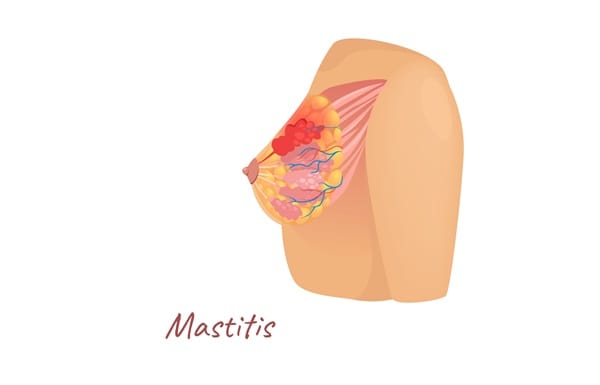
Mastitis is almost always triggered by inflammation. Milk flow slows slightly, the breast becomes irritated, and swelling follows. Once inflammation begins, the ducts narrow, making milk movement even more difficult — which then increases swelling further. It becomes a circular cycle.
Many everyday situations can trigger this:
- 🤱 Longer gaps between feeds or sudden routine changes
- 🌿 Feeding more on one breast than the other
- 😴 Exhaustion, stress, or dehydration
- 🎀 Compression from bras, clothing, baby carriers, or sleeping positions
- 🍼 Sudden changes in supply or baby appetite
Nothing about mastitis means you’ve done something wrong. It’s simply your breast asking for a little extra care.
💛 Why Deep Pressure Makes Mastitis Worse
This is the most important shift in mastitis therapy.
For decades, mums were told to dig into painful areas, press out “lumps,” or massage the breast hard until milk is released. We now know this approach:
- 🌼 increases tissue swelling
- 🌸 irritates already-inflamed ducts
- 💛 slows milk flow instead of helping
- 🌿 can even cause new inflammation
Feather-light touch is not only safer — it’s far more effective. 👉 Read More: Breastfeeding Massage: A Complete Guide to Comfort, Milk Flow, and Confidence
Modern protocols are clear: no deep pressure, no digging, no kneading, no rolling “lumps.”
Your breasts are already working incredibly hard. They need calm, not force.

⭐ Gentle Mastitis Therapy Techniques (Clean, Limited Emoji Points)
Below is the only type of breast care proven to support mastitis recovery safely and effectively. Instead of long checklists, these techniques are simple, soothing, and designed to protect your breast while helping it heal.
🌸 Warmth Before Feeding
Warmth softens the breast, relaxes tissues, and encourages let-down. This might be:
- a warm shower
- a warm compress
- your own hands
A minute or two is enough — the goal is comfort, not heat therapy.
❄️ Cold After Feeding
Cold reduces inflammation more effectively than anything else. After each feed or pump session, apply cold for 10–15 minutes using:
- a wrapped ice pack
- chilled gel pad
- cool cloth
You’ll often feel relief almost immediately.
🌿 Feather-Light Lymphatic Strokes
Not massage — and absolutely no digging.
These strokes help reduce swelling so milk can flow more easily:
- 🌸 Use the lightest pressure you can
- 🌿 Sweep gently toward the armpit
- 🌼 Keep movements slow and surface-level
This helps reduce inflammation around the breast tissue and ducts.
🤱 Gentle Milk Movement (Not “Emptying Hard”)
Feeding or pumping normally is helpful. But trying to “pump everything out” can worsen inflammation, especially if your supply is high.
Think:
- soft
- frequent
- comfortable
Over-pumping signals the breast to produce more milk, which adds more pressure to already stressed tissue.
💛 Soothing Breast Support
Sometimes simply supporting your breast during feeding or let-down can:
- ease internal pressure
- improve comfort
- help milk settle naturally
Especially helpful with larger breasts or during nighttime feeds.
🌼 Whole-Body Support
Mastitis affects more than just the breast. Supporting your whole system makes recovery faster:
- hydration
- rest
- warm meals
- doctor-approved anti-inflammatories (like ibuprofen)
Your body heals mastitis — these steps help it do that job.

🌷 What NOT To Do
Only a few clear points:
- 💛 No deep, forceful breast massage
- 🌿 No hot packs applied for long periods
- 🤱 No tight bras, compression, or restrictive clothing
- 🌸 No trying to “push out” lumps
Your breast heals best when treated with gentleness.
🌼 When You’ll Notice Mastitis Therapy Helping
Most mums start feeling more comfortable within 12–24 hours when using gentle mastitis therapy consistently. Common improvement signs include:
- less heat
- reduced swelling
- softer breast tissue
- easier let-down
- less body ache
Full improvement typically occurs over 48–72 hours.
⭐ When to See a Doctor
Reach out for medical support immediately if you experience:
- fever or chills
- worsening redness or spreading heat
- severe pain
- no improvement after 24 hours
- symptoms that come and go repeatedly
Quick treatment prevents complications like abscesses.
❓ FAQs
Can I breastfeed with mastitis?
Yes. Continuing to feed is safe and often helps reduce symptoms.
Is mastitis therapy the same as breast massage?
No. Mastitis therapy focuses on reducing inflammation with gentle, surface-level techniques.
Should I pump more to clear mastitis?
No — over-pumping increases inflammation. Pump only for comfort.
Does mastitis always require antibiotics?
Not always. Many cases improve with gentle therapy, but medical assessment is essential if symptoms worsen or persist.
🌸 Final Thoughts
Mastitis can feel like it’s pulling you away from the moments you want to enjoy most — those soft snuggles, sleepy feeds, and quiet bonding time with your little one. But with gentle care and a calm approach, your body can heal, your discomfort can ease, and you can return to simply being present with your bub. Remember, this challenging phase is temporary, but the connection you’re building lasts forever. Be kind to yourself, rest when you can, and let each small moment with your baby remind you that you’re doing an incredible job 💛.

✔ Reviewed November 2025 by April Merrick, Wellness Editor
📚 References
📌 Academy of Breastfeeding Medicine — Mastitis Protocol
📌Mayo Clinic – Mastitis: Causes and Treatment
📌NIH National Library of Medicine — Physiology of Lactation
📌Cleveland Clinic – Mastitis: Causes, Symptoms, Treatment & Prevention
⚠️ Medical Disclaimer:
This article is for general informational and educational purposes only and is not a substitute for professional medical advice, diagnosis, or treatment. Breastfeeding experiences vary, and any concerns about breast pain, infection, latching, milk supply, or your baby’s feeding should be discussed with a qualified healthcare provider or an International Board Certified Lactation Consultant (IBCLC). Always seek the guidance of your doctor or healthcare professional with any questions you may have.
About The Author