
There’s a moment during a good massage when the body stops resisting. The breath softens, the shoulders sink, and everything inside shifts into a quieter rhythm. Most people think you need years of training to create that effect — but the truth is, you can learn how to massage someone effectively with just a handful of essential techniques and a bit of intention.
This guide walks you through the foundations of giving a great massage at home. It’s not about fancy movements or deep therapeutic work; it’s about understanding how the body responds to touch and learning how to create an experience that feels calm, connected, and genuinely restorative.
Table of Contents
Creating the Right Environment
Good massage begins long before you lay your hands on someone. A calm, warm environment does half the work for you by signalling to the body that it’s safe to relax. Soft lighting, gentle music, and a comfortable surface — even a simple bed or couch — set the tone. Warm your hands, keep the space private, and give the person a moment to settle before you begin.
The right massage oil also makes a difference. A light, neutral option such as almond or jojoba oil gives your hands enough glide without leaving the skin greasy. Avoid anything heavily scented or sticky, as strong fragrances can distract the mind and interrupt the flow of the massage.
Before you start, ask a few simple questions:
Do they prefer light or moderate pressure? Are there areas that feel tight or sore? Are there spots they want you to avoid? Clear communication makes the massage feel personalised rather than generic, and it ensures you’re working in a way that supports their comfort.
Understanding the Foundations of Good Technique
Learning how to massage well isn’t about memorising dozens of movements — it’s about mastering a small set of core techniques and applying them with patience and rhythm.
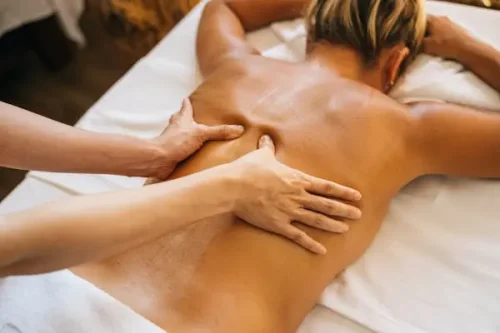
The first technique is effleurage, the long, gliding strokes that almost every massage begins with. These strokes warm the muscles, spread the oil, and help your hands find a steady tempo. Begin at a broad area, like the lower back or thigh, and move slowly toward the heart. The touch should feel warm, confident, and unhurried.
Once the muscles feel warm, you can gradually introduce petrissage — gentle kneading that lifts and rolls the soft tissue. It’s ideal for the shoulders, upper back, calves, and thighs. The movement should never feel pinchy; instead, think of slowly folding the muscle between your palms to coax out lingering tension.
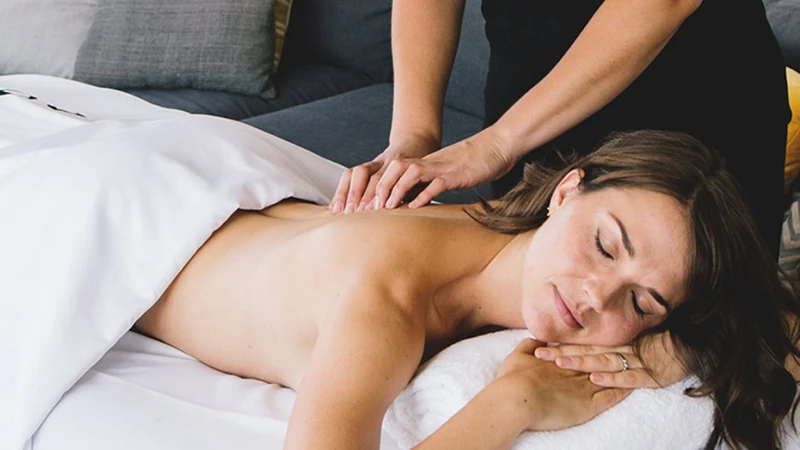
When you come across tight spots, friction helps loosen them. These are small circular movements using your thumbs or fingertips, applied with just enough pressure to encourage the muscle to release. This technique works best along the shoulder blades, the tops of the shoulders, and the outer hips.
Compression is another simple but effective technique. This involves placing your palm over a broad area and gently leaning your body weight in — not pushing from your arm, but letting gravity support the movement. Compression helps relax deeper layers of muscle and is often more comfortable than firm kneading.
The final foundational skill is gentle mobilisation. Moving a limb through its natural range — lifting an arm, rotating a shoulder, or lightly stretching a calf — encourages circulation and helps the person’s body feel more open and free.
Together, these techniques create the flow and rhythm that make a massage feel professional rather than improvised.
How to Massage Different Parts of the Body
Although the same techniques are used across the body, each area responds differently to pressure and pace. Here’s how to approach the most common areas people love to have massaged.
The Back
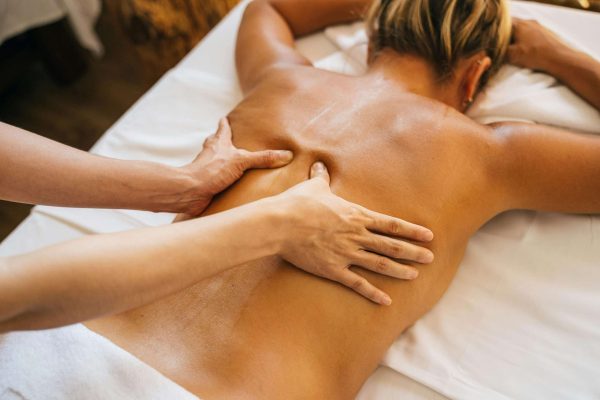
The back is where most people hold their stress, and it’s the easiest place to practise. Start with broad, sweeping strokes from the lower back up to the shoulders. Once the tissues soften, work into the upper back with slower kneading, especially around the shoulder blades. Most tension gathers along the trapezius muscles, so spend a little extra time here with steady pressure and small circular motions. Avoid pressing directly on the spine — work alongside it instead.
The Neck and Shoulders
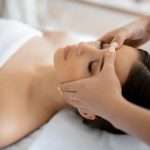
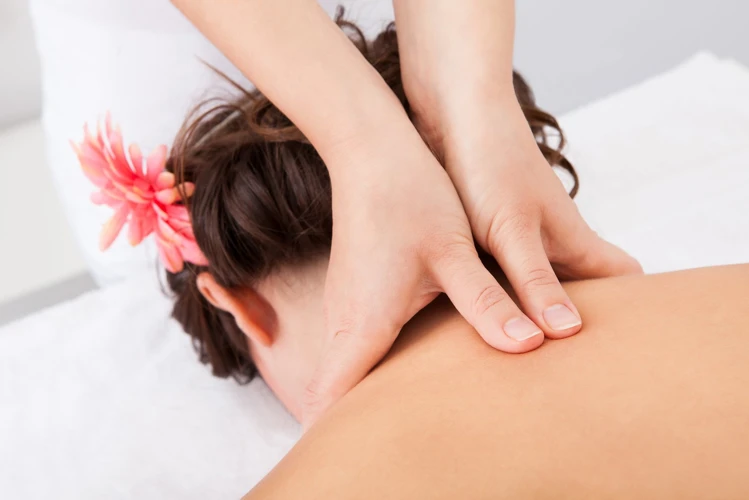
Neck tension can be stubborn, so it helps to begin gently. Use your fingertips to make slow circles at the base of the skull, then move down the sides of the neck with light pressure. The tops of the shoulders respond well to kneading, but keep checking the person’s comfort level, as this area can be surprisingly sensitive. A relaxed pace is key; rushing makes the muscles contract rather than release.
The Arms and Hands
Arms are often overlooked, but they’re incredibly soothing to massage. Glide your hands from the wrist toward the shoulder, warming the skin and muscles as you go. The forearms respond particularly well to slow, circular pressure, especially for anyone who types or uses their hands all day. End with the hands themselves — massaging the palm, the base of the thumb, and each finger — a small detail that feels deeply relaxing.
The Legs
Leg massage is grounding and restorative. Begin at the ankles and move upward in long, steady strokes. The calves can be kneaded the same way you would knead dough — gently, rhythmically, and with enough firmness to release tension. The quadriceps and hamstrings respond best to broad pressure from your palms or forearms. Always avoid pressing directly behind the knee, as this area is vascular and sensitive.
The Feet
Even a few minutes of foot massage can relax the entire body. Warm the foot with firm strokes from heel to toe, then use your thumbs to work into the arch. Slow, circular movements around the heel, followed by gentle toe stretches, help the foot feel light and open. For a full guide, you can link readers to your dedicated article on giving a great foot massage.
Finding the Right Pressure
Pressure can make or break a massage. Too light and it feels ticklish; too firm and the body tenses up. A good rule is to begin lightly, gradually build to a moderate pressure as the muscles warm, and slow down again near the end. Watch for cues — deeper breathing, softening muscles, or a relaxed expression all tell you you’re on the right track.
If the person holds their breath, tightens their shoulders, or tries to shift away, back off. Massage should never feel like the body is being forced to let go; it should feel like it’s being invited.
Pacing, Rhythm, and the Art of Not Rushing
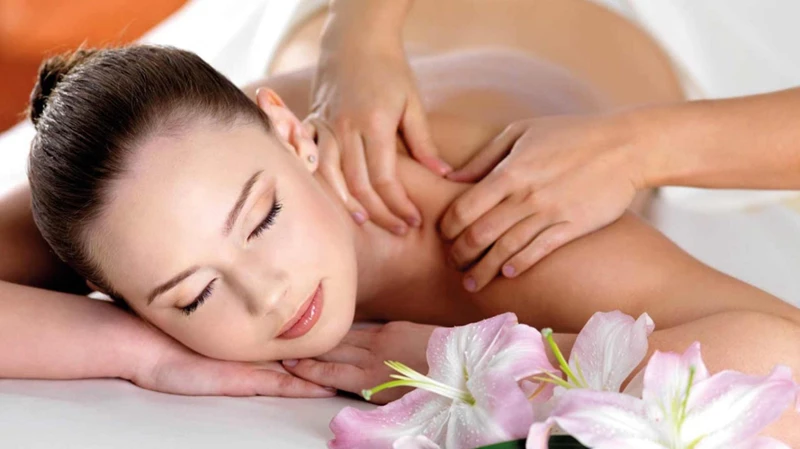
What separates a good massage from a great one is rhythm. Moving too quickly keeps the nervous system activated, while slower, more deliberate movements encourage the body to drop into relaxation.
Give each stroke enough time to land. Finish one movement fully before starting the next. Smooth transitions between techniques help the massage feel intentional rather than choppy. Think of it like painting with broad, calm strokes instead of scribbling — the body reacts to the energy you bring to the movement.
Ending the Massage With Care
A professional-feeling massage ends just as thoughtfully as it begins. Gradually lighten your pressure and slow your pace until your touch becomes more of a warm presence than a movement. Let your hands remain still for a moment to let the body settle. Offer the person a blanket, give them time to sit up slowly, and bring them a glass of water. This gentle finish helps the nervous system stay relaxed rather than snapping back into alert mode.
Frequently Asked Questions
How long should a massage last?
For a single area, even ten minutes can help. A full-body massage generally takes between forty-five minutes and an hour, while ninety minutes allows you to explore each area more deeply.
Do I need special equipment?
Not at all. A bed, couch, or floor mat works perfectly well. Massage tables are helpful but not required.
Can I massage someone with sore muscles?
Yes — but start lightly. Sore areas respond best to gentle warming strokes before introducing deeper pressure.
What oil should I use?
A simple, unscented lotion or a light oil such as almond or jojoba works well. Avoid heavy, perfumed oils that can irritate the skin.
Final Thoughts
Learning how to massage is less about technique and more about attention. When you move slowly, listen to the body beneath your hands, and stay present, even the simplest strokes can help someone feel calmer, lighter, and more connected to themselves. Great massage isn’t about perfection — it’s about presence, rhythm, and care.
If you want to explore more specific techniques next, you may find these helpful:
- How to Massage the Back
- How to Give a Good Foot Massage
- Best Massage Techniques for Beginners
Reviewed November 2025 by John Winter, Wellness Editor
References
- The Benefits of Massage Therapy, American Massage Therapy Association
- Massage: Get in touch with its many benefits, Mayo Clinic
- How to Give a Relaxing Massage: A Simple How-To Guide
⚠️ Disclaimer:
This article is for informational purposes only and does not constitute medical advice. Always consult with a licensed healthcare provider or certified massage therapist before beginning any new treatment, especially if you have pre-existing health conditions or concerns.
About The Author