
If you’ve recently undergone breast augmentation—or you’re preparing for surgery—you’ve probably heard the terms “drop and fluff,” “post-op massage,” and “implant settling.” While breast massage isn’t required for every patient, many surgeons still recommend it as part of a personalized recovery plan. When performed safely and at the right stage of healing, breast massage can reduce swelling, improve softness, support implant positioning, and help you feel more comfortable throughout your recovery.
This complete guide walks you through why breast massage matters, when to start, how to perform each technique, and what precautions you need to follow. Let’s support your healing journey with clarity, confidence, and care. 💛
Table of Contents
Why Massage After Breast Augmentation Helps 🌸
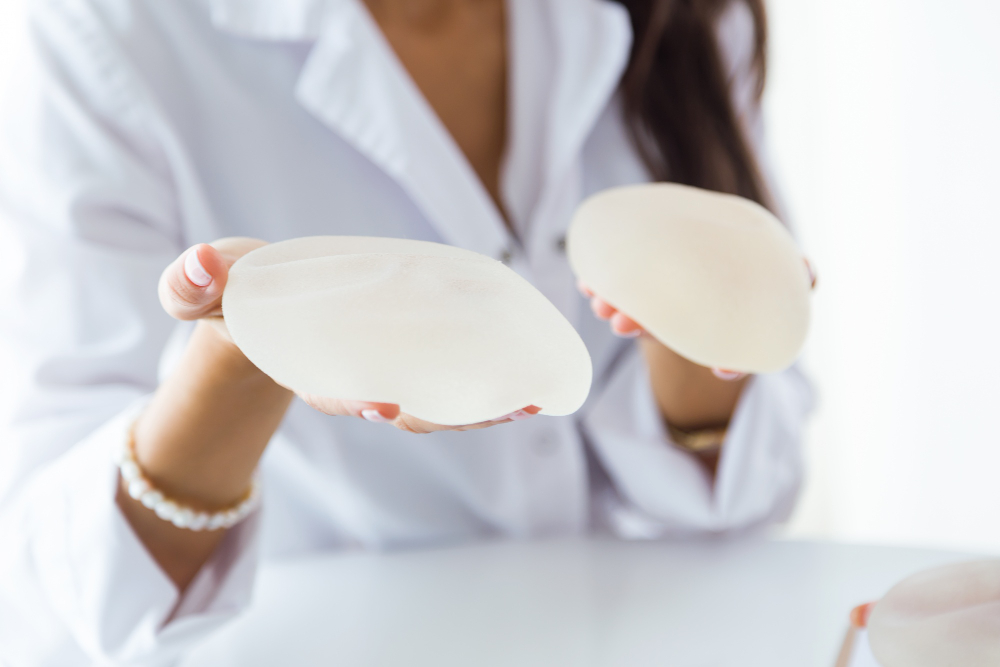
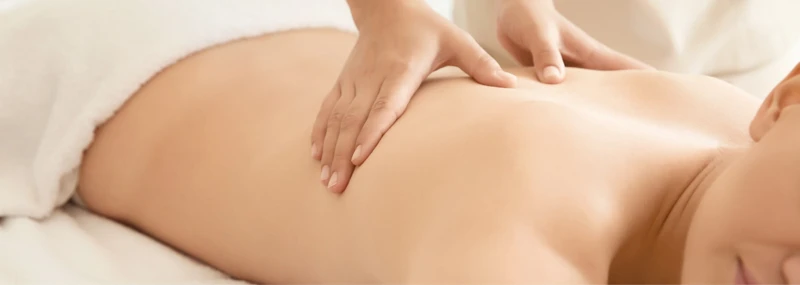
Breast augmentation involves creating a pocket within your breast tissue or chest muscle to accommodate an implant. As your body heals, a natural capsule forms around the implant. Massage—when guided by your surgeon—can help keep that capsule flexible, support symmetry, and encourage implants to settle into a natural-looking shape.
Most patients experience swelling, tightness, or pressure in the chest during the first few weeks. Gentle massage improves circulation and lymphatic flow, helping relieve that full, heavy feeling. (If you’re also dealing with breast fullness or swelling postpartum, our guide on how to massage swollen breasts offers additional comfort techniques.)
Another key benefit is the “drop and fluff” phase—when implants gradually soften and settle lower into the breast pocket. Massage can help encourage this process, especially if one implant sits higher or drops slower than the other.
Massage may also play a role in reducing the risk of capsular contracture for some implant types, though it’s not a guaranteed prevention method. Instead, consider it part of a comprehensive recovery plan.
Do All Surgeons Recommend Massage? 🤔
No—this has changed in recent years.
Whether your surgeon recommends routine massage after breast augmentation will depend on your implant type and placement, since not all implants respond the same way to guided movement. Older implants and surgical techniques often required routine massage. Today, the need for massage depends on:
- Implant type (smooth vs. textured vs. gummy bear)
- Implant shape (round vs. anatomical)
- Placement (submuscular, subglandular, or dual plane)
- Surgical technique
- Healing response
For example:
- Textured implants generally should not be massaged
- Cohesive gel (“gummy bear”) implants usually don’t require massage
- Smooth, round implants often benefit from guided displacement
- Dual-plane patients may have tailored routines based on muscle tension
👉 Your surgeon’s instructions always override any general advice you read online.
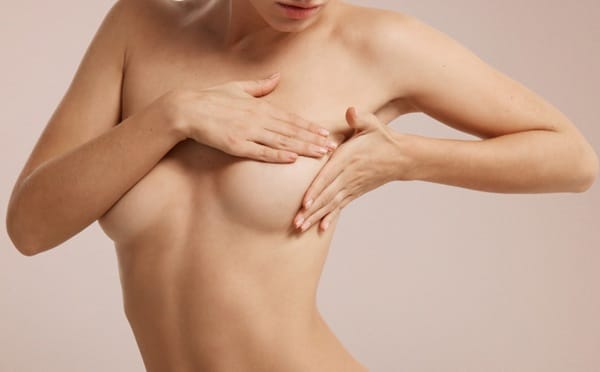
If you’re dealing with postpartum tenderness, see our guide on engorged breasts and relief techniques for safe alternatives.
When to Start Massaging After Breast Augmentation ⏱️
The timing of when you begin massage after breast augmentation varies widely, which is why surgeon approval is absolutely essential before starting any routine. Most surgeons recommend starting breast massage 1–3 weeks after your procedure. Massage should never begin until:
- your surgeon confirms the implant pocket is stable
- incisions are healing properly
- swelling has reduced
- there’s no unusual pain or bleeding
Beginning too early can irritate healing tissues or shift the implant out of position. If you’re dealing with early swelling or fluid retention, exploring lymphatic drainage massage can help you understand how fluid movement supports natural recovery.
Techniques for Massage After Breast Augmentation💕
There are several techniques commonly used for massage after breast augmentation, each designed to support implant settling and long-term comfort. Your massage routine will depend entirely on your surgeon’s protocol. These are the most commonly recommended techniques, explained gently and safely.
Circular Softening Massage 🔄
This technique helps increase circulation and soften the surrounding breast tissue.
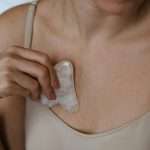
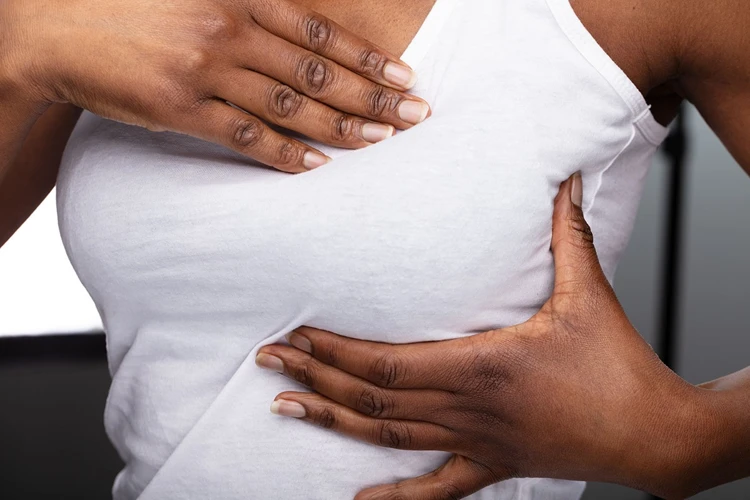
Place your palms over each breast and move in slow, comforting circular motions, allowing the tissue to warm and relax. Keep pressure light—just enough to mobilize the tissue without discomfort. Continue for two to three minutes per breast.
Displacement Massage (“Drop and Fluff”) ⬇️💫
Often recommended for smooth implants, this helps implants settle naturally.
Place your fingertips on the upper portion of your breast. Gently apply downward pressure and slowly guide the implant toward the lower breast. Move with the tissue—not against it. This supports the “drop” phase and encourages a balanced silhouette as swelling decreases.
Medial and Lateral Shift Massage ↔️
This helps maintain symmetry and pocket flexibility.
Place a hand on the outer breast and gently guide the implant inward toward the center. Hold briefly, then release. Next, place your hand on the inner breast and guide the implant outward. Repeat several times on each side.
Upward Tissue Massage ⬆️
This method helps soften tight upper-pole tissue.
Place your hands beneath your breasts and sweep upward toward the collarbone, using a gentle and soothing touch. Avoid applying pressure directly over incision sites until fully healed.
How Often to Massage 📅
If your surgeon approves massage, a typical schedule may look like:
- Weeks 1–2: gentle touch once or twice daily
- Weeks 3–6: 5–10 minutes, twice daily
- Weeks 6–12: once daily
- After three months: occasionally for comfort and softness
If anything feels “off,” scale back and check with your surgeon.
How Long Should You Continue? 🗓️
Most patients massage for six weeks to three months. Some surgeons recommend longer routines for smooth implants, while textured or gummy bear implants typically require none.
Your timeline depends on your healing, implant behavior, and capsule formation.
Precautions to Keep in Mind ⚠️
- Never start massage without surgeon approval
- Avoid applying pressure on early incisions
- Stop immediately if you feel sharp pain or sudden swelling
- Watch for unusual firmness or asymmetry
- Do not force any movement—gentle guidance only
Your body will tell you when a technique feels soothing vs. stressful.
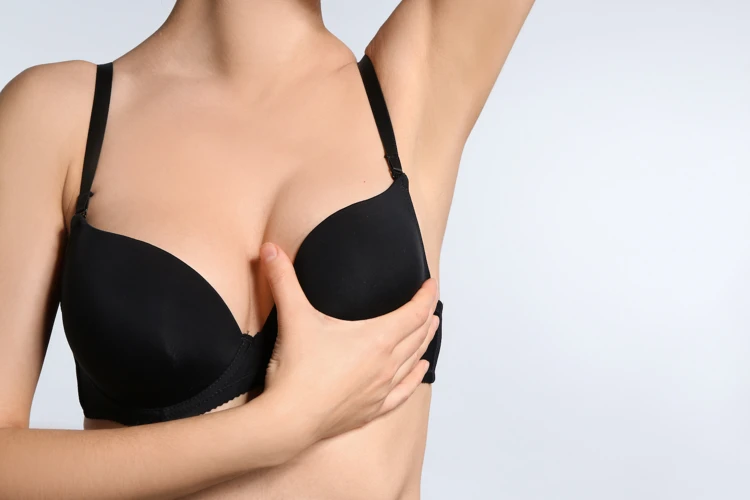
Tips for a Comfortable Routine 🌼
- Massage after a warm shower to relax tissues
- Use gentle, fragrance-free lotion to reduce friction
- Move slowly—quality matters far more than intensity
- Don’t compare your “drop and fluff” timeline to others
- Keep attending follow-ups so your surgeon can refine your routine
If you plan to get a professional massage later in recovery, here’s what to expect: what to wear to a massage.
Frequently Asked Questions
Many patients have questions about how to perform massage after breast augmentation correctly and safely, which is why these surgeon-aligned answers are designed to guide you through common concerns.
Do all breast implants need to be massaged after augmentation?
Not all implants require massage. Many surgeons recommend it for smooth, round implants placed under the muscle because it helps maintain a soft pocket and supports natural settling. Textured implants and cohesive gel (“gummy bear”) implants generally do not need massage, and in some cases, it’s discouraged. Follow your surgeon’s instructions, as the need depends on implant type, placement, and healing.
How soon after breast augmentation can I start massaging?
Most patients start breast massage 1–3 weeks after surgery, but timing varies. Starting too early can irritate tissues or shift the implant. Wait for surgeon approval. When cleared, begin gently and increase pressure gradually.
How do I massage implants to help them drop and settle?
“Drop and fluff” massage usually involves gentle downward pressure to guide the implant into the lower pocket. Place your fingertips on the upper breast and slowly move downward in small, controlled motions. Only perform this technique if approved by your surgeon.
Can breast massage prevent capsular contracture?
Massage may help reduce the risk of capsular contracture in some patients with smooth implants by keeping the capsule flexible. However, it’s not a guaranteed prevention method. Surgical technique, implant placement, and individual healing also play major roles.
If massage makes you feel tender, see our guide on why you may feel sore after a massage.
What if one implant drops faster than the other?
This is extremely common. One chest muscle may be tighter, or you may sleep more on one side. Your surgeon may adjust your massage routine to encourage the higher implant to settle. Asymmetry is normal in early healing, but sudden firmness or pain should be checked.
Does implant massage make breasts softer?
Gentle, consistent massage can help implants feel softer by improving circulation and relaxing surrounding tissues. Softness usually increases during the “drop and fluff” phase. However, implant type and surgical technique also influence the final softness.
Can massaging too early damage the implants?
Yes. Massaging too early may cause swelling, bleeding, or implant shifting. Early tissues are delicate and need time to stabilize. Always wait for medical clearance.
How long do I need to continue massaging my implants?
Most surgeons recommend continuing massage for 6 weeks to 3 months, although some suggest longer routines for smooth implants. Your surgeon will tailor this based on your healing and progress.
What should I do if breast massage feels painful?
Stop immediately. Mild tightness is normal, but sharp pain, burning, or swelling is not. Discomfort may mean tissues need more time to heal or that your technique needs adjustment. Contact your surgeon for personalized guidance.
🔗 You May Also Like
⭐ A Guide To Lip Filler Migration
⭐ Engorged Breasts Relief
⭐Lymphatic Drainage Massage
⭐How Do You Massage Breast Scar Tissue
📚 Medical References
- Farahani, A. et al. (2017) ‘The effect of massage after mastectomy: A randomized clinical trial’, Nursing & Midwifery Studies, 6(3), pp. e36359.
- Spencer, I.M. et al. (2015) ‘The effects of massage therapy on pain and anxiety in patients undergoing breast augmentation’, Aesthetic Surgery Journal, 35(5), pp. 603–613.
- Cleveland Clinic – Capsular Contracture Overview
- American Society of Plastic Surgeons (ASPS) – Breast Augmentation Post-Op Care
⚠️ Disclaimer:
This article is for educational purposes only and is not a substitute for professional medical advice, diagnosis, or treatment. Always follow the guidance of your surgeon or qualified healthcare provider regarding post-operative care, including whether breast massage is appropriate for your specific procedure and implant type. Never begin massage after breast augmentation without medical clearance. If you experience pain, swelling, or any unusual symptoms, contact your surgeon promptly.
About The Author