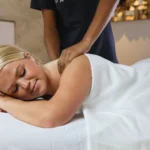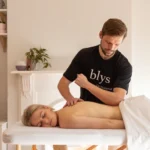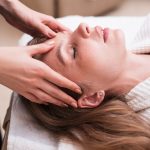

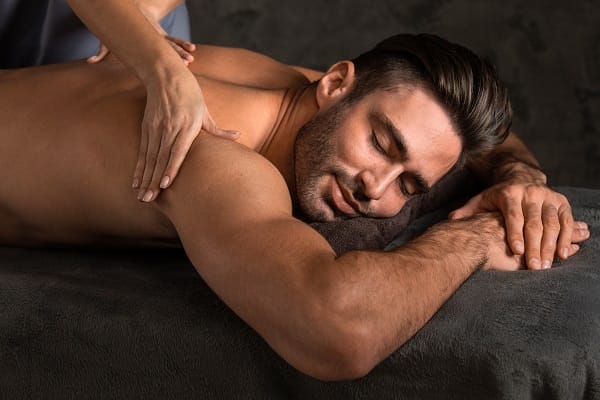
Modern life leaves many men wound tight with stress, sore muscles, and restless sleep. Whether your partner spends long hours at a desk, works a physically demanding job, or simply needs to unwind, learning how to give a full body massage to a man can provide both physical relief and emotional connection.
As a licensed massage therapist, I’ve found that when couples learn to give each other simple, intentional massages, it strengthens trust and brings calm to both sides. This guide will show you exactly how to give your partner a relaxing, professional-style massage at home — from creating the right mood to mastering safe, effective techniques.
In this guide, you’ll learn everything from setting up a peaceful massage space to mastering beginner-friendly techniques that melt away tension. Whether you want to help your partner de-stress after a long day or surprise him with a spa-style experience at home, these simple steps will make every touch confident, relaxing, and rewarding.
Table of Contents
Why Massaging Your Partner Matters
Touch is one of the most powerful ways to release stress. For men in particular, tension often settles into the neck, shoulders, and lower back — areas that tighten from long days of work or training. A massage helps by:
- Lowering stress hormones: Gentle pressure activates the parasympathetic nervous system, lowering cortisol and heart rate.
- Improving circulation: Fresh oxygen and nutrients flow to muscles, speeding recovery.
- Relieving pain: Targeted pressure eases tight fascia and chronic soreness.
- Improving sleep and focus: Relaxed muscles help the body transition into deeper rest cycles.
- Building connection: Taking time to help your partner relax communicates care and intimacy.
💡 Pro Tip: Many couples find that learning basic massage techniques together deepens communication and reduces stress in their relationship.
Create the Perfect Massage Space
The environment matters as much as your technique.
Lighting and Atmosphere
Dim the lights or use warm lamps. Candles work beautifully if placed safely. Keep the room around 23 °C — slightly warmer than normal — since a relaxed body cools quickly.
Music and Sound
Choose calm, instrumental playlists or nature sounds. Avoid lyrics that distract the listener’s focus.
Surface and Comfort
A massage table is ideal, but a bed or soft mat with a towel underneath works fine. Use extra pillows to support his ankles, knees, or neck.
Scent and Air
Light aromatherapy (lavender, eucalyptus, or sandalwood) helps trigger relaxation. Always check for allergies first.
Choose the Right Oils and Tools
Massage oil reduces friction so your hands glide smoothly without pulling skin or hair.
Top oils for men’s massages:
- Sweet almond oil: light texture, suitable for most skin types
- Jojoba oil: closest to natural skin sebum, excellent absorption
- Fractionated coconut oil: affordable, neutral scent
- Grapeseed oil: non-greasy, ideal for warmer climates
If your partner prefers scent-free options, look for hypoallergenic or unscented blends.
💡 Pro Tip: Warm the oil by rubbing it between your palms before applying — cold oil can startle tense muscles.
Optional tools:
- Heated towels
- A soft massage gun or roller for large muscles
- A small bowl for oil and hand wipes for cleanup
(Learn more in our guide to Benefits of Massage Oil)
Communication and Consent
A relaxing massage starts with comfort and respect. Always ask your partner:
- Where he feels most tension
- Which areas to avoid
- What pressure feels best
Encourage feedback during the massage. Gentle questions like “Is this pressure okay?” help build trust and ensure he stays relaxed.
💡 Pro Tip: Keep one hand on the body at all times. Continuous contact helps your partner feel secure and connected.
Before You Start: Your Massage Checklist
A few small details make a big difference in how relaxing the session feels.
- Ask your partner about any sore spots or areas to avoid.
- Warm the room two or three degrees above normal.
- Keep towels and tissues within reach for excess oil.
- Silence phones and distractions.
- Wash and warm your hands before touching the skin.
- Apply a small amount of oil to test for sensitivity.
💡 Pro Tip: Start the massage when neither of you is rushed. A calm mindset sets the tone for deeper relaxation.
Step-by-Step Guide to Giving a Full-Body Massage
Now that the setup is complete, let’s move through the sequence from head to toe.
Step 1: Begin with Relaxation and Breathing
Invite him to take three slow breaths while you rest your hands lightly on his shoulders. This centers both of you.
Use long, slow strokes down the back to spread the oil and calm the nervous system. Maintain steady contact so he feels grounded.
Step 2: Focus on the Neck and Shoulders
Most men carry tension here from hours of computer work or gym training.
Stand at the head of the table and use your thumbs to make small circles beside the spine, working outward toward the shoulders.
Alternate between:
- Effleurage: long gliding strokes to warm the muscles
- Petrissage: gentle kneading to release knots
Avoid pressing directly on the spine or carotid area. Spend 2–3 minutes here to loosen the traps.
💡 Pro Tip: A warm towel placed over the shoulders for 30 seconds before kneading helps muscles release faster.
Step 3: Massage the Back and Lower Back
Pour a small amount of oil onto your palms.
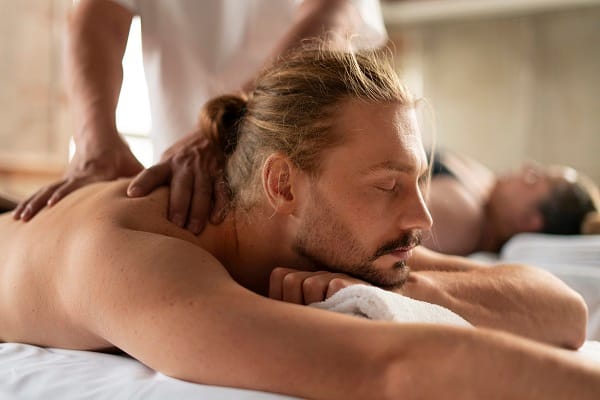
Using both hands, glide down each side of the spine to the lower back, then sweep outward and up again in slow circles.
Apply slightly firmer pressure with the heels of your hands or forearms to mimic professional deep-tissue strokes.
Target the erector spinae and lat muscles — common sore spots for men who lift or sit long hours. Keep movements slow and rhythmic; quick rubbing can cause friction burn.
Step 4: Work Down the Arms and Hands
Move to one arm at a time. Use long strokes from shoulder to wrist, then knead the biceps and forearms with alternating hands.
Massage the palm with your thumbs in small circles — this stimulates nerve endings that release tension through the entire body.
Gently stretch each finger, then move to the other arm.
💡 Pro Tip: For tight muscles, pause for three seconds of steady thumb pressure instead of quick kneading — this releases knots more effectively.
Step 5: Legs and Calves
Ask your partner to slightly bend his knees.
Use both hands to glide upward from ankle to thigh.
Men’s calves often store tightness from running or weight training — apply firmer circular pressure with thumbs or knuckles but never on the back of the knee.
Work systematically:
- Calves – long strokes upward
- Thighs – kneading and rolling motions
- Hamstrings – deep, slow compression
Alternate between gentle and firmer passes to mimic circulation rhythms.
Step 6: Feet and Reflex Points
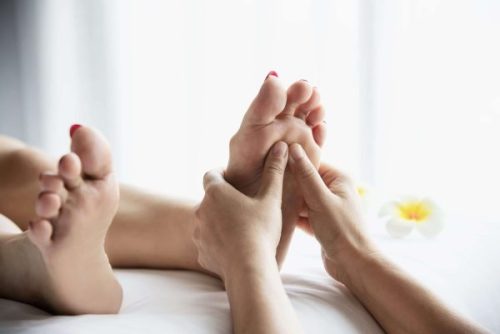
Feet finish the relaxation loop. Apply a little extra oil and hold each foot with both hands.
Press the arches with your thumbs in a slow circular pattern, then move to the ball and heel.
Lightly tug each toe and rotate. End with soft strokes across the top of the foot.
💡 Pro Tip: Massaging the feet activates reflex points linked to the back and head, improving overall calm.
Step 7: Chest, Abdomen, and Finish
If your partner is comfortable, turn him gently onto his back.
Use lighter pressure here — these areas are more sensitive.
Place both hands flat on his chest and glide outward toward the shoulders.
For the abdomen, move hands clockwise following the natural direction of digestion; this can ease tension and bloating.
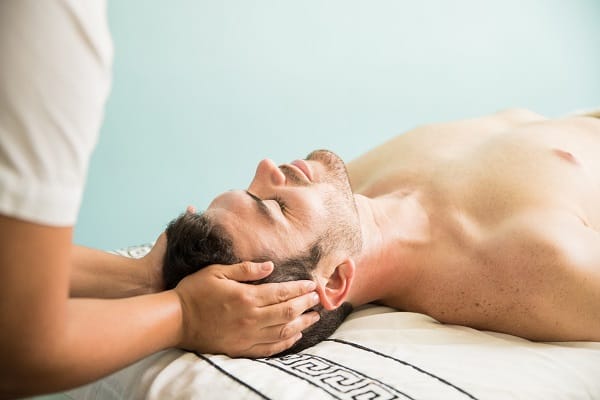
Finish with gentle sweeping strokes across the body, gradually reducing pressure. Let your final touch linger lightly on the shoulders or forehead.
Understanding Men’s Muscle Tension and Pressure Points
Every body holds stress differently, but men tend to develop consistent tension zones because of posture, hormones, and activity patterns. Understanding where and why tension builds helps you target the right areas for maximum relief.
1. The Neck and Upper Back
Hours of desk work or phone use cause forward-head posture, tightening the trapezius and levator scapulae. Apply circular thumb pressure along the upper shoulders and use gentle stretching to lengthen these muscles.
2. The Lower Back
Heavy lifting or core weakness often strains the lumbar region. Use firm, slow palm strokes on either side of the spine (never on the vertebrae). Add light forearm glides to melt deeper knots.
3. The Glutes and Hips
Men frequently carry hidden tension here from running, cycling, or sitting too long. Use your knuckles or elbow to trace small circles over the gluteus medius, then gently stretch the leg outward to open the hip joint. Always work over clothing or a sheet for comfort.
4. The Calves and Hamstrings
These large muscles are prone to tightness and trigger points. Long effleurage strokes upward toward the heart help improve venous return and reduce fatigue.
💡 Pro Tip: When working on male partners, slightly deeper sustained pressure is often needed to penetrate dense muscle fibers — but always stay below the pain threshold. The goal is release, not resistance.
By identifying and addressing these high-tension zones, your massage becomes more therapeutic, tailored, and rewarding for both giver and receiver.
♂️ How to Give a Full Body Massage to a Man (Technique Summary)
To recap, how to give a full body massage to a man comes down to flow, rhythm, and awareness.
Use long glides to connect major muscle groups, moderate pressure to melt tension, and slower breathing to anchor relaxation.
Alternate between gentle and firm strokes, checking in regularly to make sure the pressure feels right.
When practiced mindfully, your hands communicate more than words — they reassure, relax, and reconnect.
Body-to-Body Massage for Couples
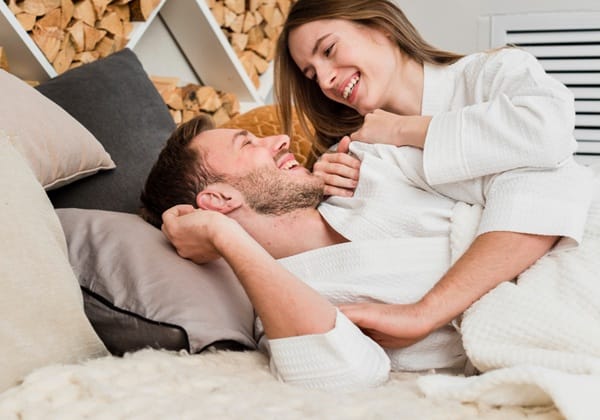
A body-to-body massage is a gentle, intimate variation of full-body massage that focuses on connection through touch rather than pressure. It’s not strictly therapeutic — it’s about shared relaxation, warmth, and presence between partners.
How it works:
Instead of relying only on your hands, you use your own body weight and natural contours — such as your forearms, thighs, or torso — to glide slowly against your partner’s muscles. The warmth of skin contact transfers heat deeper into the tissues, helping tight muscles release more easily.
Start by applying extra massage oil to both bodies so the skin glides smoothly. Begin with light, slow movements down the back, letting your chest or side gently follow the curve of his shoulders. Keep your weight balanced so pressure feels even and soothing, not heavy.
Communication is key. Ask whether the pressure feels comfortable and maintain constant, steady movement. Focus on breathing together — slow, synchronised breaths deepen relaxation for both of you.
💡 Pro Tip: Lay a clean towel beneath you, use fragrance-free oil, and ensure the room is comfortably warm. Body-to-body massage should feel nurturing and mindful, not rushed or mechanical.
You can transition seamlessly back into traditional hand techniques afterward to complete the experience. This mix of professional touch and shared warmth makes body-to-body massage one of the most relaxing and emotionally grounding forms of partner massage.
(Learn more: How to Give a Massage to Your Boyfriend)
Techniques to Master
| Technique | Description | When to Use |
|---|---|---|
| Effleurage | Long, gliding strokes | To warm tissues and spread oil |
| Petrissage | Kneading, rolling, and lifting | To relax deeper muscles |
| Friction | Small, firm circles | To break up knots and adhesions |
| Tapotement | Light rhythmic tapping | To stimulate circulation near the end |
| Vibration | Gentle shaking | To relax after deep work |
| Trigger-Point Pressing | Sustained thumb pressure on knots | For stubborn pain areas |
💡 Pro Tip: For guidance on devices, see How to Use a Massage Gun on Lower Back.
Common Mistakes to Avoid
- Cold hands or oil: Always warm them first.
- Uneven pressure: Keep both hands balanced.
- Neglecting feedback: Check in regularly.
- Rushing: A full-body massage should last at least 45–60 minutes.
- Skipping hydration: Encourage water afterward to flush out metabolic waste.
- Ignoring contraindications: Avoid massage if he has fever, infection, or recent injury.
Aftercare and Recovery
Encourage your partner to:
- Lie quietly for a few minutes
- Drink water to aid lymphatic drainage
- Take a warm shower later to soothe skin
He may feel light-headed or drowsy — that’s normal as tension releases. Plan quiet time after the session to let the benefits settle in.
Massage Benefits for Men (Backed by Research)
According to Mayo Clinic and Healthline, regular massage can:
- Reduce cortisol levels and increase serotonin
- Ease muscle soreness and prevent sports injuries
- Improve flexibility and range of motion
- Lower blood pressure and enhance circulation
- Support immune function
- Promote better, deeper sleep
These effects combine to create an overall sense of well-being — not just for the body but for the mind and relationship.
Frequently Asked Questions
How long should a full-body massage last?
Ideally 45–90 minutes. Shorter sessions are fine for relaxation, but 60 minutes allows time to address every major muscle group.
How often can I give my partner a massage?
Every 1–2 weeks is perfect for maintenance. More frequent sessions can help if he’s recovering from intense training or stress.
What’s the best oil for sensitive skin?
Choose unscented oils like jojoba or grapeseed. Always test on a small patch first.
Can I use a massage gun instead of my hands?
Yes — for calves, quads, and back — but avoid joints and the neck. Combine manual touch for warmth and connection.
How can I make it more relaxing?
Dim the lights, use slower strokes, and focus on breathing together. Relaxation comes as much from rhythm and presence as from technique.
💆♀️ Keep Learning with John Winter
Explore more expert-approved guides to master home massage techniques:
👉 Relaxation Massage Benefits: Why Your Body & Mind Need This Today
👉 How to Give a Massage to Your Boyfriend
👉 What to Expect: Full Body Massage
These related tutorials expand your skills and strengthen your connection through touch.
Final Thoughts
Giving your partner a full-body massage isn’t just about relieving muscle tension — it’s an act of care. Each slow, mindful movement tells him he’s valued and supported.
With practice, you’ll learn to read his body’s cues, adjust pressure naturally, and create a shared space of calm that benefits both of you. Remember: it’s not perfection that matters, but presence.
📚 References
- Healthline. What are the different types of massage? Healthline
- NCCIH (NIH). Massage Therapy: What You Need To Know. NCCIH
- Mayo Clinic Health System. Benefits of massage therapy. Mayo Clinic Health System
- AMTA (American Massage Therapy Association). Massage therapy can relieve stress (position statement). American Massage Therapy Association
- Harvard Health Publishing. Therapeutic massage for pain relief. Harvard Health
- Field, T. Massage therapy research review. Complementary Therapies in Clinical Practice (2016). PubMed ID: 27502797. PubMed
⚠️ Disclaimer:
This article is for informational purposes only and does not constitute medical advice. Always consult with a licensed healthcare provider or certified massage therapist before beginning any new treatment, especially if you have pre-existing health conditions or concerns.
About The Author