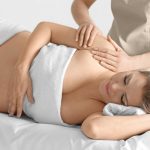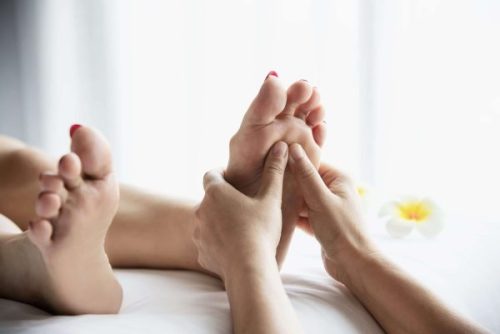
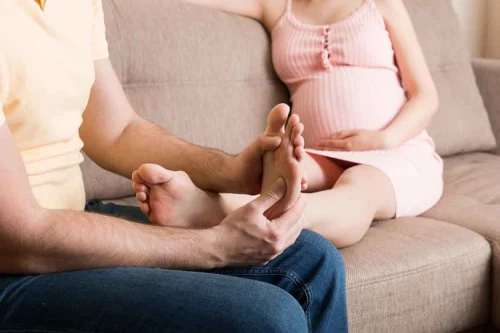
Foot massage during pregnancy can feel like one of those small, simple things that makes a big difference. As your body changes and your weight shifts, your feet are often the first place you notice it — aching by the afternoon, swollen by the evening, and just generally tired.
So it’s completely natural to ask: Is foot massage safe when pregnant?
Table of Contents
Is Foot Massage Safe When Pregnant?
Quick Answer
Yes — foot massage when pregnant is generally safe when done gently. It can help reduce swelling and improve circulation, but deeper pressure and certain reflexology points, especially around the inner ankle, should be avoided.
When approached with care, foot massage during pregnancy can be a safe and soothing way to support your body. The key is understanding how much pressure to use and being aware of areas that require a more cautious touch.
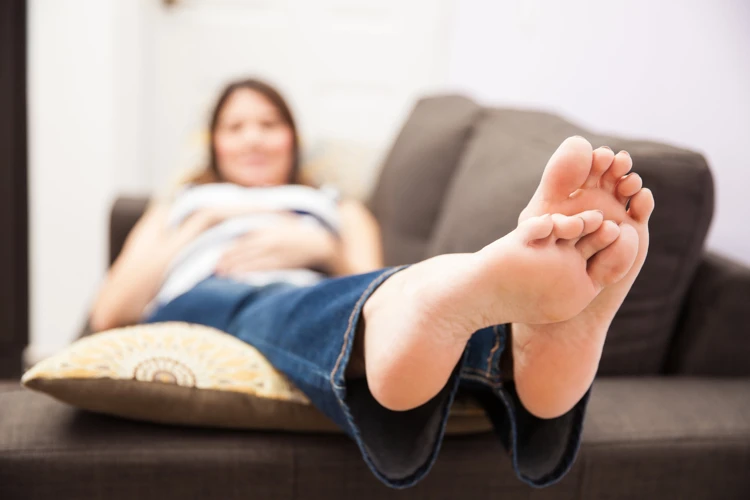
If you’re new to massage during pregnancy, it’s helpful to start with a broader understanding. Our guide to massage during pregnancy explains what’s safe across the whole body and how to approach it with confidence.
Why Foot Massage Can Feel So Good During Pregnancy
There’s a reason so many women crave a foot massage during pregnancy — it directly targets some of the most common and uncomfortable symptoms 💛
One of the biggest is swelling. As your body retains more fluid, your feet and ankles can start to feel tight, heavy, and uncomfortable. This is particularly noticeable later in the day or after long periods of standing. A gentle foot massage can help encourage movement in the lymphatic system, which may reduce fluid buildup and relieve that heavy sensation 👣
Circulation is another factor. During pregnancy, blood flow can become slower in the lower parts of the body due to increased pressure and changes in circulation. Massage helps stimulate this flow, which can reduce that dull ache or throbbing feeling many women experience in their feet and calves.
Then there’s the emotional side. Pregnancy isn’t just physical — it can be mentally and emotionally demanding too. Taking a few minutes to slow down, breathe, and focus on a calming foot massage can help your body shift into a more relaxed state ✨
Many women also find that a gentle massage in the evening helps them unwind, making it easier to fall asleep and stay comfortable throughout the night 😴
What You Need to Be Careful Of
While foot massage when pregnant is generally safe, there are a few important things to keep in mind ⚠️
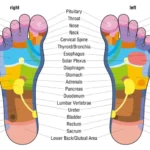
Certain areas of the foot — particularly around the inner ankle and heel — are often associated with reflexology points linked to the reproductive system. Because of this, applying deep or sustained pressure in these areas is usually avoided during pregnancy.
This doesn’t mean that foot massage is risky or something you should avoid. It simply means that a lighter, more mindful approach is the safest way to enjoy the benefits.
If you’re unsure exactly where these sensitive areas are, it’s worth reading our guide on pressure points to avoid during pregnancy, which explains them clearly and helps you feel more confident when massaging at home.
You can also explore other safe massage techniques that avoid these areas altogether, such as those outlined in how to massage a pregnant woman’s back, which focus on relieving tension in a controlled and supportive way.
How to Safely Massage Your Feet at Home
Foot massage during pregnancy doesn’t need to be complicated or technical. In fact, the most effective approach is usually the simplest.
Start by finding a comfortable position where your feet are supported and relaxed. This might be sitting back on a couch or lying slightly elevated. The goal is to remove any strain so your body can fully relax.
Begin with gentle, sweeping strokes across the foot. This helps warm up the muscles and signals to your body that it’s time to relax. There’s no need to rush — slow, steady movements will feel much more soothing.
Once your feet feel a little more relaxed, you can move into the arch. This area tends to hold tension and usually responds well to light pressure. Using your thumbs, apply gentle, steady movements along the arch, adjusting based on what feels comfortable.
Circular motions can also help release tightness without overstimulating the area. Again, slower is better. The aim isn’t to “fix” anything — it’s simply to support your body and ease discomfort.
Throughout the massage, stay aware of how your body feels. If anything feels too intense or uncomfortable, ease off straight away. Your comfort is the most important guide.
Using a natural oil like coconut or almond oil can make the experience smoother and more enjoyable, while also being gentle on your skin 🌿
If you’re considering using massage devices instead of manual techniques, it’s important to understand the differences. Some tools, like massage guns, require extra caution during pregnancy. You can read our full guide on are massage guns safe during pregnancy to understand the risks and when they may or may not be appropriate.
When You Should Avoid Foot Massage
Although foot massage when pregnant is safe for most women, there are certain situations where it’s best to take a step back and seek advice first.
If you notice sudden or severe swelling, particularly if it appears uneven or is accompanied by pain, it’s important to have this checked before trying massage. The same applies if you have conditions such as preeclampsia or a history of blood clots.
Unusual or persistent pain in the legs or feet should also be assessed before applying pressure to the area.
In these cases, it’s not about avoiding massage entirely — it’s about making sure it’s appropriate for your individual circumstances.
Is It Better to See a Professional?
If you’re unsure about technique or simply want to relax without thinking about it, seeing a qualified prenatal massage therapist can be a great option 💆♀️
A trained therapist understands how pregnancy affects the body and knows how to adjust pressure, positioning, and technique safely. This can give you peace of mind and allow you to fully relax into the experience.
That said, a gentle at-home foot massage can still be incredibly effective — especially when done regularly and with care.

How Often Can You Have a Foot Massage During Pregnancy?
One of the nice things about foot massage during pregnancy is that it doesn’t need to be limited to occasional sessions.
A gentle foot massage can be done regularly — even daily — as long as the pressure remains light and comfortable. Many women find that short, consistent sessions are more beneficial than occasional longer ones.
It can be particularly helpful at the end of the day, when swelling and fatigue tend to be at their peak. Even five to ten minutes can make a noticeable difference in how your feet feel.
As always, the best approach is to listen to your body. If something feels good and comfortable, you’re likely on the right track.
Frequently Asked Questions
Can foot massage induce labor?
There isn’t strong scientific evidence to suggest that foot massage when pregnant can induce labor. However, some reflexology points are believed to be linked to uterine activity, which is why deeper pressure is generally avoided. Gentle massage for relaxation is considered safe when these areas are avoided.
Is reflexology safe during pregnancy?
Reflexology can be safe during pregnancy when performed by someone trained in prenatal care. A qualified practitioner will understand which pressure points to avoid and how to adapt techniques to suit each stage of pregnancy, helping ensure both safety and comfort.
Can I use a foot massager while pregnant?
Foot massagers can be used during pregnancy, but it’s best to stick with gentle settings. Strong kneading or deep pressure may not be suitable. Lighter modes, such as vibration or mild compression, are generally safer and still provide a relaxing effect.
What is the safest way to do foot massage when pregnant?
The safest way to perform foot massage when pregnant is to keep pressure light, focus on the arch of the foot, and avoid sensitive areas like the inner ankle. Slow, controlled movements and short sessions are usually the most comfortable and effective approach.
Since comfort and safety can change as pregnancy progresses, it’s helpful to understand what’s appropriate at each stage. This guide to massage during pregnancy by trimester breaks it down clearly.
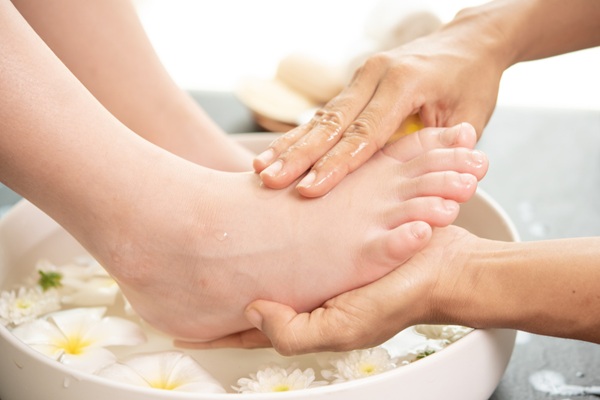
Final Thoughts
Foot massage when pregnant can be one of the simplest and most effective ways to support your body through a time of constant change.
When approached gently and with a bit of awareness, it can help reduce swelling, improve circulation, and give you a moment to slow down and reconnect with your body 💛
It doesn’t need to be complicated. A few quiet minutes, a gentle touch, and a focus on comfort can go a long way.
Reviewed March 2026 by April Merrick, Prenatal Specialist
📚 References
🔗 NHS: Relaxation in pregnancy
🔗 Medical News Today: Benefits and risks of a foot massage
🔗 Healthline: Foot Massage During Pregnancy: Safety, Benefits, Risks, and Tips
🔗 National Library Of Medicine: Effects of foot reflexology massage on pregnant women: a systematic review and meta-analysis of randomized controlled studies
⚠️ Disclaimer:
This content is for informational purposes only and does not replace medical advice. Always consult your healthcare provider before starting any new treatment during pregnancy.
About The Author