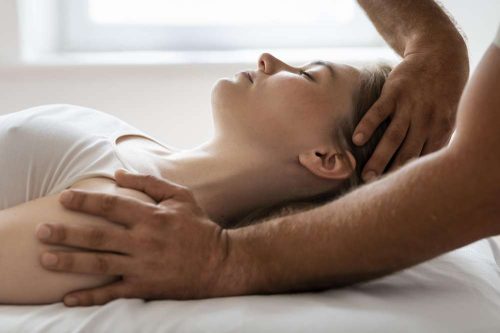
When you’re sick, your body has a way of letting you know something isn’t quite right. You might feel run down, congested, or notice tender areas around your neck, jaw, or under your arms. These are often your lymph nodes — and when they swell, it can be uncomfortable enough to make you wonder if you should do something about it.
A common question people ask is: can you massage lymph nodes when sick, or is it better to leave them alone?
You may have heard that lymphatic massage helps “drain toxins” or speed up recovery. While there is some truth to the role of the lymphatic system in clearing waste and supporting immunity, massaging lymph nodes during illness isn’t always helpful — and in some cases, it can actually make things worse.
Understanding when lymph node massage is appropriate, and when it’s best avoided, can make a real difference in how quickly and comfortably you recover. 💛
Quick Answer: Can You Massage Lymph Nodes When Sick?
If you’re looking for a straightforward answer, here it is:
👉 Yes — but only if your symptoms are mild and you use very gentle pressure.
👉 No — if you have a fever, active infection, or painful swollen lymph nodes.
That distinction matters more than most people realize.
When your body is actively fighting off illness, your lymph nodes are already working hard behind the scenes 💪 Adding pressure or stimulation at the wrong time can sometimes increase irritation rather than relieve it.
On the other hand, once symptoms begin to settle, gentle lymphatic techniques can support fluid movement and help reduce lingering congestion.
Table of Contents
What Are Lymph Nodes and Why Do They Swell?
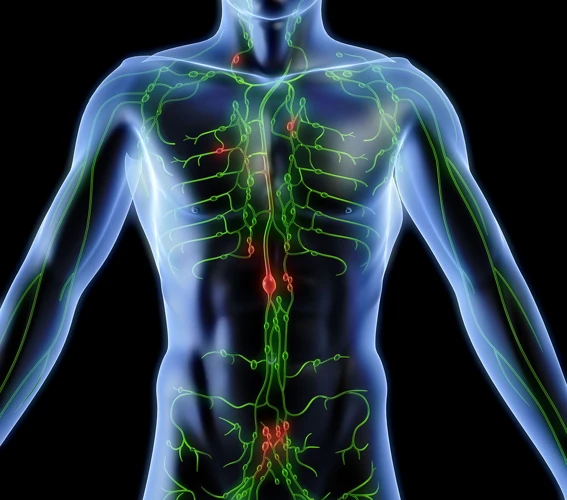
Your lymph nodes are small, soft structures that sit throughout your body, forming part of the lymphatic system. This system plays a key role in maintaining fluid balance and supporting your immune response.
When you’re healthy, lymph nodes are usually barely noticeable. But when you’re sick, they often become swollen or tender, particularly in areas like the neck, jawline, or under the arms.
This happens because lymph nodes act as filters. They trap bacteria, viruses, and other harmful substances, while also producing immune cells that help fight infection 🛡️ As this process ramps up, the nodes can enlarge and become sensitive to touch.
Although swelling can feel uncomfortable, it’s actually a sign that your immune system is responding appropriately. Your body is doing exactly what it’s designed to do, even if it doesn’t feel great at the time.
Why Massaging Lymph Nodes Can Be Risky During Illness
It’s easy to assume that if something feels swollen or sore, massaging it might help relieve the discomfort. That logic works well for muscles, but lymph nodes operate differently.
When lymph nodes are swollen due to illness, they are actively filtering pathogens and coordinating immune activity. This makes them more sensitive and reactive than normal.
Applying pressure during this phase can increase inflammation and irritate the surrounding tissue 😣 In some cases, it may also disrupt the natural immune process by pushing fluid through the system too quickly.
This is why most health professionals recommend avoiding lymph node massage when symptoms are at their peak, particularly if you have a fever, noticeable swelling, or general fatigue.
Sometimes, the most helpful thing you can do is simply allow your body to work without interference.
This is particularly important when dealing with sensitive areas like the lymphatic system, where certain massage side effects can feel more intense. 📖
When Lymphatic Massage Can Help
While massage isn’t recommended during active illness, there is a point where it can become useful.
As your symptoms begin to settle, your body shifts from fighting infection to clearing residual fluid and inflammation. This is where gentle lymphatic massage can support recovery.
You may notice a lingering feeling of puffiness or congestion, particularly around the face, neck, or upper chest. At this stage, light stimulation can help encourage fluid movement and restore a sense of balance.
The key is understanding that lymphatic massage is not treating the illness itself. Instead, it supports your body once it has already done the hard work of fighting infection.
✨ Think of it as helping your body reset, rather than pushing it to heal faster.
For a deeper understanding of techniques and benefits, see our full guide on lymphatic drainage massage.
How the Lymphatic System Actually Works
One of the most important things to understand is how the lymphatic system moves fluid.
Unlike your circulatory system, which relies on the heart to pump blood, the lymphatic system depends on movement. Muscle contractions, breathing, and body positioning all play a role in keeping lymph fluid flowing.
When you’re sick, you tend to rest more and move less. This can slow lymph flow slightly, contributing to that heavy or “blocked” feeling.
That’s why simple actions like getting up for a short walk, stretching, or even taking deeper breaths can support lymph movement naturally 🚶♂️
Massage can assist with this process, but it’s not the only — or even the most important — factor.
Can Lymphatic Massage Speed Up Recovery?
There’s a common belief that lymphatic massage can help you recover faster from illness by flushing out toxins.
While it’s true that the lymphatic system helps clear waste, massage doesn’t override your body’s natural processes.
Your immune system, liver, and kidneys are already working efficiently to manage recovery. Lymphatic massage can support fluid movement, but it doesn’t directly fight infection or accelerate healing in a dramatic way.
Where it can help is during recovery, when your body is clearing out residual inflammation. At this stage, gentle massage may reduce swelling and help you feel more comfortable.
💡 It’s less about speeding things up, and more about supporting what your body is already doing.
Signs You Should Avoid Massaging Lymph Nodes
Your body gives you clear signals when it needs rest instead of stimulation.
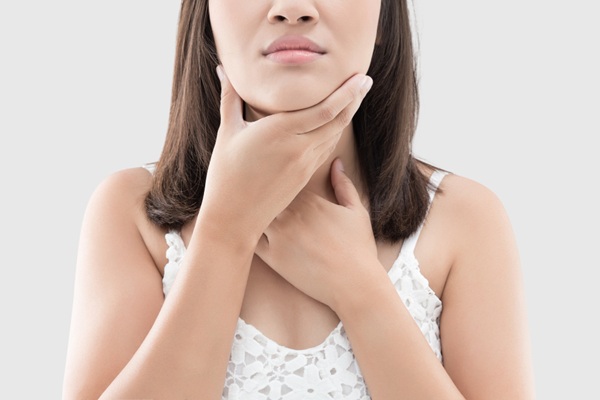
If your lymph nodes are painful, significantly swollen, or sensitive to touch, it’s best to leave them alone. A fever is another clear sign that your body is under stress and actively fighting infection.
Fatigue, body aches, and general discomfort are also indicators that your system is working hard behind the scenes.
In these moments, adding massage into the mix can increase irritation rather than provide relief.
🚫 If it feels inflamed or intense, it’s a sign to step back.
If you’re unsure whether massage is appropriate at all while you’re unwell, it’s worth reading our guide on getting a massage when sick — is it safe? ⚠️
How to Massage Lymph Nodes Safely
If your symptoms are mild or improving, lymphatic massage can be done safely — but the technique is very different from traditional massage.
The most important principle is pressure. Lymphatic massage uses extremely light touch, often described as stretching the skin rather than pressing into it.
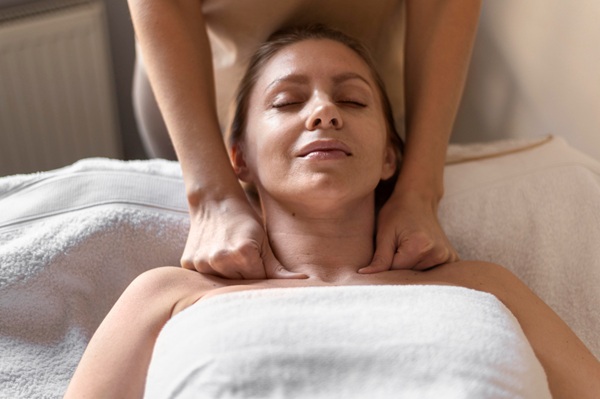
A simple approach is to begin at the base of your neck, near the collarbone, where lymph fluid naturally drains. Using your fingertips, gently glide the skin downward in slow, controlled movements. From there, you can gradually move higher up the neck and repeat the same motion.
You can also include areas behind the ears and along the jawline, always directing movement toward the drainage points.
The sensation should feel subtle and calming, not deep or intense.
If you’re unsure how to apply safe pressure, this guide on how to massage yourself safely can help.
Why Pressure Matters More Than Technique
When it comes to lymphatic massage, pressure matters more than technique.
The lymphatic vessels sit just beneath the skin, which means heavy pressure can actually compress them and reduce flow. This is the opposite of what you want.
This is why professional lymphatic drainage techniques use slow, light movements rather than firm pressure.
✨ If it feels like a deep massage, it’s too much.
Keeping your touch gentle ensures that you’re supporting the system rather than interfering with it.
What to Avoid When Massaging Lymph Nodes
Even when massage is appropriate, there are a few important boundaries to keep in mind.
Avoid applying heavy pressure or trying to “work out” swelling. Lymph nodes are not muscles, and treating them like one can increase irritation.
Massage tools, particularly devices like massage guns, should not be used in these areas. They are designed for muscle tissue and can be too aggressive for delicate lymphatic structures.
It’s also important to avoid long sessions. Lymphatic massage works best when it is brief and consistent rather than prolonged.
If something feels uncomfortable or painful, it’s always best to stop and reassess.
Better Ways to Support Your Lymphatic System When Sick
Massage is only one piece of the puzzle, and often not the most important one.
Hydration plays a major role in lymphatic function. Drinking enough water helps maintain fluid balance and supports circulation 💧
Rest is equally important. Your immune system requires energy, and giving your body time to recover allows it to function more effectively 🛌
Gentle movement, such as walking or stretching, can encourage lymph flow without overstimulation 🚶
Warm showers or steam can also relieve congestion and ease pressure in areas like the neck and sinuses 🌬️
Dry brushing is sometimes recommended as a way to stimulate the lymphatic system by gently brushing the skin toward the heart. While it can support circulation and lymph flow in healthy individuals, it’s not recommended when you’re actively sick.
When your body is already fighting infection, dry brushing may feel too stimulating and can irritate sensitive areas, especially if your lymph nodes are swollen or tender.
✨ A better approach is to wait until you’re recovering, then introduce dry brushing gently as part of a broader wellness routine rather than using it during illness itself.
These simple habits often provide more benefit than trying to intervene with massage during illness.

How to Tell If Massage Is Helping or Hurting
Your body provides feedback — the key is learning to recognise it.
If massage is helping, you may notice a lighter feeling, reduced tightness, or improved comfort in the area.
If it’s too much, you may feel increased tenderness, pressure, or worsening swelling.
👉 If symptoms feel worse after massage, it’s a clear sign to stop.
Listening to these signals helps you support your body without pushing it too far.
Common Myths About Lymph Node Massage
There’s a lot of confusion around lymphatic massage, especially online.
Massage does not directly boost your immune system, even though it may help you feel more relaxed 💪
Your body already has effective systems for removing toxins, including the liver and kidneys. Massage can support circulation, but it doesn’t replace these functions.
Another common myth is that more pressure leads to better results. In reality, the opposite is true. Gentle, controlled movements are far more effective for lymphatic flow.
Understanding these points can help you make more informed decisions about your health.
When to See a Doctor
Swollen lymph nodes are common during illness, but they shouldn’t be ignored if they persist.
If swelling lasts longer than two to three weeks, becomes hard or immovable, or continues to grow, it’s important to seek medical advice.
Other symptoms to watch for include persistent fever or unexplained changes in your overall health.
👉 When in doubt, it’s always best to get checked.
Final Thoughts
So, can you massage lymph nodes when sick?
👉 Yes — but only gently, and only when symptoms are mild or improving.
👉 If you’re actively sick, rest is often more effective than massage.
Your lymphatic system is already doing exactly what it should. Supporting it isn’t about doing more — it’s about doing the right things at the right time 💛
FAQs
Can massaging lymph nodes make illness worse?
Yes, it can in certain situations. If lymph nodes are swollen due to infection, massage may increase inflammation, irritation, or discomfort. It can also interfere with your body’s natural immune response, so it’s best to wait until symptoms improve before attempting any massage.
Is lymphatic drainage safe during a cold?
Lymphatic drainage can be helpful for mild symptoms like congestion, but it should always be done gently. It’s important to avoid massage if you have a fever, strong fatigue, or painful swelling, as this may worsen symptoms instead of helping recovery.
Should swollen lymph nodes be massaged?
In most cases, no. Swollen lymph nodes indicate that your immune system is actively working. Massaging them directly can increase sensitivity and inflammation, potentially delaying recovery. It’s better to allow your body to manage the process naturally without added pressure.
How long do lymph nodes stay swollen when sick?
Lymph nodes usually remain swollen for a few days up to two weeks while your body fights infection. As symptoms improve, swelling should gradually decrease. If nodes remain enlarged, become hard, or continue growing, it’s important to seek medical advice.
Reviewed March 2026 by April Merrick, Wellness Editor
📚 References
🔗 Healthline: Lymphatic System
🔗 Cleveland Clinic: Lymphatic Drainage Massage
🔗 eCAM: Effect of Foot Reflexology on Pain and Anxiety in Patients with Cancer
🔗 WebMD: Lymph Drainage Massage: Benefits and Risks
⚠️ Disclaimer:
This article is for informational purposes only and does not constitute medical advice. Always consult with a licensed healthcare provider or certified massage therapist before beginning any new treatment, especially if you have pre-existing health conditions or concerns.