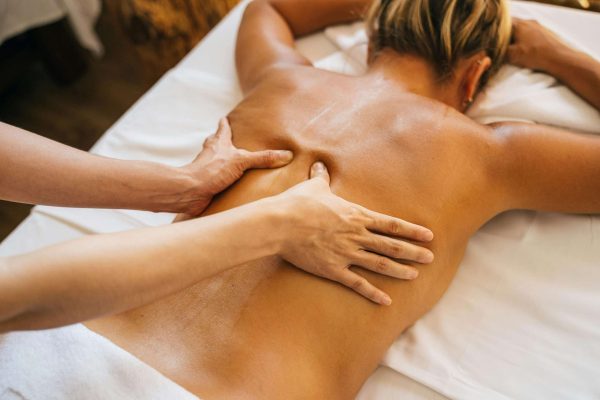
Learning massage therapy techniques can be a rewarding way to support relaxation, reduce everyday tension, and improve overall physical and mental wellbeing 😊. Whether you’re interested in self-care at home or building foundational skills for working with others, understanding proper massage techniques and safety principles is essential.
This guide walks you through the core elements of massage therapy, from preparing a comfortable massage session to learning commonly used techniques, tools, and massage styles. You’ll also gain insight into how different types of massage are used, how to approach the body with care and intention, and what to consider when it comes to comfort, boundaries, and ethical practice. By the end, you’ll have a clear, practical understanding of massage therapy techniques and how to apply them confidently and responsibly.
Table of Contents
How Massage Therapy Techniques Are Applied in Practice
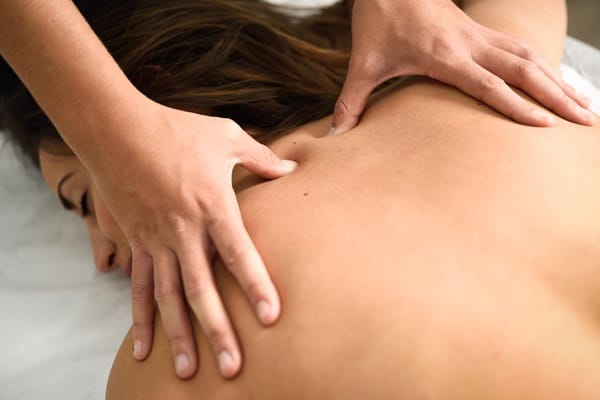
Massage therapy techniques are not one-size-fits-all. The approach used in a session depends on the goal — whether that’s relaxation, muscle recovery, pain management, or stress relief 🧘♀️. Rather than following a rigid routine, massage therapists adapt pressure, rhythm, and technique based on the body area being treated and the individual’s comfort level.
Some techniques focus on long, flowing movements to encourage relaxation and circulation, while others use slower, more targeted pressure to address areas of tension. Understanding when to use lighter versus deeper techniques — and when to avoid certain areas altogether — is a key part of effective and responsible massage practice. This practical awareness is what separates thoughtful massage therapy from simply applying pressure at random.
Benefits of Massage Therapy
Massage therapy offers a wide range of benefits that support both physical comfort and mental wellbeing 😊. One of its most recognised effects is helping the body relax by easing muscle tension and encouraging better circulation. This improved blood flow supports oxygen delivery to tissues and can help the body feel less stiff or heavy after periods of stress or inactivity.
Many people also turn to massage therapy as a way to manage everyday stress. Gentle, rhythmic touch can help calm the nervous system, promote relaxation, and improve sleep quality. Over time, regular massage may also support flexibility, joint mobility, and a greater sense of balance between body and mind.
While massage is not a replacement for medical care, it is widely used as a complementary practice to support recovery, reduce discomfort, and encourage overall wellbeing when applied thoughtfully and safely.
Types of Massage Therapy
Swedish Massage Therapy
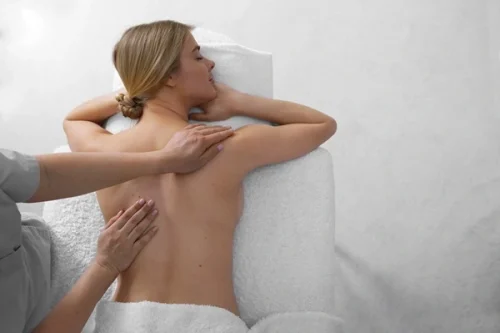
Swedish massage is the most popular type of massage therapy. It involves light, rhythmic strokes that are used to relax the muscles and increase circulation. It is often combined with other massage techniques to create a customized massage experience.
Deep Tissue Massage
Deep tissue massage is a type of massage that focuses on the deeper layers of muscle tissue. It is used to release chronic muscle tension and to target specific areas of tightness and pain. This type of massage is beneficial for those with chronic pain, as it helps to break up adhesions and reduce inflammation.
Hot Stone Massage
Hot stone massage is a type of massage that uses heated stones to help relax the muscles. The stones are placed on the body to help increase circulation, reduce tension, and provide a soothing sensation.
Sports Massage
Sports massage is a specialized form of massage that is used to treat athletes and active individuals. It helps to improve performance, reduce the risk of injury, and promote faster recovery. This type of massage is tailored to the individual’s needs, and can be used to target specific areas of the body that are overworked or tense.
Thai Massage
Thai massage is an ancient form of bodywork that combines acupressure, stretching, and yoga postures. This type of massage promotes relaxation, increases energy, and helps to reduce stress and tension.
Pregnancy Massage
Pregnancy massage is a type of massage that is specifically tailored to the needs of pregnant women. It helps to reduce stress and tension, as well as improve circulation and reduce swelling. It is important to choose a practitioner that is experienced in working with pregnant women.
Massage Therapy Techniques
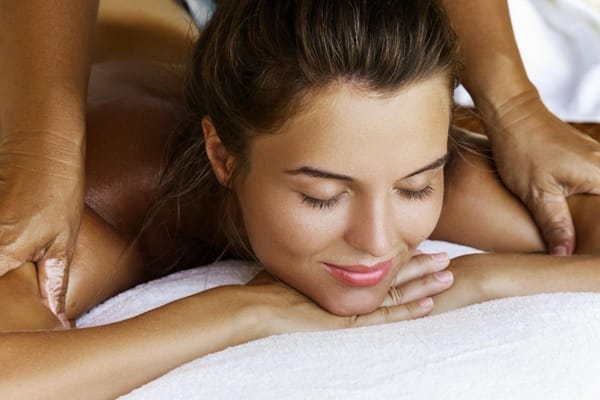
Effleurage
Effleurage is a gentle, flowing massage technique used to relax soft tissue and improve circulation. It is a light, stroking massage technique that is used to warm up the tissue and prepare the area for deeper work.
Petrissage
Petrissage is a massage technique used to knead and manipulate soft tissue. It is used to loosen tight muscles, improve circulation, and reduce inflammation. Petrissage is generally performed with deep, circular motions.
Friction
Friction is a massage technique used to break up adhesions in the muscles, tendons, and ligaments. It is a deep, penetrating technique used to treat chronic pain and conditions such as tendinitis and bursitis.
Vibration
Vibration is a massage technique used to relax the muscles and increase circulation. It is a gentle, rhythmic massage technique that uses a vibrating tool to massage the tissue.
Tapotement
Tapotement is a massage technique used to stimulate and invigorate the tissue. It is a tapping or percussive massage technique that is used to warm up the tissue and improve circulation.
Safety Considerations
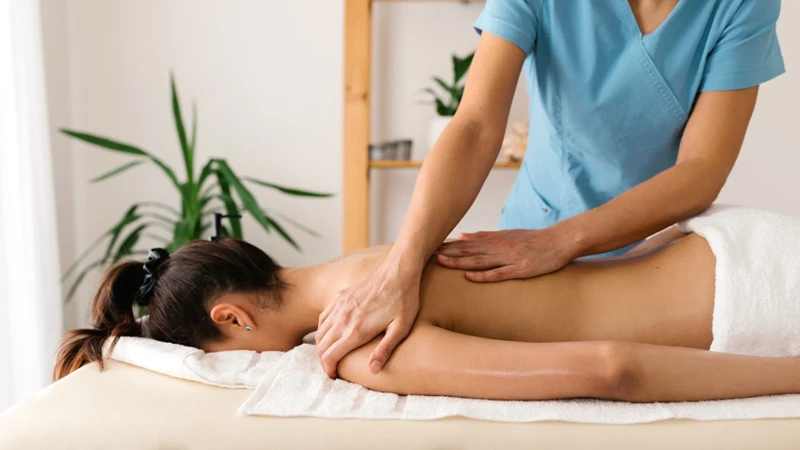
Safety is a fundamental part of effective massage therapy. Before beginning any session, it’s important to consider relevant health information, including injuries, medical conditions, sensitivities, or recent procedures ⚠️. Open communication helps ensure techniques and pressure levels are appropriate for the individual.
Proper positioning and support during a massage reduce strain and discomfort for both the recipient and the person performing the massage. Pressure should always be adjusted based on comfort and feedback — massage should never cause sharp or worsening pain.
Good hygiene also plays an important role. Clean hands, fresh linens, and properly maintained tools help create a safe and comfortable environment. If anything feels uncomfortable or unusual during a session, it’s important to pause and reassess rather than push through.
Massage Therapy Tools
Massage therapy can be performed using hands alone, but many therapists also use specialised tools to enhance comfort, effectiveness, and consistency 🧰. The right tools help reduce strain on the therapist while allowing for more targeted and controlled treatment.
Massage oils and creams are commonly used to reduce friction between the hands and the skin, allowing movements to flow smoothly. Oils tend to provide more glide, while creams and lotions offer better control and longer-lasting lubrication, making them useful for different techniques and preferences.
Hot stones are smooth, heated stones placed on or moved across the body to encourage muscle relaxation and improve circulation. The warmth helps soften tight tissue, making deeper work more comfortable for some clients.
Massage rollers and massage balls are simple yet effective tools for loosening tight muscles and applying focused pressure to specific areas. They are often used for self-massage or between sessions to maintain muscle flexibility and relieve tension 😊.
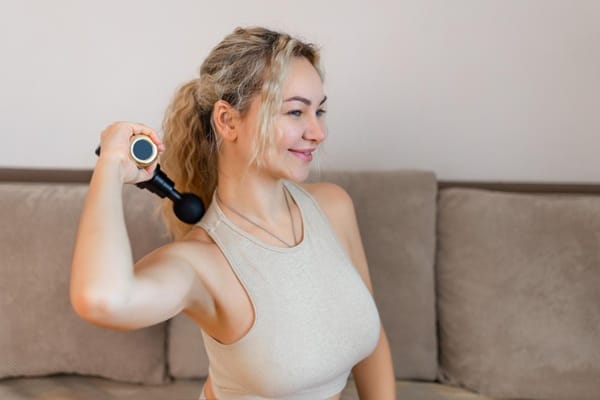
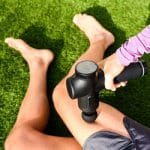
Massage guns, also known as percussion massage devices, have become increasingly popular in both professional and at-home settings. They use rapid, rhythmic pulses to stimulate muscle tissue and are commonly used to support recovery, reduce muscle tightness, and improve circulation. When used correctly, massage guns can complement traditional hands-on techniques, particularly for larger muscle groups.
Massage towels remain an essential tool for hygiene, comfort, and support. They help manage excess oil, keep the treatment area clean, and assist with positioning and draping during a session.
Using the right combination of massage therapy tools allows techniques to be adapted to individual needs, ensuring treatments remain effective, comfortable, and safe ⚖️.
the right tools for each massage technique to ensure the best possible outcome.
Tips for Performing Massage Therapy Techniques
When performing massage therapy techniques, preparation and awareness matter just as much as technique.
Warming the muscles before deeper work can help the body relax and make the massage more comfortable. Maintaining good posture while massaging helps reduce strain and allows movements to feel more controlled and fluid.
Using the right amount of pressure is key — too much can cause discomfort, while too little may feel ineffective. Paying attention to body language and verbal feedback helps guide adjustments throughout the session.
Choosing appropriate oils or creams can also improve the flow of movements and comfort of the massage. Finally, ending the session slowly, with lighter strokes or a brief pause, allows the body to settle before returning to normal activity 🧘♀️.
Frequently Asked Questions
What are the main benefits of massage therapy?
Massage therapy supports both physical and mental wellbeing by helping the body relax and reset 😊. Regular massage may reduce muscle tension, improve circulation, support joint mobility, and ease everyday aches caused by stress or overuse. Many people also find massage helps them unwind mentally, sleep more comfortably, and feel more balanced overall. While results vary from person to person, massage is widely used as a complementary approach to self-care and recovery.
Which areas of the body are usually included in a massage therapy session?
A typical massage therapy session often focuses on high-tension areas such as the back, neck, shoulders, arms, and legs. Depending on your comfort level and goals, a therapist may also include the hands, feet, scalp, or glutes. Sessions are usually tailored to individual needs, so you can discuss which areas you’d like prioritised and which areas you prefer to avoid before the massage begins 🧘♀️.
How do I know which type of massage is right for me?
The best type of massage depends on your goals. Swedish massage is commonly chosen for relaxation and stress relief, while deep tissue massage is often used for persistent muscle tightness. Sports massage suits active individuals, and gentler approaches like reflexology or craniosacral therapy may appeal to those seeking relaxation without firm pressure. If you’re unsure, a qualified therapist can help guide you based on your comfort and needs.
What safety precautions should be taken before a massage therapy session?
Before starting a massage, it’s important to share relevant health information, including injuries, medical conditions, or sensitivities ⚠️. A professional therapist should explain the process, confirm consent, and ensure you’re comfortable with pressure levels and positioning. Clean equipment, proper hygiene, and clear boundaries are essential for a safe experience. If something feels uncomfortable at any point, you should always feel able to speak up.
How often should someone receive massage therapy?
Massage frequency varies depending on lifestyle, activity level, and personal goals. Some people enjoy massage monthly for relaxation and maintenance, while others benefit from more frequent sessions during periods of stress, training, or recovery. There’s no universal schedule — consistency matters more than intensity. A qualified massage therapist can help suggest a frequency that suits your body and routine without overdoing it 🙂.
Conclusion
Massage therapy techniques offer a thoughtful and effective way to support relaxation, ease muscle tension, and improve overall wellbeing 😊. When applied with care, proper technique, and awareness of individual needs, massage can become a valuable part of a balanced self-care or recovery routine.
Whether you’re practising massage at home or learning foundational skills to use with others, the key is to approach the body with intention, respect, and patience. Understanding when to apply lighter or deeper pressure, choosing appropriate tools, and prioritising comfort and safety helps ensure massage remains both beneficial and enjoyable.
While massage therapy is not a substitute for medical treatment, it can complement healthy lifestyle habits and support physical comfort when used responsibly. Listening to the body and adjusting techniques as needed is what turns massage from a routine action into a mindful practice 🧘♀️.
Reviewed December 2025 by John Winter, Massage & Wellness Editor
📚 References
- NIH: The Benefits of Massage Therapy
- CDC: Massage Therapy: What You Need to Know
- University of California San Francisco: Touch Therapy May Reduce Stress and Improve Sleep
⚠️ Disclaimer:
This article is for informational purposes only and does not constitute medical advice. Always consult with a licensed healthcare provider or certified massage therapist before beginning any new treatment, especially if you have pre-existing health conditions or concerns.
About The Author



It’s clear that you are passionate about making a positive impact and your blog is a testament to that Thank you for all that you do